Kerosene Heater vs Propane: My Cozy Solution for Cold Nights
Last winter, I was stuck in my chilly garage, teeth chattering, trying to fix my old bike. I grabbed a kerosene heater from the shed, but the smell was a total flop! That’s when I started comparing kerosene heater vs propane to find the best way to stay warm. This article breaks down both heaters in simple terms. You’ll learn what they are, how they work, and which one fits your home or workshop. I’ll share easy tips, safety tricks, and a few mistakes I made so you can stay toasty without the hassle.
What Is a Kerosene Heater vs Propane?
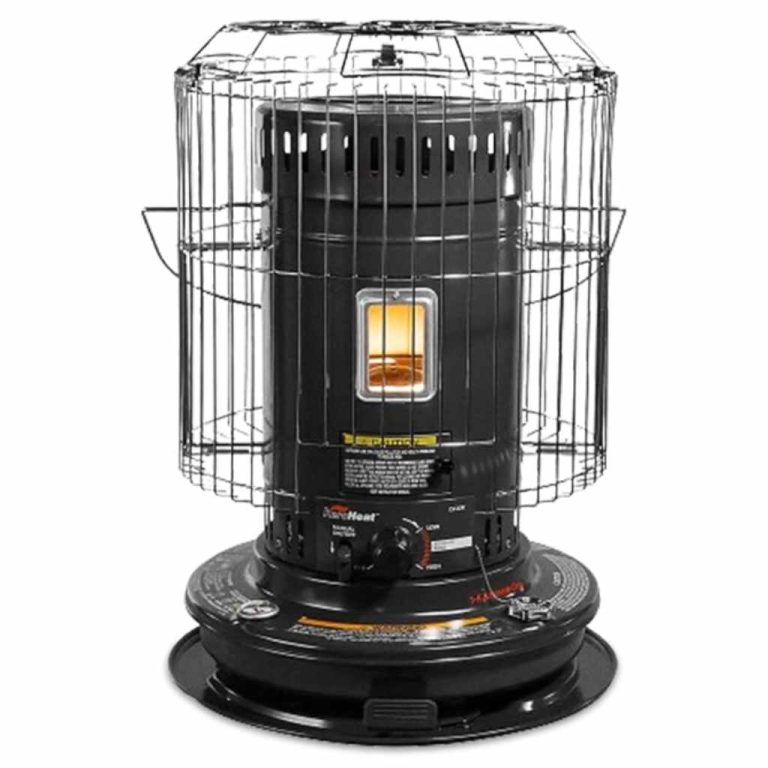
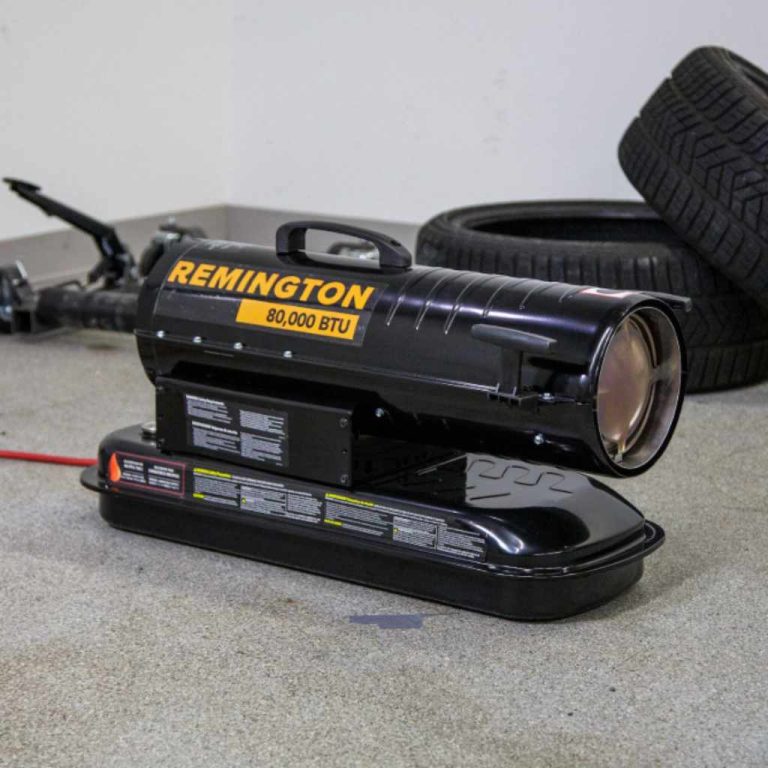
A kerosene heater burns liquid kerosene to make heat. It’s like a super-powered lamp that warms up big spaces fast. Propane heaters use gas from a tank to create heat, perfect for quick setups. Both are great for garages, patios, or emergencies when the power goes out. Knowing their differences helps you pick the right one for your needs. Kerosene packs more heat, but propane is cleaner. Let’s dive into how they compare!
Why Compare These Heaters?
Comparing kerosene heater vs propane matters because each has unique strengths. Kerosene heaters pump out tons of heat, ideal for large areas. Propane heaters are easier to find and safer indoors with good airflow. Your choice depends on where you’ll use it, your budget, and how much maintenance you’re okay with. I learned this the hard way when my kerosene heater smoked up my garage!
Comparing Kerosene and Propane Heaters
Let’s break down how these heaters stack up. I’ll share real examples from my own use to make it clear.
Heat Output: Which Packs a Punch?
Kerosene heaters produce more heat per gallon—about 135,000 BTUs (a measure of heat energy) compared to propane’s 91,333 BTUs. Last winter, my kerosene heater warmed my 1,000-square-foot garage in 30 minutes! Propane takes longer but burns cleaner, so it’s better for smaller spaces like a living room. For outdoor patios, kerosene’s stronger heat wins.
Indoor vs. Outdoor Use
Propane heaters are safer indoors if you keep windows open. They produce less smell and fewer fumes. I use a propane Mr. Heater in my basement with a carbon monoxide detector nearby—no issues! Kerosene heaters are better outside or in well-ventilated garages because they can smell and release more fumes. Always check ventilation to stay safe.
Cost: Which Saves More Cash?
Kerosene costs about $4-$6 per gallon, while propane is $2-$3 per gallon for a 20-pound tank refill. But kerosene heaters use more fuel, so costs even out. My kerosene heater burned through 5 gallons in a week, costing $25. Propane lasted longer for less. Propane heaters are also cheaper to buy, starting at $50, while kerosene models start at $100.
Table 1: Cost Comparison of Kerosene vs Propane Heaters
| Feature | Kerosene | Propane |
|---|---|---|
| Fuel Cost (per gallon) | $4-$6 | $2-$3 (20-lb tank) |
| Heater Price | $100-$300 | $50-$200 |
| Fuel Use (per hour) | 0.2-0.3 gallons | 0.1-0.2 gallons |
| Caption: Propane is often cheaper upfront, but kerosene’s higher heat output may save time in large spaces. |
Tools and Materials You’ll Need
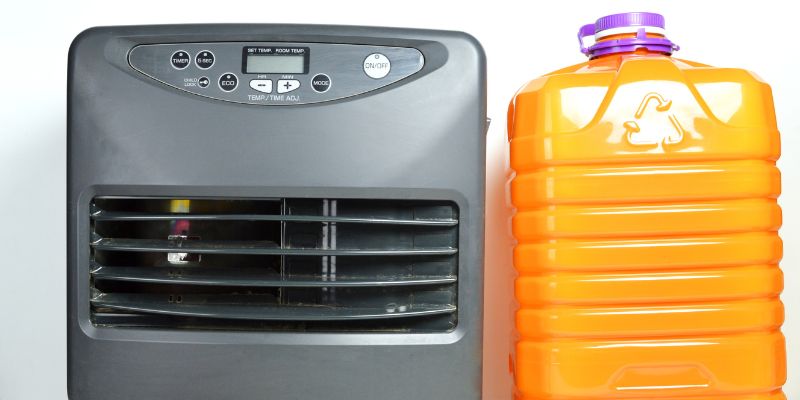
Both heaters are easy to set up, but you’ll need a few things. Here’s what I recommend for beginners.
- Kerosene Heater: Kerosene fuel (K-1 grade is best), a 5-gallon can, a wick (replace yearly), and a match or lighter. Get a carbon monoxide detector for safety.
- Propane Heater: A 20-pound propane tank (like for grills), a hose if needed, and a detector. Models like Mr. Heater are plug-and-play.
- Safety Gear: Fire extinguisher, gloves, and a well-ventilated space. I keep a small extinguisher in my garage just in case.
Visual Idea: A labeled diagram showing a kerosene heater’s wick and a propane heater’s tank setup would help beginners understand the parts.
Benefits and Drawbacks
Both heaters have pros and cons. Here’s what I’ve learned from using them.
Kerosene Heater Pros and Cons
- Pros: High heat output, great for big spaces, long shelf life (years if stored right). My kerosene heater kept my whole house warm during a power outage!
- Cons: Smells when starting or stopping, needs wick maintenance, and fuel is harder to find. I once spilled kerosene—yuck
Propane Heater Pros and Cons
- Pros: Clean-burning, easy to find fuel, low maintenance. My propane heater is a breeze to store.
- Cons: Less heat per gallon, tanks can be heavy to move. Cold weather can slow propane flow, like when my heater fizzled at 5°F.
Table 2: Pros and Cons of Kerosene vs Propane Heaters
| Heater Type | Pros | Cons |
|---|---|---|
| Kerosene | High heat, long fuel storage | Smelly, high maintenance |
| Propane | Clean, easy to use, widely available | Lower heat, heavy tanks |
| Caption: Kerosene is powerful but fussy; propane is simple but less intense. |
Step-by-Step: Using Your Heater Safely
Here’s how I set up and use both heaters. Follow these steps to stay warm and safe.
- Pick a Spot: Place the heater on a flat, non-flammable surface. I put mine on a concrete floor away from curtains.
- Check Ventilation: Open a window or door slightly. My garage door is cracked an inch when I use kerosene.
- Fill the Fuel: For kerosene, pour K-1 into the tank outside. For propane, attach a full tank securely.
- Light It Up: Light kerosene wicks with a match; propane heaters usually have a button. My propane heater starts with one click!
- Monitor Safety: Keep a carbon monoxide detector nearby. I check mine weekly to be sure.
Visual Idea: A flowchart of these steps would make setup clear for beginners.
My Top Tips for Kerosene and Propane Heaters
After years of trial and error, here are my best tips:
- Use K-1 Kerosene: Cheaper kerosene can smoke and clog wicks. I learned this when my heater puffed black clouds!
- Store Fuel Safely: Keep kerosene in sealed cans and propane tanks outside. My garage stays clutter-free this way.
- Test Detectors: Carbon monoxide detectors save lives. I replace batteries every fall.
- Start Small: Try a small propane heater like Mr. Heater for beginners. It’s easier than kerosene.
Common Mistakes to Avoid
I’ve made plenty of goofs with heaters. Here’s what to watch out for:
- Skipping Ventilation: I once used a kerosene heater indoors without a window open—hello, headache!
- Wrong Fuel: Using diesel in a kerosene heater can smoke like crazy. Stick to K-1.
- Ignoring Maintenance: My kerosene heater died because I forgot to clean the wick. Check it yearly.
Table 3: Safety Checklist for Heaters
| Task | Kerosene | Propane |
|---|---|---|
| Use CO Detector | Yes | Yes |
| Ventilate Area | Must | Must |
| Store Fuel Outside | Yes | Yes |
| Caption: Both heaters need safety checks to keep you cozy and safe. |
Alternatives to Consider
If neither heater feels right, try these options. Electric heaters work if you have power, but they’re pricey to run. Wood stoves are great for off-grid homes but need more space. I used an electric heater once, but my bill skyrocketed! Check out Energy.gov for more heating ideas.
Visual Idea: A comparison chart of kerosene, propane, electric, and wood heaters would show all options clearly.
Conclusion
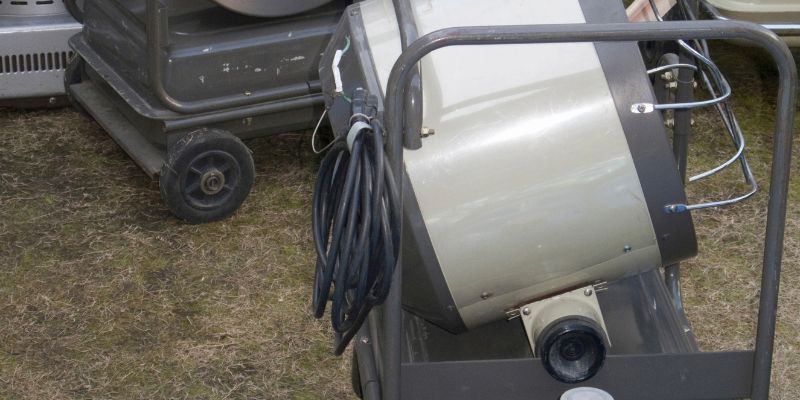
Choosing between a kerosene heater vs propane depends on your needs. Kerosene brings big heat for large spaces but needs more care. Propane is clean, easy, and great for indoors with ventilation. I love my propane heater for quick jobs, but kerosene saved me during a week-long outage. Try one in your garage or patio, and see what works! Share your heater stories in the comments—I’d love to hear them. Stay warm and cozy!
Frequently Asked Questions
Which Heater Is Safer Indoors?
Propane heaters are safer indoors with good ventilation. They produce fewer fumes than kerosene. Always use a carbon monoxide detector and keep a window open to stay safe.
How Much Does It Cost to Run Each Heater?
Kerosene costs $4-$6 per gallon, propane $2-$3. Kerosene heaters use more fuel, so propane is often cheaper long-term for small spaces.
Can I Store Kerosene or Propane Long-Term?
Propane lasts forever in sealed tanks. Kerosene lasts years if stored in airtight cans. Keep both outside to avoid leaks or fumes.
Which Heater Is Better for a Garage?
Kerosene heaters warm large garages faster due to higher heat output. Propane is better for smaller, ventilated garages to avoid fumes.
Do I Need Special Maintenance for These Heaters?
Kerosene heaters need yearly wick cleaning. Propane heaters need little maintenance—just check the tank and hose for leaks.
Can I Use Diesel in a Kerosene Heater?
No, diesel can smoke and clog wicks. Use K-1 kerosene for clean burning and to keep your heater working well.
Which Heater Is Best for Emergencies?
Propane heaters are easier to set up and find fuel for during emergencies. Kerosene is great if you have fuel stored and need high heat.