Are Diesel Heaters Bad for You: Unveiling the Truth
Have you ever found yourself shivering in the cold, wishing for a quick and efficient way to warm up your space? Diesel heaters might just be the solution you’ve been looking for.
But before you rush out to buy one, you might wonder: are diesel heaters bad for you? This question is more important than ever, especially when it comes to your health and safety. We’ll explore the potential risks and benefits of diesel heaters, breaking down complex information into simple, digestible insights just for you.
You’ll discover what you need to know to make an informed decision, ensuring your comfort without compromising your wellbeing. Keep reading to uncover the truth about diesel heaters and how they might impact your life.
Health Risks Of Diesel Heaters
Diesel heaters release harmful fumes into the air. These fumes contain toxic gases like carbon monoxide. Breathing these gases can be dangerous for health. It is important to have proper ventilation. Ventilation helps keep the air clean and safe.
Poor air quality affects everyone’s health. Diesel heaters can make the air dirty. This happens because they produce smoke and soot. Clean air is important for living well. Keep windows open to let fresh air in. This helps reduce air pollution indoors.
Breathing dirty air can cause breathing problems. People with asthma may feel worse. Diesel heaters can make it hard to breathe. They can lead to coughs and sore throats. Children and elders are more at risk. Always ensure good air circulation.
Environmental Implications
Diesel heaters produce smoke and gases. These can be harmful. The air gets dirty. People can breathe in bad air. This is not good for health. Plants and animals can be affected too. The earth gets warmer.
Diesel heaters use fossil fuels. These make carbon dioxide. Carbon dioxide is a bad gas. It goes into the air. Too much carbon dioxide makes earth hotter. Trees help clean the air. But heaters make it hard for trees.
Safety Considerations
Diesel heaters can be safe if used right. Fire hazards are a real danger. They can cause fires if not checked. Always keep the heater clean. Dirt and dust can be a risk. Use the heater away from flammable items. Proper ventilation is a must. It helps reduce fire risks. Never leave the heater on when you sleep or leave home. Safety first is important for everyone.
Installing a diesel heater needs care. Follow the manual closely. Use the right tools and parts. Check all connections tightly. Loose parts can be risky. Make sure the exhaust pipe is clear. A blocked pipe is dangerous. Test the heater after installation. Check for leaks or strange smells. If unsure, ask an expert to help. Safety matters more than anything.

Credit: www.youtube.com
Efficiency And Performance
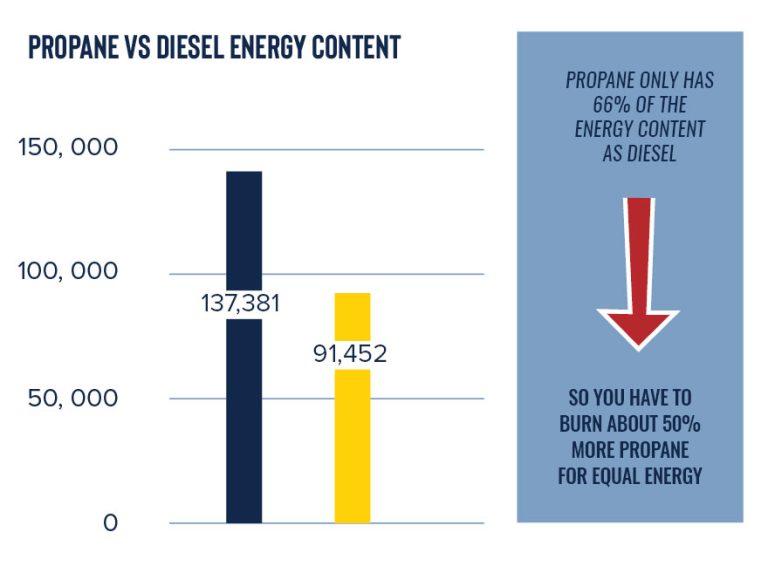
Diesel heaters use fuel to make warm air. They are great for saving energy. Many people like them because they do not use much power. This means lower bills for you. These heaters are also very strong. They last a long time without breaking. People say they are very efficient. This makes them a good choice for many homes.
Diesel heaters make a lot of heat. They warm up the room fast. This is why people love them in cold places. The heaters keep the room cozy. High heat output means you stay warm longer. Many people trust diesel heaters for their strong heat. They are a popular choice for many families.
Alternatives To Diesel Heaters
Electric heaters are a safe choice. They use electricity to create heat. No fuel or flame is needed. This makes them clean and easy to use. Electric heaters come in many sizes. Some are small enough for a single room. Others can heat a whole house. The key benefit is their efficiency. They convert most electricity into heat. This means less waste.
Another advantage is the ability to adjust temperature. This feature allows for more control. Electric heaters can be more expensive to run. Yet, they are quiet and require little maintenance. Perfect for those who want a simple solution.
Wood-burning stoves offer a cozy warmth. They use logs or wood pellets for fuel. Many people love the natural heat they provide. The crackling sound of burning wood is soothing. These stoves can heat large spaces. They are often used in rural areas.
Wood is a renewable resource. This makes wood-burning stoves an eco-friendly choice. They require regular cleaning to remove ash. Installing a chimney is necessary for safety. Maintenance is essential for efficiency. A great option for those who enjoy traditional warmth.
Credit: www.vevor.com
Regulations And Standards
Diesel heaters must follow strict emission standards. These standards keep our air clean. They limit harmful gases. Carbon monoxide and nitrogen oxides are controlled. Laws make sure heaters meet these rules. This helps protect our health.
Safety is very important with diesel heaters. They need safety certifications. These certificates show the heater is safe. It passed many tests. Fire safety and leak protection are tested. Proper certification means safer use at home.
Frequently Asked Questions
Are Diesel Heaters Safe Indoors?
Diesel heaters can be safe indoors with proper ventilation. They emit fumes that need to be exhausted outside. Ensure regular maintenance to avoid carbon monoxide risks. Use certified models to minimize hazards. Follow manufacturer guidelines for safe installation and operation.
Do Diesel Heaters Produce Harmful Emissions?
Diesel heaters emit carbon monoxide and nitrogen oxides. Proper ventilation reduces exposure. Modern heaters are designed to minimize emissions. Regular maintenance is crucial for efficiency and safety. Choose eco-friendly models to lessen environmental impact.
Can Diesel Heater Fumes Cause Health Issues?
Prolonged exposure to diesel fumes can cause respiratory problems. Symptoms include headaches, dizziness, and nausea. Ensure adequate ventilation to mitigate risks. Regularly check for leaks and maintain the heater. Follow safety guidelines to protect your health.
How Often Should Diesel Heaters Be Serviced?
Diesel heaters should be serviced annually for optimal performance. Regular checks prevent malfunctions and ensure safety. Inspect for leaks and clean components. Professional servicing is recommended for thorough maintenance. Follow manufacturer instructions for specific maintenance needs.
Conclusion
Diesel heaters have pros and cons. They provide warmth in cold weather. But, they emit fumes that might be harmful. Proper ventilation reduces risks. Some people prefer electric heaters instead. They are cleaner but might cost more. Diesel heaters are affordable and efficient.
Consider your needs and budget. Always prioritize safety and health. Regular maintenance ensures better performance. Know your heater before purchase. Understand its impact on your environment. Make informed decisions for your space. Choose wisely for comfort and safety.