Are Diesel Heaters Safe in Campervans: Essential Guide
Yes, diesel heaters can be very safe in campervans when installed and operated correctly. Proper ventilation, regular maintenance, and understanding their workings are key to ensuring a warm and secure mobile living space.
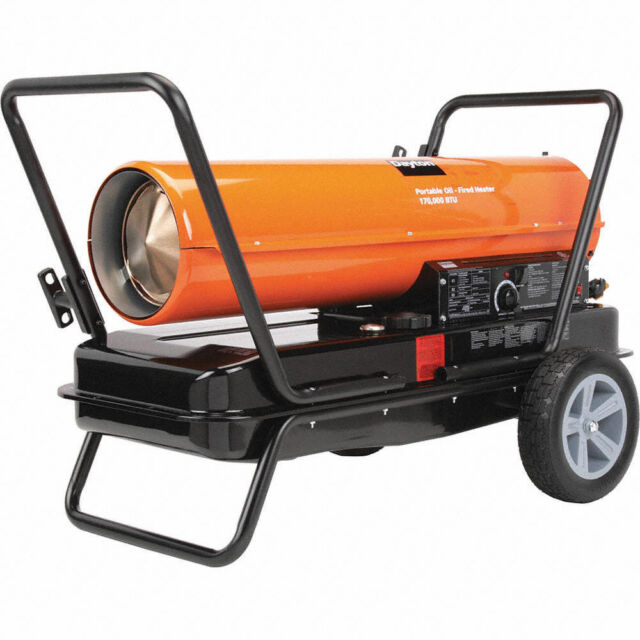
For the safety side of this topic, Are Diesel Torpedo Heaters Safe Indoors? gives readers a practical next check before using a heater.
For the safety side of this topic, Are Diesel Heaters Safe Indoors? Safety gives readers a practical next check before using a heater.
For the safety side of this topic, Are Diesel Heaters Safe in Campervans? gives readers a practical next check before using a heater.
Planning a cozy getaway in your campervan, no matter the season? A diesel heater can keep you wonderfully warm, but a common question pops up: are they safe? It’s completely natural to wonder about safety, especially when you’re relying on a fuel-burning appliance inside your home on wheels. We’re here to break it down, step-by-step, and show you just how safe and effective a diesel heater can be with the right knowledge. Let’s make sure your adventures are always comfortably warm and worry-free!
Understanding Diesel Heaters for Campervans
Diesel heaters are incredibly popular for campervans and motorhomes because they’re efficient and don’t rely on your vehicle’s engine or leisure battery to run for extended periods. They burn diesel fuel to create heat, much like a small furnace, and blow warm air into your living space. Think of them as a compact, self-contained heating system designed for off-grid living.
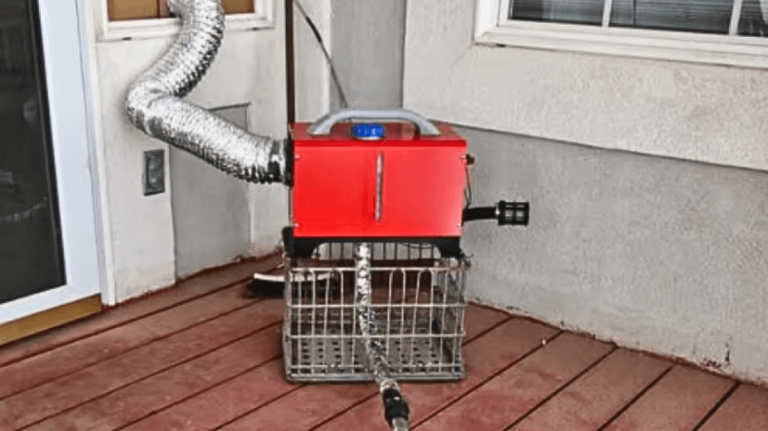
The magic behind a diesel heater is its combustion process. It draws in air from outside your campervan, mixes it with diesel fuel, and ignites it in a combustion chamber. This process generates hot exhaust gases, which are then vented safely outside your vehicle. At the same time, a separate fan draws in the air from inside your campervan, passes it over a heat exchanger that’s warmed by the hot exhaust gases, and blows the now-heated air back into your living space. This is why proper outside air intake and exhaust are so critical for safety.
How Diesel Heaters Work: The Simple Explanation
Let’s break down the process into simple steps:
- Fuel Intake: A small fuel pump draws diesel from your campervan’s fuel tank (or a separate tank) and sends it to the heater.
- Combustion: The fuel is sprayed into a glow plug, which ignites it within a sealed combustion chamber.
- Air Circulation: A fan pulls cool air from inside your campervan, passes it around the hot combustion chamber (through a heat exchanger), and then blows the warm air back into your van.
- Exhaust: The exhaust gases from the combustion are safely expelled outside your campervan through a dedicated exhaust pipe.
- Control: A simple control panel lets you set your desired temperature and fan speed.
Why the Safety Question Arises
The concern about safety typically stems from two main areas: internal combustion and the potential for carbon monoxide. Because diesel heaters burn fuel, there’s an inherent need for careful handling and installation. Any improperly sealed fuel lines could lead to leaks, and incomplete combustion or a poorly vented exhaust can lead to dangerous fumes, particularly carbon monoxide (CO) gas. Modern diesel heaters are designed with safety redundancies, but understanding these potential issues is the first step towards ensuring safe operation.

Key Safety Features of Modern Diesel Heaters
Today’s diesel heaters are engineered with safety as a top priority. Manufacturers understand the enclosed environment of a campervan and have built in several protective features:
- Sealed Combustion: Most modern diesel heaters use a sealed combustion system. This means the air required for burning the fuel is drawn from outside the vehicle, and the exhaust fumes are expelled outside. Your campervan’s living air is never mixed with the combustion gases produced by the heater.
- Overheat Protection: Built-in sensors monitor the heater’s temperature. If it gets too hot, the unit will automatically shut down to prevent damage or fire.
- Flameout Sensor: If the heater’s flame unexpectedly goes out, a sensor will detect this and shut the unit down, preventing unburnt fuel from accumulating and trying to re-ignite unsafely.
- Carbon Monoxide (CO) Monitoring: While the heater itself doesn’t always have a CO sensor, the design aims to minimize CO production. However, this is where external CO detectors become essential.
- Robust Construction: They are built to withstand vibrations and the general rigors of travel, using high-quality materials designed for consistent operation.
Essential Installation Considerations for Safety
For a diesel heater to be safe, it must be installed correctly. This isn’t a DIY job to skimp on. Proper installation ensures that all the safety features function as intended and that there are no hidden risks.
Professional Installation: Is it Worth It?
Honestly, yes. For most beginner campervan owners, professional installation is highly recommended. A qualified campervan technician or heating specialist will:
- Ensure all components are securely fastened.
- Correctly route and seal fuel lines to prevent any leaks.
- Properly install the air intake and exhaust pipes, ensuring they are adequately sealed and positioned away from any air intakes for your living space.
- Test the unit thoroughly after installation to verify its safe operation.
While it might seem like an extra cost, the peace of mind and the assurance of a safe installation are invaluable. They follow manufacturer guidelines and understand best practices specific to campervans.
DIY Installation: What to Know If You Go This Route
If you’re mechanically inclined and have experience with similar installations, a DIY approach is possible, but requires meticulous attention to detail and commitment to following instructions exactly. Here are critical Do’s and Don’ts:
Do’s for DIY Installation:
- Read the Manual Twice: Seriously, read the manufacturer’s installation manual from cover to cover.
- Use Quality Parts: Never skimp on fittings, pipes, or sealants. Use parts designed and recommended for diesel heaters.
- Ensure Proper Sealing: All external pipes (air intake and exhaust) must be perfectly sealed to the van’s body to prevent exhaust fumes from entering the cabin.
- Secure All Components: The heater unit, fuel lines, and exhaust pipe must be vibration-proof and securely mounted.
- Position the Exhaust Properly: The exhaust must exit well away from any windows, doors, or vents that could allow fumes back into the campervan. Check manufacturer guidelines for minimum clearances.
- Install a CO Detector: Fit a reputable, battery-operated carbon monoxide detector inside your campervan, and test it regularly.
Don’ts for DIY Installation:
- Don’t Cut Corners on Sealing: A tiny gap can let dangerous fumes in.
- Don’t Run Exhaust Near Air Intakes: This is a major safety hazard.
- Don’t Use Incompatible Fuel Lines: Standard automotive fuel hoses might not be suitable.
- Don’t Mount Near Flammable Materials: Keep the heater away from curtains, fabrics, or easily ignitable items.
- Don’t Ignore Manufacturer Specs: If the manual says a pipe needs to be 10cm from the body, make it 10cm.
Ventilation: The Unsung Hero of Campervan Heating Safety
Even with proper installation, ventilation is absolutely crucial for any fuel-burning appliance in an enclosed space. Diesel heaters should have a dedicated air intake that draws fresh air from outside for combustion, and their exhaust gases must be expelled externally.
While the heater circulates air within your van for heating, it’s wise to also ensure some general fresh air exchange. This helps to reduce humidity and ensures that even in the extremely unlikely event of a minor fume leak, the concentration of any harmful gases remains low. Some users slightly crack a window or roof vent, especially when running the heater for extended periods overnight.
Operating Your Diesel Heater Safely
Installation is only half the battle; safe operation is paramount. Here’s how to use your diesel heater with confidence:
Routine Checks Before and During Use
Make it a habit to perform these checks whenever you plan to use your heater:
- Visual Inspection: Before turning it on, quickly glance around the heater and its external pipes. Look for any obvious signs of damage, loose connections, or signs of leaks.
- Exhaust Check: Ensure the exhaust pipe is clear of debris (mud, snow, leaves) and hasn’t been damaged during driving.
- Smell Test: When you first turn it on, and periodically while it’s running, pay attention to any unusual smells. A slight “new heater” smell is normal, but any strong diesel odor or burning smell warrants turning it off and investigating.
- CO Detector: Ensure your carbon monoxide detector is functioning. Test its battery and alarm regularly.
Understanding and Responding to Alarms and Shut-offs
Modern diesel heaters are smart. If something isn’t right, they’ll often shut themselves down and may display an error code on the control panel. Don’t ignore these.
- Consult Your Manual: Each heater has a manual that explains error codes. Look up the code to understand what the heater is telling you (e.g., low voltage, overheating, flameout).
- Troubleshoot (Cautiously): Some issues are simple, like a low battery voltage or minor blockage. Others might require professional attention.
- If in Doubt, Turn it Off: If you can’t easily identify and fix the issue, or if you’re concerned about safety, turn the heater off.
What to Do in Case of a Malfunction or Suspected Leak
Immediate action is key:
- Turn Off the Heater: Immediately switch off the power to the heater at its control panel.
- Ventilate the Van: Open all windows and doors immediately to air out the cabin.
- Evacuate if Necessary: If you smell significant fumes or suspect a serious problem, leave the campervan quickly.
- Do Not Re-operate: Do not attempt to use the heater again until the issue has been diagnosed and fixed by a qualified professional.
- Check Your CO Detector: Ensure it is working correctly and didn’t falsely alarm.
Carbon Monoxide (CO): The Invisible Danger
Carbon monoxide is a colorless, odorless, and tasteless gas produced by the incomplete burning of carbon-based fuels. It is highly poisonous. This is why it’s the biggest concern with any fuel-burning appliance within an enclosed space. As mentioned, diesel heaters are designed to minimize CO by ensuring complete combustion and proper external venting, but the risk, however small with a properly functioning unit, is why vigilance is essential.
The Importance of CO Detectors
A carbon monoxide detector is not an optional extra; it is a non-negotiable safety device for campervans with diesel heaters. Think of it as your invisible guardian.
- Choose a Reputable Brand: Look for detectors specifically designed for RVs or boats, as they are often tested for vibration and varying conditions. Popular brands include Kidde, First Alert, and Nest Protect.
- Placement is Key: Install your CO detector in or near your sleeping area, away from the direct exhaust of the heater, but close enough to detect any potential fume leaks. Follow the manufacturer’s recommended placement.
- Battery-Powered is Best: Opt for battery-operated models so they function even when your campervan’s main power is off. Ensure the batteries are checked and replaced regularly. Some models are hardwired but have battery backup.
- Test Regularly: Test your CO detector at least monthly using its test button.
Understanding CO Symptoms
Knowing the symptoms of CO poisoning can save lives. Mild symptoms can mimic the flu. If you or anyone in your campervan experiences any of the following, especially after running the heater, seek fresh air immediately and get medical attention:
- Headache
- Dizziness
- Nausea or Vomiting
- Fatigue or Weakness
- Confusion
- Chest Pain
Severe symptoms include: Loss of consciousness, seizures, and cardiac arrest.
The U.S. Fire Administration offers excellent resources on carbon monoxide safety for the public:
FEMA – U.S. Fire Administration: Carbon Monoxide Safety
Maintenance for Long-Term Safety
Regular maintenance is like giving your diesel heater a health check-up. It keeps it running efficiently and, more importantly, safely.
Scheduled Maintenance Tasks
Here’s what you should be looking at:
- Annual Servicing: If possible, have your diesel heater professionally serviced once a year. This involves cleaning out the combustion chamber, checking the glow plug, inspecting fuel lines, and testing the overall system.
- Clean the Air Filter: Most units have an air intake filter that can become clogged with dust and debris. Check and clean (or replace) this filter regularly, especially after dusty trips.
- Check the Exhaust and Air Intake Pipes: Periodically clean any soot or debris that might build up around the external pipes. Ensure they remain securely attached and free from damage.
- Inspect Fuel Lines: Look for any cracks, kinks, or signs of wear on the fuel lines.
- Test the Glow Plug: This is usually part of a professional service, but it’s a key component for starting the heater safely.
Troubleshooting Common Minor Issues
Some minor issues can be addressed before they become big problems:
- Difficulty Starting: Could be a glow plug issue, low battery voltage, or fuel supply problem.
- Uneven Heating: May indicate a clogged air filter or a fan issue.
- Slight Smells: A faint new-heater smell initially is normal. Persistent or strong diesel smells (other than the initial startup exhaust) usually point to a leak or incomplete combustion, requiring immediate attention.
Resources for troubleshooting complex issues can often be found on manufacturer websites or dedicated campervan forums. For instance, understanding how a particular model’s error codes are explained by specialists can be very helpful for spotting potential problems.
Diesel Heaters vs. Other Campervan Heating Options
It’s helpful to see how diesel heaters stack up against other popular heating solutions in the campervan world.
Pros and Cons of Diesel Heaters
| Pros | Cons |
|---|---|
| Fuel Efficiency: Excellent. Uses very little diesel. | Installation Cost: Can be higher than some alternatives. |
| Power Consumption: Low power draw from leisure battery, ideal for off-grid. | Noise: Can be audible, especially when starting up or running at high power (‘fan noise’). |
| Heat Output: Powerful and quick to heat a space. Good for cold climates. | Maintenance: Requires regular checks and occasional servicing. |
| Independent Operation: Doesn’t run your vehicle engine or use large amounts of battery. | Potential Safety Concerns: Requires careful installation and CO monitoring. |
| Versatility: Can often be run while driving or parked. | Smell: A faint diesel smell can sometimes occur, especially during startup/shutdown. |
Other Popular Heating Systems
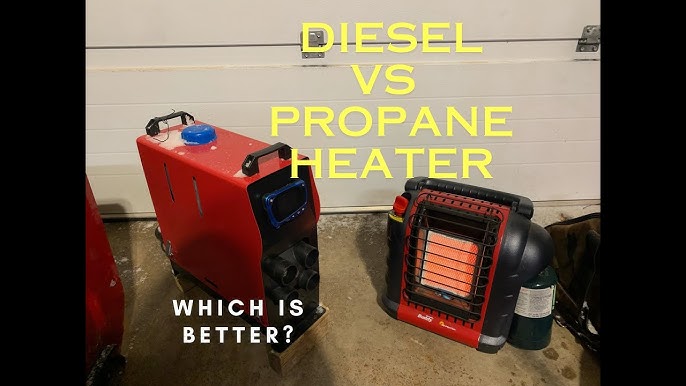
- Propane/LPG Heaters: These run on bottled gas (LPG). They provide good heat and are a common, reliable option. However, they use up gas faster than diesel heaters use fuel and require adequate ventilation due to gas combustion. Safety concerns often revolve around gas leaks.
- Electric Heaters: Easy to use and quiet, but they consume a large amount of power, making them impractical for extended off-grid use without a significant shore power hook-up or solar setup. Safety risks include overheating if placed too close to flammable materials.
- Propex Heaters: These are a well-known brand of propane heaters, very popular in the UK and Europe. They are generally considered safe and reliable when installed correctly.
The choice depends on your travel style, power availability, and comfort with different fuel types. However, the efficiency and off-grid capability often make diesel heaters a top contender.

Frequently Asked Questions (FAQ)
Q1: Can I run a diesel heater overnight in my campervan?
A: Yes, under normal circumstances, many people run their diesel heaters overnight at low settings for continuous warmth. The key is to ensure it is installed correctly, all exhaust systems are functioning perfectly, and you have a working carbon monoxide detector with fresh batteries. It’s also wise to maintain some minimal ventilation, like cracking a vent slightly.
Q2: How much diesel do diesel heaters use?
A: Diesel heaters are very fuel-efficient. They typically consume between 0.1 to 0.5 liters of diesel per hour, depending on the model, heat output setting, and outside temperature. This makes them ideal for extended off-grid use.