Are Diesel Heaters Safe Indoors for Homes?
hen installed and used correctly, diesel heaters are generally safe for indoor use. Modern diesel heaters are designed with safety features to prevent carbon monoxide buildup and fires, but proper ventilation and adherence to manufacturer guidelines are crucial for guaranteed safety.
Are Diesel Heaters Safe Indoors? Proven Safety for Your Cozy Home
As the weather cools, finding the right way to keep your home warm and comfortable often tops the list. You might have heard about diesel heaters as an efficient option, perfect for garages, workshops, or even off-grid living spaces like RVs and sheds. But a big question looms: are diesel heaters safe to use indoors? It’s a sensible question, and one we’re here to answer clearly and simply. Many homeowners feel a bit uncertain about using fuel-burning appliances inside their living spaces. We understand that concern completely! You want warmth without worrying about safety. This guide will walk you through everything you need to know about diesel heater safety, proving they can be a wonderfully reliable heating solution when used properly. We’ll break down the key safety features, installation tips, and best practices to ensure your home stays warm and secure. Stick around, and you’ll feel much more confident about making the right choice for your heating needs.
Understanding Diesel Heaters and Indoor Safety
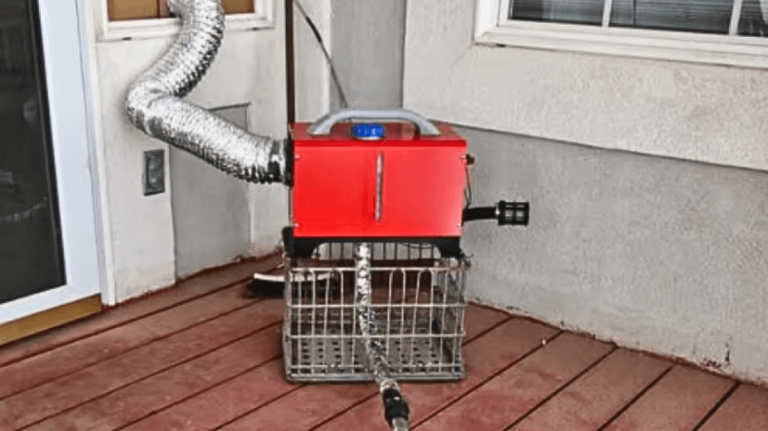
Diesel heaters, also known as “red diesel heaters” or “parking heaters” (immensely popular in Europe for vehicles but also adapted for static use), work by burning diesel fuel to produce heat. They typically have a combustion chamber where the fuel is ignited and sent through a heat exchanger. A fan then blows air across the hot surfaces of the heat exchanger, distributing warm air into the space. The exhaust gases are vented outside.
For indoor safety, several factors come into play:
- Combustion Process: The core of a diesel heater is its combustion process. Ideally, the fuel burns cleanly, producing primarily carbon dioxide and water vapor.
- Exhaust System: This is perhaps the MOST critical component for indoor safety. A properly functioning exhaust system directs all harmful byproducts of combustion, including carbon monoxide (CO), safely outside.
- Carbon Monoxide (CO): This is an invisible, odorless gas produced when fuels don’t burn completely. In enclosed spaces, CO can build up to dangerous levels very quickly, leading to serious health risks, including death.
- Fire Hazards: Like any heating appliance, a diesel heater has potential fire risks if not installed or operated correctly. These can include fuel leaks, overheating, or proximity to flammable materials.
So, to directly answer the question: Yes, diesel heaters can be safe indoors, but this safety is entirely dependent on their design, installation, and how they are operated. They are not a “set and forget” appliance without precautions.

The Proof is in the Design: How Diesel Heaters Achieve Safety
Modern diesel heaters are engineered with safety as a top priority. Here’s a look at the features that make them suitable for indoor environments when used as intended:
Sealed Combustion Chambers
Many reputable diesel heaters feature a sealed combustion system. This means the air used for burning the fuel is drawn from outside the living space, and the exhaust gases are expelled directly outside.
- Controlled Airflow: Air intake and exhaust ports are separate and sealed robustly.
- Gas Separation: This design prevents any potential combustion byproducts from leaking into the heated space. If there were any imperfections in the burn or a minor exhaust leak, the dangerous gases would still be directed outdoors.
Exhaust Venting: Your Lifeline to Safety
The exhaust system is paramount. For any diesel heater used indoors, a correctly installed and maintained exhaust vent is non-negotiable.
- External Venting: The exhaust pipe MUST run to the exterior of the building, RV, or vehicle.
- Secure Connections: All connections in the exhaust system must be sealed and secured to prevent leaks. Vibration can loosen fittings, so regular checks are vital.
- Clear Obstructions: Ensure the exterior vent outlet is clear of debris, snow, or anything that could block the escape of exhaust fumes.
Carbon Monoxide Detectors: The Essential Guardian
Even with the best design, accidents can happen, or systems can have subtle issues. This is why a carbon monoxide (CO) detector is an absolute must-have for any indoor space using a fuel-burning appliance.
- Early Warning: A CO detector will alert you immediately if dangerous levels of carbon monoxide are detected, giving you time to react.
- Placement: Install CO detectors according to the manufacturer’s instructions, typically on each level of your home and outside sleeping areas.
- Regular Testing: Test your CO detectors monthly and replace batteries as needed, or replace the unit entirely every 5-10 years as recommended. Think about it as your personal safety alarm system keeping watch.
Overheat Protection & Flameout Sensors
Reputable diesel heaters come equipped with internal safety mechanisms:
- Overheat Protection: This feature automatically shuts down the heater if it senses temperatures exceeding safe operating limits, preventing thermal runaway and potential fires.
- Flameout Sensors: These sensors monitor the combustion process. If the flame unexpectedly extinguishes (a “flameout”), the sensor detects this and shuts off the fuel supply, preventing unburned fuel from accumulating in the chamber.
Installation is Key: Ensuring Safe Indoor Use
Proper installation is arguably the most critical factor in determining whether your diesel heater is safe for indoor use. This isn’t a DIY project to rush or cut corners on. Professional installation is highly recommended for peace of mind.
Step-by-Step Installation Considerations (from a homeowner’s perspective):
Even if a professional is doing the work, understanding these steps helps you ensure it’s done right.
1. Selecting the Right Location
- Distance from Flammables: The heater unit must be installed at a safe distance from any combustible materials like fabric, paper, wood, or curtains. Fire safety regulations and manufacturer guidelines will specify clearance distances.
- Ventilation for the Room: While the heater’s combustion is sealed, it does consume oxygen. For larger or tightly sealed spaces, ensuring some minimal fresh air exchange in the room itself (e.g., a slightly ajar window, an air vent) is good practice. More importantly, the exhaust must go OUTSIDE.
- Mounting: The heater should be securely mounted to prevent tipping or movement.
2. Exhaust System Installation
This is where many safety issues arise if not done perfectly.
- Route Directly Outside: The exhaust silencer and pipe must be continuously routed to the exterior of the building, RV, or vehicle. No part of the exhaust should ever terminate within an enclosed space.
- Secure and Sealed: All joints and connections in the exhaust pipe must be gas-tight and securely fastened. High-temperature sealant may be required.
- Proper Length and Bends: Follow manufacturer guidelines for exhaust pipe length and the number of bends. Too long or too many bends can affect performance and potentially trap exhaust.
- Exterior Termination: The end of the exhaust pipe outside must be positioned safely away from air intakes, windows, doors, and walking paths to prevent fumes from re-entering or posing a hazard.
3. Fuel System Setup
- Fuel Tank: If your heater has its own tank, ensure it’s safely positioned and secured.
- Fuel Lines: Fuel lines must be inspected for leaks. If running fuel lines through compartments, ensure they are protected from damage and chafing.
- Fuel Type: Always use the correct fuel type specified by the manufacturer. For most “red diesel” heaters, this is diesel fuel.
4. Power Supply
Diesel heaters require electrical power to run their fans and ignition systems, typically from a 12V or 24V battery source.
- Adequate Wiring: Ensure wiring is correctly sized for the amperage draw of the heater to prevent overheating of wires.
- Secure Connections: All electrical connections should be secure and insulated.
Professional Installation Resources
For professional help, consider resources like:
- RV repair technicians (for camper vans and RVs)
- Marine mechanics (for boats)
- Specialized heating technicians or custom fabricators (for workshops, sheds, or unique installations)
Many manufacturers provide detailed installation manuals that technicians will follow. You can often find these manuals on the manufacturer’s website, serving as a good point of reference. For example, some popular brands recommend referencing guides that align with standards for HVAC installations. While specific codes vary, general principles from organizations like the National Fire Protection Association (NFPA) about safe heating appliance installation are universally applicable.
Everyday Use and Maintenance: Keeping Your Diesel Heater Safe
Once installed, safe operation and regular maintenance are crucial.
Safe Operating Practices
- Never Use for Drying Clothes or Materials: Do not hang wet clothes or place flammable materials directly near the heater or air vents.
- Monitor for Odors or Unusual Noises: If you notice any strange smells (like fuel or strong exhaust odors), unusual noises, or see smoke, turn the heater off immediately and investigate.
- Keep the Area Clear: Ensure the area around the heater remains clear of clutter, especially combustible items.
- Regularly Check Exhaust: Before each use, and periodically during extended use, visually inspect the exterior exhaust vent to ensure it is clear and unobstructed.
- Operate Ventilation: Even with sealed combustion, some oxygen is consumed by the heater. In very tightly sealed spaces, ensure there’s some passive ventilation or briefly air out the space occasionally.
- Don’t Tamper with Safety Features: Never attempt to bypass or disable any of the heater’s built-in safety mechanisms.
Essential Maintenance Schedule
Regular maintenance ensures your heater runs efficiently and safely.
| Task | Frequency | Why it’s Important |
|---|---|---|
| Visual inspection of exhaust system for leaks or damage. | Before each use and monthly. | Prevents dangerous exhaust fumes from entering the living space. |
| Clean the heater’s air intake and exhaust ports. | Monthly. | Ensures proper airflow for efficient combustion and prevents overheating. |
| Clean the combustion chamber and heat exchanger. | Annually or as per manufacturer’s recommendation. | Removes carbon buildup that can affect performance and safety. This is often a task for a qualified technician. |
| Inspect fuel lines and filter for leaks or clogs. | Quarterly. | Prevents fuel leaks (fire hazard) and ensures proper fuel delivery. |
| Test CO detector. | Monthly. | Ensures your primary safety warning system is functional. |
| Annual Service by a qualified technician. | Annually. | Thorough check of all components, decarbonization, calibration, and any necessary repairs. Highly recommended for long-term safety and reliability. |
This maintenance schedule is a general guideline. Always consult your specific heater’s manual for precise maintenance requirements. Some tasks are simple enough for a determined homeowner, while others, like deep cleaning the combustion chamber, are best left to professionals.
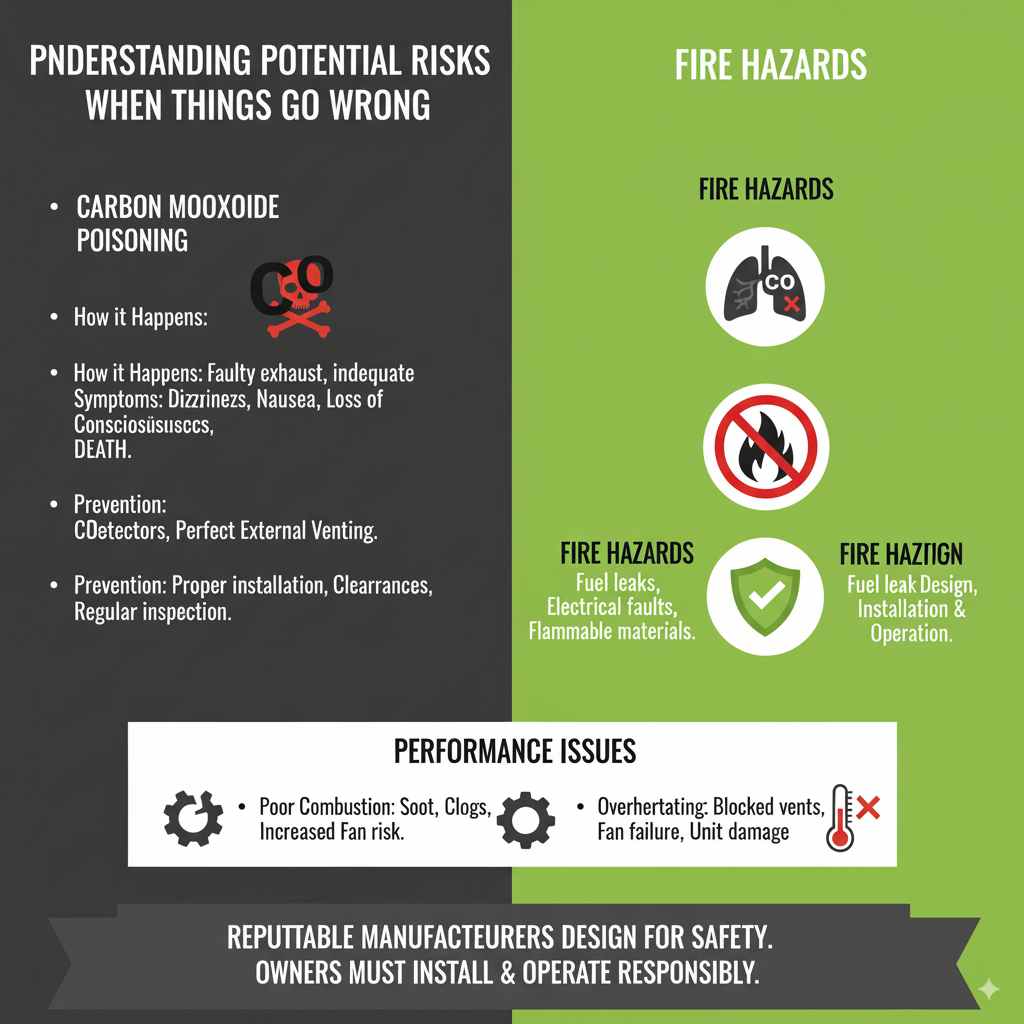
Understanding Potential Risks When Things Go Wrong
While diesel heaters can be safe, ignoring safety protocols can lead to significant risks.
Carbon Monoxide Poisoning
This is the most serious and immediate risk.
- How it Happens: Inadequate ventilation, a faulty exhaust system (leaks, blockages), operating in an unventilated space, or a malfunctioning heater can cause CO to build up.
- Symptoms: Early symptoms include headache, dizziness, nausea, fatigue, and confusion. At higher concentrations, it can lead to loss of consciousness and death.
- Prevention: Robust CO detectors and a perfectly functioning, externally vented exhaust are your primary defenses.
Fire Hazards
Diesel fuel is flammable, and heaters generate heat.
- How it Happens: Fuel leaks, electrical faults, direct contact with flammable materials, overheating, or improper installation can cause fires.
- Prevention: Proper installation with correct clearances, regular inspection of fuel lines and components, keeping the area around the heater clear, and ensuring the unit is functioning correctly are critical.
Performance Issues Leading to Safety Concerns
A poorly performing heater can become a safety issue.
- Poor Combustion: If the heater is not getting enough air or is clogged with carbon, it may produce more soot and less heat. This can also increase the risk of improper combustion and CO production.
- Overheating: Blocked air vents or fans that aren’t running properly can lead to the unit overheating, potentially triggering safety shutdowns or, in rare cases, causing damage.
It’s vital to remember that reputable manufacturers design these heaters to mitigate these risks inherently. The responsibility then falls on the owner to ensure they are installed and operated according to those designs and best practices.
Comparing Diesel Heaters to Other Indoor Heating Options
Let’s briefly compare diesel heaters to other common indoor heating methods from a safety perspective.
| Heating Type | Typical Indoor Safety Considerations | Pros for Safety | Cons for Safety |
|---|---|---|---|
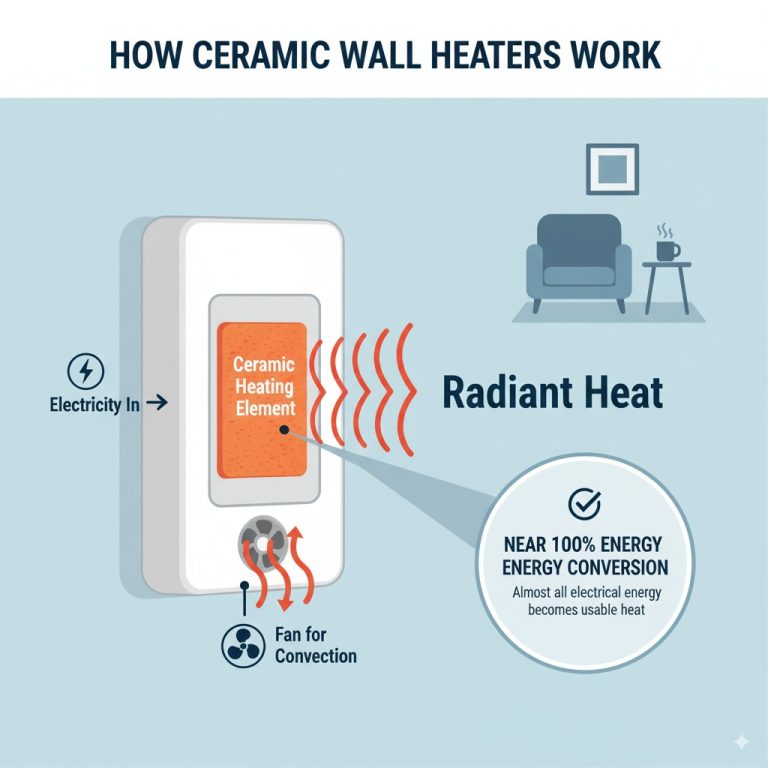
| Electric Heaters (Convection, Ceramic, Oil-Filled) | Electrical faults, fire risk if covered, tip-over switches are common safety features. No combustion byproducts. | No combustion byproducts (CO). Generally very safe if used correctly. Simple operation. | Can be slower to heat a large space. Require electricity. Risk of burns from hot surfaces. |
| Propane/Natural Gas Heaters (Vented) | Require proper venting for combustion byproducts (CO, CO2, moisture). Gas leaks are a fire and explosion risk. | Clean burning when vented properly. Relatively efficient. | Risk of gas leaks. CO risk if not vented correctly. Require fuel supply lines. |
| Wood-Burning Stoves/Fireplaces | Require professional chimney installation and regular cleaning to prevent fires and CO buildup. Ashes are a fire hazard. Can produce smoke and particulate matter. | Provides radiant heat. Can be a cozy ambiance. | Significant fire risk if not maintained. CO risk from smoke. Ash disposal hazard. Requires fuel handling. |
| Diesel Heaters (Properly Installed and Vented) | Primary risk is CO and fire from exhaust leaks or fuel system issues. Requires strict adherence to installation and maintenance. | Sealed combustion is a major safety feature for indoor air quality. Very efficient heat output. | EXHAUST VENTING IS CRITICAL. Fuel can be volatile if mishandled. Requires electrical power for fan/ignition. Can produce some odor if not running perfectly. |
As you can see, every heating method has safety considerations. The key with diesel heaters is that the primary combustion risks (CO and exhaust fumes) are handled by venting them outside, which is a well-understood engineering solution when implemented correctly.
Frequently Asked Questions About Diesel Heater Safety Indoors
Here are answers to some common questions beginners have:
- Q1: Can I run a diesel heater inside my tent or a very small shed overnight while sleeping?
- While diesel heaters are used in RVs and campervans for sleeping, doing so in a tent or small structure requires extreme caution. Ensure the exhaust is flawlessly routed outside and there is ample, consistent fresh air. Operating a CO detector is absolutely mandatory. Due to the increased risk in such environments, many advise against it or recommend intermittent use with constant monitoring rather than continuous overnight operation without professional assessment of airflow and CO levels.
- Q2: How often should I get my diesel heater professionally serviced?
- An annual professional service is highly recommended for any diesel heater used regularly, especially for indoor applications. This ensures all safety features are functioning correctly, the combustion system is clean, and the exhaust is leak-free. Think of it like an annual check-up for your car’s safety systems.
- Q3: Can diesel heaters cause my home to smell like diesel?
- When operating correctly, a properly installed and maintained diesel heater should produce minimal to no odor inside the living space. Slight odors might be noticeable during startup or shutdown, or if there’s a minor fuel scent that quickly dissipates. Persistent or strong diesel smells usually indicate a problem, such as a fuel leak or an exhaust issue, which needs immediate attention for safety.
- Q4: What is considered “proper ventilation” for a diesel heater indoors?
- For the diesel heater itself, “proper ventilation” means the combustion air is drawn from outside and exhaust fumes are expelled completely outside via a sealed, robust exhaust system. For the living space heated by the unit (like a garage or RV), it generally means ensuring there’s some passive fresh air exchange, either through tiny gaps in the structure or a deliberate small vent, and always, always having a working CO detector.