Dimplex vs Cadet Baseboard Heater: Essential Comparison
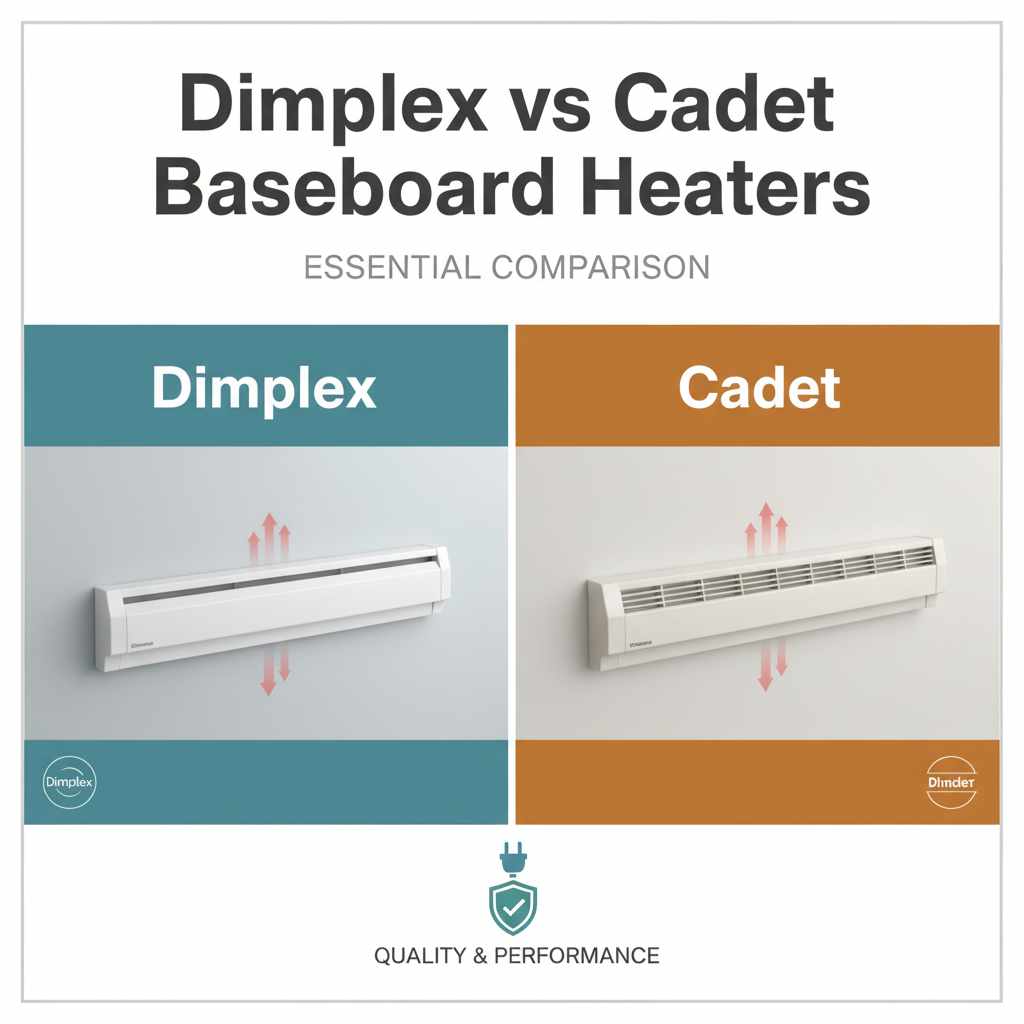
Dimplex vs Cadet Baseboard Heaters: Essential Comparison
Choosing between Dimplex and Cadet baseboard heaters? Both offer reliable, efficient warmth. Dimplex often leads in advanced features and quieter operation, while Cadet is known for durability and straightforward installation. Your best choice depends on your budget, specific heating needs, and desired smart home integration.
Keeping your home toasty warm, especially during chilly months, is a top priority. When it comes to picking the right baseboard heater, two big names often pop up: Dimplex and Cadet. It can feel a little overwhelming with so many models and features to consider. But don’t worry! I’m here to guide you through it, making the choice as simple and clear as possible. We’ll look at what makes each brand special, so you can pick the heater that’s perfect for your cozy haven. Let’s find the best fit for your comfort and peace of mind!
Understanding Baseboard Heaters: Your Warmth, Simplified
Baseboard heaters are a popular choice for supplemental and primary heating in many homes. They’re electric heaters mounted low on walls, typically beneath windows, called baseboard units because they often mimic the appearance of a home’s baseboard trim. They work by drawing in cooler room air through vents at the bottom, warming it with an electric element, and then releasing the heated air back into the room. This natural convection process gently circulates warm air throughout the space, creating a comfortable environment.
Why are they so common? They offer a zoned heating solution, meaning you can heat individual rooms according to need. This is fantastic for saving energy – no need to heat an empty room! Plus, they are electric, which means no messy fuel storage or complicated venting systems are usually required, making installation straightforward for many homeowners. Safety is also a key factor; the heating elements are typically enclosed, reducing the risk of accidental burns compared to space heaters.
Dimplex Baseboard Heaters: Innovation and Quiet Comfort
Dimplex is a brand that often emphasizes technological advancements and user experience. When you think of Dimplex, imagine heating solutions designed to be both effective and unobtrusive. They’ve been around for a long time, building a reputation for quality and innovation in electric heating. Many Dimplex models are designed with efficiency and ease of use in mind, often incorporating features that make them stand out.
Key Features and Benefits of Dimplex
- Quiet Operation: Dimplex often excels in creating heaters that operate very quietly. This is a huge plus for bedrooms, living rooms, or any area where you prefer minimal noise. They achieve this through thoughtful design and often using unique elements that heat up and cool down without much sound.
- Advanced Thermostats: Many Dimplex units come with or support advanced, built-in thermostats that offer precise temperature control. Some models even feature Smart Home integration, allowing you to control them via Wi-Fi or voice commands through smart home hubs, which is great for convenience and energy saving.
- Durable Construction: While focusing on innovation, Dimplex doesn’t skimp on build quality. Their heaters are generally made with robust materials designed to last, ensuring you get reliable heat year after year.
- Sleek Design Options: Dimplex heaters often feature a more modern and aesthetically pleasing design compared to some traditional models. This can be important if you want your heating solutions to blend seamlessly with your home’s decor.
- Safety First: Like all reputable heater manufacturers, Dimplex incorporates safety features such as thermal cut-offs to prevent overheating and rounded edges to minimize injury risks.
Potential Downsides of Dimplex
- Price Point: Due to their advanced features and innovative technology, Dimplex heaters can sometimes be on the higher end of the price spectrum compared to more basic models.
- Complexity of Smart Features: While smart features are a big benefit, they can sometimes add a layer of complexity for users who aren’t tech-savvy. Initial setup might require a bit more effort.

Cadet Baseboard Heaters: Proven Durability and Simplicity
Cadet is another long-standing and respected name in the home heating industry. Their focus is often on robust, no-nonsense heating solutions that are built to last and are incredibly easy to operate. If you’re looking for a dependable workhorse that gets the job done without fuss, Cadet is a brand you’ll want to consider. They are known for producing heaters that are sturdy, reliable, and offer straightforward performance.
Key Features and Benefits of Cadet
- Robust Durability: Cadet heaters are legendary for their toughness. They are built with heavy-gauge steel and robust internal components, making them very resistant to wear and tear. They are a great choice for high-traffic areas or places where a heater might experience more bumps and knocks.
- Simple Installation: Many homeowners and installers appreciate Cadet for its straightforward installation process. If you’re a DIY enthusiast, you’ll likely find Cadet heaters easy to wire and mount correctly, saving on professional installation costs. For guidance on electrical work, it’s always wise to consult resources like those from the Consumer Product Safety Commission, which offers valuable tips on electrical safety in the home.
- Energy Efficiency: While basic in design, Cadet heaters are still very efficient at converting electricity into heat. Their effective convection design ensures that rooms heat up evenly.
- Cost-Effectiveness: Generally, Cadet baseboard heaters are more affordably priced than many high-end, feature-rich models. This makes them an excellent option for budget-conscious homeowners or for heating multiple rooms without a huge investment.
- Reliable Performance: When it comes to consistent heating performance, Cadet heaters are trusted. They deliver steady warmth that you can count on, day in and day out.
Potential Downsides of Cadet
- Basic Features: Cadet models tend to be simpler in their feature set. You won’t typically find integrated smart home technology or advanced programmable thermostats on their standard models.
- Noise Level: Some users report that Cadet heaters can be a bit noisier than some competitors, particularly as they heat up and cool down. This is a common characteristic of many convection heaters, but some other brands have worked harder to minimize it.
- Aesthetics: While functional, Cadet heaters might be perceived as less stylish or modern in appearance compared to some of the sleeker designs offered by brands like Dimplex.
Dimplex vs Cadet: A Feature-by-Feature Comparison
To help make your decision even clearer, let’s break down how Dimplex and Cadet compare across some key aspects homeowners care about. This table will give you a quick overview.
| Feature | Dimplex | Cadet |
|---|---|---|
| Durability & Build Quality | High quality, designed for longevity. | Exceptional, often considered industry-leading for toughness. Heavy-gauge steel. |
| Noise Level | Generally quieter, with designs minimizing operational sounds. | Can be noticeable, with some clicking/popping sounds during heating/cooling cycles. |
| Advanced Features | Often includes smart/Wi-Fi connectivity, advanced thermostats, unique heating elements. | Primarily focused on core heating function, fewer advanced tech features. |
| Thermostat Options | Wide range, including built-in digital, programmable, and Wi-Fi enabled. | Typically uses basic manual thermostats or compatible with external wall thermostats. |
| Installation Ease | Straightforward, comparable to most electric baseboards. | Renowned for very simple, user-friendly installation. |
| Aesthetics & Design | Often more modern, sleeker profiles available. | Functional and classic design, may appear more utilitarian. |
| Price Point | Mid to high range, especially for models with advanced features. | Generally more budget-friendly, offering great value. |
| Warranty | Typically 1-5 years depending on the model. | Often offers longer warranties on some models (e.g., 5-10 years) due to robust build. |
Choosing the Right Heater for Your Needs
With the comparison laid out, how do you pick the best one for your home? It really comes down to your priorities:
When to Choose Dimplex:
- You value quiet operation: If the sound of a heater is a concern, Dimplex’s quieter models might be your best bet.
- You want smart home integration: If you’re building a smart home and want your heating to be part of it, Dimplex’s Wi-Fi enabled options are ideal.
- Modern aesthetics are important: If you want a heater that looks good and blends well with contemporary decor.
- Precise temperature control is a must: For those who like to fine-tune their room temperature with advanced thermostats.
When to Choose Cadet:
- You need extreme durability: For areas that might see more use or potential impact, Cadet’s rugged build is a clear advantage.
- Budget is a primary concern: Cadet offers excellent heating performance at a very competitive price.
- Simplicity and ease of installation are key: If you’re a DIYer or prefer the most straightforward heating solutions available.
- You prefer a proven, no-frills performer: If you just want reliable, effective heat without extra bells and whistles.
Installation Basics: Getting Your Heater Ready
No matter which brand you choose, installing a baseboard heater is usually a manageable DIY project for those comfortable with basic electrical work. Safety should always be your first concern.
Essential Steps for Installation (General Guide):
Always consult your heater’s manual and local electrical codes for specific instructions. If you are unsure about any part of the electrical work, hire a qualified electrician.
- Turn Off Power: Locate the circuit breaker that controls the area where you’ll be installing the heater and switch it OFF. Double-check with a voltage tester to ensure the power is completely off.
- Mount the Bracket: Most heaters come with wall brackets. Position these according to the manufacturer’s instructions, ensuring they are level and securely attached to wall studs if possible for maximum support.
- Position the Heater: Carefully hang the heater onto the mounted bracket.
- Connect Wiring: This is where it gets technical. You’ll typically need to remove the junction box cover on the heater and connect the house wiring to the heater’s wires using wire nuts. Match the wire colors (black to black, white to white, and ground to ground).
- Install Thermostat (if separate): If your heater doesn’t have a built-in thermostat, you’ll need to wire it to an external wall thermostat. Follow the thermostat’s specific wiring diagram.
- Secure and Cover: Neatly tuck the wires back into the junction box, replace the cover, and ensure the heater is securely in place.
- Restore Power and Test: Once everything is securely installed and covered, turn the circuit breaker back ON. Test the heater by setting the thermostat to a warm setting and listening/feeling for it to activate and begin heating.
Tools You Might Need:
- Screwdriver set (Phillips and flathead)
- Wire strippers
- Wire nuts
- Voltage tester
- Level
- Pliers
- Drill (for pilot holes, if needed)
- Safety glasses and gloves
For a deeper dive into electrical safety and home wiring, resources like This Old House’s electrical section offer helpful, jargon-free advice that can build your confidence.
Maximizing Efficiency and Longevity
Once your baseboard heater is installed, you’ll want to make the most of it. Here’s how to keep it running efficiently and ensure it lasts for years:
Tips for Efficient Heating:
- Use Thermostats Wisely: Programmable or smart thermostats allow you to set lower temperatures when you’re sleeping or away, saving significant energy. For manual thermostats, remember to adjust them when you leave the room for an extended period.
- Regular Cleaning: Dust and debris can accumulate inside the heater, reducing its efficiency and potentially becoming a fire hazard. Periodically (at least once a year, or more often in dusty environments), turn off the power and use a vacuum cleaner with a brush attachment to gently clean the fins and interior.
- Avoid Obstructions: Never place furniture, curtains, rugs, or other items directly in front of or on top of your baseboard heater. These items can block airflow, preventing warm air from circulating and potentially causing the heater to overheat. The National Fire Protection Association (NFPA) strongly advises maintaining clear space around heating equipment for safety.
- Seal Drafts: Baseboard heaters work best in well-sealed rooms. Check for drafts around windows and doors and seal them with weatherstripping or caulk to prevent warm air from escaping and cold air from entering.
- Zone Heating: Take advantage of baseboard heaters’ ability to heat individual rooms. Only heat the occupied spaces to save energy and money.
Maintaining Your Heater:
- Annual Inspection: Besides cleaning, visually inspect the heater and its surrounding area for any signs of damage, such as frayed wires or bent fins. If you notice anything concerning, have it inspected by a professional.
- Thermostat Check: Ensure your thermostat (whether built-in or external) is accurately reading the room temperature and responding correctly.
- Professional Servicing: While baseboard heaters are generally low-maintenance, having a professional inspect them every few years can catch minor issues before they become major problems.

Frequently Asked Questions (FAQ)
Q1: Are Dimplex and Cadet baseboard heaters safe?
Yes, both Dimplex and Cadet baseboard heaters are designed with safety as a top priority. They feature enclosed heating elements and safety thermal cut-offs to prevent overheating. Always ensure they are installed correctly and that nothing is obstructing them, as recommended by safety guidelines like those from the NFPA.
Q2: Which type of baseboard heater is more energy-efficient?
Both brands offer energy-efficient electric heating. Efficiency in electric resistance heating (like baseboard heaters) is primarily about how well the heater converts electricity to heat, which is very close to 100% for all models. The key to energy savings lies more in how you control the heater: smart thermostats, programming, and only heating occupied rooms can significantly reduce your energy consumption regardless of brand.
Q3: Can I use a smart thermostat with any Cadet heater?
Many Cadet heaters are designed to be compatible with external wall thermostats, including smart thermostats. You’ll need to check the specific model’s specifications or manual to confirm compatibility. Dimplex, however, often offers models with integrated smart or Wi-Fi capabilities built right in.
Q4: How often should I clean my baseboard heater?
It’s recommended to clean your baseboard heater at least once a year, preferably before the heating season begins. During periods of heavy use, especially in dusty environments, you might need to clean them more frequently, perhaps every few months.
Q5: Are Dimplex heaters quieter than Cadet heaters?
Generally, yes. Dimplex often focuses on minimizing operational noise, making their units a good choice for bedrooms or living areas where quiet is preferred. Cadet heaters are functional and reliable but can sometimes produce more audible expansion and contraction sounds as they heat and cool.
Q6: Can I install a baseboard heater myself?
For those with basic electrical knowledge and the right tools, installing a baseboard heater can be a DIY project. However, electrical work can be dangerous if not done correctly. Always consult your heater’s manual and local electrical codes. If you have any doubts, it’s safest to hire a qualified electrician. Resources like the Consumer Product Safety Commission provide valuable electrical safety information.
Conclusion
Choosing between Dimplex and Cadet baseboard heaters boils down to your personal priorities. Dimplex offers a compelling package of advanced features, quiet operation, and modern aesthetics, making them ideal for tech-savvy homeowners who value a sleek and integrated heating experience. On the other hand, Cadet stands out with its unparalleled durability, straightforward simplicity, and excellent value, making it a trusted choice for those who need robust, no-fuss heating that’s built to last. Whichever brand you lean towards, understanding their strengths will empower you to select the perfect baseboard heater to keep your home warm, comfortable, and safe throughout the cold seasons. Making an informed choice ensures you invest in a heating solution that meets your needs and brings you peace of mind for years to come.