Do Portable Heaters for Old Hot Tubs Exist? Essential Guide
While a dedicated “portable heater for an old hot tub” as a standalone unit isn’t common, you can effectively heat an older or non-functioning hot tub using portable electric spa heaters or by adapting a standard portable heater with specific safety measures. This guide will show you how!
Is your beloved old hot tub feeling more like a chilly pond than a cozy oasis? You’re not alone! Many homeowners face the common frustration of a hot tub that’s lost its heating power, or perhaps you have a classic model with an outdated system. The good news is, you don’t have to give up on enjoying warm, relaxing soaks. We’re here to help you navigate the world of portable heating solutions. This guide will walk you through your options, explain what’s possible, and show you how to get your old hot tub back to its delightful warmth safely and easily.
Understanding Your Old Hot Tub’s Heating Needs
Before we dive into portable solutions, it’s good to understand why your old hot tub might need a little extra help. Older hot tubs often have less efficient insulation, or their original heating elements might be nearing the end of their lifespan. Sometimes, the internal heater pack might have failed entirely, leaving you with a beautiful but cold acrylic shell. The goal with a portable heater is to add external heat to the water, bypassing or supplementing the tub’s original, potentially unreliable, system.

Do They Make Portable Heaters for an Old Hot Tub? The Reality
This is the big question, isn’t it? The direct answer is a bit nuanced. You won’t typically find a heater explicitly labeled as a “portable hot tub heater for old models” in the same way you find portable space heaters. However, this doesn’t mean you’re out of luck. What you can find and use are specialized portable electric spa heaters designed to be submerged or placed near the water, or in some cases, carefully adapted standard portable heaters. The key is to focus on units designed for water heating and safety around moisture and electricity, which is paramount.
Option 1: Dedicated Portable Electric Spa Heaters
These are your golden ticket for safely and effectively heating an older hot tub. They are specifically designed to be used with spa and hot tub water. Think of them as self-contained units that do the heating for you.
How They Work
Portable electric spa heaters usually consist of a heating element enclosed in a waterproof casing, connected to a pump that circulates the water through the heater. Some models are designed to be placed directly in the water, while others are designed to be plumbed into the hot tub’s existing plumbing system, working alongside or in place of the original heater element.
Key Features to Look For:
- Power Output (Kw): Higher wattage means faster heating. For a typical hot tub, you’ll want at least 5kW (5000 watts).
- Thermostat Control: Essential for setting and maintaining your desired temperature.
- Automatic Shut-off: For safety, ensuring the heater turns off if it overheats or runs dry.
- IP Rating: Look for a high Ingress Protection (IP) rating (e.g., IPX5 or higher) indicating good resistance to water splashes.
- Safety Certifications: UL, ETL, or CE markings are important indicators of safety standards.
- Ease of Installation: Some are plug-and-play, while others might require minor plumbing.
Pros of Dedicated Portable Spa Heaters:
- Designed for Water: Engineered with safety and efficiency for spa environments in mind.
- Effective Heating: Capable of bringing and maintaining hot tub temperatures.
- Often Safer: Built with robust safety features to prevent electrical hazards around water.
- Control: Typically come with user-friendly temperature controls.
Cons of Dedicated Portable Spa Heaters:
- Cost: Can be a significant investment, ranging from a few hundred to over a thousand dollars.
- Power Consumption: Like any heater, they can increase your electricity bill.
- Installation Complexity: Some models might require basic plumbing skills.
Option 2: Adapting Standard Portable Electric Heaters (Use with Extreme Caution!)
Now, this is where we need to be very careful. Using a standard portable electric heater (the kind you might use in a living room) to heat a hot tub is generally NOT recommended due to significant safety risks. However, in very specific, temporary, and controlled situations, and understanding the risks, some people explore this. This is usually for very small, temporary setups, not a permanent solution for an old hot tub that needs consistent heating.
Why This is Risky:
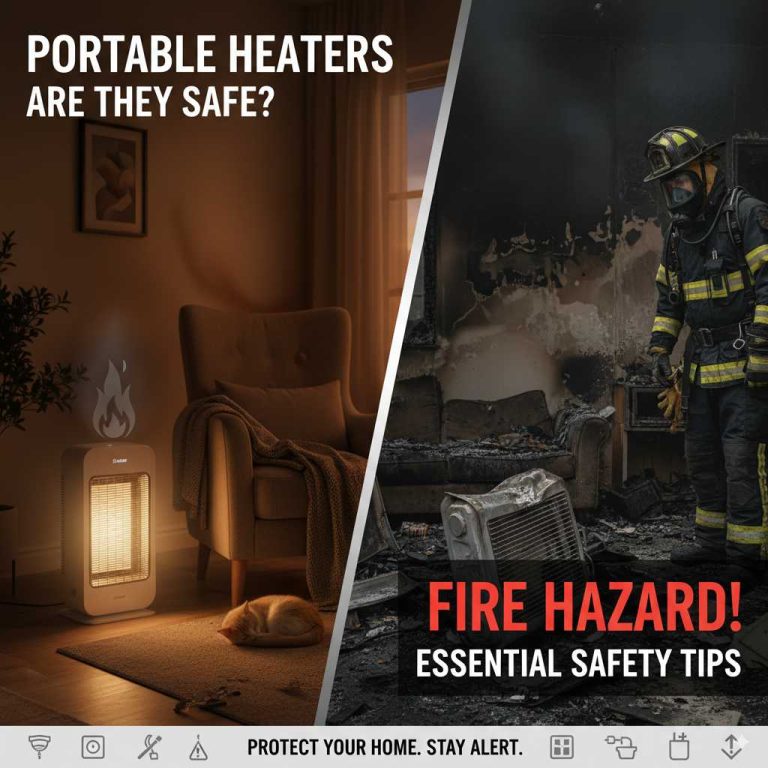
Standard portable heaters are not designed for the high moisture environment of a hot tub. Water ingress can lead to electrocution, fire, or damage to the heater. Furthermore, they lack the robust safety mechanisms needed for water immersion or near-water use. The <a href=”https://www.nfpa.org/education-and-research/home-fire-/portable-electric-heaters” target=”_blank” rel=”noopener noreferrer”>National Fire Protection Association (NFPA) strongly advises against using portable electric heaters near water sources due to these risks.
If You MUST Consider This (Temporary & Controlled Use ONLY):
This is for situations where you might be trying to warm a very small amount of water in a makeshift tub or a large container for a very short period. This is NOT a recommended solution for a standard hot tub.
- Use a Heater Designed for Wet Areas: Look for heaters with a high IP rating (e.g., IPX4 minimum, though this is still not ideal for direct water exposure).
- Never Submerge: The heater must remain completely outside the water.
- Create a Barrier: Place the heater a significant distance away, perhaps behind a waterproof barrier, and use a fan to direct warm air towards the water.
- GFCI Outlet is MANDATORY: The heater must be plugged into a Ground Fault Circuit Interrupter (GFCI) protected outlet. These outlets can detect small electrical leaks (like those caused by water) and shut off power quickly. You can find these at most home improvement stores.
- Constant Supervision: Never leave the heater unattended.
- Inspect Frequently: Check the heater and cords for any signs of damage or wear.
- Water Level: Ensure the water level never rises high enough to come into contact with the heater or its electrical components.
Pros of Adapting Standard Heaters (Limited):
- Potentially Lower Upfront Cost: You might already own a space heater.
- Versatility: Can be used for general room heating when not attempting the risky hot tub application.
Cons of Adapting Standard Heaters (Significant):
- EXTREME SAFETY HAZARD: High risk of electrocution, fire, and severe injury.
- Inefficient for Large Volumes: Standard heaters are not designed to heat large volumes of water quickly or efficiently.
- Not Designed for Damp Environments: Moisture will degrade the unit and increase risk.
- Voided Warranties: Using a product in a way it wasn’t intended will void its warranty.
- Not a Hot Tub Solution: This is not a viable long-term or safe solution for a real hot tub.
Choosing the Right Portable Heater: A Comparative Guide
To help you make an informed decision, let’s break down the key differences between the types of portable heaters you’ll encounter, focusing on those suitable for spa use.
| Feature | Dedicated Portable Spa Heater | Adapted Standard Portable Heater (Use with Extreme Caution!) |
|---|---|---|
| Primary Design | Heating spa/hot tub water | Heating ambient air in rooms |
| Water Safety | High (designed for water environments) | Very Low (not designed for high moisture) |
| Heating Efficiency (Water) | High | Very Low |
| Safety Features | Robust (thermostats, auto shut-off, GFCI often integrated) | Basic (may have tip-over shut-off, but lacks water-specific protection) |
| Installation | May require minor plumbing or electrical connection | Plug-and-play (but needs careful placement) |
| Cost | $$$ (Higher upfront) | $ (If already owned, otherwise cost is for safer alternatives) |
| Recommended For | Reliable, safe hot tub heating | NOT RECOMMENDED FOR HOT TUBS. For very temporary warming of small water amounts in specific, controlled circumstances. |
Step-by-Step: Installing and Using a Portable Electric Spa Heater
Let’s assume you’ve chosen a dedicated portable electric spa heater. Here’s a general guide to getting it up and running. Always refer to your specific model’s manual for precise instructions.
Step 1: Choose Your Location Wisely
Find a stable, level spot near your hot tub. Ensure it’s close enough to the GFCI-protected electrical outlet and your desired water source (pump intake, etc., depending on the heater type). The area should be well-ventilated and away from flammable materials.
Step 2: Assess Power Requirements
Check the wattage of your chosen heater and ensure your GFCI outlet and home’s electrical panel can handle the load. High-wattage heaters can draw a lot of power. If you’re unsure, consult a qualified electrician. According to the U.S. Department of Energy, using efficient heating methods can significantly impact energy consumption.
Step 3: Connect Water Flow (If Applicable)
Some portable spa heaters are submersible, meaning you simply place them in the water. Others may require connecting hoses to your hot tub’s plumbing. Follow your manual carefully. This might involve disconnecting a pipe and attaching hoses or using a separate pump that comes with the heater unit.
Step 4: Electrical Connection
Plug the heater into a GFCI-protected outlet. This is crucial for safety. If your outlet isn’t GFCI-protected, you’ll need an electrician to install one or use a portable GFCI adapter. Avoid using extension cords unless absolutely necessary, and if you do, ensure it’s rated for outdoor and high-wattage use and kept away from water.
Step 5: Set the Temperature
Turn on the heater and use the control panel to set your desired water temperature. Most spa heaters have a range comfortable for soaking, typically between 98°F (37°C) and 104°F (40°C).
Step 6: Monitor and Maintain
Allow the heater time to warm the water. The duration will depend on the volume of water, the heater’s wattage, and the starting temperature. Keep an eye on the water temperature as it rises. Periodically check the heater and connections for any signs of wear or leaks.
Safety First! Essential Precautions for Portable Hot Tub Heating
Heating a hot tub, especially an older one, with portable equipment brings unique safety considerations. It’s my top priority to ensure you can enjoy your warm water safely.
- Always Use a GFCI Outlet: This is non-negotiable. A Ground Fault Circuit Interrupter (GFCI) trips the power in seconds if it detects a fault, preventing serious electrical shocks. For fixed installations, your outdoor outlets should already be GFCI protected. For portable units, ensure the outlet or an adapter provides GFCI protection.
- Read the Manual Thoroughly: Every heater is different. Your manual is your best friend for safe and effective operation.
- Keep Cords Away from Water: Never let power cords, plugs, or the heater itself come into contact with the hot tub water, unless the unit is specifically designed for submersion.
- Never Leave Unattended: Especially when using adapted standard heaters or during initial setup, always supervise the operation.
- Inspect Equipment Regularly: Before each use, check the heater’s cord, plug, and casing for any cracks, fraying, or damage.
- Ventilation is Key: Ensure the area around the heater has good airflow to prevent overheating of the unit itself.
- Professional Help for Electrical Concerns: If you have any doubts about your electrical setup or whether your home’s wiring can handle the load, call a qualified electrician. It’s a small price for peace of mind and safety. You can find qualified professionals through resources like the National Electrical Contractors Association (NECA).
- Water Level: For submersible heaters, ensure the water level is always maintained above the minimum fill line indicated in the manual. For external heaters, be mindful that evaporation can occur, and ensure the water level doesn’t drop too low.
- Know Your Heater’s Limits: Don’t try to overheat your hot tub beyond its safe maximum temperature (usually around 104°F/40°C).
Understanding the Costs Involved
When considering a portable heating solution, it’s good to have a realistic picture of the costs. This includes the initial purchase price, installation, and ongoing energy consumption.
Initial Purchase Price
Dedicated portable electric spa heaters typically range from $300 to $1,000 or more, depending on their power output, brand, and features. A basic, waterproof space heater might cost $50-$150, but as we’ve stressed, this is not recommended for hot tubs.
Installation Costs
If your chosen heater requires any direct electrical work (like installing a new GFCI outlet or upgrading your panel), you’ll need to factor in an electrician’s fees, which can range from $100 to $400+, depending on the complexity.
Running Costs
This is where energy efficiency becomes important. A 5kW (5000-watt) heater running for one hour uses 5 kilowatt-hours (kWh) of electricity. If your electricity rate is $0.15 per kWh, that hour of heating costs $0.75. Heating a large volume of water from cold can take many hours, so the costs can add up. Keeping the hot tub insulated and covered when not in use is crucial for minimizing energy loss.
To help you estimate, consider these factors:
- Heater Wattage: Higher wattage = more power used per hour.
- Usage Hours: How long do you need to run the heater each day/week?
- Electricity Rates: Varies by location. Check your utility bill for your specific rate.
- Insulation: A well-insulated tub or added insulation will reduce heat loss and therefore heating time.
Frequently Asked Questions (FAQs)
Q1: Can I use a regular space heater to warm my hot tub water?
A: It is highly NOT recommended due to extreme safety risks. Regular space heaters are not designed for wet environments and can lead to electrocution or fire. Only use heaters specifically designed for spa or pool use that are waterproof and have appropriate safety certifications.
Q2: How long will it take a portable spa heater to heat my old hot tub?
A: The time varies greatly depending on the volume of your hot tub, the heater’s wattage, your local ambient temperature, and how well-insulated your tub is. A 5kW heater might take several hours to raise the temperature of a 300-gallon hot tub by 10°F. Always consult the heater’s manual for the most accurate estimates.
Q3: Do portable heaters for hot tubs use a lot of electricity?
A: Yes, heating water requires a significant amount of energy. A typical 5kW portable spa heater will consume about 5 kilowatts per hour. This can increase your electricity bill, but it’s often more efficient and safer than trying to jury-rig a solution with incompatible appliances.
Q4: What’s the biggest danger of using the wrong kind of heater?
A: The biggest dangers are electrocution and fire. Water and electricity are a hazardous mix, and appliances not built for this environment can fail catastrophically, posing a serious threat to life and property.
Q5: How can I make my old hot tub more energy-efficient with a portable heater?
A: Always keep the hot tub cover on and well-sealed when not in use. Consider adding extra insulation around the hot tub shell if possible. Use the portable heater only when needed to reach your desired temperature, rather than running it constantly.