Electric Baseboard Heaters Vs Oil Filled: Ultimate Heating Showdown
Are you trying to decide the best way to heat your home this winter? Choosing between electric baseboard heaters and oil-filled heaters can feel confusing.
Both promise warmth, but which one fits your needs, budget, and comfort preferences? This article will help you cut through the noise, so you can make a smart choice that keeps your space cozy without wasting energy or money. Keep reading to discover the clear differences and find out which heater is the right match for you.
Electric Baseboard Heaters
Electric baseboard heaters are a popular choice for heating small spaces. They fit along the base of walls, quietly warming rooms. These heaters use electricity to produce heat without burning fuel.
They are easy to install and operate. Many people choose them for their simple design and low upfront cost.
How They Work
Electric baseboard heaters use electric coils inside metal fins. When electricity flows, the coils heat up. The fins spread heat into the room by warm air rising. This process is called convection.
The heater runs quietly and does not need a fan. It heats the air near the floor, which then rises to warm the room evenly.
Benefits
These heaters are easy to install on most walls. They need no ductwork or vents. They heat rooms quickly and quietly. You can control each heater separately to save energy.
Electric baseboard heaters work well in small rooms or spaces without central heating. They also require little maintenance.
Drawbacks
Electric baseboard heaters can increase electricity bills. They may not heat large spaces well. Heat is limited to the room where the heater is placed.
They can get hot to touch, which may be unsafe for children or pets. The heaters also take up wall space and can limit furniture placement.
:max_bytes(150000):strip_icc()/Baseboardheater-GettyImages-182924153-839b39e85fdf4783b2af9850059da492.jpg)
Oil Filled Heaters
Oil filled heaters are a popular choice for home heating. They use oil as a heat reservoir inside the heater. This type of heater warms the room slowly but keeps the heat for a long time.
These heaters are quiet and provide steady warmth. They work well in bedrooms and living rooms. Many people prefer them for their energy efficiency and safety features.
Operation Mechanics
Oil filled heaters have metal fins filled with oil. An electric element heats the oil inside. The hot oil transfers heat to the metal fins.
The fins then release warmth into the room by radiation and convection. The oil stays hot even after the heater turns off. This helps keep the room warm longer.
Advantages
Oil filled heaters run quietly without fans. They do not blow dust or allergens around. Their heat spreads evenly across the room.
They keep warm after being turned off, saving energy. Oil filled heaters are safe to touch as surfaces stay warm, not hot. They require little maintenance and last for many years.
Limitations
Oil filled heaters take longer to heat a room. They are heavier and less portable than other heaters. It takes time for the oil to heat up fully.
They use electricity, which may increase energy bills. Not ideal for quick or spot heating needs. They need space due to their size and shape.
Energy Efficiency Comparison
Energy efficiency plays a big role in choosing a heater. It affects your electricity bill and comfort at home. Electric baseboard heaters and oil-filled heaters use energy differently. Understanding their efficiency helps you pick the right one.
This section compares their power use and how well they keep heat. These points show which heater saves more energy and costs less over time.
Power Consumption
Electric baseboard heaters use electricity directly to warm the room. They heat quickly but need constant power to keep the room warm. This can lead to higher electricity use if left on long.
Oil-filled heaters use electricity to heat oil inside the unit. The oil stays warm and spreads heat slowly. They use less power once the oil is hot. This can save energy during longer use.
Heat Retention
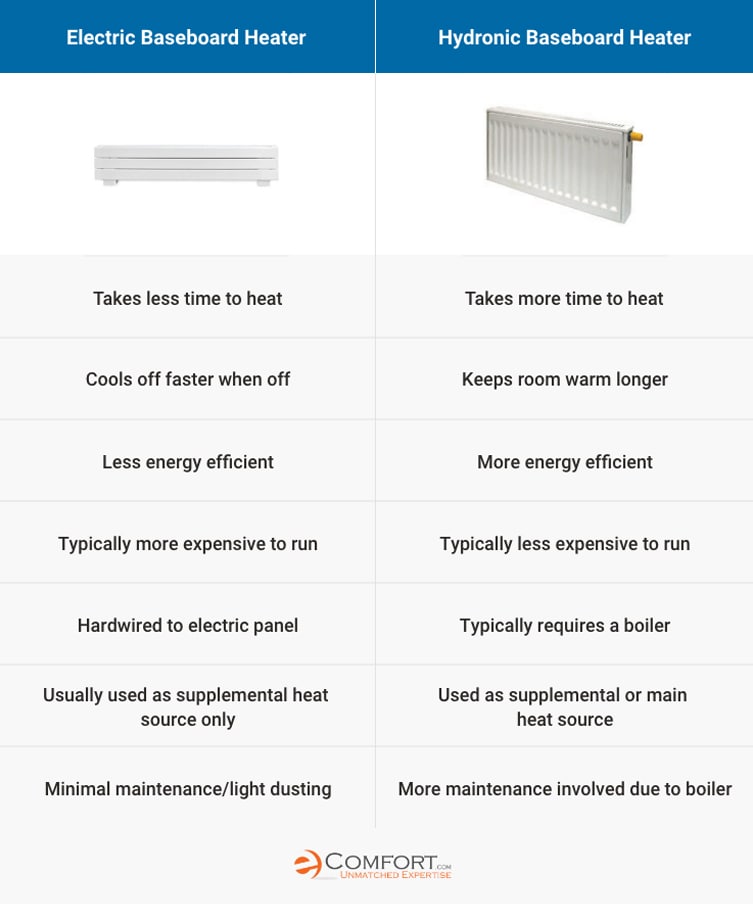
Electric baseboard heaters stop giving heat once turned off. The metal parts cool quickly, so the room cools fast too. This means more energy to reheat the space later.
Oil-filled heaters keep heat longer because of the warm oil inside. They release heat slowly even after switching off. This helps keep rooms warm and reduces power use over time.
Cost Analysis
Understanding the costs of electric baseboard heaters and oil-filled heaters helps you make a smart choice. Cost analysis covers both the price to buy the heater and the money spent to run it. This section breaks down these costs clearly.
Initial Purchase Price
Electric baseboard heaters usually cost less upfront. They are simple in design and easy to install. Oil-filled heaters tend to be more expensive at purchase. Their complex build and larger size add to the cost.
The price difference can affect your budget. Think about how many heaters you need. Buying several baseboard heaters might still cost less than one oil-filled heater.
Operating Expenses
Electric baseboard heaters use electricity directly to heat a room. This can lead to higher monthly energy bills. Oil-filled heaters heat the oil inside, which stays warm longer. They use electricity more efficiently over time.
Oil-filled heaters may save money on power during long use. Baseboard heaters can be cheaper for short-term or spot heating. Your local electricity rates also affect your overall cost.
Safety Factors
Safety is a key factor when choosing between electric baseboard heaters and oil-filled heaters. Understanding how each heater handles heat and risks is important. This helps keep your home safe for everyone.
Overheating Risks
Electric baseboard heaters can get very hot on the surface. This heat can cause burns or even start fires if items touch the heater. Some models have built-in safety features to reduce overheating risks. Oil-filled heaters warm up slower and keep heat inside the oil. Their surface temperature is usually lower, which lowers the chance of burns and fires. Both heaters need to be checked regularly for dust or blockages. These can cause the heater to overheat and become unsafe.
Child And Pet Safety
Children and pets often touch heaters out of curiosity. Electric baseboard heaters can burn skin quickly because of their hot surfaces. Oil-filled heaters stay cooler outside, making them safer for kids and pets. Still, all heaters should be placed away from play areas. Using protective covers or barriers adds extra safety. Always watch children and pets near any heater to prevent accidents.
Installation And Maintenance
Installation and maintenance play a key role in choosing between electric baseboard heaters and oil-filled heaters. Each type has unique needs that affect cost, effort, and time. Understanding these aspects helps you make a smart choice for your home.
Setup Requirements
Electric baseboard heaters require direct wiring to your home’s electrical system. A professional electrician often does the installation. These heaters need a dedicated circuit to work safely. Placement is simple—they mount on walls near the floor.
Oil-filled heaters come mostly ready to use out of the box. You just plug them into a regular outlet. No special wiring or tools are needed. This makes setup quick and easy. They are portable and can be moved from room to room.
Upkeep Needs
Electric baseboard heaters need little maintenance. Dust can collect on the fins, so occasional cleaning is wise. Check wiring periodically for wear or damage. A professional can inspect the system every few years for safety.
Oil-filled heaters require minimal care too. Wiping the surface keeps it clean. There is no risk of oil leaks if the heater is not damaged. Regular inspection ensures the power cord and plug remain in good condition.
Best Use Cases
Choosing between electric baseboard heaters and oil-filled heaters depends on where and how you plan to use them. Each type works better in certain settings. Understanding their best use cases helps you pick the right heater for your needs.
Room Size Suitability
Electric baseboard heaters suit small to medium rooms well. They heat up quickly and provide direct warmth. Perfect for bedrooms or offices where you want fast heat.
Oil-filled heaters work better in larger rooms. They release heat slowly but last longer. Ideal for living rooms or spaces where steady warmth is needed for hours.
Climate Considerations
Electric baseboard heaters fit mild to moderate climates. They can heat rooms fast but may use more energy in cold weather. Best for places without extreme cold.
Oil-filled heaters are good in colder climates. They keep heat longer and save energy by cycling on and off. Great for cold winters or drafty homes.
Environmental Impact
Electric baseboard heaters use electricity directly, which can increase carbon emissions depending on power sources. Oil-filled heaters retain heat longer, reducing energy use and lowering environmental impact. Choosing the right heater can help save energy and protect the planet.
Energy Source
Electric baseboard heaters use electricity to produce heat. The environmental impact depends on how that electricity is made. If the power comes from coal or gas, it creates more pollution. If it comes from renewable sources like wind or solar, it is cleaner. Oil-filled heaters also use electricity but store heat in oil inside the unit. They release heat slowly, which can save some energy. The main factor is still the electricity source.
Sustainability
Electric baseboard heaters have no direct emissions. Their sustainability depends on the electricity grid’s mix. Oil-filled heaters contain mineral oil, which needs safe disposal. They last a long time, reducing waste. Both types require electricity, but their efficiency and heat retention differ. Choosing renewable energy makes either option greener. Sustainability improves with proper use and maintenance of the heaters.
User Experience
User experience is key when choosing a heater for your home. Comfort, noise, and warmth affect daily life. Understanding how electric baseboard heaters and oil-filled heaters perform helps make the right choice.
Noise Levels
Electric baseboard heaters work silently. They use electric resistance to produce heat without fans or moving parts. This means no humming or buzzing sounds.
Oil-filled heaters make a soft clicking noise. This happens when the thermostat turns on or off. The sound is usually very low and does not disturb most people.
Comfort And Warmth
Electric baseboard heaters heat quickly. They warm the air near the wall fast but can feel uneven in larger rooms. The heat rises, leaving lower areas cooler.
Oil-filled heaters heat more slowly. They warm the oil inside, which keeps heat longer. This creates steady, gentle warmth that spreads evenly in the room.

Frequently Asked Questions
What Are The Main Differences Between Baseboard And Oil Heaters?
Electric baseboard heaters use electric resistance to warm air, while oil-filled heaters heat oil inside a sealed unit for radiant warmth. Baseboards heat rooms quickly, whereas oil heaters provide longer-lasting, consistent heat even after switching off.
Which Heater Is More Energy Efficient For Home Heating?
Oil-filled heaters generally use less electricity over time due to heat retention. Baseboard heaters consume power continuously when on, making oil-filled models more cost-effective for prolonged use.
Are Electric Baseboard Heaters Safer Than Oil-filled Heaters?
Both are safe if used correctly, but oil-filled heaters pose less burn risk as their surfaces stay cooler. Baseboard heaters can get hot to touch, so placement away from flammable items is crucial.
How Quickly Do Oil-filled And Baseboard Heaters Warm A Room?
Baseboard heaters warm rooms faster by directly heating air. Oil-filled heaters take longer to heat but maintain warmth longer due to oil’s heat retention properties.
Conclusion
Choosing between electric baseboard heaters and oil-filled heaters depends on your needs. Baseboard heaters warm up rooms quickly and cost less upfront. Oil-filled heaters take longer but keep heat longer and work quietly. Both types have pros and cons for energy use and comfort.
Think about room size, budget, and noise when deciding. Both can keep your home warm during cold days. The right choice helps you stay cozy without extra worry.