Do Outdoor Heaters Need Covers? Yes, Usually
Yes, covering your outdoor heater when not in use is highly recommended for almost all types, primarily to protect internal components from moisture, dirt, and debris, ensuring better longevity and safe operation. However, you must never cover a heater while it is still hot or running.
It’s natural to wonder how best to protect your investment in outdoor comfort. Those patio heaters and grills are expensive, and nobody wants rain or dust ruining a cozy evening ahead of time! Deciding whether or to cover your outdoor heater seems simple, but the answer depends on the type of heater you own and where you live. For the average homeowner, knowing the right protection method is key to safety and saving money on repairs. Don’t worry; we’ll break down exactly what heat source you have and the easiest way to keep it warm and ready for your next gathering.
Do Outdoor Heaters Need To Be Covered? The Essential Guide to Protection
As Tanim, your guide to comfortable, safe home heating, I want to help you protect your patio investments. Outdoor heaters bring incredible warmth to patios, decks, and outdoor dining spaces, extending your usable outdoor season significantly. But what happens when the party ends, or the weather turns sour? Should you grab that tarp? The short answer is usually yes, but how and when you cover them matters greatly for safety and function.
Why Protection for Your Outdoor Heater is Non-Negotiable
Leaving any piece of outdoor equipment exposed to the elements—rain, sun, humidity, and dust—is inviting trouble. For heaters, this trouble usually means rust, clogged burners, or electrical shorts. Think of it like leaving your car out in a hailstorm; it’s better safe than sorry.
The Main Threats to Uncovered Heaters
Your outdoor heater faces several dangers when left exposed:
- Moisture and Rust: Rain and morning dew are the biggest enemies. Metal components, especially the electronics in propane heaters or the wiring in electric models, will corrode over time.
- Dust and Debris: Dust settles on burner heads or intake vents. When you turn the heater on later, this debris can burn off, causing uneven heating or blocking gas flow.
- Pest Intrusion: Spiders, wasps, and other small critters love dark, covered spaces, often building nests inside vents or housing units. This can cause serious blockages or even fire hazards.
- UV Degradation: Constant exposure to harsh sunlight deteriorates plastic knobs, wiring insulation, and paint finishes, making your heater look worn out long before its time.
Understanding Your Outdoor Heater Types: The Key to Covering
Before you buy a cover, you must identify what you are protecting. Not all patio heaters are built the same, which means their protection needs differ significantly. The major categories are fueled by propane, natural gas, or electricity.
1. Propane Patio Heaters (The Most Common Type)
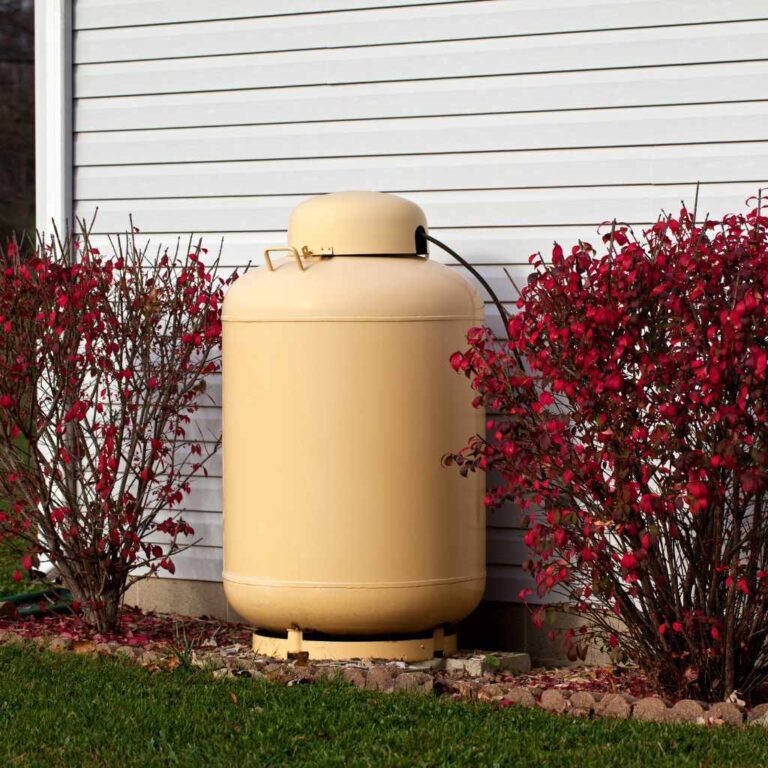
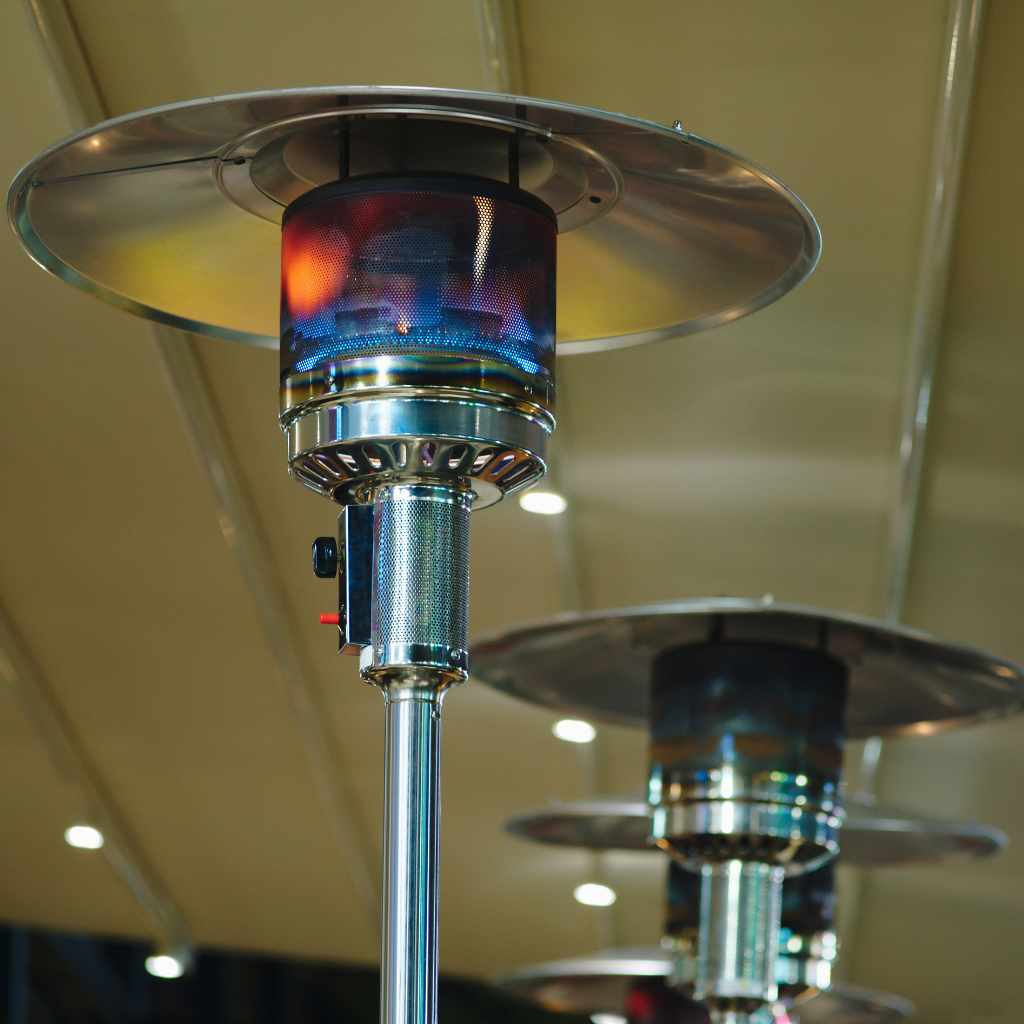
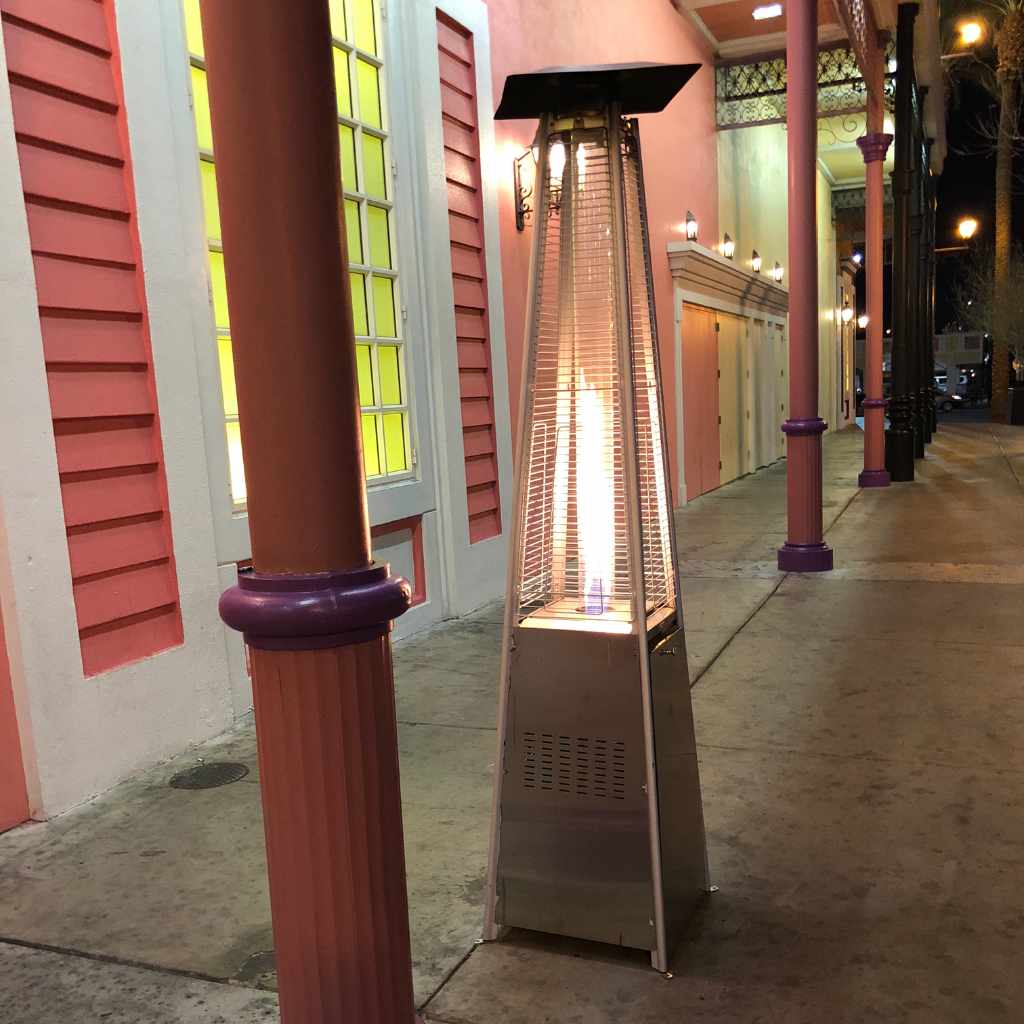
These mushroom-shaped towers are very popular. They rely on a propane tank housed in the base. Because they have moving parts, ignition systems, and enclosed areas for the tank, moisture is a major concern.
Do Propane Heaters Need Covers?
Yes, absolutely. Moisture can seep into the ignition area or around the tank connection, leading to ignition failure later. A good cover shields the entire assembly, keeping the delicate electronics and burner head dry.
2. Natural Gas (NG) Heaters
These heaters are custom-installed and plumbed directly into your home’s natural gas line. Since they don’t rely on moving parts or replaceable tanks, their primary vulnerability is rust on the main housing and burner assembly.
Do Natural Gas Heaters Need Covers?
While less complex than propane, covers are still recommended. They prevent water from sitting directly on gas fittings or burner surfaces, which maintains fuel efficiency over the long term.
3. Electric Patio Heaters
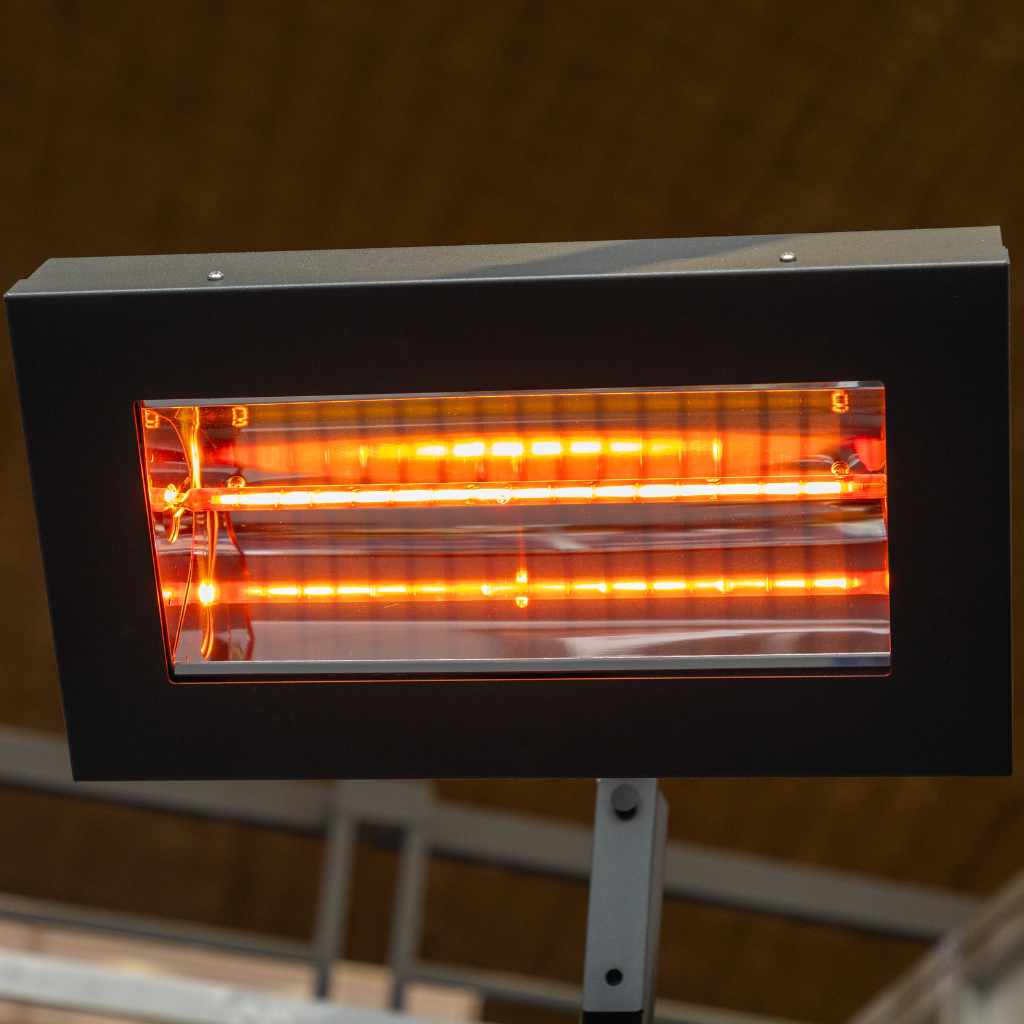
These heaters typically look like large overhead lamps attached to a roof or wall. They are the simplest to operate but have exposed electrical connections.
Do Electric Heaters Need Covers?
Protection is critical here. Any water finding its way into junction boxes, plugs, or heating elements can cause shorts, rust out connectors, or even pose a safety risk the next time you plug them in. A tight-fitting cover is a must for prolonged periods of non-use.
4. Tabletop or Portable Heaters
These smaller units often use small butane or simple propane canisters. Because they are smaller and more frequently moved, they can sometimes get away with being stored in a dedicated shed or garage. However, if they must stay outside, covering them prevents food debris or pests from entering the burner.
The Golden Rule: When MUST You Cover (and When MUSTN’T You?)
This is the most crucial piece of advice for beginner heater owners. Misunderstanding this can lead to fires or damage.
When to Cover Your Heater: Storage and Inclement Weather
Always secure a dedicated cover when the heater will be inactive for more than 24 hours or if rain/snow is expected. This is preventative maintenance.
When NEVER to Cover Your Heater: Safety First
NEVER apply a cover while the heater is hot or warm.
Heat needs to escape. Covering a hot heater traps that warmth inside the cover, which can:
- Melt or significantly degrade the cover material (often leading to a sticky, difficult mess).
- Create condensation once the temperature drops, trapping moisture against the cold metal, which accelerates rusting.
- For propane units, it can interfere with necessary pressure equalization as the tank cools.
Always wait at least 30 to 60 minutes after turning off a heater before applying a cover. It should be cool to the touch.
How to Choose the Right Outdoor Heater Cover
A universal tarp thrown over your heater probably won’t cut it. Professional covers are designed with materials and shapes that ensure longevity and breathability.
Essential Features of a Quality Heater Cover
Look for these features when shopping. They reflect genuine quality, not just a fancy price tag:
- Ventilation: This is vital. Covers must have small built-in vents (often mesh-covered) to allow air to circulate. This prevents moisture buildup and stops the “greenhouse effect” that encourages mold or mildew inside the cover.
- Material Strength: Look for heavy-duty polyester (600D rating is excellent) or heavy vinyl treated for UV resistance. This prevents cracking in the sun and tearing during high winds.
- Securing Mechanisms: Since patio heaters are tall, a cover needs tie-downs. Drawstrings, buckle straps, or Velcro tabs ensure the cover stays on, even during a brisk storm.
- Waterproofing vs. Water Resistance: A good cover is highly water-resistant, meaning water beads and rolls off, but it should not be so airtight that it traps humidity inside.
Cover Coverage: Full vs. Partial
Most manufacturers offer two options:
- Full-Length Cover: Covers the burner head down to the base. This is best for long-term winter storage or in very rainy climates.
- Head/Burner Cover: Often just a dome or cape that fits over the top. This is useful if you use the heater frequently but want to protect the most sensitive part (the burner element) from direct rain drips.
For most homeowners looking for general protection, the full-length, custom-fit cover is the safest bet.
DIY vs. Buying a Dedicated Cover: A Comparison
Many people try to save a few dollars by improvising. Here is a look at the pros and cons of custom covers versus using something you already own.
| Method | Pros | Cons |
|---|---|---|
| Dedicated Heater Cover | Perfect fit, built-in vents, durable, UV protected, often includes straps. | Higher initial cost, manufacturer-specific sizing needed. |
| Thick Tarp/Plastic Sheeting | Very cheap or free, usually waterproof. | No venting (traps moisture), tends to blow off easily, degrades quickly in sunlight, looks messy. |
| Storing Indoors/Garage | Maximum protection, ensures zero rust/pests. | Requires significant storage space, difficult for heavy units, requires moving the unit frequently. |
As you can see, improvised tarps often cause more problems (like trapped moisture) than they solve for exterior heaters. Storing it indoors is the absolute best protection if you have the space, but buying a quality cover is the next best thing.
Step-by-Step: The Correct Way to Cover Your Outdoor Heater
Follow these steps to ensure your heater is protected safely and effectively for the next use.
Preparation Steps (Crucial Before Covering)
- Ensure Complete Shut Down: Turn the control knob to the “OFF” position. If it’s a propane unit, turn the valve on the top of the tank itself to the closed position and disconnect the hose if possible for long-term storage.
- Allow Full Cool Down: Wait until the metal housing is cool to the touch. For large propane heaters, this might take up to an hour, especially the burner head.
- Clean Off Debris: Shake off any leaves, patio cushions, or dust that might be sitting on top or around the base. This prevents debris from getting trapped under the cover.
- Inspect the Burner Head (Optional but Recommended): Give a quick visual check to ensure no nests or dust buildup is present before sealing it up.
Application Steps
- Position the Cover: Align the opening of the cover with the top of the heater head. If your cover is slightly tricky, it often helps to have a second person stabilize the base.
- Slide it Down Gently: Carefully lower the cover down over the entire unit. Do not force it over any protruding parts; this can tear the fabric.
- Secure Firmly: Fasten all built-in straps, buckles, or tie it tightly using the drawstrings around the base where the pole meets the ground platform. The cover should fit snugly against the base to prevent wind from peeling it off.
- Check Vents: Make sure the air vents on the cover are clear and not blocked by the base or surrounding furniture. Proper airflow helps prevent mold growth inside the cover.
What About In-Use Coverage? Temporary Rain Protection
Sometimes you have guests and a sudden, light drizzle starts. Can you keep your heater running under a covering?
In general, NO. Most standard patio heaters are not designed to operate under an umbrella or awning for extended periods due to ventilation and fire risk.
However, some specific types of outdoor heaters or overhead heating systems are designed to work under approved enclosures. For example, many ceiling-mounted electric heaters designed for restaurant patios are meant to be used under awnings or pergolas. If your heater is permanently mounted:
- Check the Manual: Always refer to the manufacturer’s safety guidelines. The manual will specify any local clearances or overhead protection limitations.
- Fire Clearance is Paramount: Heaters generate intense, directional heat. Putting a solid roof or flammable umbrella too close can cause a fire risk or melt the umbrella fabric. Referencing safety standards from organizations like the National Fire Protection Association (NFPA) regarding outdoor heating clearance is wise for any permanent setup.
For portable propane units, if it starts raining, the safest action is always to turn the unit off, let it cool, and then cover it, or bring it inside if brief storage is possible.
Ventilation Deep Dive: Protecting vs. Suffocating Your Heater
This is where many beginners make mistakes after covering their heaters for storage. Proper ventilation is what separates a great cover from a damaging one.
When a patio heater is operating, it needs constant access to fresh air (oxygen) to maintain combustion. Conversely, when it is off and covered, it needs airflow to prevent moisture accumulation.
The “Suffocation” Risk
If you use a non-breathable material (like a cheap plastic drop cloth) and seal it tightly all the way to the ground, you trap the humidity released from the cool ground or the residual warmth of the metal assembly. This turns the space under the cover into a sauna, leading to rapid oxidation (rust).
This is why dedicated outdoor heater covers generally incorporate mesh panels. These panels allow moisture vapor to escape while simultaneously blocking large droplets of rain and damaging UV rays.
If you live in a naturally dry, arid climate (like Arizona or Nevada), the risk of mold/mildew is low, so a tighter seal might be tolerable. But for humid, coastal, or rainy regions, excellent under-cover airflow is the single most important factor.
Maintenance Checks While Covered
The time your heater spends covered is a great opportunity to perform easy, non-technical maintenance that keeps it running smoothly. Safety first!
| Component | Action to Perform While Covered/Stored | Why It Matters |
|---|---|---|
| Burner Head/Screen | Gently brush off any dust with a soft brush (only when cold). | Ensures even flame distribution next time you light it. |
| Hoses/Lines (Propane) | Visually inspect for cracks or fraying, especially near connections. | Prevents dangerous gas leaks when you reconnect the tank. |
| Base Platform | Check for wobbling or uneven sitting spots on the patio. | A stable base prevents tipping, which is crucial for safety. |
| Protective Cover | Check the cover for small tears or loose ties. Repair them now. | Prevents these small issues from becoming large wind-damage problems later. |
If you suspect any gas line damage on a propane unit, do not attempt a repair yourself. Consult an HVAC professional or call your gas provider for advice on connections. Safety for gas appliances is always worth the peace of mind.
Long-Term Winterizing: Going Beyond Just Covering
Covering your heater is maintenance for medium-term protection (a week or two). If you are putting your heater away for the entire off-season (e.g., covering it from October to April), you need a dedicated winterizing process to ensure it survives the long sleep.
Winterizing Steps for Propane & NG Heaters
- Disconnect Fuel Source: For propane, remove the tank entirely. Take the tank to a safe outdoor location, upright, away from ignition sources. For NG, turn off the gas valve at the supply line connection if your setup allows for it, although this is less common for permanent installs.
- Drain Internal Residue (Propane Only): If your propane tank is nearly empty, tip it very carefully (only tilt slightly, never fully upside down) to drain residual gas into an approved disposal system, though most owners simply leave the tank mostly empty.
- Apply a High-Quality Cover: Use your best, most breathable, heavy-duty full-length cover during the winter months.
- Secure Against Wind: Use extra bungee cords or webbing ties, particularly if mounting the heater near a fence or wall where strong winter gusts are common. The last thing you want is a massive heater blowing over in a blizzard.
- Store Accessories Inside: Grill covers, small burner trays, or regulatory manuals should be cleaned and brought indoors to prevent moisture damage or loss.
By taking these extra steps, you ensure that when spring rolls around, your heater doesn’t need major repairs or cleaning just to start up again.
FAQ: Do Outdoor Heaters Need To Be Covered?
Q1: Can I use a regular plastic tarp instead of a dedicated cover?
A1: While a tarp works in a pinch, dedicated covers are much better. Tarps trap moisture, causing rust and mildew, and they usually blow off easily. A proper cover has vents to let humidity escape.
Q2: How long should I wait after turning off my heater before I cover it?
A2: Wait until the metal is completely cool to the touch—usually 30 to 60 minutes, depending on the ambient temperature and heater size. Covering a hot heater melts the cover and traps heat, which is dangerous.
Q3: Do infrared or radiant patio heaters need covers?
A3: Yes. While radiant heaters often have protective screens over the element, the housing, wiring, and control panels still need protection from direct rain and sun exposure to prevent premature failure.