Outdoor Heaters in NYC for Warm Outdoor Spaces
Yes, outdoor heaters can be legal in NYC for commercial establishments like restaurants and bars, but under strict regulations and permits, particularly for sidewalk and patio use. Residential use of outdoor heaters is generally permitted, but safety and local fire codes are paramount. Always verify current rules with the FDNY and local authorities before installation.
Ah, the crisp New York air! It’s wonderful, isn’t it? But when the temperatures drop, enjoying your favorite outdoor spots in the city can become a bit chilly. Many of us wonder if we can extend the use of our patios or balconies year-round with the help of outdoor heaters. It’s a common question, and the thought of staying cozy while breathing in the fresh air is certainly appealing. However, with New York City’s unique environment and regulations, understanding the legality and safety of outdoor heaters is crucial. Don’t worry, I’m here to help you navigate this! We’ll break down exactly what you need to know so you can stay warm and compliant.
Understanding Outdoor Heater Legality in NYC
The question of whether outdoor heaters are legal in New York City isn’t a simple yes or no. The rules are quite specific and depend heavily on who you are (residential vs. commercial), where you plan to use the heater, and what type of heater you’re considering. It’s all about balancing comfort with safety, especially in a densely populated city like ours.
Commercial Use: Restaurants and Bars
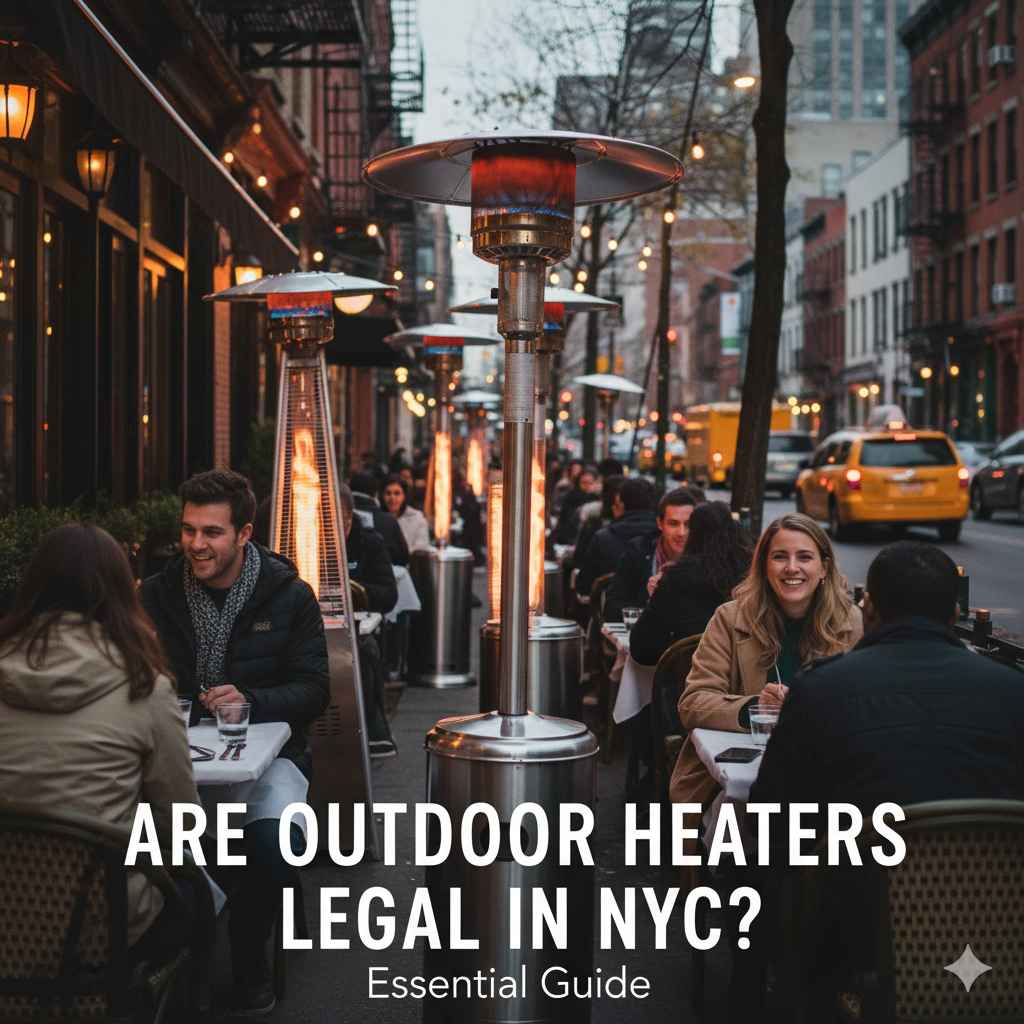
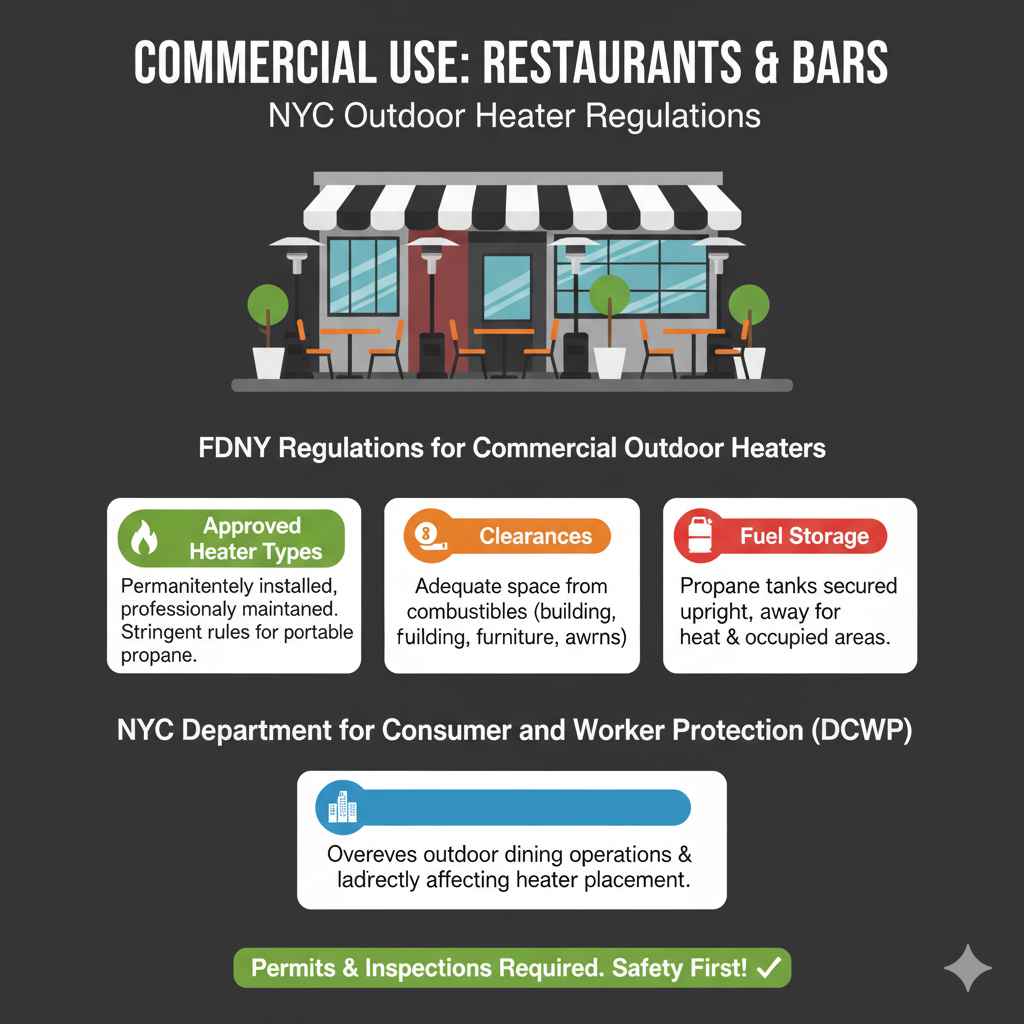
For businesses, particularly restaurants and bars looking to offer outdoor dining or seating during colder months, the regulations are more involved. The City has implemented specific rules, largely in response to the extended outdoor dining programs that became popular. These rules are managed by various city agencies, including the Fire Department of New York (FDNY) and the Department of Consumer and Worker Protection (DCWP).
FDNY Regulations for Commercial Outdoor Heaters
The FDNY plays a significant role in ensuring outdoor heaters are used safely in commercial settings. They focus on preventing fire hazards and ensuring that any heating equipment doesn’t pose a risk to patrons, staff, or surrounding structures. Key considerations from FDNY safety guidelines often include:
- Approved Heater Types: Not all heaters are created equal. The FDNY typically approves certain types of patio heaters, often those that are permanently installed and professionally maintained. Portable propane heaters often come with more stringent restrictions.
- Clearances: There must be adequate space between the heater and any combustible materials, including building structures, furniture, and awnings. These clearances are usually specified by the manufacturer and often reinforced by local fire codes.
- Fuel Storage: If using propane heaters, regulations for storing spare propane tanks are critical. Tanks must be secured, stored upright, and kept away from any heat sources or occupied areas.
- Permits and Inspections: Businesses may need to obtain permits for outdoor dining structures and heating equipment. Routine inspections by the FDNY can occur to ensure compliance.
- Emergency Preparedness: Businesses should have plans in place for dealing with potential emergencies, such as fires, and ensure their heating setups do not obstruct emergency exits.
NYC Department of Consumer and Worker Protection (DCWP)
The DCWP oversees many aspects of outdoor dining operations, including the setup of the dining areas. While they may not dictate the exact type of heater, their regulations on outdoor seating layouts can indirectly affect heater placement and usage. It’s always wise to check with the DCWP regarding their latest guidelines for outdoor dining establishments.
Residential Use: Your Own Backyard or Balcony
For homeowners and renters in New York City, the rules for using outdoor heaters on your private property are generally more relaxed than for commercial establishments, but safety remains the top priority. You are typically allowed to use approved outdoor heaters on your own property, such as on a patio, deck, or balcony.
Key Considerations for Residential Use
Even for personal use, it’s essential to adhere to safety best practices and local building/fire codes. These are designed to protect you, your neighbors, and your property:
- Manufacturer Instructions: Always follow the instructions provided by the heater manufacturer for setup, operation, and maintenance.
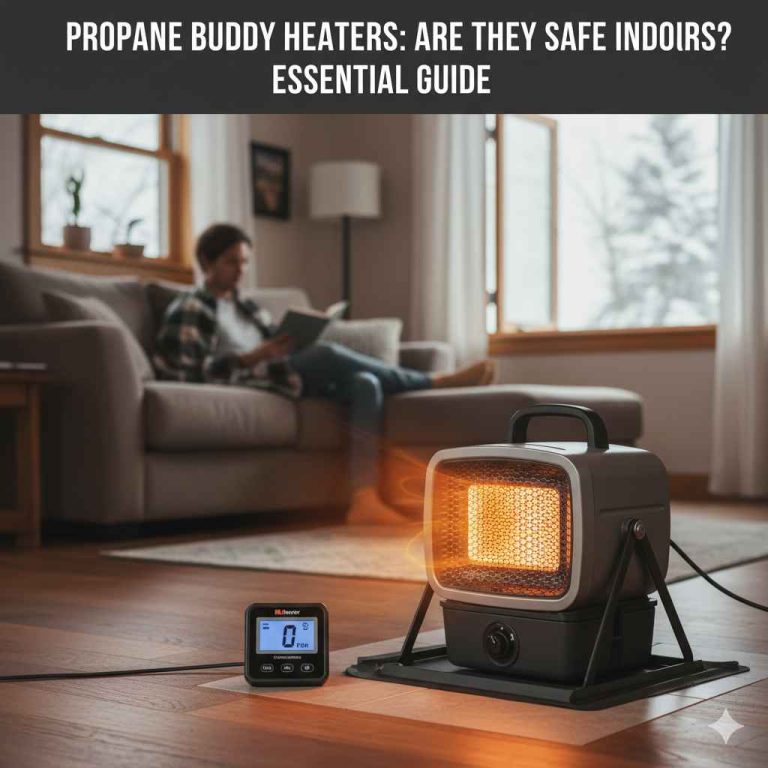
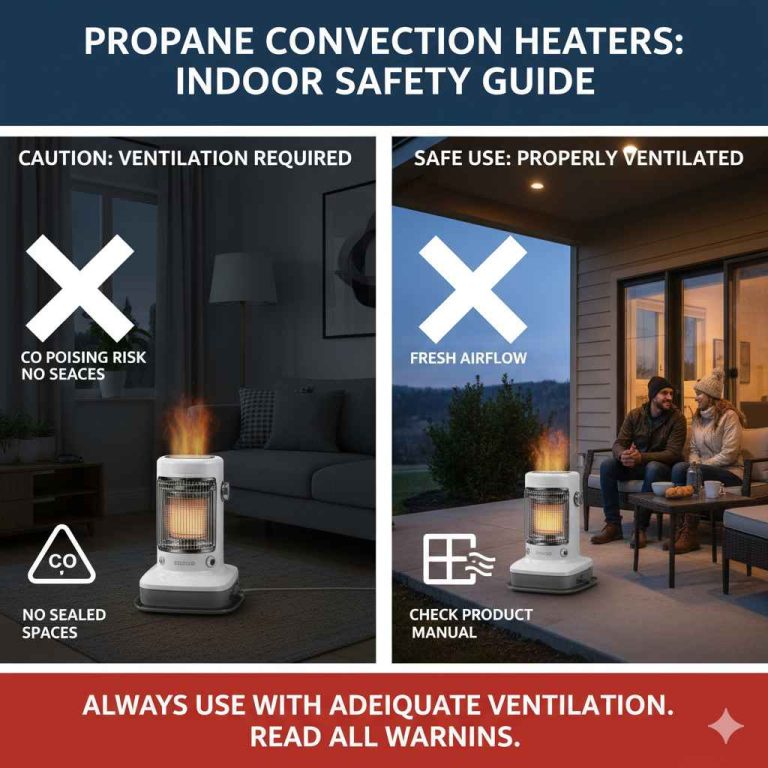
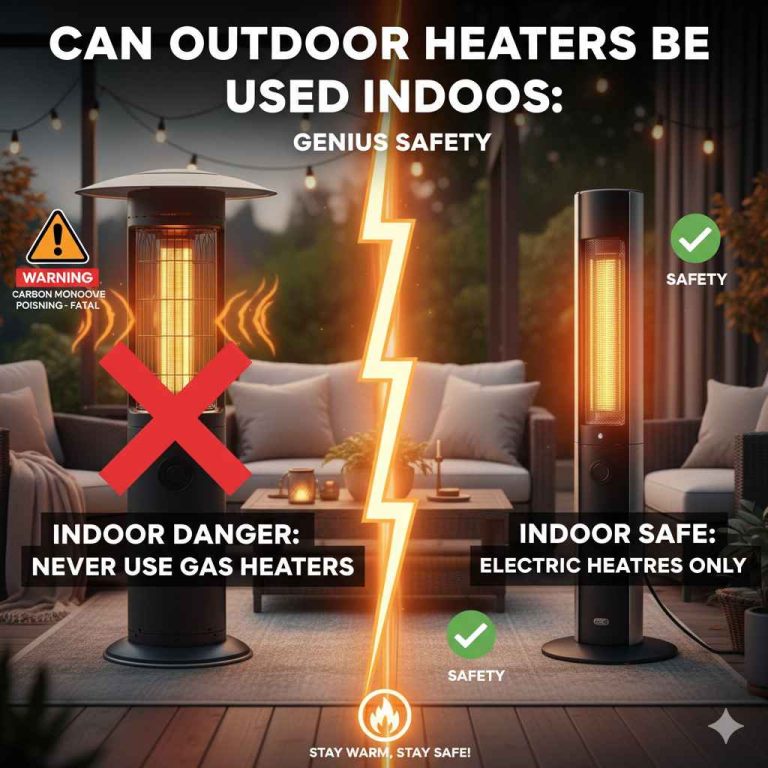
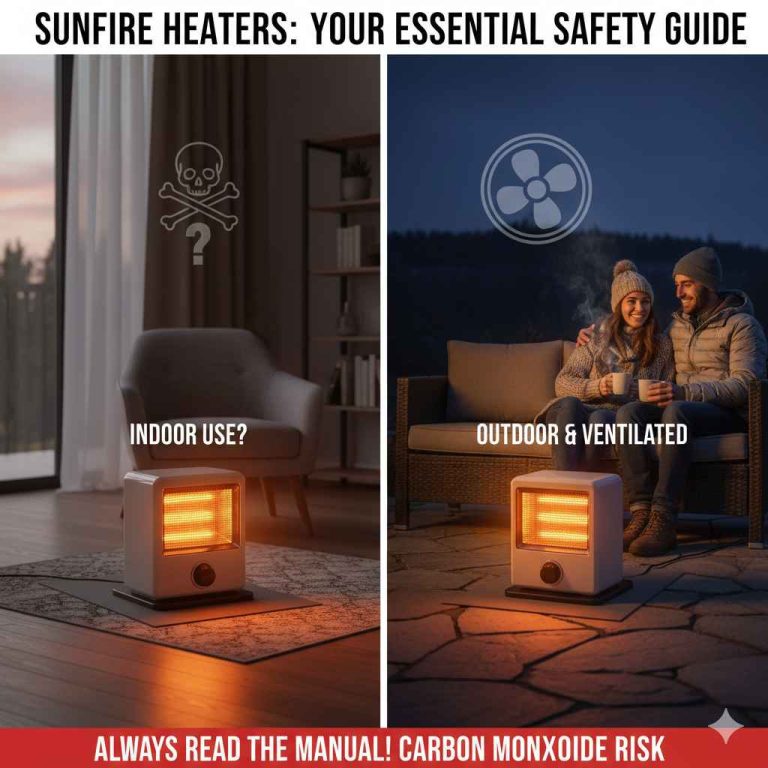
- Adequate Ventilation: Ensure good airflow around the heater. Never use outdoor heaters indoors or in enclosed spaces not designed for them, as this can lead to carbon monoxide poisoning or fire hazards.
- Clearances: Maintain safe distances from walls, fences, plants, furniture, and any other flammable materials. Local fire departments often have recommended clearance distances.
- Type of Heater: Electric patio heaters are often the simplest and safest option for residential use, as they don’t involve open flames or fuel combustion that produces dangerous gases. Propane and natural gas heaters require more careful handling and setup.
- Supervision: Never leave an operating outdoor heater unattended, especially if children or pets are around.
- Wind Conditions: Be mindful of wind. High winds can affect the performance of some heaters and increase the risk of fire.
Types of Outdoor Heaters and Their NYC Considerations
The type of outdoor heater you choose has a direct impact on its legality and safety in NYC.
Propane Patio Heaters
These are common for both residential and commercial use. They use propane tanks to generate heat.
While effective, they come with specific safety considerations:
- Regulations: NYC has strict rules regarding the number of propane tanks that can be stored and used at a single location, especially for commercial establishments. The FDNY often mandates specific storage requirements for propane tanks.
- Fuel Safety: Proper connection and regular checks of the propane tank and hose are vital to prevent leaks.
- Carbon Monoxide: Propane heaters produce carbon monoxide (CO), a colorless, odorless gas. They should always be used in well-ventilated areas.
Natural Gas Patio Heaters
These are typically permanently installed and connected to a natural gas line. They are often seen in commercial settings.
Their use in NYC is managed through building codes and fire safety regulations.
- Installation: Professional installation by a licensed contractor is usually required to ensure they meet all gas line and safety standards.
- Permits: Installation may require permits from the Department of Buildings (DOB) and potentially the FDNY.
- Continuous Fuel: They offer a convenient, continuous heat source without the need to swap propane tanks.
Electric Patio Heaters
These are powered by electricity and are often seen as one of the safest options.
They are generally well-suited for residential use and some commercial applications.
- Safety: They don’t produce carbon monoxide, and there are no flammable fuels to manage.
- Installation: Most are plug-and-play, though some are mounted. Ensure you have adequate, properly rated electrical circuits.
- Outdoor Rating: Make sure the heater is explicitly rated for outdoor use to withstand weather conditions and prevent electrical hazards.
Infrared or Radiant Heaters
These heaters warm objects and people directly, rather than heating the air. They can be electric, gas, or on rare occasions, propane-powered.
For NYC, regardless of fuel type, the same safety and regulatory considerations apply as for other types of heaters.
Navigating Permits and Approvals
For commercial establishments, obtaining the necessary permits is a critical step. This can involve multiple city agencies.
Where to Look for Information
The primary sources of information for NYC regulations are:
- Fire Department of New York (FDNY): They are the key agency for fire safety. Their official website is the best place to find their most current regulations and guidelines regarding heating devices, especially those involving open flames or fuel combustion.
- NYC Department of Buildings (DOB): For any permanent installations, especially those involving gas lines or structural modifications, the DOB will be involved. Their website provides information on building codes and permit requirements.
- NYC Department of Consumer and Worker Protection (DCWP): If your use is related to outdoor dining or commercial seating, the DCWP sets rules for those operations.
What to Ask When In Doubt
If you are a business owner and are unsure about specific requirements, don’t hesitate to reach out:
- Contact the FDNY’s BUREAU OF FIRE PREVENTION at (718) 999-2000.
- Check the specific requirements for outdoor dining on the DCWP website.
Safety First: Essential Precautions for All Outdoor Heaters
Regardless of whether you’re a business or a homeowner, prioritizing safety is non-negotiable when using outdoor heaters. Here’s a comprehensive list of precautions:
General Safety Guidelines
- Read the Manual: This cannot be stressed enough. Every heater is different, and the manufacturer’s instructions are your primary guide.
- Proper Placement: Always place heaters on a stable, level surface. Keep them away from children, pets, and high-traffic areas.
- Clearances are Crucial: Maintain recommended clearances from any and all combustible materials (e.g., walls, railings, furniture, plants, umbrellas, awnings, holiday decorations). A common recommendation for patio heaters is at least 3 feet from any structure, but always check your specific model’s requirements.
- Weather Awareness: Avoid using outdoor heaters during excessively windy or rainy conditions. High winds can blow flammable materials near the heater or even tip the unit over.
- Never Indoors: Outdoor heaters are designed for outdoor use only due to ventilation and potential carbon monoxide risks. Never use them in enclosed spaces like garages, sheds, or even partially enclosed patios without proper permits and ventilation systems.
- Supervise Operation: Always supervise operating heaters, especially if children or pets are present.
- Turn Off When Not in Use: Ensure the heater is turned off and, if applicable, cools down completely before leaving the area or storing it.
- Regular Maintenance: Check your heater regularly for any signs of wear, damage, or leaks. For propane heaters, inspect hoses and connections for cracks or brittleness.
Specific Safety for Propane Heaters
- Tank Connection: Ensure the propane tank is securely connected.
- Leak Checks: Periodically check for leaks using soapy water on connections – bubbles indicate a leak.
- Storage: Store propane tanks upright in a well-ventilated area away from ignition sources and direct sunlight, as per local regulations. Never store them indoors.
Specific Safety for Electric Heaters
- Electrical Safety: Use only outdoor-rated extension cords if needed, and ensure they are of the proper gauge for the heater’s wattage. A frayed or damaged cord is a fire hazard.
- Circuit Protection: Ensure the electrical circuit can handle the heater’s power draw to avoid tripping breakers or causing electrical issues.
- Water Exposure: While rated for outdoor use, excessive direct exposure to rain or water might still pose risks. Follow manufacturer guidelines on water resistance.
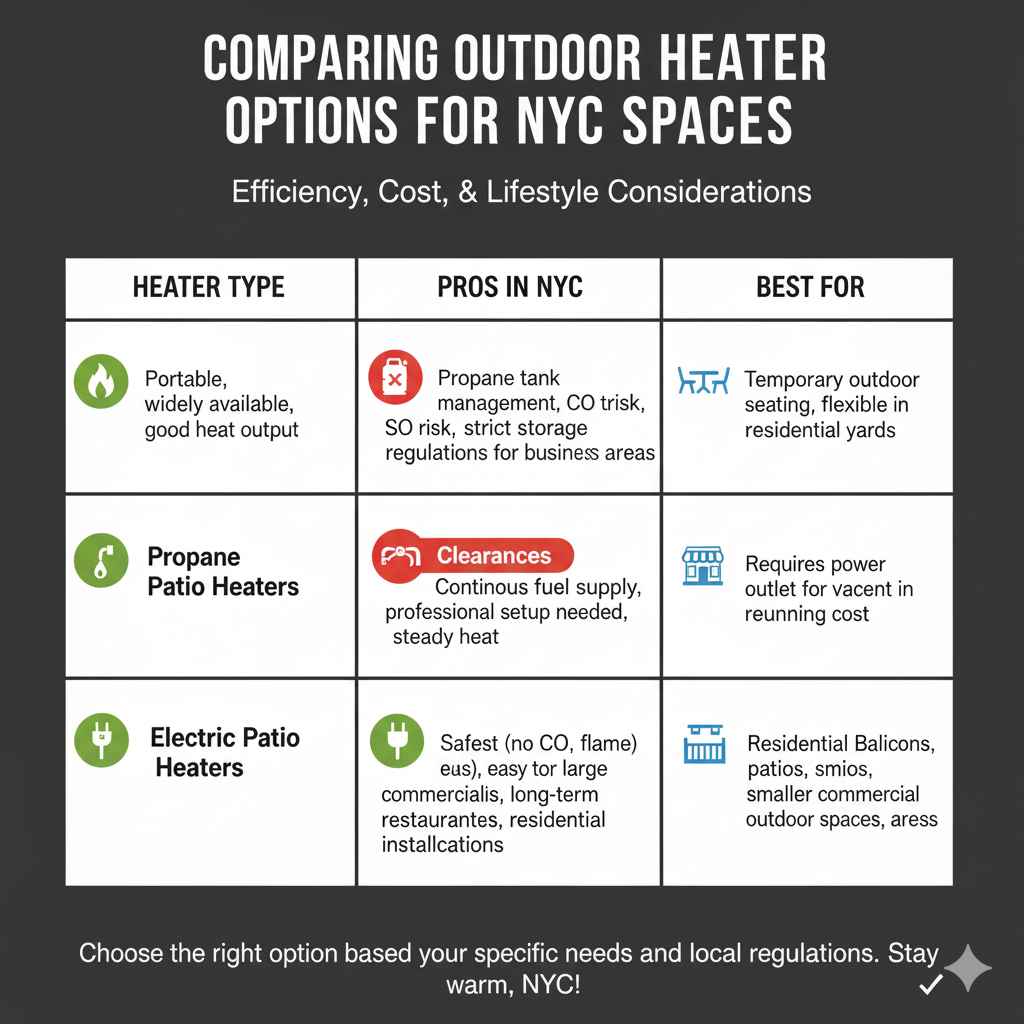
Comparing Outdoor Heater Options for NYC Spaces
Choosing the right heater involves more than just looking at BTU output. Consider efficiency, cost, and how well it fits into your NYC lifestyle.
| Heater Type | Pros in NYC | Cons in NYC | Best For |
|---|---|---|---|
| Propane Patio Heaters | Portable, widely available, good heat output. | Propane tank management, CO risk, strict storage regulations for businesses. | Temporary outdoor seating, flexible placement in residential yards. |
| Natural Gas Heaters | Continuous fuel supply, no tanks to manage, steady heat. | Permanent installation required, professional setup needed, potential permit complexities. | Established commercial patios/restaurants, long-term residential installations. |
| Electric Patio Heaters | Safest (no CO, no flame), easy to use, no fuel storage issues. | Requires power outlet, can be less powerful than gas for very large areas, potentially higher running cost depending on electricity rates. | Residential balconies/patios, smaller commercial outdoor spaces, areas where gas use is complicated. |
Frequently Asked Questions About Outdoor Heaters in NYC
Q1: Can I put a patio heater on my NYC apartment balcony?
A1: Generally, yes, for residential apartments, you can use electric or portable propane patio heaters on your balcony, provided you follow all safety guidelines. Always check your building’s specific rules and regulations, as some co-ops or condos may have their own restrictions on open flames or portable heating devices.
Q2: Do I need a permit to use a propane patio heater at my restaurant in NYC?
A2: Yes, commercial establishments, especially those using them for outdoor dining or seating, typically require permits and must adhere to strict FDNY and DCWP regulations regarding placement, fuel storage, and safety. It’s essential to contact the FDNY and DCWP directly for the most current requirements.
Q3: Are there specific types of outdoor heaters banned in NYC?
A3: While not explicitly banned, certain types of heaters or their usage might be restricted due to safety concerns. For example, using unvented heaters indoors is prohibited. For commercial use, unapproved setups can lead to violations. The focus is generally on safe installation and operation rather than a blanket ban on all types.
Q4: How close can a propane patio heater be to my house or deck railing?
A4: This varies by manufacturer and local fire codes. A common recommendation for many propane patio heaters is a minimum clearance of 3 feet (or about 1 meter) from any combustible materials, including walls, railings, and furniture. Always consult your heater’s manual and local FDNY guidelines. Failure to observe proper clearances is a major fire risk.
Q5: What are the risks of using an outdoor heater on a small, enclosed patio in NYC?
A5: The primary risks in an enclosed space are carbon monoxide (CO) poisoning from fuel-burning heaters (like propane or natural gas) and fire hazards. Proper ventilation is critical. CO can build to dangerous levels in enclosed areas, and proximity to walls or structures increases the risk of heat damage or fire. Electric heaters are generally safer for enclosed spaces if they are designed for such use and have appropriate safety features.
Q6: Where can I find the official NYC regulations for outdoor heaters?
A6: The primary authorities are the Fire Department of New York (FDNY) and the NYC Department of Buildings (DOB). You can find information on their respective official websites. For commercial outdoor dining setups, the Department of Consumer and Worker Protection (DCWP) also provides guidelines.
Making an Informed Choice for Your NYC Space
Deciding whether and how to use outdoor heaters in New York City requires careful consideration of the rules, your specific needs, and most importantly, safety. For businesses operating restaurants or bars, navigating the permit process and adhering to FDNY guidelines is paramount to offering comfortable outdoor experiences without compromising safety or facing penalties.
For residents, while the rules are simpler, responsible usage is key. Understanding the risks associated with different heater types – the CO risk of propane, the electrical demands of electric, and the installation needs of natural gas – will help you make the best choice for your private outdoor space. Always prioritize reading manuals, maintaining clearances, and ensuring good ventilation.
By staying informed and following best practices, you can confidently enjoy your outdoor spaces in New York City, even when the temperature drops. Remember, a little knowledge goes a long way in ensuring warmth, comfort, and safety for everyone.
Stay warm and safe!