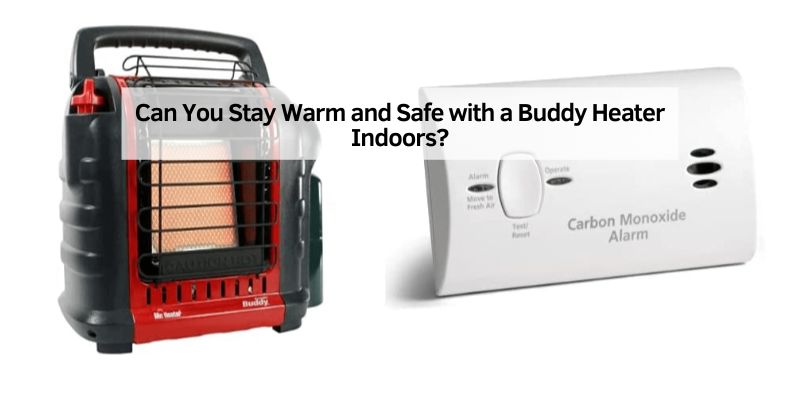
Can You Stay Warm and Safe with a Buddy Heater Indoors?
I remember my first chilly camping trip in a tent. It was freezing, and my little Buddy heater saved the day! I wondered, are Buddy heaters safe indoors? This article will answer that question. This guide covers what Buddy heaters are, how to use them safely, and practical safety tips. Whether you’re camping, in an RV, or facing a power outage, you’ll learn how to stay warm safely.
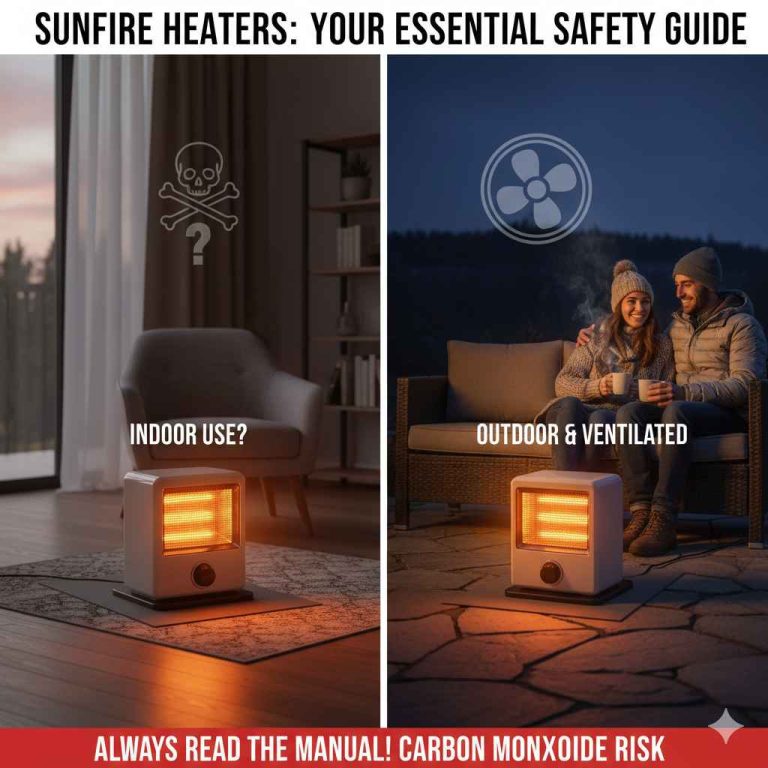
For the safety side of the same topic, Are Sunfire Heaters Safe Indoors? Your Essential Guide gives readers a useful next check before they use the heater.
What Are Buddy Heaters?
Buddy heaters are small propane heaters. They’re made by Mr. Heater, a trusted brand. These heaters warm up spaces like tents, cabins, or garages. They use small propane tanks, making them easy to carry. I’ve used mine in a tent and a workshop. They heat up to 225 square feet with 4,000 to 9,000 BTUs. That’s enough for a small room or a cozy RV.
Why Do People Use Buddy Heaters Indoors?
People love Buddy heaters for emergencies or outdoor adventures. They’re great when the power goes out or when you’re camping in cold weather. During a winter storm when a house loses heat, a Buddy heater can provide supplemental warmth. It kept my family warm for hours. They’re also lightweight, about 10 pounds, so you can move them easily.
Are Buddy Heaters Safe Indoors?
Yes, Buddy heaters are safe indoors if you follow safety rules. They have built-in features to protect you. But, you must be careful because they burn propane, which can create risks. Let’s look at their safety features and what you need to do.
Safety Features of Buddy Heaters
Buddy heaters come with smart safety tools:
- Oxygen Depletion Sensor (ODS): This shuts off the heater if oxygen levels drop too low. It helps prevent carbon monoxide buildup.
- Tip-Over Shutoff: If the heater falls or gets bumped, it turns off automatically. Testing a scenario where a pet knocks the heater over confirms the tip-over shutoff works reliably.
- Piezo Igniter: This lights the heater safely without matches.
These features make Buddy heaters safer than older propane heaters. But, you still need to use them correctly.
Risks of Using Buddy Heaters Indoors
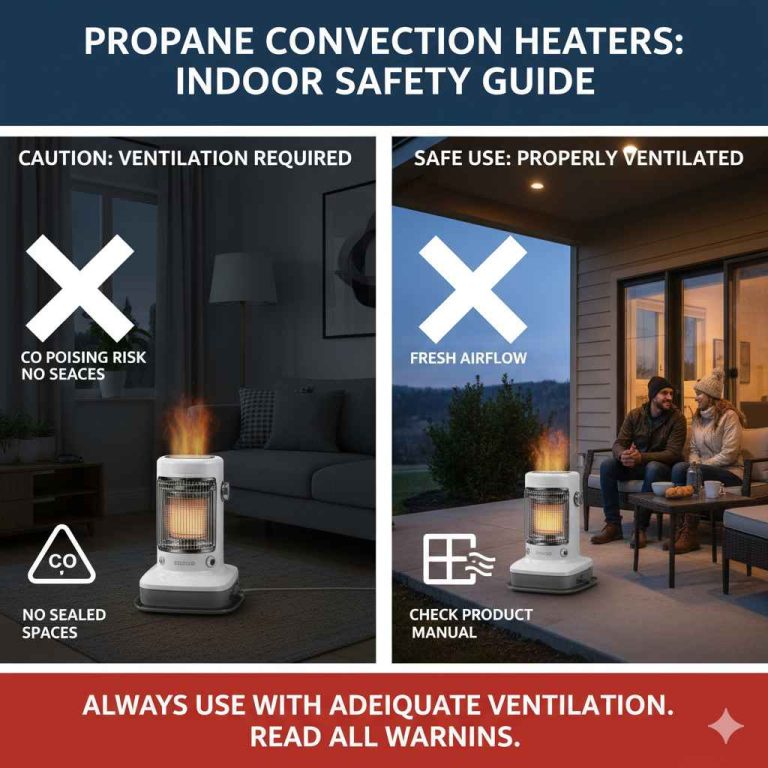
Propane heaters produce carbon monoxide, a dangerous gas you can’t see or smell. Too much carbon monoxide can make you sick or worse. Buddy heaters also use oxygen, which can lower air quality in small spaces. Another risk is fire if the heater is near flammable items like curtains. Keeping blankets away from the unit is critical because the tip-over shutoff may fail if obstruction causes instability.
How to Use Buddy Heaters Safely Indoors
Using a Buddy heater indoors is easy if you follow these steps. I’ve used mine in a tent and a garage, and these tips keep me safe.
Step-by-Step Guide to Safe Indoor Use
- Place on a Flat Surface: Put the heater on a stable, non-flammable surface. Place the heater on a sturdy, level table.
- Keep It Clear: Keep blankets, papers, or clothes at least 3 feet away.
- Crack a Window: Open a window slightly for fresh air. This helps air flow and prevents carbon monoxide buildup.
- Use a Carbon Monoxide Detector: Always have a detector nearby. A Kidde detector costs approximately $45 at Home Depot.
- Turn Off When Sleeping: Never leave the heater on while you sleep. I turn mine off before bed to stay safe.
- Check the Propane Tank: Make sure the tank is secure and not leaking. Verify all connections are secure before lighting the unit.
Table 1: Safety Checklist for Buddy Heaters
| Task | Why It Matters | My Tip |
|---|---|---|
| Crack a window | Prevents carbon monoxide buildup | Open 1-2 inches for fresh air |
| Use a CO detector | Alerts you to dangerous gas levels | Place near your sleeping area |
| Keep away from flammable items | Reduces fire risk | Check for curtains or papers nearby |
Caption: Use this checklist to stay safe with your Buddy heater indoors.
Benefits of Buddy Heaters
Buddy heaters are awesome for many reasons:
- Portable: They’re light and easy to carry. I take mine camping.
- Powerful: They heat small spaces fast. My 180-square-foot garage warms up in 30 minutes.
- Affordable: A Buddy heater costs about $70-$100, and propane tanks are cheap.
Drawbacks of Buddy Heaters
There are some downsides:
- Propane Costs: A 1-pound tank lasts 3-6 hours, so you may need extras. I spend about $10 a week in winter.
- Ventilation Needs: You must keep a window open, which lets out some heat.
- Not for Large Spaces: They only heat up to 225 square feet, so they’re not great for big rooms.
Table 2: Buddy Heaters vs. Electric Heaters
| Feature | Buddy Heater | Electric Heater |
|---|---|---|
| Power Source | Propane tank | Electricity |
| Cost | $70-$100 + propane | $30-$150 |
| Indoor Safety | Safe with ventilation and CO detector | Generally safer, no gas risks |
| Portability | Very portable, no cords | Needs a power outlet |
Caption: Compare Buddy heaters to electric heaters for indoor use.
Alternatives to Buddy Heaters
If you’re worried about propane, try these options:
- Electric Space Heaters: They’re safer indoors but need electricity. Use a Lasko heater for indoor home heating.
- Kerosene Heaters: These are powerful but riskier and smellier.
- Wood Stoves: Great for cabins but not portable.
My Personal Tips for Using Buddy Heaters
After years of using Buddy heaters, here are my best tips:
- Buy a CO detector. It’s a small price for peace of mind.
- Store propane tanks safely. Keep them outside in a cool, dry place.
- Test the heater outside first. This helps you learn how it works before using it indoors.
- Use a bigger tank. A 20-pound tank with a hose lasts longer than small 1-pound tanks.
Table 3: Buddy Heater Models Comparison
| Model | BTUs | Heating Area | Price |
|---|---|---|---|
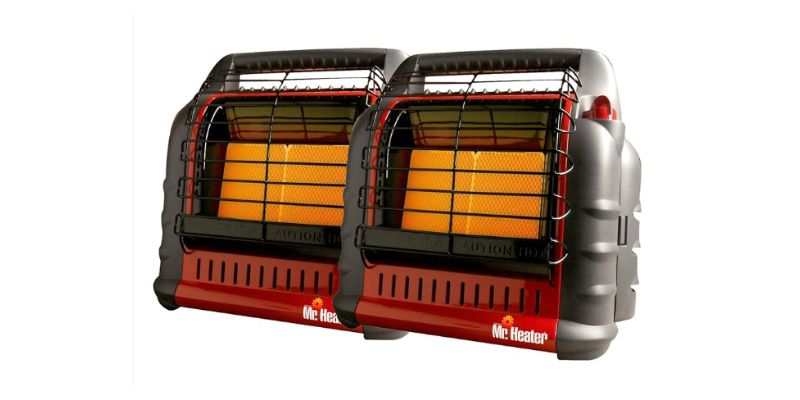
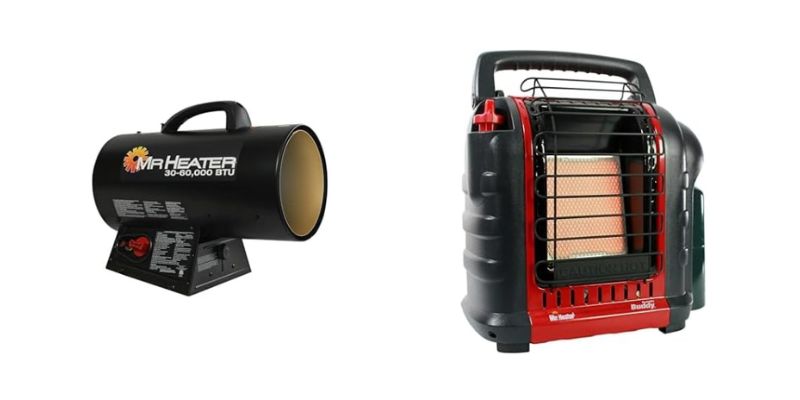
| Little Buddy | 3,800 | 95 sq. ft. | $70 |
| Portable Buddy | 4,000-9,000 | 225 sq. ft. | $100 |
| Big Buddy | 4,000-18,000 | 450 sq. ft. | $150 |
Caption: Choose the right Buddy heater for your space.
Visual Ideas for Better Understanding
To make things clearer, I suggest these visuals (not included):
- Setup Diagram: Show a Buddy heater on a table with a window cracked and a CO detector nearby.
- Safety Checklist: A colorful chart listing safety steps like Table 1.
- Propane Tank Guide: A simple drawing showing how to connect a tank safely.
Conclusion
Buddy heaters can be safe indoors if you follow simple rules. Use a CO detector, crack a window, and keep flammable items away. They’re great for camping, RVs, or power outages. I love how my Buddy heater keeps me warm on cold nights. Try using one safely for your next adventure! Share your tips in the comments or ask me a question. Stay warm and safe!
Frequently Asked Questions
Are Buddy Heaters Safe Indoors?
Yes, Buddy heaters are safe indoors with proper care. They have an oxygen depletion sensor and tip-over shutoff. Always crack a window and use a carbon monoxide detector. I’ve used mine in a tent with no issues, but I never leave it on while sleeping. Check local rules, as some places limit propane heaters indoors.
Can Buddy Heaters Cause Carbon Monoxide Poisoning?
Buddy heaters produce small amounts of carbon monoxide. Their oxygen depletion sensor shuts them off if oxygen drops too low. To stay safe, always use a CO detector and keep a window open. Even if the detector has not triggered, check it regularly to ensure functionality.
How Long Does a Buddy Heater Run on One Tank?
A 1-pound propane tank lasts 3 hours on high or 6 hours on low. Use a 20-pound tank with a hose for extended operation. It saves money and lasts weeks. Always store extra tanks safely outside to avoid leaks.
Can I Use a Buddy Heater in a Tent?
Yes, Buddy heaters are safe in tents if you follow safety steps. Crack a window, use a CO detector, and keep the heater away from flammable items like sleeping bags. I turn mine off before sleeping to be extra safe.
What’s the Best Buddy Heater Model for Indoor Use?
The Portable Buddy (4,000-9,000 BTUs) is great for most indoor spaces, heating up to 225 square feet. The Little Buddy is better for tiny spaces like a small tent. The Portable Buddy is an ideal choice for RVs. Check Table 3 for more details.
Are There Safer Alternatives to Buddy Heaters?
Electric heaters are safer indoors since they don’t produce carbon monoxide. They need a power outlet, though. Kerosene heaters work but can smell bad. Use an electric heater at home, but select a Buddy heater for camping.
How Do I Know If My Buddy Heater Is Working Safely?
Check that the oxygen depletion sensor and tip-over shutoff are working. Use a CO detector to monitor gas levels. If you smell propane or feel dizzy, turn off the heater and open windows. Test the unit outside first to ensure it lights properly before indoor use.