Are 12-Year Water Heaters Worth It?
Hey there! If you’re reading this, chances are you’re standing in the aisle of a home improvement store or browsing online, wondering whether a 12-year water heater is worth the investment. I get it—buying a water heater isn’t exactly the most thrilling purchase, but it’s a big decision that affects your home’s comfort and your wallet. I’ve spent a lot of time researching water heaters, comparing warranties, and digging into what makes a 12-year model different from the rest. Let me walk you through everything I’ve learned to help you decide if a 12-year water heater is the right choice for you. Spoiler alert: it’s not just about the warranty length! Let’s dive in.
What Does a 12-Year Water Heater Mean?
When you see a water heater labeled as “12-year,” it’s referring to the warranty period offered by the manufacturer. This warranty typically covers the tank and its components, like the heating elements or burners, for 12 years. It’s a promise that if something goes wrong due to a manufacturing defect, the company will repair or replace it. Sounds great, right? But there’s more to it.
A 12-year water heater is often a premium model compared to those with shorter warranties, like 6 or 9 years. These units usually come with better insulation, larger or more durable heating elements, and sometimes features like anti-scale technology to reduce mineral buildup. The idea is that they’re built to last longer and perform better. But does that make them worth the higher price tag? Let’s break it down.
Why Warranty Length Matters
The warranty on a water heater is like a safety net. It gives you peace of mind knowing you’re covered if the tank springs a leak or the heating element fails. A 12-year warranty suggests the manufacturer is confident in the product’s durability. In my experience, longer warranties often mean better build quality, but it’s not a guarantee the heater will last exactly 12 years—or longer.
Most water heaters, regardless of warranty, last about 8 to 12 years on average. A 12-year model might outlast a 6-year one because of its sturdier components, but your water quality, usage, and maintenance habits play a huge role. For example, hard water with lots of minerals can shorten a heater’s life by causing scale buildup. I’ve seen friends replace their water heaters sooner than expected because they didn’t flush the tank regularly. So, while a 12-year warranty is a good sign, it’s not the whole story.
Comparing 12-Year Water Heaters to Other Options
To figure out if a 12-year water heater is worth it, let’s compare it to other options. Most water heaters come with 6, 9, or 12-year warranties, and there are also tankless and heat pump models to consider. Here’s a quick look at how they stack up:
| Type | Warranty | Average Lifespan | Upfront Cost | Energy Efficiency | Best For |
|---|---|---|---|---|---|
| 6-Year Storage Tank | 6 years | 8–10 years | $400–$800 | Moderate | Budget-conscious homeowners |
| 9-Year Storage Tank | 9 years | 10–12 years | $600–$1,000 | Moderate to High | Average households |
| 12-Year Storage Tank | 12 years | 10–14 years | $800–$1,500 | High | Larger families, long-term use |
| Tankless Water Heater | 10–15 years | 15–20 years | $1,000–$3,000 | Very High | High hot water demand, small spaces |
| Heat Pump Water Heater | 10–12 years | 13–15 years | $1,500–$2,500 | Extremely High | Energy-conscious households |
From this table, you can see that 12-year water heaters sit in the middle ground. They’re pricier than 6 or 9-year models but cheaper than tankless or heat pump options. They offer solid durability and efficiency for most homes, especially if you don’t want the higher upfront cost of a tankless unit.
The Cost Breakdown: Is It Worth the Price?
Let’s talk money. A 12-year water heater typically costs $800 to $1,500, depending on the brand, size, and features. Compare that to a 6-year model, which might run you $400 to $800. The price difference can feel steep, especially if you’re on a tight budget. But here’s where it gets interesting: the long-term savings might make up for it.
A 12-year water heater often has better insulation, which reduces heat loss and lowers your energy bills. For example, my cousin bought a 12-year model a few years ago, and she noticed her electricity bill dropped by about $10 a month compared to her old 6-year unit. That’s $120 a year, which adds up over the heater’s life. Plus, the longer warranty means you’re less likely to pay for repairs or a replacement sooner.
Installation costs are another factor. Expect to pay $300 to $800 for professional installation, whether it’s a 6, 9, or 12-year model. If you’re replacing a similar tank-style heater, the installation is straightforward. But switching to a tankless or heat pump model could mean extra plumbing or electrical work, which can push costs higher.
Here’s a quick example: Let’s say a 12-year water heater costs $1,200 upfront, and a 6-year model costs $600. If the 12-year model saves you $120 a year on energy and lasts two years longer, you’re saving $1,440 over 12 years ($120 x 12). Subtract the $600 price difference, and you’re still $840 ahead. That’s why I lean toward 12-year models for most households—they often pay for themselves over time.
Energy Efficiency and Long-Term Savings
Energy efficiency is a big deal when it comes to water heaters. After your home’s heating and cooling system, your water heater is usually the second-biggest energy user, eating up about 18% of your household’s energy budget. A 12-year water heater typically has a higher Uniform Energy Factor (UEF), which measures how efficiently it turns energy into hot water. A higher UEF means lower energy bills.
For instance, many 12-year models use thicker insulation and better heating elements, which keep water hot longer and reduce the need to reheat it. Some even have features like self-cleaning systems to prevent sediment buildup, which can make a heater work harder and use more energy. When I was shopping for my water heater, I noticed that 12-year models often had a UEF of 0.65 or higher, compared to 0.55–0.60 for 6-year models. That might not sound like much, but it can save you hundreds of dollars over the years.
If you’re considering a heat pump water heater, they’re even more efficient, using up to 63% less energy than traditional electric models. But they cost more upfront—around $1,950 for a 50-gallon unit compared to $1,200 for a 12-year tank model. For most people, a 12-year storage tank heater strikes a good balance between cost and efficiency.
Durability and Maintenance: Will It Really Last 12 Years?
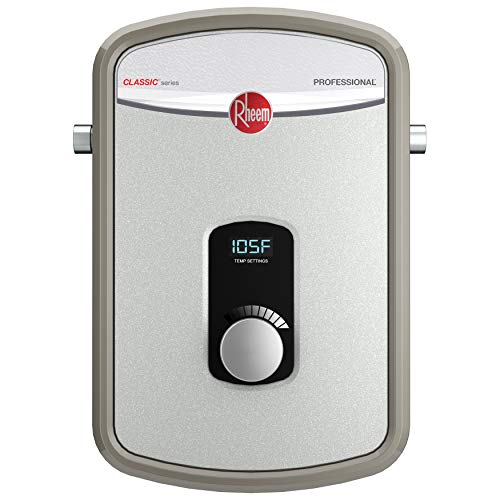
A 12-year warranty is a strong selling point, but will the heater actually last that long? In my experience, it depends on a few things. First, the quality of the heater matters. Brands like Rheem, A.O. Smith, and Bradford White are known for their 12-year models, and they often use better materials, like brass drain valves instead of plastic ones, which are more durable.
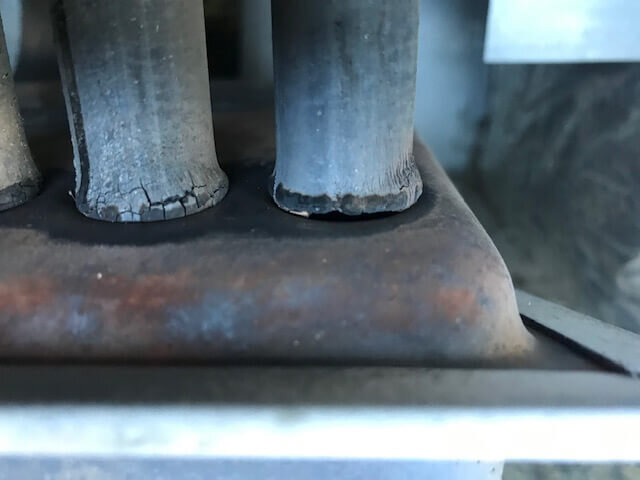
Second, your home’s water quality plays a huge role. If you have hard water, minerals like calcium and magnesium can build up in the tank, damaging the heating elements and shortening the heater’s life. I learned this the hard way when my old water heater started making weird noises after just 7 years. Flushing the tank every 6–12 months can help, and some 12-year models come with anti-scale features to reduce buildup.
Finally, how much you use the heater matters. If you’ve got a big family with multiple showers, dishwashers, and laundry loads running daily, the heater works harder and might not last as long. In my house, with just two of us, a 12-year model has been going strong for 10 years with regular maintenance. So, while a 12-year water heater can last 12 years or more, it’s not a sure thing unless you take care of it.
Who Should Buy a 12-Year Water Heater?
Not everyone needs a 12-year water heater, so let’s talk about who it’s best for. If you’re a homeowner planning to stay in your house for 10+ years, a 12-year model makes a lot of sense. The longer lifespan and energy savings can outweigh the higher upfront cost. It’s also a good fit for larger families who use a lot of hot water, as these models often have bigger tanks (50–80 gallons) and faster recovery rates, meaning they heat water quicker.
On the other hand, if you’re renting, moving soon, or on a tight budget, a 6 or 9-year model might be enough. They’re cheaper upfront, and if you’re not staying long, you won’t benefit from the long-term savings of a 12-year unit. For those with high hot water demands or small spaces, a tankless water heater might be better, though they cost more to install. And if energy efficiency is your top priority, a heat pump water heater could be worth the splurge.
When I helped my sister pick a water heater, we went with a 12-year model because she has three kids and plans to stay in her home for the long haul. It’s been a great fit for her family’s needs, and she hasn’t had any issues in the five years since.
Installation and Compatibility Considerations
Installing a 12-year water heater is usually straightforward if you’re replacing an existing tank-style model. Most homes are set up for standard electric or gas tank heaters, so you won’t need major plumbing or electrical changes. However, 12-year models can be slightly larger due to their thicker insulation, so check the dimensions to make sure it fits in your space.
If you’re switching from a gas to an electric model (or vice versa), things get trickier. You might need a new gas line or a 240-volt electrical circuit, which can add $500–$1,000 to the installation cost. I ran into this when a friend wanted to switch to an electric 12-year model but didn’t have the right wiring. It ended up costing her more than expected, so double-check your setup before buying.
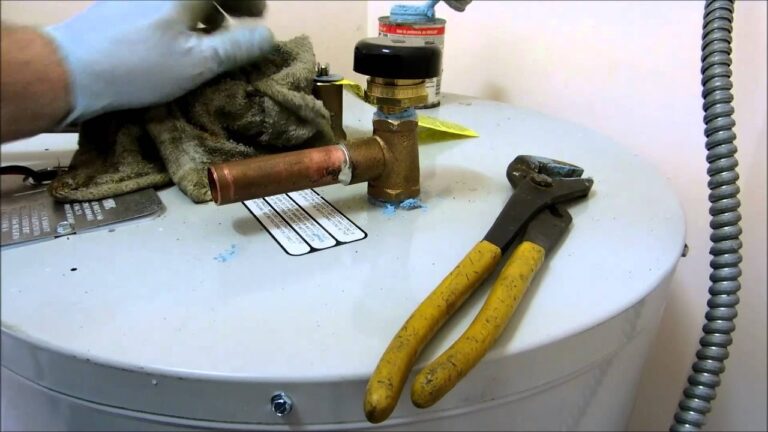
Hiring a professional is a smart move, especially for gas heaters, which require proper venting to avoid carbon monoxide risks. Installation typically takes 2–4 hours and costs $300–$800, depending on your location and the complexity of the job.
Are There Better Alternatives?
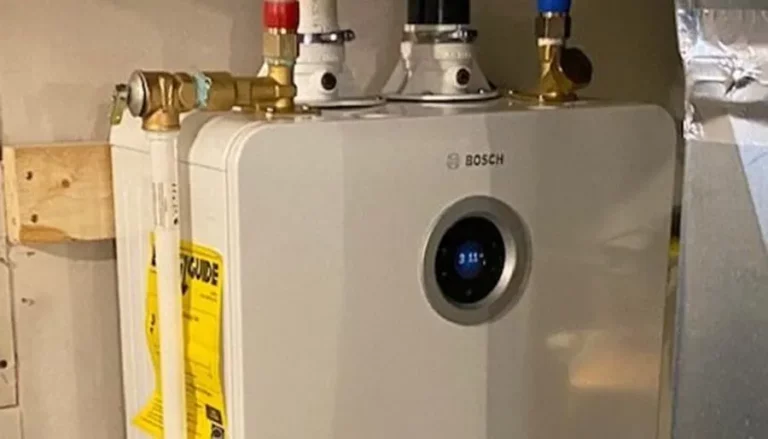
You might be wondering if there’s a better option than a 12-year water heater. Tankless water heaters are a popular alternative because they heat water on demand, so you never run out. They last 15–20 years and are more energy-efficient, but the upfront cost ($1,000–$3,000 plus installation) can be a dealbreaker. I looked into tankless for my home but decided against it because the installation would’ve required major plumbing changes.
Heat pump water heaters are another option. They use less energy by pulling heat from the air, and they can save you $300–$400 a year compared to a standard electric model. But they need a lot of space for airflow and don’t work well in cold climates. Plus, at $1,500–$2,500, they’re a bigger investment upfront.
For most people, a 12-year water heater is a practical choice. It’s reliable, efficient enough, and doesn’t require the major upfront costs or home modifications of tankless or heat pump models.
My Personal Take: Why I Chose a 12-Year Water Heater
When I needed a new water heater a few years ago, I spent weeks researching. I was torn between a 9-year and a 12-year model. The 9-year one was tempting because it was $300 cheaper, but I kept coming back to the 12-year model’s better insulation and longer warranty. I figured I’d rather pay more upfront than deal with a replacement sooner. Plus, my area has hard water, so the anti-scale feature on the 12-year model was a big selling point.
It’s been 10 years, and I’m still happy with my choice. The heater’s been reliable, and my energy bills are lower than they were with my old unit. I flush it every year, which takes about 20 minutes, and it’s kept the heater in great shape. For me, the 12-year water heater was worth it, but it’s not a one-size-fits-all answer.
Conclusion
So, are 12-year water heaters worth it? In my opinion, they often are—especially if you’re a homeowner planning to stay put for a decade or more. The higher upfront cost is balanced by energy savings, better build quality, and a longer warranty that protects you from unexpected repair bills. They’re a great middle ground between budget-friendly 6-year models and pricier tankless or heat pump options. But it’s not just about the heater itself—your water quality, usage, and maintenance habits will determine how long it lasts and how much you save.
Take a moment to think about your needs. If you’ve got a big family or hard water, a 12-year model’s durability and features could be a game-changer. If you’re on a tight budget or moving soon, a cheaper model might do the trick. Whatever you choose, make sure to maintain it with regular flushes and checkups to get the most out of your investment. I hope this guide helps you make a confident decision—let me know if you have any questions!
FAQs
Should I Buy a 12-Year Water Heater If I’m Renting?
If you’re renting, a 12-year water heater might not be the best choice. Since you’re not likely to stay in the home for the full lifespan of the heater, you won’t benefit from the long-term savings. A 6 or 9-year model is usually cheaper and sufficient for renters. Talk to your landlord about who’s responsible for the purchase and maintenance.
How Often Should I Maintain My 12-Year Water Heater?
I recommend flushing your water heater every 6–12 months to remove sediment and prevent buildup. This takes about 20–30 minutes and can extend the heater’s life. Also, check the anode rod every 2–3 years—it’s a metal rod that protects the tank from corrosion. If it’s worn out, replace it to keep your heater in top shape.
Can a 12-Year Water Heater Save Me Money on Energy Bills?
Yes, most 12-year water heaters are more energy-efficient than 6 or 9-year models because of better insulation and heating elements. You could save $100–$150 a year on energy, depending on your usage and local rates. Over 12 years, that’s $1,200–$1,800, which can offset the higher upfront cost.
Is a Tankless Water Heater Better Than a 12-Year Tank Model?
Tankless water heaters last longer (15–20 years) and are more energy-efficient, but they cost $1,000–$3,000 plus installation, which can be pricey if your home needs plumbing or electrical upgrades. A 12-year tank model is cheaper and easier to install, making it a better fit for most homes unless you have high hot water needs or limited space.
What Brands Offer Reliable 12-Year Water Heaters?
Brands like Rheem, A.O. Smith, and Bradford White are known for their reliable 12-year water heaters. They use high-quality materials like brass valves and thick insulation. I’ve had good experiences with Rheem, and friends swear by A.O. Smith for their durability and performance.