
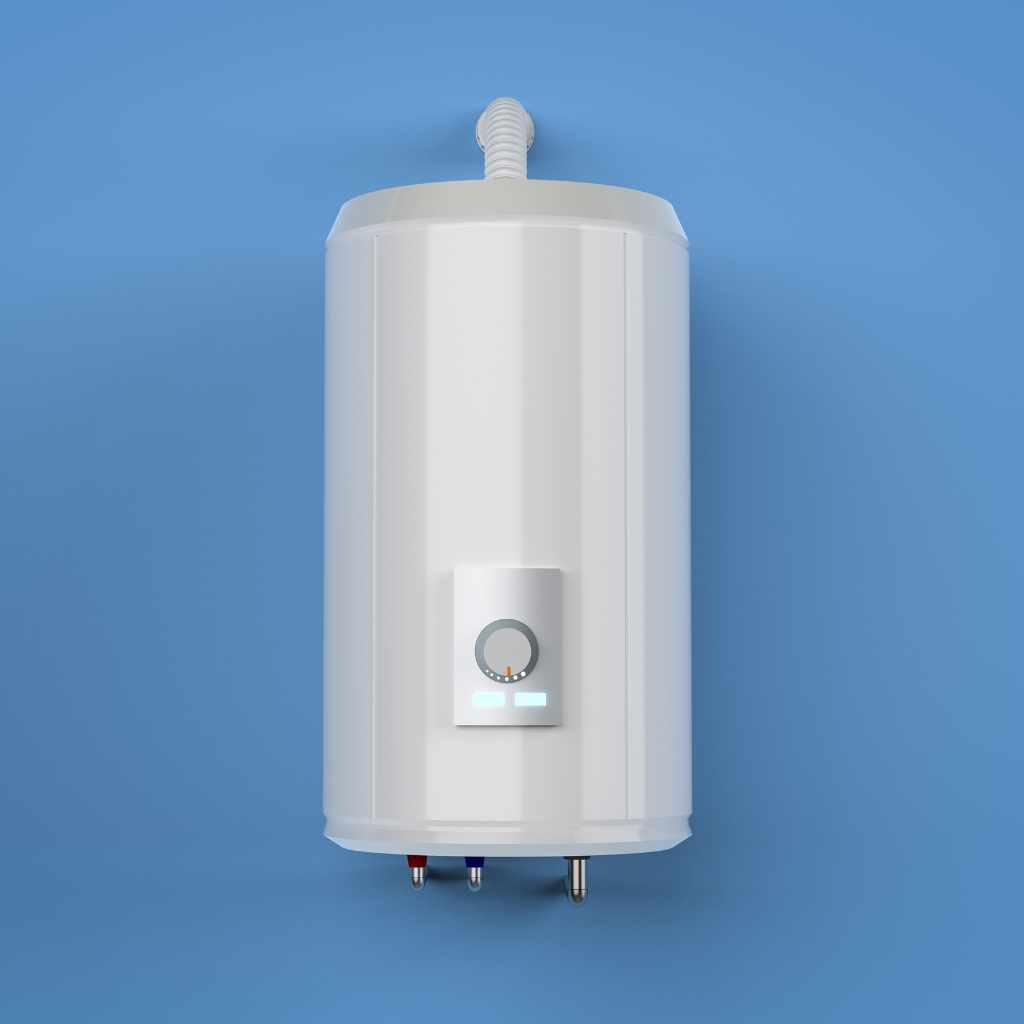
Are you wondering if all water heaters use 240 volts? This question matters because the voltage affects how your water heater works and how much energy it uses.
Knowing the answer can help you save money, avoid electrical problems, and choose the right water heater for your home. Keep reading to discover the truth about water heater voltages and what you need to know before making a decision.
This simple insight could make a big difference for your comfort and safety.
Voltage Types For Water Heaters
Water heaters come with different voltage types to match home electrical systems. Knowing these voltage types helps in choosing the right water heater. The voltage affects how the heater works and how much power it uses. This section explains common voltage ratings and the key differences between 120V and 240V water heaters.
Common Voltage Ratings
Water heaters usually run on two main voltages: 120 volts and 240 volts. Many small or point-of-use heaters use 120 volts. Larger units, like whole-house water heaters, often require 240 volts. The voltage rating depends on the heater’s size and power needs. Homes typically have both voltages available for different appliances.
Differences Between 120v And 240v Models
120V water heaters use standard household current. They are easier to install and use less power. These models heat water slower and suit smaller needs.
240V water heaters use higher voltage and more power. They heat water faster and handle larger demands. These heaters need special wiring and breakers for safety. They are common in bigger homes or where hot water use is high.
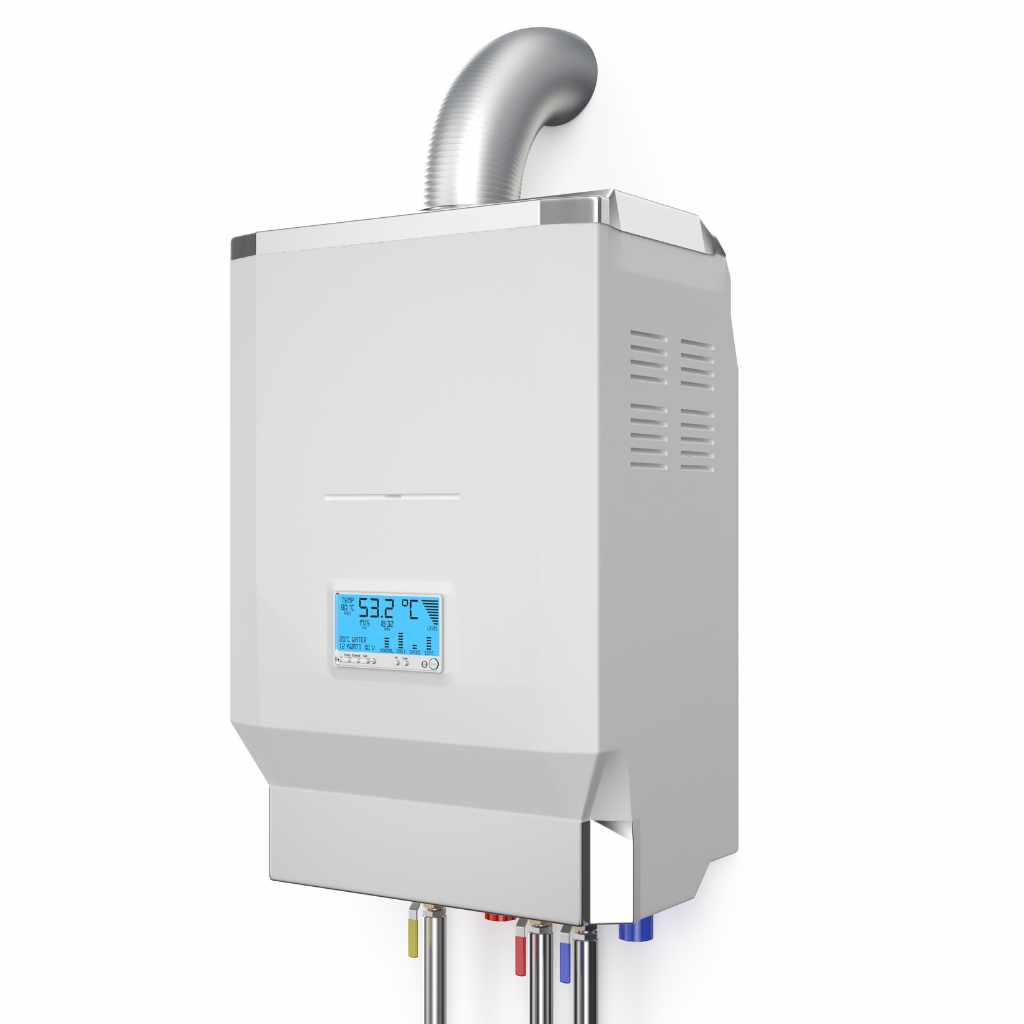
Advantages Of 240 Volt Water Heaters
240 volt water heaters offer several clear benefits over lower voltage models. They provide reliable performance and can handle larger water heating demands. These units are common in many homes and businesses due to their power and efficiency.
Choosing a 240 volt water heater means investing in a system designed for faster and more efficient heating. This makes them ideal for busy households or places with high hot water use. Below are some key advantages of using 240 volt water heaters.
Energy Efficiency
240 volt water heaters use electricity more efficiently. They heat water faster, reducing the overall energy needed. This efficiency helps lower electricity bills. Less energy waste means a smaller carbon footprint too. Many models have modern technology to maintain heat better. This keeps water hot longer without using extra power.
Faster Heating Times
These heaters warm water much quicker than 120 volt units. Faster heating means less waiting for hot water. This is useful during busy mornings or when many people need hot water. Quick heating saves water too because you do not run the tap as long. It also ensures a steady supply of hot water for daily tasks.
When 120 Volt Water Heaters Are Used
Not all water heaters use 240 volts. Some models run on 120 volts. These are common in specific situations. They usually serve smaller needs or special purposes. Understanding where 120 volt water heaters fit helps in choosing the right unit.
Small Capacity Units
120 volt water heaters often come in small sizes. They hold less water than standard models. These units fit well in apartments or small homes. They heat water fast but only in small amounts. This makes them ideal for limited space and low water use.
Portable And Point-of-use Heaters
Many 120 volt heaters are portable or point-of-use. These devices heat water right where needed. They connect easily to normal power outlets. Perfect for sinks, small kitchens, or remote areas. Portable heaters offer convenience without the need for special wiring.
Installation Considerations
Installing a water heater needs careful planning. It is not just about placing the unit. Proper setup ensures safety and efficiency. Electrical needs and safety rules must be followed strictly. These points help to avoid problems later.
Electrical Requirements
Most large water heaters use 240 volts. Small models may run on 120 volts. Check the unit’s label for voltage details. The circuit must match the heater’s power needs. Use the right wire size to prevent overheating. A dedicated circuit is often required. This keeps the heater running safely without tripping breakers.
Safety Measures
Safety is key when installing a water heater. Turn off power before starting work. Use a licensed electrician for wiring tasks. Proper grounding avoids electric shock risks. Install a circuit breaker or fuse as required. Place the heater away from water sources. Follow local building codes and guidelines. This protects your home and family from hazards.
Choosing The Right Water Heater Voltage
Choosing the right water heater voltage is important for safety and efficiency. Different homes need different power levels. Picking the right voltage can save money and avoid problems.
Understanding your household needs and power supply helps decide the best voltage for your water heater.
Household Needs
Consider how many people live in your home. More people mean more hot water use. Bigger families may need a higher voltage water heater. Smaller homes can use lower voltage models. Think about your daily water use too. This affects the size and voltage of your heater.
Power Supply Availability
Check the power supply in your home. Some homes have 240-volt power ready. Others only have 120 volts available. Your water heater must match the power supply. Using the wrong voltage can cause damage or poor performance. Consult an electrician if unsure about your home’s power setup.
Troubleshooting Voltage Issues
Voltage issues can cause water heaters to stop working properly. Understanding these problems helps you fix small issues quickly. It also keeps your water heater safe and efficient. Troubleshooting voltage problems saves time and money.
Common Problems
One common problem is the water heater not turning on. This may happen if the breaker trips or a fuse blows. Another issue is uneven heating, which can result from voltage drops. Loose wiring or damaged electrical components also cause voltage problems. Checking these parts regularly helps prevent bigger issues.
When To Call A Professional
Electricity can be dangerous. Avoid fixing complex electrical problems yourself. Call a professional if the breaker keeps tripping. Also, get help when wires look burnt or damaged. If you do not feel confident working with electricity, a licensed technician is the safest choice.
Frequently Asked Questions
Are All Water Heaters Powered By 240 Volts?
No, not all water heaters use 240 volts. Many electric water heaters require 240 volts, but smaller or tankless models may use 120 volts.
Why Do Most Water Heaters Need 240 Volts?
Most water heaters need 240 volts to efficiently heat large water volumes quickly. This higher voltage allows faster heating and better energy efficiency.
Can A Water Heater Run On 120 Volts?
Yes, some small or point-of-use water heaters run on 120 volts. These models are usually compact and heat less water compared to 240-volt units.
How To Check If My Water Heater Is 240 Volts?
Check the water heater’s specification label or manual. It will list the required voltage, often found near the electrical connection or inside the access panel.
Conclusion
Not all water heaters use 240 volts. Some models run on 120 volts instead. The choice depends on the heater size and power needs. Bigger heaters often need 240 volts for better performance. Smaller units may work fine with 120 volts.
Always check the specifications before buying or installing. Using the right voltage keeps your heater safe and efficient. Understanding this helps you make smarter decisions for your home. It saves money and avoids electrical issues. Keep this in mind when choosing a water heater.
Last Updated on December 28, 2025 by Tanim