
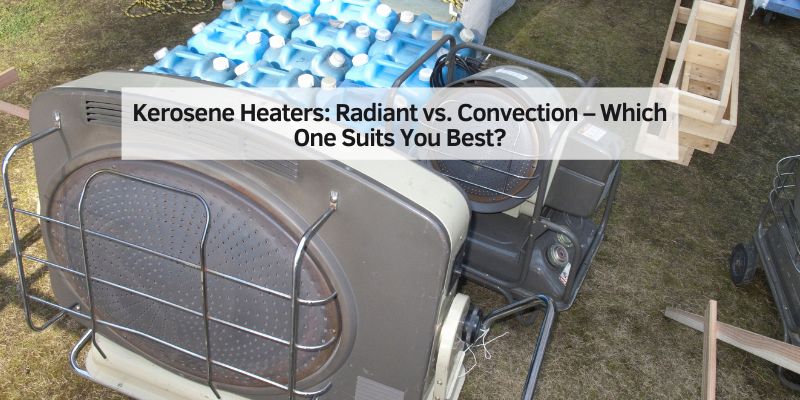
Hey there! If you’re like me, winter’s chill has probably got you thinking about ways to keep your home warm and cozy without breaking the bank. I’ve spent a lot of time researching and even using kerosene heaters to stay toasty during those freezing months, especially when the power goes out or I’m looking to heat a specific space like my garage or living room. Today, I want to share everything I’ve learned about kerosene heaters, specifically the difference between radiant and convection models. Trust me, choosing the right one can make a huge difference in comfort, efficiency, and safety.
So, grab a cup of coffee, and let’s dive into the world of kerosene heaters to figure out which type is the perfect fit for you!
What Are Kerosene Heaters?
Before we get into the nitty-gritty of radiant versus convection, let’s talk about what kerosene heaters are. These are portable heating devices that burn kerosene, a liquid fuel, to produce heat. They’re incredibly handy for supplemental heating or as a backup during power outages. I’ve used them in my home when the electricity went out during a snowstorm, and let me tell you, they’re lifesavers. Unlike electric heaters, kerosene heaters don’t rely on power grids, making them ideal for emergencies or off-grid living.
Kerosene heaters work by drawing fuel from a tank through a wick, which then burns to create heat. The process is simple, but the way that heat is distributed depends on whether the heater is radiant or convection. Both types have their strengths, and understanding them will help you make an informed choice.
Radiant Kerosene Heaters: Direct, Focused Warmth
Let’s start with radiant kerosene heaters. These are my go-to when I need quick, targeted warmth. Radiant heaters work by emitting infrared radiation, which directly heats objects and people in their line of sight. Imagine sitting by a campfire—the warmth you feel on your face and hands is radiant heat. It’s immediate and cozy, perfect for smaller spaces like a bedroom, garage, or even an outdoor patio.
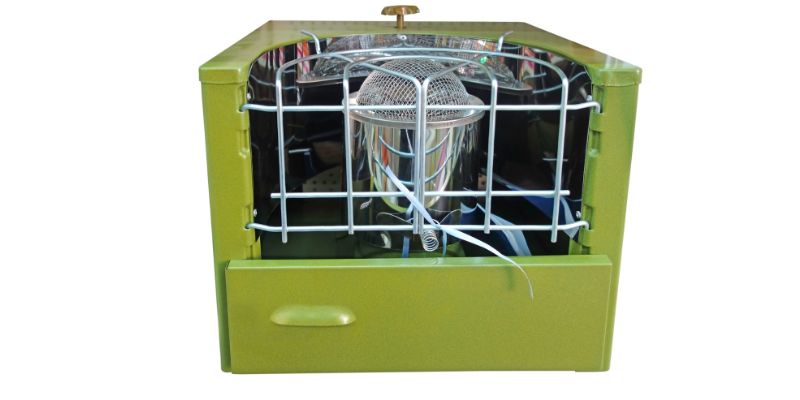
When I first got a radiant kerosene heater, I was amazed at how fast it warmed me up. I set it up in my garage while working on a project, and within minutes, I could feel the heat on my skin, even though the air around me was still chilly. These heaters are typically rectangular and feature a burner with a reflector that directs heat forward. Some models even have a small fan to help spread the warmth a bit more evenly.
Radiant heaters are great for spot heating. If you’re sitting in one place—like at a desk or on a couch—they’ll keep you toasty without needing to heat the entire room. They’re also more energy-efficient for small spaces because they don’t waste energy warming up air that might escape through drafts. However, they’re not the best choice for heating large areas or multiple rooms, as their heat is focused rather than circulated.
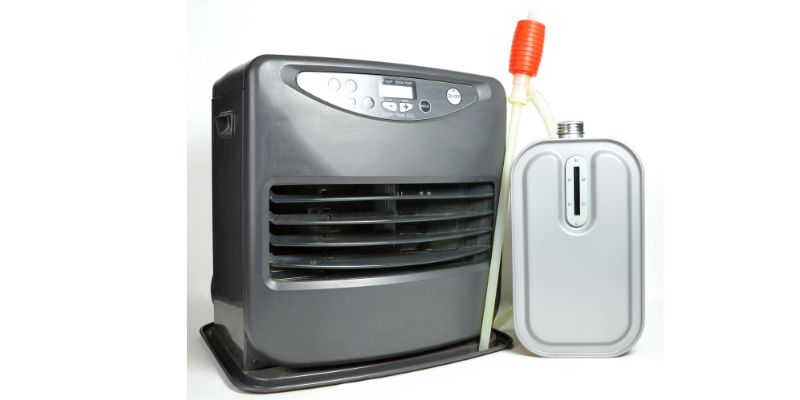
One thing I love about radiant heaters is that many come with removable fuel tanks. This makes refueling a breeze—you just take the tank out, fill it up outside, and pop it back in. No need to move the whole heater. But you do need to be careful about ventilation, as these heaters can produce a faint kerosene odor, especially when you turn them on or off.
Convection Kerosene Heaters: Whole-Room Heating
Now, let’s talk about convection kerosene heaters. These are designed to heat larger spaces by warming the air and letting it circulate naturally. Convection heaters are usually circular in shape, with a wick and combustion chamber that sit above a fuel tank. The heat they produce rises upward and spreads out in all directions, creating a warm environment throughout the room.
I’ve used a convection heater in my living room during a particularly cold winter, and it did an amazing job of keeping the entire space comfortable. These heaters are ideal for open areas or even multiple rooms if placed centrally. They work by pulling in cool air, heating it, and then letting the warm air rise and circulate. Over time, this creates a consistent temperature across a larger area.
One downside is that convection heaters don’t provide instant warmth like radiant ones. It takes a bit for the air to heat up and circulate, so you might need to be patient. Also, most convection heaters don’t have removable fuel tanks, so you’ll need to move the entire unit outside for refueling. I learned this the hard way when I tried to siphon fuel indoors—don’t do it! The smell lingers, and it’s a fire hazard.
Convection heaters are fantastic for homes with open floor plans or for heating larger spaces like workshops. However, they’re not meant for small, enclosed areas like bedrooms, as they can consume more oxygen and require proper ventilation to operate safely.
Key Differences Between Radiant and Convection Kerosene Heaters
To make things easier, let’s break down the main differences between radiant and convection kerosene heaters. This table sums it up nicely:
| Feature | Radiant Kerosene Heater | Convection Kerosene Heater |
|---|---|---|
| Shape | Rectangular, with a reflector | Circular, heats in all directions |
| Heating Method | Infrared radiation, heats objects directly | Warms air, which circulates naturally |
| Ideal Space | Small to medium spaces (e.g., bedrooms, garages) | Medium to large spaces (e.g., living rooms, workshops) |
| Warm-Up Time | Instant warmth to objects/people | Slower, heats entire room over time |
| Fuel Tank | Often removable, easier to refill | Usually fixed, requires moving the heater |
| Efficiency | More efficient for spot heating | Better for consistent, whole-room heating |
| Ventilation Needs | Requires good ventilation | Requires even more ventilation due to higher fuel consumption |
This table helped me a lot when I was deciding which heater to buy. If you’re looking to warm a specific spot quickly, radiant is the way to go. But if you need to heat a larger area evenly, convection is your best bet.
Safety First: Using Kerosene Heaters Wisely
I can’t stress this enough—safety is a big deal with kerosene heaters. I’ve had a few close calls, like when I accidentally left my heater too close to a curtain. Thankfully, nothing happened, but it was a wake-up call. Both radiant and convection heaters burn fuel, which means they produce carbon monoxide and use up oxygen. Without proper precautions, this can be dangerous.
Always use your heater in a well-ventilated area. I crack a window or keep a door open to ensure fresh air is flowing. You’ll also want to invest in a carbon monoxide detector—it’s a small price to pay for peace of mind. Most modern heaters come with safety features like automatic shut-off switches if they tip over or overheat, but you should still keep an eye on them. Never leave a kerosene heater unattended, especially when you’re sleeping.
Another tip: always use high-quality 1-K kerosene. I made the mistake of using cheaper fuel once, and it caused my heater to smoke and smell awful. Stick to clear, 1-K kerosene, and never mix it with gasoline or other fuels—it’s a recipe for disaster. Store your kerosene in a clearly marked container, preferably in a garage or shed, away from your home’s central heating system.
Refueling is another area where you need to be cautious. For radiant heaters with removable tanks, take the tank outside to fill it. For convection heaters, move the entire unit outside once it’s cooled down. I use a siphon pump to avoid spills, and I always wipe up any drips immediately to prevent fire hazards.
Cost and Efficiency: What to Expect
Let’s talk money. Kerosene heaters can save you a bundle compared to electric heating, especially during power outages. But there are costs to consider, both upfront and ongoing. Radiant heaters are generally cheaper to buy, with prices ranging from $100 to $300. Convection heaters can cost a bit more, especially high-BTU models designed for larger spaces.
Fuel costs depend on how often you use the heater and the size of the space. Radiant heaters use less fuel since they’re designed for smaller areas. I spend about $15 to $30 a month on kerosene for my radiant heater, which I use sparingly in my garage. Convection heaters, because they heat larger spaces, can burn through $30 to $60 worth of fuel per month. Kerosene prices vary, but expect to pay around $4 to $6 per gallon in the U.S.
Efficiency-wise, radiant heaters win for spot heating. They deliver heat exactly where you need it without wasting energy on empty spaces. Convection heaters are less efficient for small areas but shine when you need to warm an entire room or house. To save money, I use my radiant heater for quick tasks and my convection heater for longer, whole-room heating sessions.
Maintenance is another factor. Both types need regular care, like cleaning the wick every couple of weeks during heavy use. I’ve found that radiant heaters are a bit easier to maintain since their wicks are smaller and less prone to clogging. Convection heaters, with their higher fuel consumption, might need more frequent wick replacements.
Where to Use Each Type: My Personal Experience
When I first started using kerosene heaters, I wasn’t sure which type would work best for my needs. I live in a medium-sized house with a mix of open spaces and smaller rooms, so I ended up getting both a radiant and a convection heater. Here’s how I use them:
- Radiant Heater: I keep this in my garage for when I’m working on projects or tinkering with my car. It’s also great for my home office when I’m working late and don’t want to heat the whole house. The instant warmth is perfect for these smaller, focused tasks. I’ve even taken it outside to my patio for chilly evening barbecues—it’s like having a portable campfire!
- Convection Heater: This one lives in my open-plan living room and kitchen area. It’s amazing for family movie nights or when we have guests over. It takes a little while to warm up the space, but once it does, the whole area feels cozy and inviting. I’ve also used it in my basement workshop, where it keeps the entire space comfortable for hours.
One thing I’ve noticed is that radiant heaters are better for drafty or poorly insulated spaces. The heat goes straight to you, so you don’t lose as much to air leaks. Convection heaters, on the other hand, work best in enclosed spaces where the warm air can circulate without escaping.
Maintenance Tips for Long-Lasting Heaters
Keeping your kerosene heater in tip-top shape is key to safe and efficient operation. I’ve learned a few tricks over the years to make maintenance easier:
- Clean the Wick Regularly: For both types, check the wick every week or two during the heating season. If it’s dirty, follow the manufacturer’s instructions to clean it. For fiberglass wicks, you can run the heater dry outside to burn off residue. Cotton wicks need gentle wiping with a paper towel.
- Wipe Down the Exterior: Use a mix of water and ammonia or a non-flammable cleaner to keep the outside of the heater clean. Avoid getting water inside, as it can damage the burner.
- Check for Leaks: Before refueling, inspect the fuel tank for cracks or leaks. A small drip can become a big problem if it catches fire.
- Store Properly: When the heating season is over, store your heater and fuel in a cool, dry place. I keep mine in the garage, covered with a tarp to keep dust out.
By taking care of your heater, you’ll extend its lifespan and ensure it works when you need it most. My radiant heater is going on five years now, and it’s still as reliable as the day I bought it.
Environmental and Health Considerations
Kerosene heaters are great, but they’re not without their downsides. They produce carbon monoxide, a colorless, odorless gas that can be deadly in high concentrations. That’s why ventilation and a carbon monoxide detector are non-negotiable. I also notice a slight kerosene smell when I start or stop the heater, but it fades quickly if the wick is properly adjusted.
Moisture is another factor. Kerosene heaters release about 1.1 gallons of water vapor per gallon of fuel burned. In my garage, this hasn’t been a big issue, but in a tightly sealed space, it could lead to condensation or mold. Radiant heaters produce less moisture since they use less fuel, making them a better choice for areas where humidity is a concern.
If you or anyone in your household has respiratory issues, be extra cautious. The fumes from kerosene heaters can irritate sensitive lungs. I always make sure my kids and pets stay a safe distance away, especially from radiant heaters, which can get hot to the touch.
Making the Right Choice for Your Home
So, which kerosene heater is right for you? It depends on your needs. If you’re looking to heat a small, specific area—like a bedroom, garage, or outdoor space—go for a radiant heater. Its instant warmth and energy efficiency make it perfect for quick, targeted heating. If you need to warm a larger space, like a living room or workshop, a convection heater will do a better job of keeping the entire area comfortable.
I’ve found that having both types gives me the flexibility to handle different situations. My radiant heater is my go-to for short bursts of warmth, while my convection heater is a champ at keeping larger spaces cozy for hours. Consider your budget, the size of the space, and how often you’ll use the heater before making a decision.
Conclusion
Exploring the world of kerosene heaters has been a game-changer for me, especially during those harsh winter months. Whether you choose a radiant or convection model, both offer reliable, cost-effective ways to stay warm when the power’s out or you just need a little extra heat. Radiant heaters are like a warm hug, delivering instant coziness to you and your immediate surroundings. Convection heaters, on the other hand, are like a blanket for your entire room, spreading warmth evenly over time.
The key is to use them safely—ventilate, monitor, and maintain your heater properly. With a little care, a kerosene heater can be a trusty companion for years. So, next time the cold creeps in, you’ll be ready to fight it off with the perfect heater for your home. Stay warm, stay safe, and enjoy the cozy vibes!
FAQs
What’s the main difference between radiant and convection kerosene heaters?
Radiant kerosene heaters focus heat directly on objects and people, providing instant warmth in smaller spaces. Convection heaters warm the air, which circulates to heat larger areas more evenly over time.
Are kerosene heaters safe to use indoors?
Yes, but only with proper ventilation. Always use a carbon monoxide detector, keep a window cracked, and never leave the heater unattended. Follow the manufacturer’s safety guidelines to avoid risks like fire or carbon monoxide poisoning.
Which kerosene heater is better for a garage?
Radiant heaters are often better for garages, especially if you’re working in one spot. They provide quick, direct heat and produce less moisture, which helps prevent rust on tools or vehicles.
How much kerosene do these heaters use?
Radiant heaters use less fuel, typically costing $15–$30 per month for occasional use. Convection heaters, designed for larger spaces, can use $30–$60 worth of kerosene monthly, depending on usage and fuel prices.
Can I use a kerosene heater in a bedroom?
Radiant heaters are safer for small bedrooms, but you must ensure good ventilation and never leave them on while sleeping. Convection heaters are not recommended for small, enclosed spaces like bedrooms.
How often should I maintain my kerosene heater?
Check and clean the wick every one to two weeks during heavy use. Wipe down the exterior regularly, and store the heater and fuel properly when not in use to keep it in good condition.