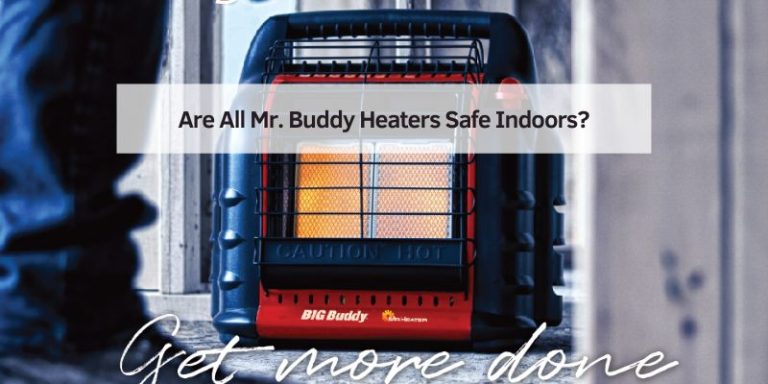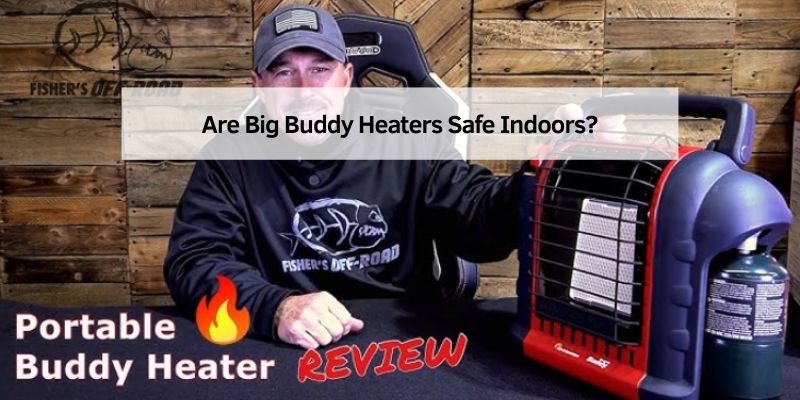
Are Big Buddy Heaters Safe Indoors?
Hey there! If you’re wondering whether Big Buddy heaters are safe to use indoors, you’re not alone. I’ve spent plenty of chilly nights relying on my Big Buddy heater to keep my space cozy, especially during power outages or camping trips. It’s a fantastic piece of equipment, but I get it—using a propane heater indoors can feel a bit nerve-wracking. Safety is a big deal, and I’ve dug deep into this topic to figure out what makes these heaters tick and how to use them without worry.
For a related heater topic, Buddy Heater vs Big Buddy: Essential Guide gives readers a useful next step.
In this guide, I’ll walk you through everything I’ve learned about using Big Buddy heaters indoors safely. Whether you’re heating a garage, cabin, or tent, I’ve got you covered with practical tips and clear explanations. Let’s dive in and put those safety concerns to rest!
What Is a Big Buddy Heater?
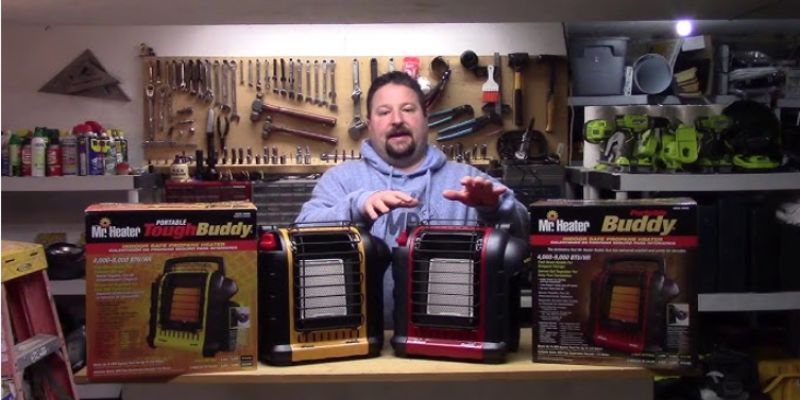
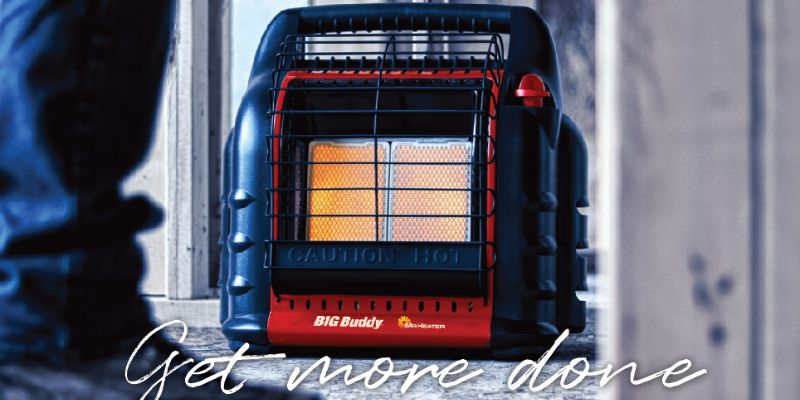
Let’s start with the basics. A Big Buddy heater is a portable propane heater made by Mr. Heater, a brand known for reliable heating solutions. It’s designed to heat spaces up to 450 square feet, pumping out 4,000 to 18,000 BTUs of heat. That’s enough to warm a small cabin, garage, or even a large tent. I’ve used mine in my workshop during winter, and it’s a lifesaver when the temperature drops.
The heater runs on propane, either from one or two 1-pound cylinders or a 20-pound tank with an optional hose. It’s got a sturdy build, a fold-down handle for easy carrying, and a simple control knob to adjust the heat. But what sets it apart are its safety features, which I’ll cover in detail later. For now, know that it’s marketed as indoor-safe, but there’s more to the story than just plugging it in and turning it on.
Why Indoor Safety Matters with Propane Heaters
Using any propane heater indoors can raise eyebrows, and I totally get why. Propane burns to produce heat, but it also creates byproducts like carbon monoxide (CO), a colorless, odorless gas that can be dangerous in high amounts. I’ve had friends ask me, “Isn’t it risky to burn propane inside?” It can be, but that’s where proper use and safety features come in.
Carbon monoxide poisoning is no joke—it can cause dizziness, headaches, or worse if levels build up. Another concern is oxygen depletion, since propane combustion uses up oxygen in the room. Then there’s the fire risk if the heater tips over or gets too close to flammable stuff. I’ve learned that understanding these risks is the first step to using a Big Buddy heater safely indoors. Let’s break down how this heater tackles those concerns.
Safety Features of Big Buddy Heaters
One reason I trust my Big Buddy heater is its built-in safety features. These aren’t just bells and whistles—they’re designed to keep you safe. Here’s what you get:
- Oxygen Depletion Sensor (ODS): This sensor is a game-changer. It monitors oxygen levels in the room. If oxygen drops too low, the heater shuts off automatically to prevent CO buildup. I’ve tested mine in a small garage, and it’s reassuring to know it’s watching the air quality.
- Tip-Over Shut-Off: If the heater gets knocked over, this feature kicks in and turns it off instantly. I’ve bumped mine while moving tools, and it shut off like clockwork, reducing any fire risk.
- Pilot Light Safety: If the pilot light goes out, the heater stops running. This prevents unburned propane from leaking into your space.
These features make the Big Buddy stand out compared to older propane heaters. Still, they’re not a free pass to ignore safety precautions. I always double-check my setup to make sure I’m using it right.
Proper Ventilation: The Key to Safe Indoor Use
If there’s one thing I’ve learned, it’s that ventilation is non-negotiable. Even with safety features, you need fresh air to keep things safe. Propane heaters consume oxygen and produce CO, so a sealed room is a recipe for trouble. The Big Buddy’s manual recommends at least 18 square inches of ventilation—like a 4.25” x 4.25” window opening.
In my workshop, I crack a window on one side and a door on the other to create a cross-breeze. This lets fresh oxygen in and pushes out any potential CO. I’ve noticed that without ventilation, the air feels heavy, and there’s sometimes a faint propane smell when the heater first starts. Opening a window solves that fast. If you’re in a tent or cabin, make sure there’s a vent or slightly open window, even if it’s chilly. It’s better to bundle up than skimp on air flow.
Using a Carbon Monoxide Detector
I can’t stress this enough: always use a carbon monoxide detector with a Big Buddy heater. Even though the ODS helps, a CO detector is your backup plan. I keep a battery-powered one in my workshop, placed at face level where I’m breathing. It’s never gone off, but it gives me peace of mind.
When I first started using my heater, I tested it near the detector to see if it picked up anything. No alarms, no issues. But I’ve heard stories of people skipping this step and regretting it. CO is sneaky—it’s odorless and invisible. A good detector costs less than $20 and could save your life. Place it a few feet from the heater and check its batteries regularly.
Fire Safety Tips for Indoor Use
Fire safety is another big concern with propane heaters. I’ve had a close call where a rag fell too close to my heater—luckily, the tip-over shut-off saved the day. Here are some tips I follow to keep things safe:
- Keep It Stable: Place the heater on a flat, non-flammable surface. I use a concrete floor in my garage. Avoid carpets or uneven surfaces.
- Clear the Area: Keep flammable items like curtains, paper, or clothing at least three feet away. I make sure my workbench is clear of sawdust and rags.
- Never Leave It Unattended: I turn off the heater when I step out, even for a few minutes. It’s just not worth the risk.
- Check for Leaks: Before lighting, I sniff around the propane connections and use a soapy water solution to check for bubbles. A leak could lead to a fire hazard.
These steps are simple but critical. I’ve seen what happens when someone gets careless, and it’s not pretty.
Can You Use a Big Buddy Heater While Sleeping?
This is a tricky one. The Big Buddy’s manual warns against using it while sleeping, and I agree. Even with safety features, running a propane heater overnight in a small space like a tent or bedroom is risky. Oxygen levels can drop, and CO could build up if ventilation isn’t perfect. I’ve used mine to warm up a tent before bed, but I always turn it off before sleeping.
If you need overnight heat, consider an electric heater or a vented propane heater that sends exhaust outside. I’ve also heard of people using battery-powered heated blankets for small spaces. If you must use a Big Buddy while sleeping, crack a window, keep a CO detector nearby, and set the heater to low. But honestly, I’d rather wake up cold than take the chance.
Comparing Big Buddy to Other Heaters
To give you a clearer picture, let’s compare the Big Buddy to other indoor heating options. Here’s a table I put together based on my experience:
| Heater Type | Pros | Cons | Indoor Safety |
|---|---|---|---|
| Big Buddy Propane Heater | Portable, powerful, safety features | Needs ventilation, CO risk if misused | Safe with precautions |
| Electric Heater | No CO risk, easy to use | Needs power, less portable | Very safe |
| Kerosene Heater | High heat output, portable | Strong odor, higher CO risk | Risky without ventilation |
| Vent-Free Gas Heater | Efficient, no electricity needed | CO risk, banned in some states | Moderate safety |
I’ve tried electric heaters, but they’re useless during power outages. Kerosene heaters are powerful but smell awful and feel riskier. The Big Buddy strikes a balance—portable, strong, and safe if you follow the rules.
Maintenance for Safe Operation
Keeping your Big Buddy in top shape is key to safe indoor use. I check mine before every winter to make sure it’s ready. Here’s what I do:
- Inspect the Burner: Look for dust or debris on the ceramic burner tiles. I use a soft brush to clean them gently.
- Check Hoses and Connections: If you’re using a 20-pound tank, inspect the hose for cracks or leaks. Replace it if it looks worn.
- Test the ODS: Light the heater and watch the pilot flame. If it flickers or goes out in a well-ventilated space, the sensor might need professional attention.
- Store Properly: When not in use, I store my heater in a dry place to prevent rust or damage.
Regular maintenance keeps the safety features working and extends the heater’s life. I’ve had mine for years, and it’s still going strong because I take care of it.
Where Can You Use a Big Buddy Heater?
The Big Buddy is versatile, but not every indoor space is suitable. I’ve used mine in a garage, a hunting cabin, and a large tent with no issues. It’s great for workshops, construction sites, or emergency heating during power outages. However, some places have restrictions. For example, California bans propane heaters in homes, and many apartments don’t allow them due to fire codes.
Check your local regulations before using one. I called my city’s building department to confirm it was okay for my garage. If you’re in a tent or camper, make sure the space is at least 450 square feet or well-ventilated to match the heater’s capacity.
Common Mistakes to Avoid
I’ve made a few mistakes with my Big Buddy, and I’ve seen others do the same. Here’s what to watch out for:
- Skipping Ventilation: I once ran the heater in a closed garage to “save heat.” The air got stuffy fast, and I learned my lesson.
- Using It Near Flammables: A friend had a scare when a blanket got too close to the heater. Keep the area clear.
- Ignoring the Manual: The instructions are there for a reason. I skimmed them at first and missed key safety tips.
- Using Third-Party Accessories: Stick to Mr. Heater’s hoses and filters. I tried a cheap hose once, and it leaked.
Learning from these mistakes has made me a smarter user. Follow the guidelines, and you’ll avoid trouble.
Real-World Experiences
I’ve talked to friends and read up on others’ experiences with Big Buddy heaters. Most love them for their portability and heat output. One buddy uses his in a 600-square-foot cabin, running it on low with a 20-pound tank. He cracks a window and has never had a CO issue. Another friend uses it in his ice fishing shack but turns it off at night.
On the flip side, I’ve heard of rare cases where people ignored ventilation and got headaches—likely from CO buildup. These stories remind me to stay vigilant. If you use the heater as intended, it’s a reliable tool. Ignore the rules, and you’re asking for problems.
Conclusion
So, are Big Buddy heaters safe indoors? From my experience, the answer is a resounding yes—if you use them correctly. The built-in safety features like the oxygen depletion sensor and tip-over shut-off make them a solid choice for heating garages, cabins, or tents. But safety comes down to you. Always ventilate the space, use a CO detector, and keep the heater away from flammable stuff. I’ve relied on my Big Buddy for years, and it’s never let me down when I follow the rules. Whether you’re prepping for a winter storm or staying warm on a camping trip, this heater can be your best friend. Just treat it with respect, and you’ll stay cozy and safe all season long!
Frequently Asked Questions
Are Big Buddy heaters safe to use indoors without ventilation?
No, you need ventilation. The manual recommends at least 18 square inches of open space, like a cracked window. This prevents carbon monoxide buildup and keeps oxygen levels safe.
Can I leave my Big Buddy heater on overnight?
It’s not recommended. The manual warns against using it while sleeping due to CO risks. If you must, use low heat, crack a window, and keep a CO detector nearby. I prefer turning it off before bed.
How do I know if my Big Buddy heater is producing carbon monoxide?
You can’t smell or see CO, so use a carbon monoxide detector. Place it at face level near the heater. The heater’s oxygen depletion sensor also helps by shutting off if oxygen drops too low.
Is the Big Buddy heater safe for small spaces like tents?
Yes, if the space is well-ventilated and at least 450 square feet. I’ve used it in large tents with a cracked vent. Always use a CO detector and avoid running it while sleeping.
How often should I maintain my Big Buddy heater?
Check it before each winter. Clean the burner, inspect hoses for leaks, and test the pilot light. I also store mine in a dry place to prevent damage. Regular care keeps it safe and reliable.