Are Ceramic Heaters Cost Effective? Proven Best
Ceramic heaters are surprisingly cost-effective for targeted, spot heating in small to medium rooms. While they don’t replace a whole-house furnace, their efficiency lies in quickly heating the air directly around you without wasting energy warming empty spaces. We’ll break down exactly how they save you money.
It’s frustrating when that chilly draft creeps in, forcing you to decide: crank up the expensive central furnace or shiver in your favorite chair? Many people wonder if plug-in heaters, especially ceramic models, are just another energy drain.
As your guide to cozy, affordable home warmth, I’m here to tell you that ceramic heaters can be a fantastic, cost-effective tool when used the right way. They excel at providing quick, safe warmth exactly where you need it.
Forget complicated equations. We will look at the real numbers, compare them to other options, and show you simple techniques to make your ceramic heater your best friend this winter. Let’s find out how much money you can truly save!
Understanding How Ceramic Heaters Work (And Why That Matters for Your Wallet)
To know if something is cost-effective, we must first understand how it creates heat. Ceramic heaters are excellent examples of making the most of the electricity they pull.
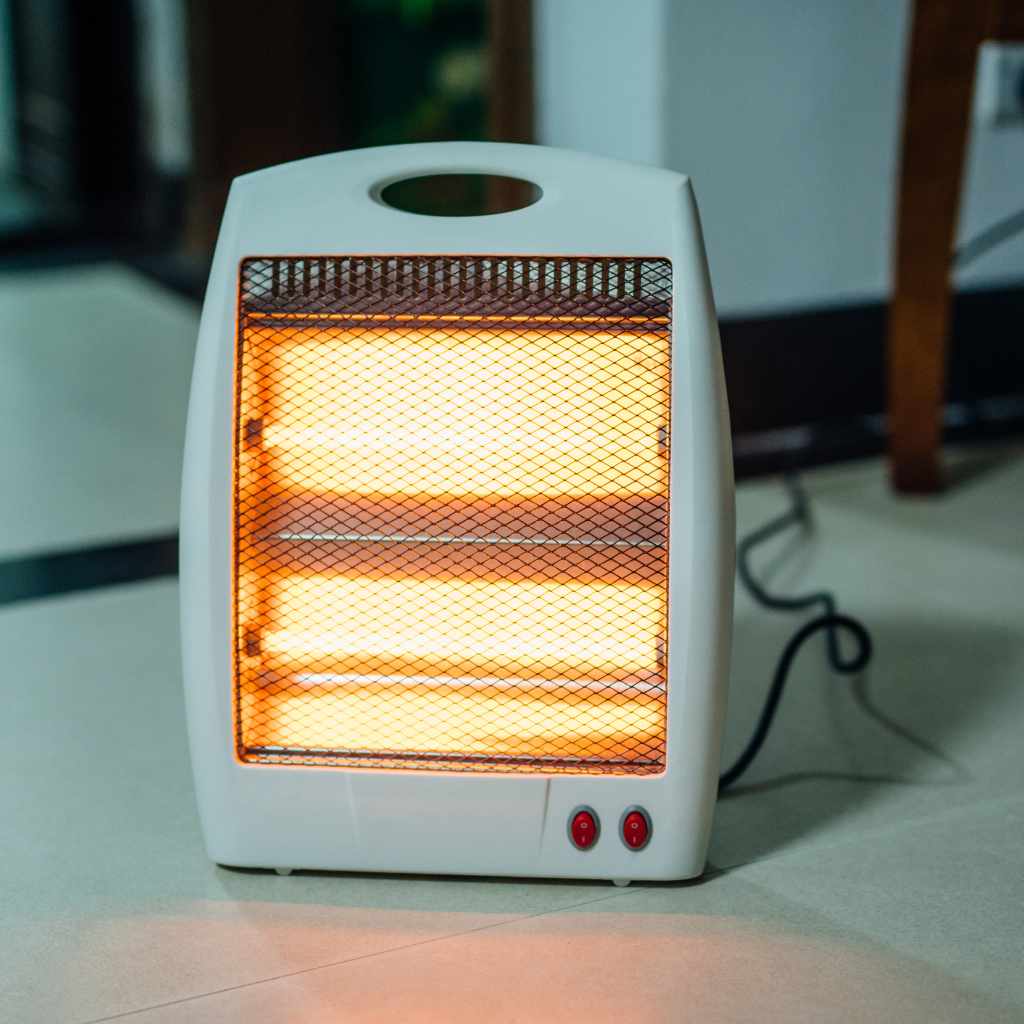
Unlike giant furnaces that burn fuel to heat air that then travels through ducts, ceramic heaters use electricity to heat a ceramic element (which looks like a honeycomb or plate). A small fan then blows air directly over this hot element and into the room.
This system offers two major cost-saving advantages right off the bat:
- Instant Heat: There’s no warm-up time waiting for pilot lights or burners. The heat starts almost immediately.
- Direct Transfer: The heat doesn’t rely on ducts or chimneys, meaning virtually zero energy is lost in transit.
The Key Component: Positive Temperature Coefficient (PTC)
The “ceramic” part is crucial to their efficiency. Most modern ceramic heaters use PTC technology. This means the ceramic material naturally resists drawing more power as it gets hotter.
Think of it like this: a standard lightbulb stays hot whether it’s using 100 watts or 1000 watts—it just glows brighter and draws more power. The PTC element regulates itself, making it inherently safer and preventing energy spikes related to overheating.
The Math: How Much Does a Ceramic Heater Actually Cost to Run?
Cost-effectiveness ultimately comes down to the price you pay per hour. Electricity usage is measured in kilowatts per hour (kWh), which is what your utility company bills you for. Here is the simple, three-step process to calculate your running costs.
Step 1: Find the Heater’s Wattage
Look at the back or bottom label of your ceramic heater. It will list its power draw in watts (W).
- Most standard portable ceramic heaters run between 900W (low setting) and 1500W (high setting).
- A 1500W setting is the maximum generally safe draw for a standard home electrical outlet.
Step 2: Convert Watts to Kilowatts (kW)
Since utility companies charge by the kilowatt-hour (kWh), you must convert watts into kilowatts.
Calculation: Watts ÷ 1,000 = Kilowatts (kW)
Example: If your heater is set to 1500W:
1500 W ÷ 1,000 = 1.5 kW
Step 3: Calculate the Cost Per Hour
Now, take your kilowatt number and multiply it by your local electricity rate (how much you pay per kWh).
Calculation: kW x Your Electricity Rate ($/kWh) = Cost Per Hour
Let’s use an average US electricity rate of $0.15 per kWh (though this varies widely based on location). For energy information and typical rates, the U.S. Energy Information Administration (EIA) provides helpful national averages like these.
| Setting | Power Draw (W) | Power Draw (kW) | Cost per Hour (at $0.15/kWh) |
|---|---|---|---|
| Low/Quiet | 900 W | 0.9 kW | $0.135 (about 13.5 cents) |
| Medium/Standard | 1200 W | 1.2 kW | $0.18 (18 cents) |
| High/Max Heat | 1500 W | 1.5 kW | $0.225 (about 22.5 cents) |
As you can see, running a ceramic heater on its highest setting for a full eight hours might cost you less than $2.00, making them very inexpensive compared to running, say, an electric baseboard heater continuously.
Ceramic Heaters vs. Other Portable Options: The True Cost Comparison
The real value of a ceramic heater becomes clear when you compare it head-to-head with other common supplementary heating solutions.
Remember, cost-effectiveness isn’t just unit price; it’s about efficiency versus the comfort delivered.
A Look at Common Portable Heater Types
| Heater Type | How It Heats | Running Cost (Appx. $ per hour) | Best For |
|---|---|---|---|
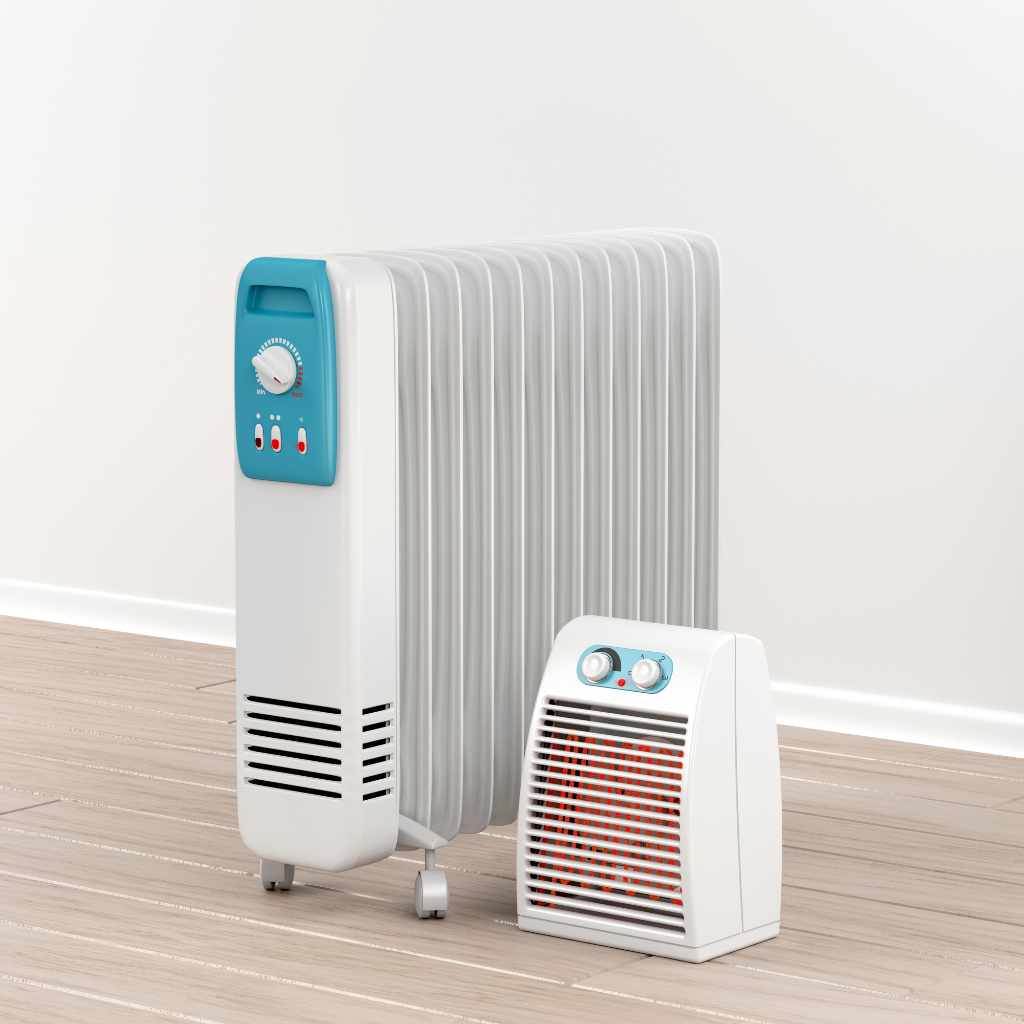
| Ceramic Fan Heater | Heats air quickly using an electric element and blows it out with a fan. | $0.15 – $0.25 | Rapid, focused room warming or spot heating. |
| Oil-Filled Radiator | Heats mineral oil inside sealed fins, providing long-lasting radiant heat. | $0.15 – $0.25 | Sustained warmth in quieter environments; retains heat well. |
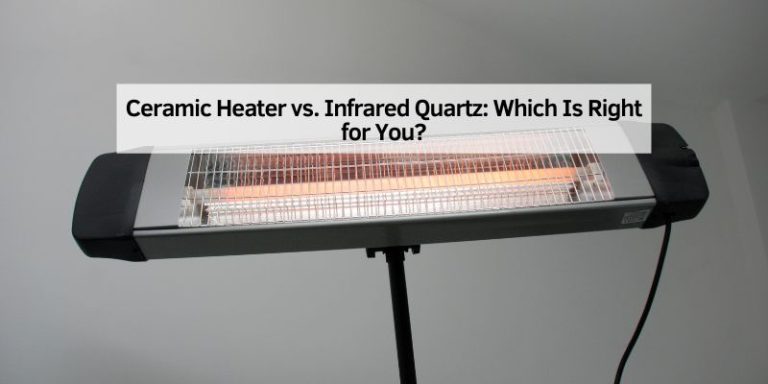
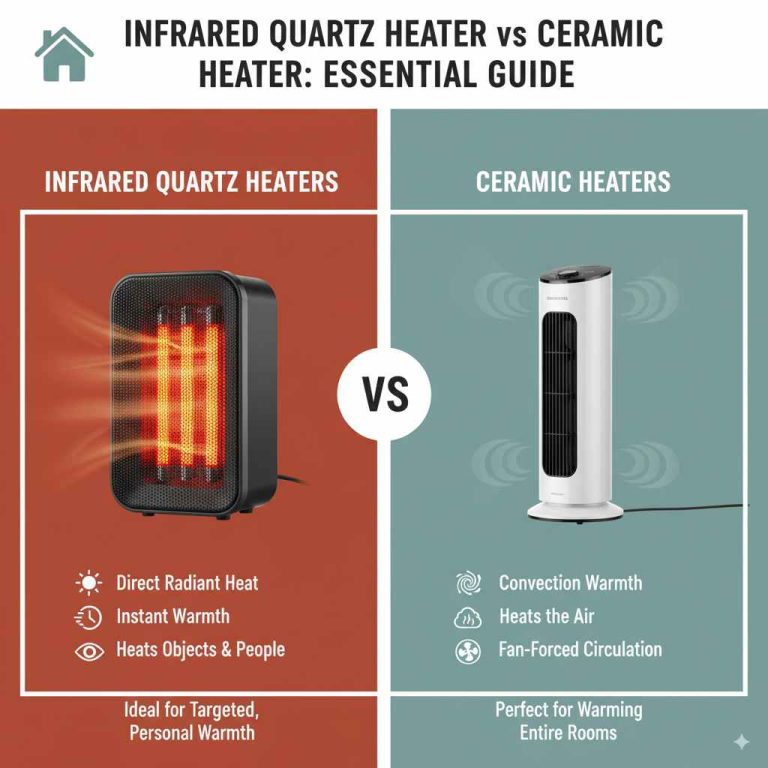
| Infrared/Quartz Heater | Uses infrared light beams to heat objects and people directly, not the air. | $0.10 – $0.20 | Warming an individual person very quickly, even in drafting areas. |
| Kerosene/Propane Heater | Burns fuel, offering high BTU output but requires ventilation. | Variable (Fuel cost + maintenance) | Emergency backup power or heating very large, drafty, well-ventilated spaces. |
Why Targeted Heating Wins for Your Budget
Central heating costs are high because they heat every square foot of your house, whether you are using the dining room, the bedroom, or just the living room. If you only occupy one space for most of the evening, running the central furnace just to maintain 70°F everywhere is wasteful.
This concept is called “zone heating.”
By turning your central thermostat down by five or six degrees (say, from 70°F to 64°F) and using a 1500W ceramic heater in the room you are actively occupying, you can often achieve similar comfort levels while watching your overall energy bill shrink significantly. The ceramic heater only warms the occupied zone, while the furnace maintains the rest of the house at a cooler, lower-cost temperature.
Best Use Cases: When Ceramic Heaters Are Most Cost Effective
To maximize cost savings, you need the right tool for the right job. Ceramic heaters shine when used for specific heating tasks.
1. Spot Heating in Small to Medium Rooms
Their heating coverage is ideal for rooms under 150 square feet, such as:
- Home offices
- Small bedrooms
- Garages or workshops (for short bursts)
They warm the air inside the space quickly. Once the room reaches your desired temperature, many quality ceramic heaters have a built-in thermostat that cycles the heating element on and off to maintain that temperature efficiently.
2. Adding an Immediate “Warm Blast”
If your home takes a long time to warm up after you get home from work, a ceramic heater provides immediate comfort. You can turn it on as you walk in the door, and within 15 minutes, you have a cozy bubble of warmth while everything else catches up.
3. Heating Areas Without Adequate Central Vents
Older homes, additions, or basements often have inconsistent heating. Instead of installing expensive ductwork modifications, a portable ceramic unit offers a straightforward, plug-and-play alternative for these cold spots. Proper safety is key here; always ensure the unit is away from flammable materials.
Techniques for Maximizing Ceramic Heater Efficiency
Owning the heater is only half the battle; using it smart is how the savings appear on your bill. Follow these practical steps to ensure you are getting the most heat for your money.
- Proper Sizing: Do not use a small 800W heater for a large living room. It will run constantly and still not satisfy the thermostat, wasting energy. Match the heater’s BTU/wattage to the space size.
- Isolate the Space: Close all doors and vents leading to unused areas. Heat follows the path of least resistance; blocking off hallways prevents your heater’s warmth from escaping into cold spaces.
- Utilize the Thermostat: Never set the heater on “High” continuously if it has a thermostat. Set the target temperature you want (e.g., 68°F) and let the built-in sensor cycle the heater off when it reaches it.
- Pair with Radiant Heat: Ceramic heat is mostly convective (heating air). If you are sitting still, placing a radiant heater (like a quartz model) nearby can make you feel warmer for less energy input, allowing you to set the ceramic heater slightly lower.
- Check Your Insulation: If you feel air moving near windows or doors, that warm air is escaping! Use inexpensive weather stripping (available at any hardware store) to seal major gaps. This is the single biggest step to locking in heater savings. For reliable sealing tips, resources from the Department of Energy often cover simple home improvements like this.
Safety First: The Hidden Cost of Damaged Circuits
While we focus on energy efficiency, cost-effectiveness means avoiding costly repairs or damages. Ceramic heaters commonly pull 12 to 15 amps when running on high power. This puts a significant, sustained load on a standard home circuit.
If you plug your 1500W heater into an older or shared circuit—especially one that also powers lights, a television, or a computer—you risk tripping the breaker or, worse, overheating the wiring inside the wall.
What NOT to Plug Your Heater Into:
- Extension Cords: Never use a thin or undersized extension cord. If you must use one, it must be rated for 15 amps or higher and kept as short as possible connecting directly to a wall outlet.
- Power Strips or Surge Protectors: These small strips are designed for electronics, not continuous high-load appliances like heaters. They can melt or catch fire under a sustained 1500W load.
- The Same Circuit as High-Demand Appliances: Avoid kitchen circuits, laundry room circuits, or circuits powering space-hungry A/C units.
Always plug the heater directly into a functioning, grounded wall outlet that does not power anything else. This simple safety practice prevents electrical failure, which is the ultimate hidden cost.
Features That Boost Ceramic Efficiency (Look for These When Buying)
Not all ceramic heaters are created equal. Choosing a model with specific features can make a noticeable difference in your comfort and energy usage.
1. Precise Digital Thermostats
Avoid knob-based analog thermostats that only offer “Low,” “Medium,” and “High” settings. Look for modern units with digital displays that let you select an exact temperature (e.g., 67°F). This precise control ensures the heater cycles off reliably rather than running too long.
2. Multiple Fan Speeds
A quiet, low-speed fan setting spreads the heat more gently once the room is warm. This gentle circulation is often enough to maintain comfort without needing the full 1500W blast every time.
3. Oscillating Feature
While oscillation doesn’t save electricity, it does make the heating feel more effective. By moving the heat source around the room, it warms surfaces and corners more evenly, making the heat feel more substantial, allowing you to potentially set the thermostat a degree or two lower.
4. The Timer Function (${“24-Hour vs. Simple Timer”}$)
Many top models include a timer that lets you program when the unit turns on or off. This is fantastic cost control. You can set it to turn off 30 minutes after you usually leave for work or have it warm up the bedroom 30 minutes before your alarm goes off, keeping it off the rest of the night.
FAQs About Ceramic Heater Costs and Usage
Q1: How much does it cost to run a 1500-watt ceramic heater for 24 hours?
A: Assuming an average rate of $0.15/kWh, running a 1500W heater (1.5kW) constantly for 24 hours would cost $5.40 (1.5 kW 24 hours $0.15). However, if you use the built-in thermostat correctly, it will cycle on and off, bringing the actual cost down significantly, often to less than $3.50 per day.
Q2: Can I use a ceramic heater to heat an entire living room?
A: Yes, but only if it is a small, well-insulated living room (under 200 square feet). For larger open-plan rooms, a ceramic heater is best used for “spot heating” near your seating area, complementing the main furnace rather than replacing it entirely.
Q3: Are ceramic heaters more efficient than oil-filled heaters?
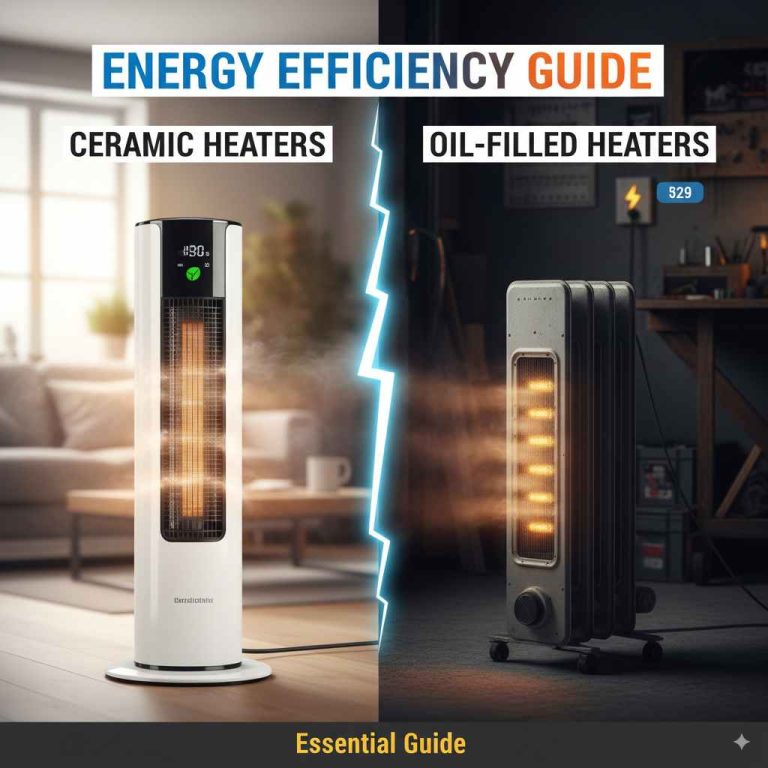
A: In terms of energy conversion, no—both generally convert nearly 100% of the electricity they use into heat. However, ceramic heaters heat the air faster, while oil-filled radiators radiate heat longer after shutting off. Your cost-effectiveness depends on whether you need fast, on-demand warmth (ceramic) or slow, steady warmth (oil-filled).
Q4: Is it safe to leave a ceramic heater running overnight while I sleep?
A: High-quality ceramic heaters are generally safe when used properly, especially if they have modern safety features like tip-over protection and overheat shut-off. However, the safest practice is always to plug in your heater, set the desired temperature on the thermostat, and turn it off before going to bed, or use the built-in sleep timer.
Q5: Why am I paying more to run my ceramic heater than I expected?
A: The most common reason is constant running. If your room is not insulated well (lots of drafts) or if you have the heater set too high, it will run nearly 24/7 to meet the demand. Double-check your local electricity rate and seal up drafts around windows, as sealing is often cheaper than extra heating time.
Q6: Do cheap ceramic heaters cost more to run than expensive ones?
A: Not necessarily. Since both models convert near 100% of the electricity consumed into heat, the running cost calculation (Watts x Time Rate) is nearly the same. The difference is in features—expensive models typically have better thermostats, automatic safety shut-offs, and higher build quality, which leads to more consistent energy usage and less risk of breakage.
When NOT to Rely on a Ceramic Heater for Cost Savings
While ceramic heaters are excellent supplements, they have limitations where relying on them becomes inefficient or impractical. Understanding these limits prevents budget frustration.
Heating Extremely Large or Open Spaces
A 1500W heater is designed to heat 150 square feet. Trying to heat an open-concept basement or great room exceeding 300 square feet will force the unit to run constantly, drawing maximum power for hours on end without ever reaching a comfortable temperature.