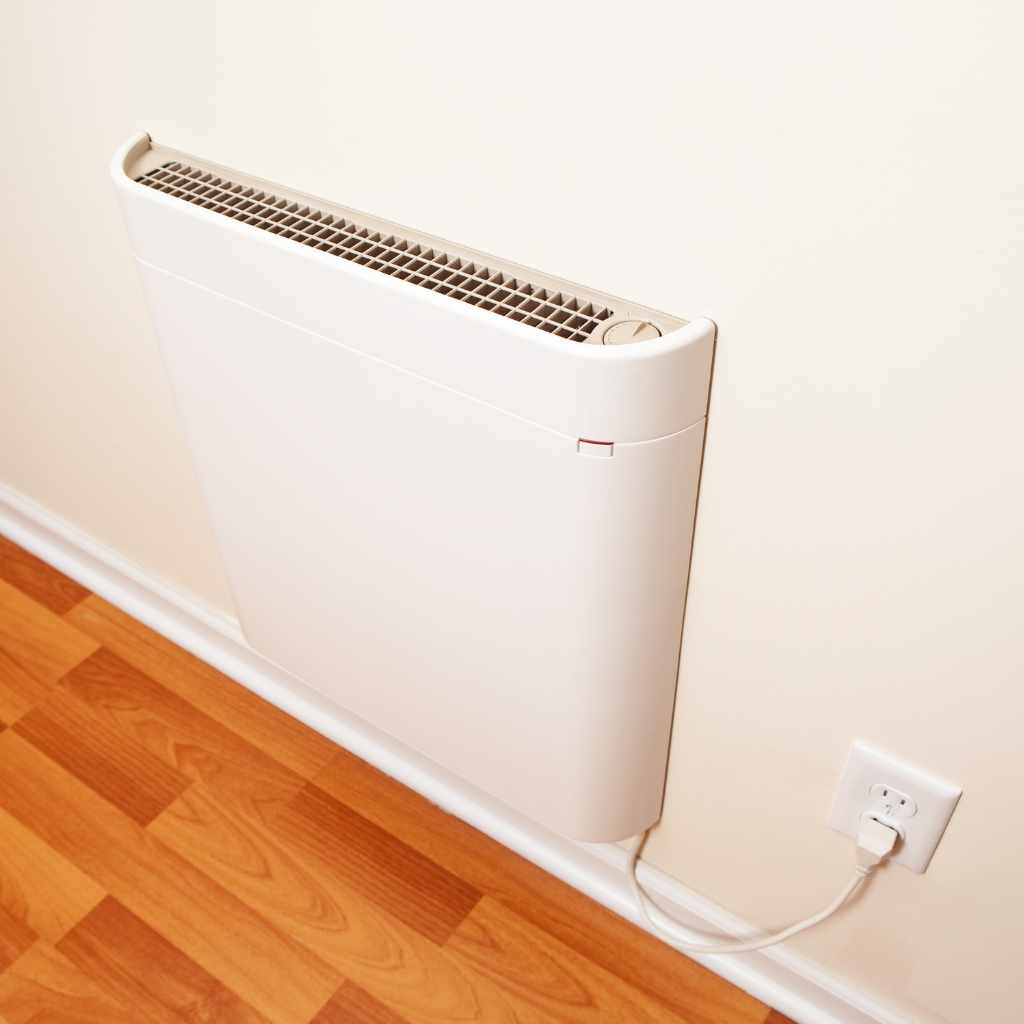
Forced Air Electric Vs Baseboard Heaters: Ultimate Heating Showdown
When it comes to heating your home, choosing the right system can feel overwhelming. You want something efficient, reliable, and cost-effective.
But which option is best for you: forced air electric heaters or baseboard heaters? Understanding the differences can save you money and keep your space comfortable all winter long. You’ll discover how each heater works, the pros and cons, and which one fits your needs perfectly.
Keep reading to make the smartest choice for your home and wallet.
How Forced Air Electric Systems Work
Forced air electric systems use electricity to heat air and move it through your home. They warm spaces quickly and can be controlled easily. Understanding how these systems work helps you decide if they fit your needs.
Basic Components
These systems have a few main parts. A heating element turns electricity into heat. A blower fan pushes warm air into ducts. A thermostat controls the temperature. Ductwork carries warm air to different rooms.
Heat Distribution Process
The heating element heats the air inside the unit. The blower fan then pushes this warm air through ducts. Air vents in rooms let the warm air flow inside. Cooler air returns to the unit to be heated again. This cycle repeats to keep rooms warm.
Typical Installation Areas
Forced air electric systems often install in basements or utility rooms. Ducts run through walls, floors, or ceilings. They work well in homes with central duct systems. These systems fit best in houses needing fast, even heating.

How Baseboard Heaters Operate
Baseboard heaters offer a simple and quiet way to warm rooms. Understanding how they work helps you decide if they fit your heating needs. These heaters use electric power and basic principles of heat transfer to keep spaces cozy.
Core Mechanism
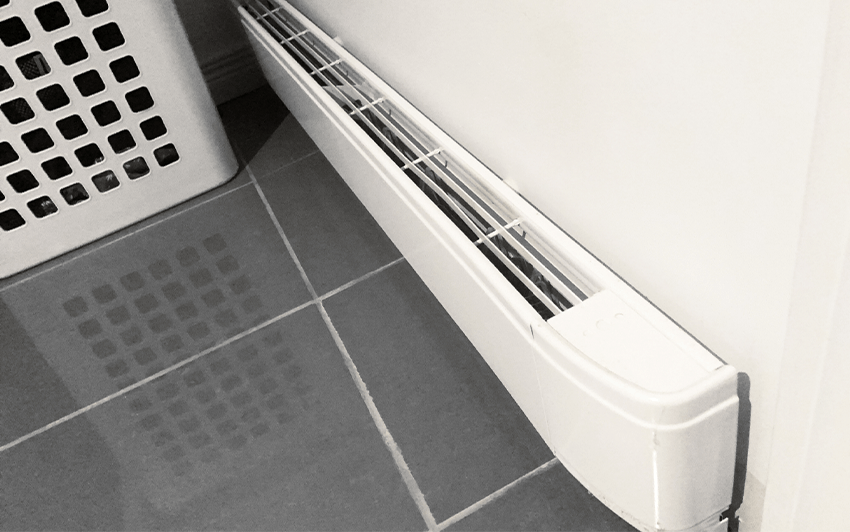
Baseboard heaters have metal fins inside a long casing. An electric heating element runs through these fins. When powered, the element heats up quickly. The fins then transfer heat to the surrounding air. This process is steady and does not need fans.
Heat Emission Style
These heaters use convection to spread warmth. Warm air rises from the heater’s base. Cooler air moves in to replace it, creating a natural flow. This cycle continues, warming the room evenly. The heat feels gentle and steady, not forced.
Ideal Placement
Baseboard heaters work best along exterior walls. Placing them under windows reduces cold drafts. They should remain clear of furniture and curtains. This placement helps maximize heat flow and efficiency. It also prevents heat loss and keeps the room comfortable.
Energy Efficiency Comparison
Energy efficiency plays a key role in choosing between forced air electric and baseboard heaters. It affects your electricity bills and how well your home stays warm. Understanding each heater’s energy use helps you decide the best option for your needs.
Power Consumption Rates
Forced air electric heaters use fans to spread warm air fast. This process uses extra electricity. Baseboard heaters use electricity only to heat metal fins. They consume power more steadily and often less overall.
Heat Retention
Forced air heaters cool quickly after turning off. Warm air escapes through vents and ducts. Baseboard heaters release heat slowly. They keep rooms warm longer without using more energy.
Cost Implications
Forced air heaters may cost more to run due to higher power use. Baseboard heaters often have lower running costs but take longer to heat rooms. Consider both upfront and monthly costs for your budget.
Installation And Maintenance Needs
Understanding the installation and maintenance needs of forced air electric and baseboard heaters helps in making the right choice. Both systems have unique demands that affect setup and ongoing care. Knowing these details saves time and money later.
Setup Complexity
Forced air electric heaters require ductwork and vents. This adds time and cost to installation. Professionals usually handle the setup to ensure safety and efficiency. Baseboard heaters need mounting on walls near the floor. Installation is simpler and faster. No ducts or vents are necessary. Basic electrical work is enough for baseboard units.
Ongoing Upkeep
Forced air systems need regular filter changes. Dust can build up inside ducts, reducing air quality. Cleaning the vents is important. Baseboard heaters require less frequent attention. They only need occasional dusting to keep surfaces clean. No filters or ducts to worry about. Both types benefit from yearly checks by a technician.
Longevity Expectations
Forced air electric heaters typically last 15 to 20 years. Proper care can extend their life. Baseboard heaters often last 20 to 30 years. They have fewer moving parts, which reduces wear. Choosing durable models and maintaining them well increases heater lifespan. Regular inspections help catch issues early.
Comfort And Temperature Control
Comfort and temperature control are key factors in choosing a heating system. Both forced air electric and baseboard heaters have unique ways of delivering warmth. Understanding how they manage heat helps you pick the best option for your home.
Heat Distribution Consistency
Forced air electric heaters blow warm air through vents. This spreads heat quickly across rooms. But the air can cool fast near windows or doors.
Baseboard heaters warm the air by radiation. They create steady heat along walls. This feels gentle and constant, with fewer cold spots.
Thermostat Options
Forced air systems often use programmable thermostats. You can set different temperatures for each room. This saves energy and increases comfort.
Baseboard heaters usually work with simple thermostats. They keep room temperature steady but lack complex controls. Some newer models offer better thermostat options.
Noise Levels
Forced air heaters produce sound from fans and air movement. This noise can be distracting in quiet spaces.
Baseboard heaters operate silently. They use no fans, making them ideal for bedrooms or offices.
Safety And Health Factors
Choosing the right heater means thinking about safety and health. Both forced air electric and baseboard heaters have different risks. Understanding these helps you keep your home safe and comfortable. Here’s a look at key safety and health factors to consider.
Fire Risks
Forced air electric heaters use fans to blow warm air. Dust buildup inside can cause overheating. This might lead to fire if not cleaned often. Baseboard heaters heat metal fins directly. They get very hot but have fewer moving parts. Still, placing flammable objects too close is dangerous. Keep space clear around both types to reduce fire risk.
Air Quality Impact
Forced air electric heaters can stir dust and allergens in the air. This may cause breathing problems for sensitive people. They also dry out the air more, which can irritate skin and eyes. Baseboard heaters warm the room without moving air. This keeps dust settled and air cleaner. They do not affect humidity as much, which helps maintain comfort.
Child And Pet Safety
Forced air electric heaters have grilles and fans, which can be tricky for children and pets. They might touch hot parts or get fingers caught. Baseboard heaters have exposed hot surfaces along the wall. This can cause burns if touched accidentally. Installing barriers or guards helps protect kids and pets from burns or injuries.
Cost Analysis
Understanding the cost differences between forced air electric and baseboard heaters helps you make smart choices. Costs vary from buying the system to running and fixing it. This section breaks down these costs in simple terms.
Knowing where your money goes saves you from surprises later. Let’s explore the main cost areas.
Initial Investment
Forced air electric systems usually cost more upfront. They need ductwork and a blower. Baseboard heaters are simpler and cheaper to buy. Installation is easier and quicker too. This makes baseboard heaters a better choice for tight budgets.
Operating Expenses
Electricity use is the main cost in running both heaters. Forced air systems can heat a whole house faster. This can lower electric bills in some cases. Baseboard heaters work room by room. They use electricity only where needed. Your bill depends on how you use each system.
Repair And Replacement Costs
Forced air electric systems have more parts to fix. Blowers and ducts need regular care. Repairs may be costly. Baseboard heaters have fewer parts and rarely break. Replacement parts for baseboards are usually cheaper. This keeps maintenance costs low.
Best Uses For Each Heater Type
Choosing the right heater depends on your home’s needs and environment. Forced air electric and baseboard heaters each work better in different situations. Understanding where each heater excels helps you save energy and stay comfortable.
Suitable Home Sizes
Forced air electric heaters work well in medium to large homes. They can heat multiple rooms quickly by moving warm air through ducts. Baseboard heaters suit small to medium rooms. They warm spaces slowly but evenly, without the need for ductwork.
Climate Considerations
Forced air heaters perform well in colder climates. They provide fast, powerful heat that spreads across rooms. Baseboard heaters are good for mild to moderate climates. They offer consistent warmth without drying the air.
User Preferences
Choose forced air heaters if you prefer quick heat and air circulation. They also help with air filtering and humidity control. Baseboard heaters appeal to users who want silent, low-maintenance heating. They produce gentle warmth without blowing air around.
Environmental Impact
The environmental impact of heating systems is important to consider. Both forced air electric and baseboard heaters affect the planet differently. Understanding these effects helps in choosing a cleaner, greener option for home heating.
Energy Source Dependency
Forced air electric heaters rely heavily on electricity. The source of this electricity varies by location. It can come from coal, natural gas, or renewable sources like wind and solar. Baseboard heaters also use electricity, but they often run continuously at low power. This steady use can increase overall electricity demand. The environmental effect depends on how clean the local energy grid is.
Carbon Footprint
Carbon footprint means the total greenhouse gases released. Forced air electric systems may have a higher footprint if powered by fossil fuels. Baseboard heaters can produce less carbon if electricity is from green sources. Both systems have zero direct emissions at home. The real impact happens during power production at plants. Choosing renewable energy lowers carbon footprints for both types.
Sustainability Factors
Forced air systems need ducts and fans, which consume extra energy. Baseboard heaters are simple with no moving parts, which can mean less maintenance. Durability affects how often parts need replacing. Longer-lasting systems reduce waste. Both heaters can work well with solar panels, improving sustainability. The choice depends on local energy options and home design.
Making The Right Choice
Choosing between forced air electric and baseboard heaters affects comfort and costs. Understanding your needs and options helps make the right decision. Think about your home size, heating habits, and future plans.
Assessing Personal Needs
Consider the size of your rooms and how fast you want heat. Forced air heats rooms quickly and spreads warmth evenly. Baseboard heaters work well in small spaces and provide steady heat. Think about noise levels; forced air systems can be louder. Baseboard heaters operate silently. Your choice depends on how you use each room.
Budget Planning
Electric baseboard heaters usually cost less upfront. Forced air systems need more investment for installation. Running costs vary by electricity rates and heater efficiency. Baseboard heaters allow you to heat one room at a time, saving energy. Forced air systems heat the whole house but may use more power. Calculate both installation and monthly expenses before deciding.
Future-proofing Your Heating
Choose a system that fits future needs. Forced air systems can connect to air conditioning for year-round comfort. Baseboard heaters are simpler but less flexible. Think about adding smart controls for energy savings. Consider how easy it is to maintain and repair each system. A good choice today should serve well for years to come.
Frequently Asked Questions
What Is The Main Difference Between Forced Air And Baseboard Heaters?
Forced air heaters use ducts to circulate warm air, while baseboard heaters provide radiant heat along walls. Forced air heats spaces quickly; baseboard offers consistent, quiet warmth.
Which Heater Is More Energy-efficient: Forced Air Or Baseboard?
Baseboard heaters are generally more energy-efficient for small spaces due to direct heat. Forced air systems may lose heat through ductwork, reducing efficiency.
Are Forced Air Heaters Better For Whole-house Heating?
Yes, forced air systems effectively heat entire homes through duct distribution. Baseboard heaters are better suited for heating individual rooms or zones.
How Do Maintenance Needs Compare Between These Heating Types?
Forced air systems require regular filter changes and duct cleaning. Baseboard heaters need minimal maintenance, mostly dusting and checking electrical connections.
Conclusion
Both forced air electric and baseboard heaters have clear benefits. Forced air heats rooms quickly and spreads warmth evenly. Baseboard heaters work quietly and use less energy. Your choice depends on your home size and budget. Think about comfort, cost, and maintenance needs.
Each option fits different lifestyles and spaces. Choosing the right heater helps you stay warm and save money. Consider what matters most to you before deciding. Heating your home smartly makes winter better.