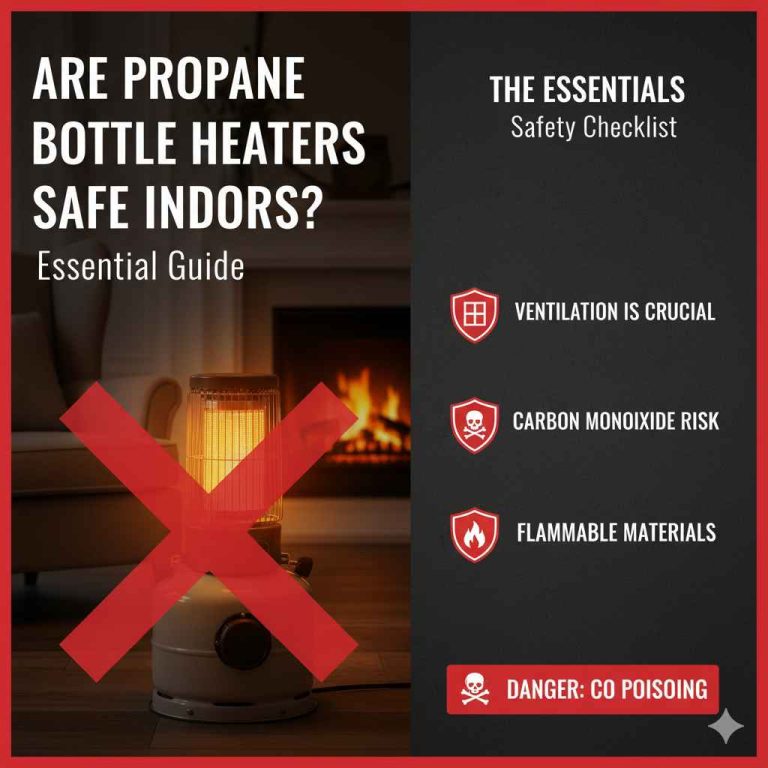
Are Diesel Torpedo Heaters Safe Indoors?
Hey there! If you’re wondering, are diesel torpedo heaters safe indoors, you’re not alone. I’ve asked myself this question while trying to keep my workshop warm during chilly winters. These powerful heaters can be a game-changer, but safety comes first. Let’s dive into everything you need to know to use them wisely.
Understanding Diesel Torpedo Heaters
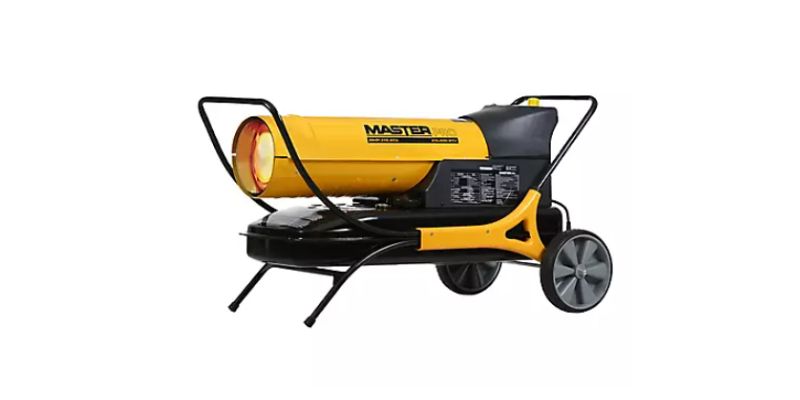
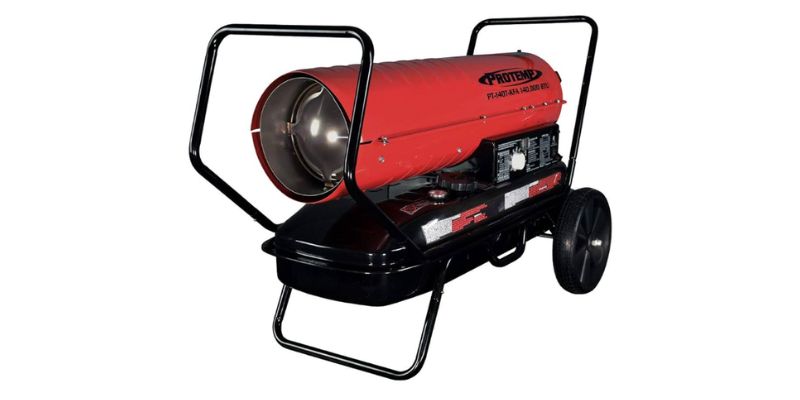
I first came across diesel torpedo heaters when I needed to heat my garage fast. These heaters, also called forced-air heaters, are designed to pump out a lot of heat quickly. They run on diesel fuel or sometimes kerosene, and they’re popular for construction sites, workshops, and large spaces. But indoors? That’s where things get tricky.
These heaters work by burning fuel to create heat, which a fan then blows into the room. They’re efficient and can warm up a space in no time. However, they produce combustion byproducts like carbon monoxide, which can be dangerous if not handled properly. I learned this the hard way when I noticed a strange smell the first time I used one. Let’s break down what makes them safe—or not.
How These Heaters Work
To understand safety, you need to know how diesel torpedo heaters operate. The heater pulls in air, mixes it with diesel fuel, and ignites it in a combustion chamber. A fan pushes the hot air out, warming the space. Sounds simple, right? But the process creates exhaust fumes, including carbon monoxide and nitrogen oxides, which can build up indoors without proper ventilation.
Most models have safety features like automatic shut-off if the flame goes out or if oxygen levels drop. I always check for these features when buying a heater. Some newer models even have low-oxygen sensors, which give me peace of mind. Still, you can’t rely on these alone indoors.
Key Safety Concerns Indoors
Using a diesel torpedo heater indoors isn’t like plugging in an electric heater. There are real risks to consider. Here’s what I’ve learned from my experience and research:
- Carbon Monoxide Poisoning: This is the biggest worry. Carbon monoxide is a colorless, odorless gas that can make you dizzy, nauseous, or worse. I always keep a carbon monoxide detector nearby when using any fuel-burning heater.
- Fire Hazards: These heaters get hot—really hot. If they’re too close to flammable materials like wood or fabric, you’re asking for trouble. I once left a rag too close, and let’s just say I learned to keep a clear space around the heater.
- Fuel Spills: Diesel fuel is messy and flammable. A spill during refueling can be a fire risk. I always refuel outside and wipe up any drips immediately.
- Air Quality: The fumes can irritate your eyes or throat, especially in a small space. I noticed this when I ran my heater in a poorly ventilated shed.
Can You Use Diesel Torpedo Heaters Safely Indoors?
So, are diesel torpedo heaters safe indoors? The short answer is: it depends. Manufacturers often label these heaters for “well-ventilated” spaces, not tightly sealed homes. I’ve used mine in a large garage with the door cracked open, and it worked fine. But in a small, enclosed room? I wouldn’t risk it.
The key is ventilation. You need fresh air flowing in to dilute exhaust fumes and prevent carbon monoxide buildup. I always open a window or door and use a fan to circulate air. If the space feels stuffy, I turn the heater off. Also, check the manufacturer’s guidelines—some models are explicitly not for indoor use.
Best Practices for Safe Indoor Use
I’ve figured out some ways to use diesel torpedo heaters indoors without stressing out. Here’s what works for me:
- Ventilation is Non-Negotiable: Crack open windows or doors to let fresh air in. If possible, use an exhaust fan to pull fumes out. I learned this after feeling lightheaded during one use—never again.
- Use a Carbon Monoxide Detector: I can’t stress this enough. A good detector costs less than $20 and could save your life. I check mine monthly to make sure it’s working.
- Keep It Away from Flammables: I keep at least three feet of clear space around the heater. No curtains, no boxes, no clutter.
- Regular Maintenance: Clean the heater and check for fuel leaks. A dirty burner can produce more carbon monoxide. I clean mine before every winter.
- Follow the Manual: Every heater is different. Mine came with a thick manual, and I read it cover to cover. It’s boring but worth it.
Here’s a quick table summarizing these tips:
| Safety Tip | Why It Matters |
|---|---|
| Ensure ventilation | Prevents carbon monoxide buildup |
| Use a CO detector | Alerts you to dangerous gas levels |
| Clear flammable materials | Reduces fire risk |
| Maintain the heater | Ensures efficient, safe operation |
| Read the manual | Avoids misuse and accidents |
Choosing the Right Heater for Indoor Use
Not all diesel torpedo heaters are created equal. When I shopped for mine, I looked for specific features to make indoor use safer. Look for models with:
- Low-Oxygen Shut-Off: This stops the heater if oxygen levels drop too low.
- Thermostatic Controls: These let you set a temperature, so the heater doesn’t run nonstop.
- Sturdy Build: A tip-over switch is a lifesaver if the heater gets knocked over.
- Certified Safety Standards: Check for certifications like CSA or UL. My heater has a CSA sticker, and I trust it more because of that.
I also prefer smaller heaters for indoor spaces. A 50,000 BTU heater is overkill for a small garage, and it produces more fumes. Match the heater size to your space—check the square footage rating on the box.
Alternatives to Diesel Torpedo Heaters
Sometimes, a diesel torpedo heater isn’t the best choice indoors. After a close call with fumes, I explored other options. Here’s what I found:
- Electric Heaters: These are 100% safe from carbon monoxide but can be pricey to run. I use a small electric heater in my home office.
- Propane Heaters: Some propane models are designed for indoor use, but they still need ventilation. I tried one, but the fuel costs added up.
- Kerosene Heaters: Similar to diesel, but some are rated for indoor use with proper precautions. I found them harder to maintain.
- Infrared Heaters: These are great for spot heating and don’t produce fumes. I use one when I’m working at my desk.
Each option has trade-offs. Electric is safest but expensive. Propane and kerosene need ventilation like diesel. Pick what fits your space and budget.
My Personal Experience
I’ve used my diesel torpedo heater for three winters now, mostly in my 500-square-foot garage. The first time, I didn’t ventilate enough, and the smell of fumes freaked me out. After that, I got smarter. I installed a carbon monoxide detector, kept the door open, and only ran the heater for short bursts. It’s kept me warm while working on projects, but I’m always cautious.
One thing I noticed: the heater dries out the air. I keep a humidifier running to avoid headaches. Also, refueling is a pain. I take the heater outside to avoid spills indoors. It’s a bit of work, but the heat is worth it when it’s freezing outside.
Common Mistakes to Avoid
I’ve made my share of mistakes with diesel torpedo heaters. Here are some to watch out for:
- Ignoring Ventilation: I thought a small window was enough. It wasn’t. Always maximize airflow.
- Running It Too Long: These heaters aren’t meant for continuous use indoors. I limit mine to an hour at a time.
- Storing Fuel Indoors: Diesel fuel cans belong in a shed or garage, not your living room. I learned this after a can leaked.
- Skipping Maintenance: A clogged filter made my heater smoke more than usual. Clean it regularly.
Why Safety Matters
I can’t stress enough how important safety is with diesel torpedo heaters. A friend of mine had a scare when he left his heater running overnight in a poorly ventilated barn. He woke up dizzy and had to rush outside. Stories like that stick with me. These heaters are powerful, but they demand respect. A little caution goes a long way.
Conclusion
So, are diesel torpedo heaters safe indoors? They can be, but only if you’re careful. I’ve learned to love the heat they provide, but I never cut corners on safety. With proper ventilation, a carbon monoxide detector, and regular maintenance, you can use these heaters in large, open spaces like garages or workshops. But for small, enclosed rooms, I’d stick to electric or infrared options. Stay smart, follow the guidelines, and you’ll stay warm and safe all winter long.
FAQs
Can I use a diesel torpedo heater in my home?
No, I wouldn’t recommend it. Homes are too enclosed, and ventilation is hard to manage. Stick to garages or workshops with open windows or doors.
How much ventilation is enough for a diesel torpedo heater?
You need constant fresh air. I open at least one window and a door. If the air feels stuffy or you smell fumes, it’s not enough.
Are there indoor-safe diesel torpedo heaters?
Some models are labeled for “well-ventilated indoor use,” but none are 100% safe without precautions. Always check the manual and use a carbon monoxide detector.
What happens if I don’t use a carbon monoxide detector?
You’re taking a big risk. Carbon monoxide is silent and deadly. I always have a detector running—it’s cheap insurance.
Can I leave my diesel torpedo heater running overnight?
I never do this. Even with ventilation, carbon monoxide can build up over time. Use it for short periods and turn it off when you’re not around.