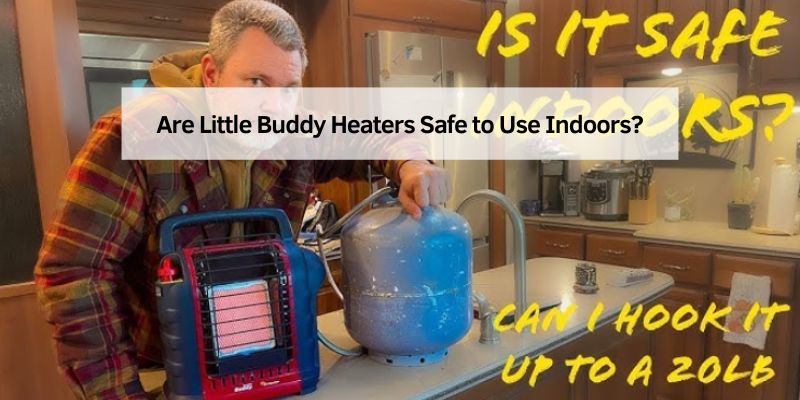
Are Little Buddy Heaters Safe to Use Indoors?
Hey there! If you’re like me, you’ve probably felt the chill of a cold winter morning and wondered how to warm up a small space without cranking up the central heat. Maybe you’re camping in a tent, working in a garage, or just trying to keep your cozy den toasty during a power outage. That’s where the Mr. Heater Little Buddy comes in—a compact, portable propane heater that promises warmth wherever you need it. But here’s the big question: Are Little Buddy heaters safe to use indoors? I’ve spent time researching and using this heater myself, and I’m excited to share everything I’ve learned. Let’s dive into the details, from safety features to practical tips, so you can decide if this little heater is right for you.
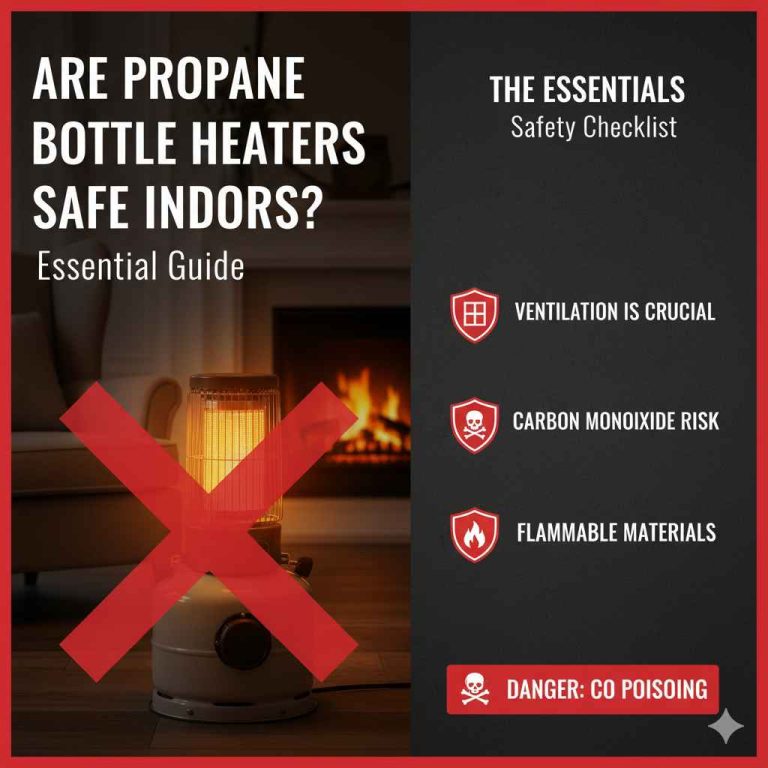
For the safety side of this topic, Are Propane Buddy Heaters Safe Indoors gives readers a practical next check before using a heater.
What Is a Little Buddy Heater?
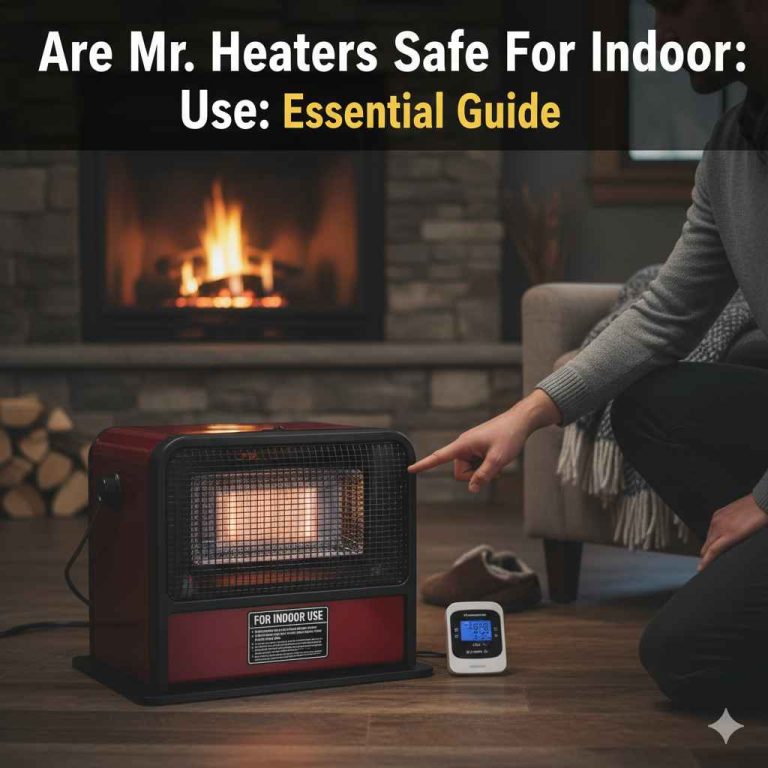
Let’s start with the basics. The Mr. Heater Little Buddy, model F215100 MH4B, is a small propane-powered heater designed to warm spaces up to 95 square feet. It’s lightweight, weighing about 5 pounds, and stands around 12 inches tall and 10 inches wide. It runs on a 1-pound propane cylinder, which makes it super portable. You can take it camping, use it in a shed, or even bring it into your home for emergency heat. It pumps out 3,800 BTUs per hour, which is enough to take the chill off a small room, tent, or RV.
I first came across the Little Buddy when I needed a backup heat source for my garage workshop. The idea of a heater that didn’t need electricity was appealing, especially during power outages. But I was nervous about using a propane heater indoors. Would it be safe? Could I trust it in a confined space? Those questions led me to dig deeper, and I’m here to share what I found.
Why Safety Matters with Propane Heaters
Propane heaters, like the Little Buddy, burn fuel to create heat. This process uses oxygen and produces byproducts like carbon monoxide (CO), a colorless, odorless gas that can be dangerous in high amounts. I’ve read stories about people getting sick or worse from CO poisoning, and it’s scary to think about. That’s why safety is my top concern when using any heater indoors, especially one that burns propane.
When I started using my Little Buddy, I was cautious. I wanted to make sure I wasn’t putting myself or my family at risk. The good news is that the Little Buddy has features designed to keep you safe, but there are also steps you need to take to use it responsibly. Let’s break down the safety features and what you need to know.
Key Safety Features of the Little Buddy Heater
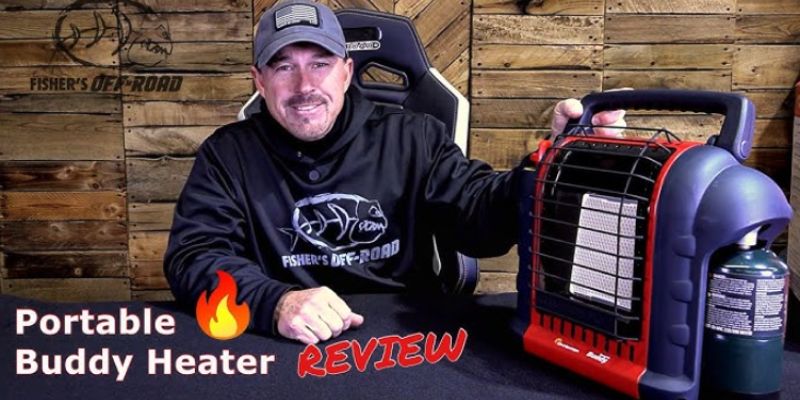
The Little Buddy is built with safety in mind, which gave me some peace of mind when I first used it. Here are the main safety features that make it suitable for indoor use:
Oxygen Depletion Sensor (ODS)
The Oxygen Depletion Sensor is a game-changer. It monitors the oxygen levels in the room. If the oxygen drops too low (similar to levels at high altitudes, around 7,000 feet), the heater shuts off automatically. This helps prevent carbon monoxide buildup, which can happen when there’s not enough oxygen for complete combustion. I tested this feature in my garage, and while I didn’t notice it shutting off (because my space was well-ventilated), it’s reassuring to know it’s there.
Tip-Over Shut-Off
Another feature I love is the tip-over shut-off. If the heater gets knocked over—say, by a pet or a clumsy moment—it turns off instantly. This reduces the risk of fire, which is a big concern with any heater. I once accidentally bumped my Little Buddy while moving some tools, and it shut off right away. That quick response made me trust it even more.
Stable Base Design
The Little Buddy has an 8-inch round base that keeps it steady. I’ve used it on uneven surfaces, like a tent floor, and it stayed put. This stability is crucial because a wobbly heater could tip over and cause problems.
No Exposed Flame
Unlike some propane heaters, the Little Buddy uses a radiant heating system with a ceramic burner. There’s no open flame, which reduces the fire hazard. When I first lit it, I was surprised at how contained the heat source was—it’s just a glowing panel, not a flickering flame.
These features make the Little Buddy safer than older propane heaters, but they don’t mean you can use it carelessly. Let’s talk about how to use it safely indoors.
How to Use a Little Buddy Heater Safely Indoors
Using the Little Buddy indoors is generally safe, but you’ve got to follow some rules. I learned this the hard way when I first set it up in my garage and noticed condensation on the windows. Propane heaters produce water vapor as a byproduct, and without proper ventilation, that can lead to dampness or even mold. Here’s what I do to keep things safe and comfortable:
Always Ensure Ventilation
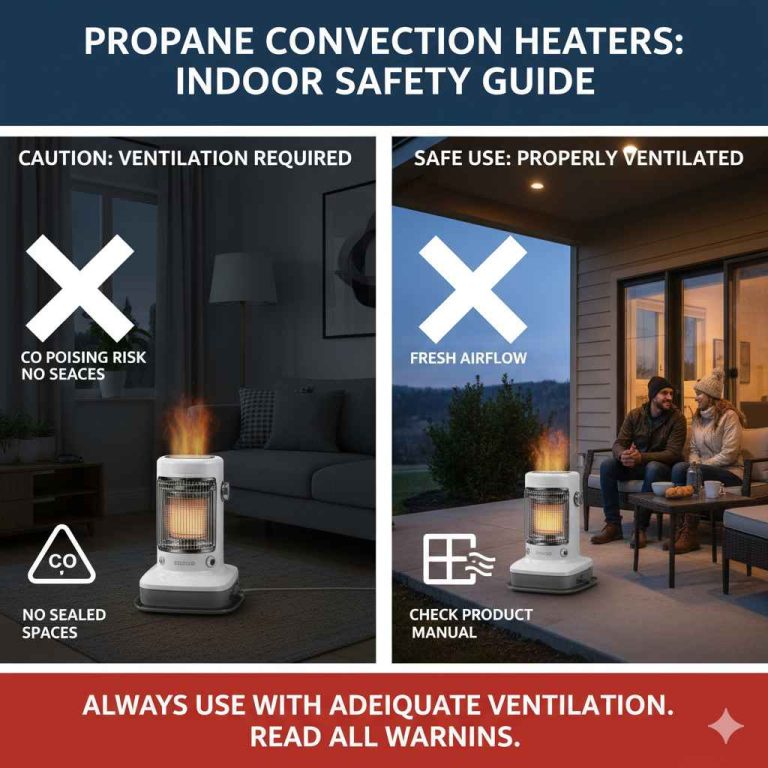
Ventilation is non-negotiable. The Little Buddy needs a steady supply of fresh air to burn propane safely and avoid CO buildup. The manufacturer recommends at least a 4-inch square vent (about the size of a small window cracked open). When I use it in my garage, I crack a window or leave the door slightly ajar. In a tent, I keep a vent or flap partially open. This lets fresh air in and allows CO and water vapor to escape.
Use a Carbon Monoxide Detector
I can’t stress this enough: get a carbon monoxide detector. Even with the ODS, it’s smart to have a backup. I keep a battery-powered CO detector in any room where I use the Little Buddy. It’s never gone off, but it gives me peace of mind, especially when I’m using the heater for a few hours. You can find reliable CO detectors for around $20-$30, and they’re worth every penny.
Keep Flammable Materials Away
The Little Buddy gets hot—really hot. I made the mistake of placing it too close to a pile of rags once, and I quickly realized that was a bad idea. Keep it at least 3 feet away from anything flammable, like curtains, bedding, or paper. I always clear a space around it before turning it on.
Don’t Run It While Sleeping
This one’s tough because it’s tempting to leave the heater on overnight, especially in a cold tent or RV. But the manual is clear: don’t use it while sleeping. The risk of CO buildup or a fire hazard increases if you’re not awake to monitor it. I warm up my space before bed, then turn it off. If I wake up chilly, I relight it for a bit to take the edge off.
Check Local Regulations
Before using the Little Buddy indoors, check your local laws. Some places, like certain counties in California or Massachusetts, have strict rules about propane heaters in homes or apartments. I live in a state where it’s allowed, but I still called my local fire department to confirm. Better safe than sorry!
Regular Maintenance
Keep your heater clean. Dust, lint, or spider webs can clog the burner and affect performance. I check mine before each use, especially if it’s been stored for a while. The manual says to remove the propane cylinder and clean the unit when it’s cold, which I do with a soft brush.
Pros and Cons of Using a Little Buddy Heater Indoors
To give you a clear picture, here’s a table summarizing the pros and cons of using the Little Buddy indoors:
| Pros | Cons |
|---|---|
| Portable and lightweight (easy to move) | Produces water vapor, which can cause condensation |
| Heats small spaces quickly (up to 95 sq. ft.) | No adjustable heat settings (fixed at 3,800 BTUs) |
| Safety features like ODS and tip-over shut-off | Requires ventilation, which can let in cold air |
| No electricity needed (great for outages) | Propane tanks need frequent replacement (5-6 hours per 1-lb tank) |
| Affordable (around $60-$80) | Not safe to run overnight |
This table helped me weigh my options when I first considered the Little Buddy. It’s great for short-term use, but it’s not a replacement for a full heating system.
My Experience Using the Little Buddy Indoors
Let me share a quick story. Last winter, we had a power outage during a snowstorm. My central heating was out, and my family was shivering in our living room. I grabbed the Little Buddy from my garage, set it up on a stable table, and cracked a window. Within 20 minutes, our small den (about 80 square feet) went from freezing to cozy. The kids were thrilled, and I felt like a hero. But I was careful—I kept the CO detector nearby and turned the heater off before we went to bed. It worked like a charm, but I wouldn’t have felt comfortable without those precautions.
I’ve also used it in my RV during a fall camping trip. The mornings were chilly, and the Little Buddy warmed up the space fast. I did notice some condensation on the windows, so I opened a vent to let the moisture out. It’s not perfect, but it’s reliable when you need it.
Comparing the Little Buddy to Other Heaters
You might be wondering how the Little Buddy stacks up against other heating options. I’ve tried electric space heaters and kerosene heaters, so here’s a quick comparison:
- Electric Space Heaters: These are safer in terms of CO risk since they don’t burn fuel. But they need electricity, which isn’t helpful during outages. They’re also more expensive to run long-term. I have a Lasko ceramic heater, and it’s great for my bedroom, but it’s useless when the power’s out.
- Kerosene Heaters: These are powerful but smellier and messier than propane heaters. They also produce CO and require ventilation. I used a kerosene heater once in my shop, and the odor was too much for me to use it indoors regularly.
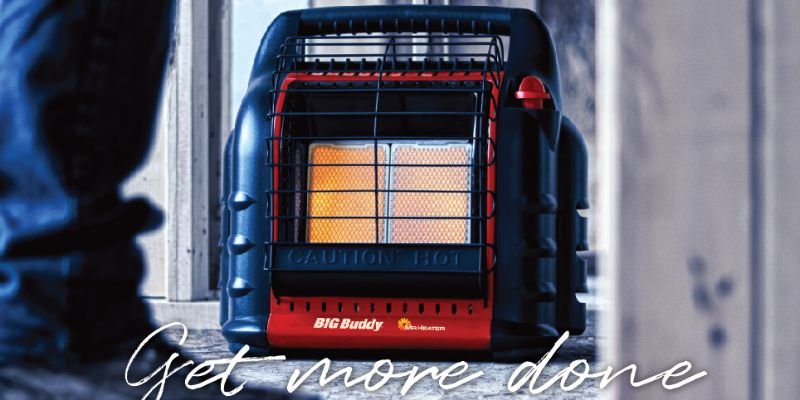
- Big Buddy Heater: The Little Buddy’s big brother, the Mr. Heater Big Buddy, offers 4,000-18,000 BTUs and can heat up to 450 square feet. It’s better for larger spaces but bulkier and less portable. I stick with the Little Buddy for small areas.
The Little Buddy shines for its portability and ease of use in small spaces. If you need to heat a larger room or want something you can leave on longer, you might need a different solution.
Tips for Maximizing Efficiency
To get the most out of your Little Buddy, here are some tips I’ve picked up:
- Use in Small Spaces: The heater works best in areas under 95 square feet. I tried using it in a larger room once, and it couldn’t keep up.
- Stock Up on Propane: A 1-pound tank lasts about 5-6 hours. I keep a few extras on hand, especially for camping or emergencies. You can also connect it to a 20-pound tank with a hose for longer use, but you’ll need a filter to prevent clogs.
- Place It Strategically: Set the heater on a stable, elevated surface to spread heat evenly. I put mine on a small table in the center of the room.
- Layer Up: The Little Buddy takes the chill off, but it’s not a furnace. Wear warm clothes or use a blanket to stay comfortable without running the heater constantly.
Common Myths About Propane Heaters
There are some misconceptions about propane heaters that I want to clear up:
- Myth: Propane heaters always produce dangerous CO levels. Not true. The Little Buddy’s ODS ensures CO doesn’t reach harmful levels if used properly. But a CO detector is still a must.
- Myth: They’re only for outdoor use. The Little Buddy is designed for indoor use in well-ventilated spaces, unlike some older propane heaters.
- Myth: They’re hard to light. It took me a couple of tries to get the hang of the pilot light, but once I read the instructions, it was easy. Just turn the knob, hold it for 30 seconds, and push to ignite.
Environmental and Health Considerations
Using a propane heater indoors does have some environmental and health impacts. The water vapor can increase humidity, which I noticed in my RV. If you’re in a poorly insulated space, this could lead to mold over time. I use a small dehumidifier in my garage to counteract this.
Health-wise, CO is the biggest concern. Even with safety features, prolonged use in a small, unventilated space can be risky. I always make sure my CO detector is working and never run the heater for more than a few hours at a time.
Where to Buy and What to Expect
You can find the Little Buddy at places like Amazon, Home Depot, or Walmart for about $60-$80. It comes with a one-year warranty, which covers parts but not labor. I bought mine online and had it delivered in a couple of days. The box includes the heater and a manual, but you’ll need to buy propane cylinders separately.
Expect a learning curve if you’ve never used a propane heater before. Lighting it takes a bit of practice, and you’ll need to get comfortable with the ventilation routine. But once you’ve got it down, it’s a reliable little workhorse.
Conclusion
So, are Little Buddy heaters safe to use indoors? Yes, they can be, but only if you use them responsibly. The built-in safety features like the Oxygen Depletion Sensor and tip-over shut-off make it one of the safer propane heaters out there. But you’ve got to do your part—ventilate the space, use a CO detector, and follow the manual’s guidelines. I’ve used my Little Buddy in my garage, RV, and even during a power outage, and it’s been a lifesaver every time. It’s not perfect for every situation, but for small spaces and short-term use, it’s hard to beat.
Whether you’re a camper, a DIY enthusiast, or just preparing for emergencies, the Little Buddy can be a great addition to your toolkit. Just treat it with respect, and it’ll keep you warm and safe. Have you used a Little Buddy before, or are you thinking about getting one? Let me know your thoughts—I’d love to hear how it works for you!
FAQs
Can I use a Little Buddy heater in my bedroom?
It’s not recommended to use the Little Buddy in a bedroom, especially while sleeping. The manual advises against running it overnight due to the risk of CO buildup. If you must use it, keep a window cracked, use a CO detector, and turn it off before bed.
How long does a propane tank last with a Little Buddy heater?
A 1-pound propane tank lasts about 5-6 hours at 3,800 BTUs. For longer use, you can connect it to a 20-pound tank with a hose and filter, which can last days depending on usage.
Is the Little Buddy heater noisy?
No, it’s very quiet. It doesn’t have a fan, so there’s no motor noise—just the occasional click when the pilot light ignites. I barely notice it when it’s running.
Can I use the Little Buddy in a tent?
Yes, it’s great for tents up to 95 square feet. Just ensure proper ventilation by keeping a vent or flap open, and never leave it on while sleeping. I’ve used it camping, and it’s a game-changer for chilly mornings.
Does the Little Buddy heater smell?
It shouldn’t smell much if it’s working properly. I noticed a slight odor the first time I used it, likely from the burner coating burning off. If you smell propane, turn it off and check for leaks.
Can I connect the Little Buddy to a larger propane tank?
Yes, you can use a hose and filter to connect it to a 20-pound or larger tank. This is more cost-effective for long-term use, but make sure to use the recommended accessories to avoid clogs.