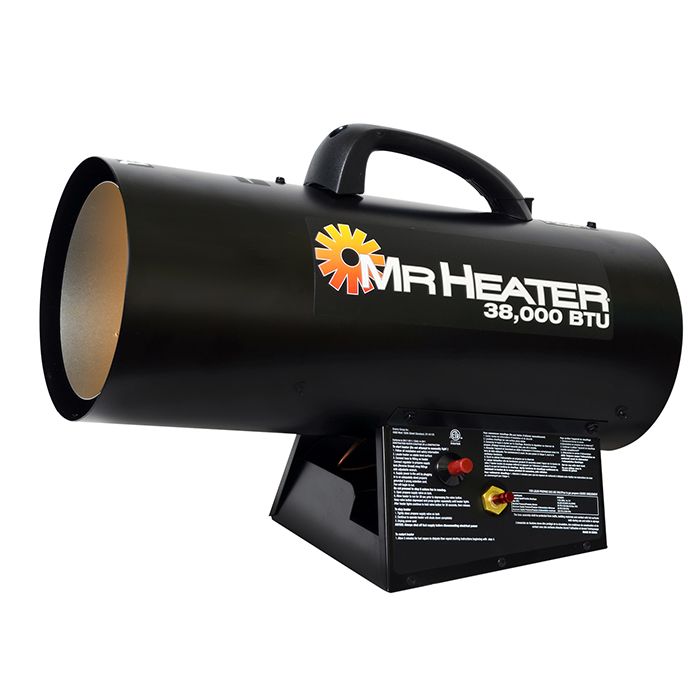
When the chill of winter sets in, finding a reliable and efficient way to keep your indoor spaces warm becomes a priority. You might be considering a forced air propane heater to tackle the cold.
But before you make that decision, it’s crucial to understand the safety aspects of using such heaters indoors. Your health and safety depend on it, and we are here to guide you through the ins and outs. Are forced air propane heaters safe for indoor use?
The answer might surprise you, and knowing the facts could save you from potential hazards. Stay with us as we uncover the essential information that will help you make informed choices for your home heating needs.
Credit: www.homedepot.com
Forced Air Propane Heaters Explained
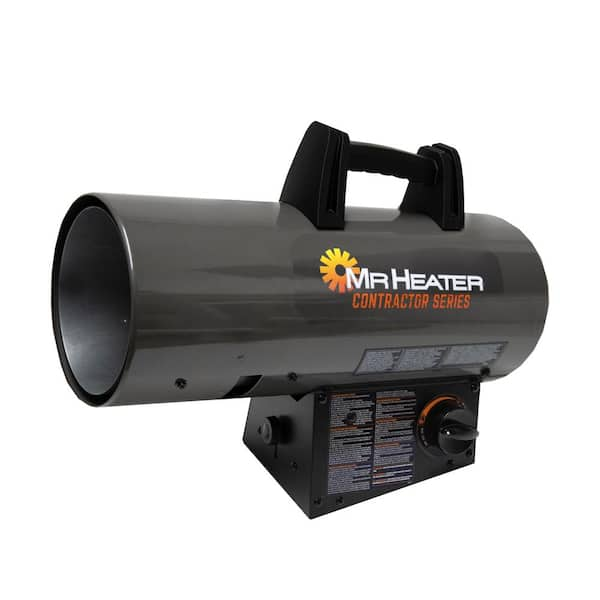
Forced air propane heaters are popular for heating large spaces. These heaters use propane as fuel and blow warm air through a fan. They are efficient in heating areas quickly. Safety is a key concern with these heaters. Proper ventilation is essential to prevent gas build-up. Always check for leaks before use. Carbon monoxide detectors are recommended. Follow manufacturer instructions for safe operation.
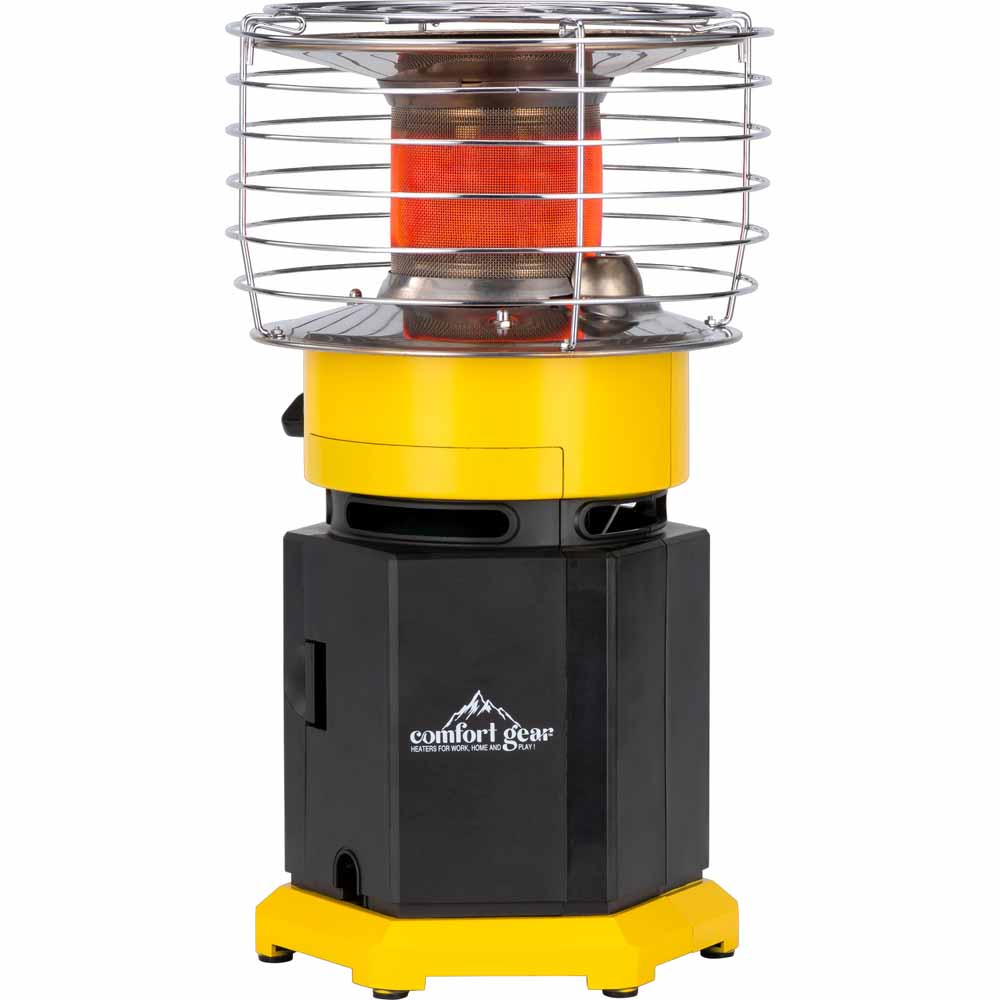
These heaters are portable. Easy to move and set up. They work well in garages, workshops, and outdoor spaces. Indoor use requires careful monitoring. Space and airflow are important for safe use. Regular maintenance keeps the heater functioning well. Always read the heater’s manual. Understanding the risks ensures safe operation.
Credit: arerofast.com
Indoor Use Considerations
Forced air propane heaters need good ventilationwhen used indoors. Fresh air is necessary. It helps to avoid gas buildup. Open windows can help. Let air flow freely. This keeps the space safe. It reduces harmful gases. Without enough air, heaters can be risky.
Not all rooms are suitable for propane heaters. Large spaces are better. Small rooms can be dangerous. Heaters need room to work safely. Avoid using them in closed areas. Keep them in open areas. Ensure there is enough space around them. Safety comes first.
Potential Risks
Forced air propane heaters can produce carbon monoxide. This is a colorless, odorless gas. It’s very dangerous. Breathing it can make you sick. It can even be fatal. Proper ventilation is essential. Always ensure good airflow when using these heaters indoors.
These heaters can cause fire hazards. They get very hot. Keep flammable items far away. Never place them near curtains or furniture. This reduces the risk of fires. Always follow the safety instructions provided.
Propane is a flammable gas. It can cause explosions. Leaks can be very dangerous. Check for leaks before use. Use the heater in a safe, open area. This helps to prevent explosions. Safety comes first with propane heaters.
Safety Certifications
Forced air propane heaters must meet certain industry standards. These standards ensure the heaters are safe for indoor use. Common standards include UL and CSA certifications. These certifications check the heater’s safety features. They ensure the heater doesn’t leak gas. This keeps your home safe.
Manufacturers provide guidelinesfor using heaters. It’s important to follow these guidelines closely. They include tips on proper ventilation. This helps prevent carbon monoxide build-up. Always place the heater on a stable surface. Keep it away from flammable items. This ensures the heater works safely indoors.
Safe Operation Tips
Ensure the heater is set up on a flat surface. Avoid placing it near flammable items. Maintain a safe distance from walls and furniture. Use a carbon monoxide detector in the room. Ventilation is important; keep a window slightly open.
Clean the heater to keep it working well. Dust and dirt can block parts. Check for any leaks in the propane tank. Tighten loose connections. Replace old parts with new ones. Follow the manufacturer’s instructions for safety. Keep the heater in good condition for safe use indoors.
Alternative Heating Options
Electric heaters are safe for indoor use. They do not produce any harmful gases. These heaters are easy to use. You just plug them in and turn them on. They are great for small rooms. Some models have settings to change heat levels. This allows you to control the warmth. They are also quiet, making them ideal for bedrooms. Electric heaters are energy-efficient and reduce electricity bills. They come in different shapes and sizes. Some are portable, and others are fixed on walls.
Radiant heating warms through floors or walls. It provides even warmth throughout the room. This system uses water or electricity to heat. It is silent and does not blow air. It feels like the sun warming your skin. Radiant heating is hidden, so it does not take up space. It can be expensive to install but saves money over time. This system offers consistent comfort. It is perfect for homes where people have allergies.
Emergency Protocols
Forced air propane heaters need careful handling indoors. Carbon monoxide risks make ventilation essential. Always check manufacturer guidelines and maintain regular inspections to ensure safety while using these heaters.
Recognizing Symptoms Of Exposure
Feeling dizzy or lightheaded can be a warning sign. Headaches are also common symptoms of exposure. Trouble breathing may occur in unsafe conditions. Skin might feel itchy or irritated. Eyes could be watery and red. Nausea might make you feel sick. Recognizing these symptoms is important for safety.
Immediate Steps To Take
Open windows to let fresh air inside. Turn off the propane heater quickly. Move away from the area where the heater is located. Call for help if you feel unwell. Tell others about the problem. Go outside to breathe clean air. Seek medical attention if symptoms persist. Taking these steps can keep everyone safe.
Credit: www.reddit.com
Frequently Asked Questions
Are Propane Heaters Safe For Indoor Use?
Forced air propane heaters can be safe indoors with proper ventilation. Ensure the space is well-ventilated to prevent carbon monoxide buildup. Always follow manufacturer guidelines and use detectors. Regular maintenance and inspections help ensure safety.
Do Propane Heaters Emit Harmful Gases?
Yes, propane heaters can emit carbon monoxide if not properly ventilated. Ensure good airflow to avoid gas accumulation. Use carbon monoxide detectors and adhere to safety guidelines. Proper maintenance reduces risks and ensures safe operation indoors.
Can Propane Heaters Cause Fires Indoors?
Improper use of propane heaters can cause fires. Keep heaters away from flammable materials and ensure stable placement. Follow manufacturer instructions for safe operation. Regular inspections help identify potential hazards and ensure safe use.
How To Ventilate A Room For Propane Heater?
Open windows and doors to provide fresh air when using a propane heater. Use exhaust fans to improve airflow. Ensure the heater’s venting system is unobstructed. Regularly check ventilation pathways for blockages or obstructions.
Conclusion
Forced air propane heaters can be safe indoors with precautions. Always ensure proper ventilation. Follow manufacturer’s instructions for safe use. Check for carbon monoxide regularly. Keep the heater away from flammable items. Use detectors to monitor gas levels. Safety should always be a priority.
Regular maintenance is essential. Choose certified heaters for peace of mind. Understanding these tips ensures a safer environment. Stay informed and stay safe.
Last Updated on August 4, 2025 by Tanim