
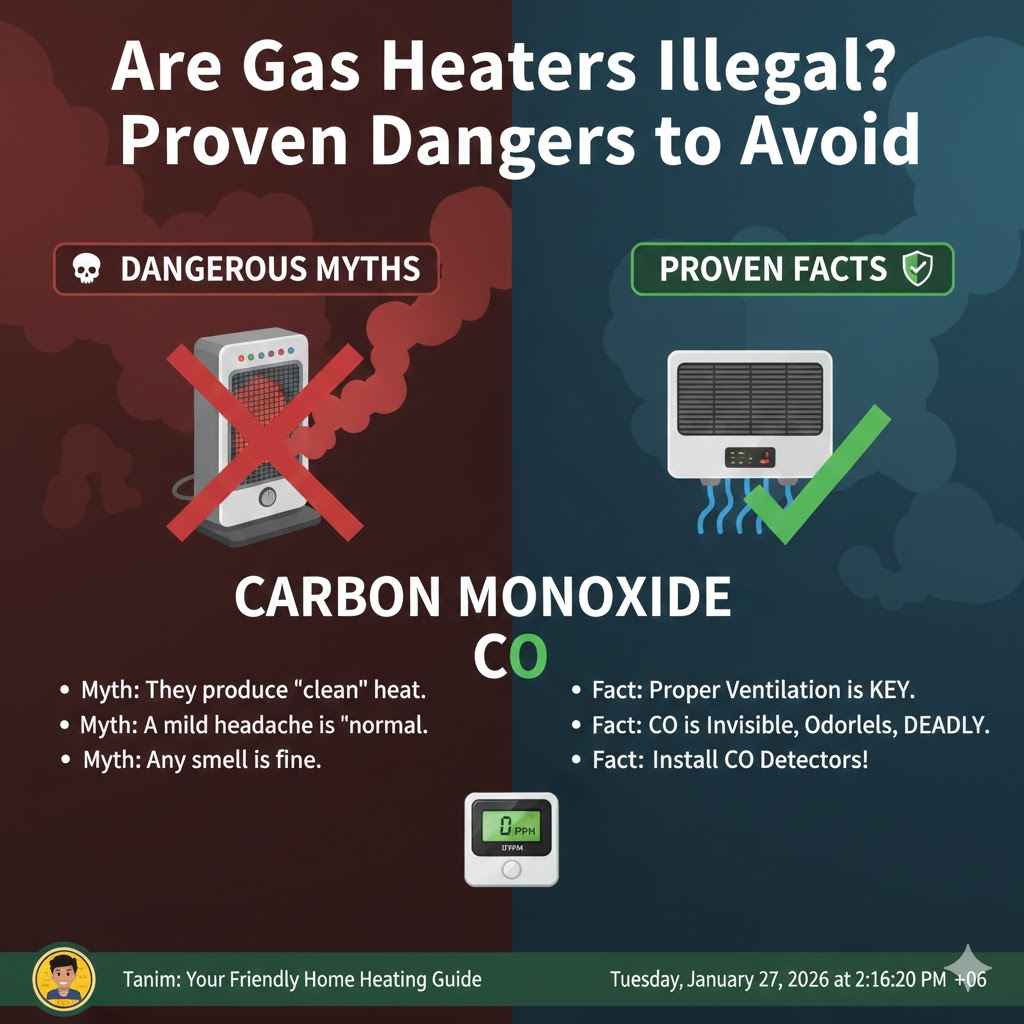
Are gas heaters illegal? Generally, no. While specific local regulations may restrict unvented models in certain spaces, gas heaters are widely used and legal when properly installed, vented, and maintained. The key is understanding and avoiding proven dangers like carbon monoxide poisoning and fire risks to ensure a safe, warm home.
Thinking about a gas heater to keep your home cozy, but feeling a little unsure? You’re not alone! Many homeowners and renters wonder if gas heaters are legal or safe. It’s a common concern, especially with so many different types and stories circulating. The good news is, with the right information, you can navigate your heating choices confidently. This guide will clear up the confusion, explain the real dangers, and give you simple, actionable steps to stay warm and safe.
The short answer is no, gas heaters are generally not illegal. In fact, millions of homes across the country safely use natural gas or propane heaters every day. However, it’s not quite that simple. The legality and safety of gas heaters depend heavily on a few key factors: the type of heater, where it’s installed, and local building codes and regulations.
Let’s break it down so you can understand what applies to your home.
Vented vs. Unvented Gas Heaters: A Crucial Distinction
The biggest factor in gas heater legality and safety is whether the unit is vented or unvented.
Vented Gas Heaters
- How they work: These heaters have a dedicated exhaust system (a vent pipe or chimney) that directs combustion byproducts—like carbon monoxide, carbon dioxide, and water vapor—safely outside your home.
- Legality: Vented gas heaters are almost universally legal for primary home heating, provided they are installed correctly by a qualified professional and meet all local codes.
- Safety: When properly installed and maintained, vented heaters are very safe because harmful gases are expelled outdoors.
Unvented (Vent-Free) Gas Heaters
- How they work: These heaters operate without an exhaust system. All combustion byproducts are released directly into the living space.
- Legality: This is where things get tricky. While many unvented heaters are manufactured and sold, their legality for use varies significantly by state, county, and even city. Some jurisdictions prohibit them entirely for residential use, or only allow them as supplemental heating in specific, well-ventilated areas.
- Safety: They carry higher risks, which we’ll discuss in detail, due to the direct release of combustion gases and moisture into your home. They usually include an Oxygen Depletion Sensor (ODS) for safety, but this doesn’t eliminate all risks.
Before you purchase or install any gas heater, especially an unvented model, always check with your local building department. They can provide specific regulations for your area regarding gas appliances and ventilation requirements. This step is crucial for both safety and compliance.

Portable Gas Heaters: Temporary Solutions, Specific Rules
Portable gas heaters, often propane-fueled, are designed for temporary use. They are almost always unvented. Because of this, their use is heavily restricted in many indoor settings. They are generally deemed unsafe for extended use in enclosed residential spaces due to the risk of carbon monoxide buildup and oxygen depletion.
- Common Use: Best for outdoor patios, construction sites, or extremely well-ventilated workshops.
- Residential Warning: Avoid using portable gas heaters as a primary or continuous heating source inside your home. Even with windows open, the risks can be substantial.
Understanding Local Regulations and Permits
Local regulations are the ultimate authority. What’s allowed in one city might be prohibited in another. Here’s why and what to do:
- Building Codes: These codes dictate everything from installation standards to ventilation requirements. They are put in place to protect public safety.
- Permits: Installing a new gas heater, or even replacing an old one, often requires a permit. This ensures the installation is inspected by a qualified professional and meets code. Don’t skip this step!
- Homeowner’s Insurance: Some insurance policies may have clauses regarding certain types of heating appliances, especially if they are not installed or maintained according to code.
To ensure you’re on the right side of the law and, more importantly, safety, always consult your local city or county building department. They can clarify requirements for permits, inspections, and acceptable types of gas heaters in your specific area.
Now that we’ve covered the legality, let’s dive into the critical aspect of safety: the proven dangers of gas heaters and how to avoid them.
Proven Dangers of Gas Heaters to Avoid
While gas heaters can be efficient and effective, they come with inherent risks if not used or maintained correctly. Being aware of these dangers is the first step toward a safe home.
1. Carbon Monoxide (CO) Poisoning: The Silent Killer
This is arguably the most significant danger associated with gas heaters. Carbon monoxide is an odorless, colorless, tasteless gas produced by the incomplete combustion of fuels like natural gas and propane. It’s often called the “silent killer” because you can’t detect it without a CO detector.
- How it happens:
- Faulty or poorly maintained gas heaters.
- Improperly vented heaters (flue blockages).
- Unvented heaters used in poorly ventilated spaces.
- Backdrafting from chimneys.
- Symptoms: Early symptoms are flu-like – headache, dizziness, nausea, fatigue. As exposure increases, it can lead to confusion, collapse, coma, and death.
- Prevention:
- Install carbon monoxide detectors on every level of your home, especially near sleeping areas. Test them regularly.
- Ensure your gas heater is professionally installed and serviced annually.
- Never use outdoor heating appliances indoors.
- Never use a gas range or oven to heat your home.
2. Fire Hazards
Any heating appliance that uses a flame poses a fire risk if not handled carefully.
How it happens:
Placing flammable materials too close to the heater (curtains, furniture, clothing).
Gas leaks from faulty connections or damaged hoses.
Overheating due to lack of clearance or maintenance.
Improper installation or repairs.
Prevention:
Maintain a 3-foot “clear zone” around all heating equipment, free from anything that can burn.
Check for gas leaks regularly (a faint rotten egg smell is a clear sign). If you suspect a leak, turn off the gas supply, evacuate immediately, and call your gas company and 911 from a safe distance.
Ensure connections are secure and hoses are undamaged.
Have your heater inspected annually by a qualified professional.
3. Oxygen Depletion
This is a specific risk primarily with unvented gas heaters, especially in smaller, sealed rooms.
How it happens: Combustion consumes oxygen from the air. In a poorly ventilated space, an unvented heater can significantly reduce the oxygen levels, leading to hypoxia.
Symptoms: Shortness of breath, rapid heart rate, confusion, loss of consciousness.
Prevention:
If you must use an unvented gas heater, ensure the room is adequately ventilated. Crack a window or door.
Never use unvented heaters in bedrooms, bathrooms, or other small, enclosed spaces.
Rely on the Oxygen Depletion Sensor (ODS) only as a backup; it’s not a substitute for proper ventilation.
4. Moisture and Indoor Air Quality Issues
All gas combustion produces water vapor. While this isn’t usually an issue with vented heaters, unvented models release all that moisture directly into your home.
- How it happens: Excessive indoor humidity from unvented heaters can lead to condensation on windows and walls, promoting mold and mildew growth. This can worsen allergies and respiratory issues.
- Prevention:
- Prioritize vented heating solutions.
- If using an unvented heater, use it sparingly and ensure excellent ventilation.
- Consider a dehumidifier if moisture becomes a problem.
5. Direct Contact Burns
The surfaces of many gas heaters, especially space heaters, can become extremely hot.
How it happens: Accidental touching, particularly by children or pets.
Prevention:
Keep children and pets away from hot surfaces. Use safety gates if necessary.
Always be aware of the heater’s operating temperature.
Staying Safe: Essential Tips for Gas Heater Use
Knowing the dangers is half the battle; the other half is knowing how to prevent them. Here are Tanim’s top tips for using gas heaters safely and confidently.
1. Professional Installation and Annual Servicing
This cannot be stressed enough. A qualified HVAC technician or gas fitter is essential.
- Installation: They ensure proper sizing, secure connections, correct venting (if applicable), and compliance with all local codes. This prevents leaks, carbon monoxide buildup, and fire hazards.
- Annual Checks: Just like your car needs a tune-up, your gas heater needs one too. An annual inspection identifies potential issues like cracks in heat exchangers, blocked vents, worn components, and gas leaks before they become dangerous. This helps maintain efficiency and prolongs your heater’s lifespan.
2. Install and Maintain Carbon Monoxide Detectors
Consider these non-negotiable for any home with gas appliances. They are your early warning system against the invisible threat of CO.
- Placement: Install them near sleeping areas and on every level of your home. If you have an attached garage, place one there too.
- Testing: Test your CO detectors monthly and replace batteries annually, or as recommended by the manufacturer.
- Lifespan: CO detectors don’t last forever. Check the manufacturer’s date and replace the unit every 5-7 years.
3. Ensure Proper Ventilation
Ventilation is key, especially if you have an unvented gas heater.
- Vented Heaters: Ensure the vent pipe or chimney is clear of obstructions (nests, debris) and has no leaks or damage. Check the cap regularly.
- Unvented Heaters: If using these, always crack a window or door slightly to allow for fresh air exchange and prevent oxygen depletion and CO buildup. Never use them in sealed rooms, especially bedrooms.
4. Keep a Safe Clearance Zone
Give your gas heater plenty of breathing room to prevent fires.
- 3-Foot Rule: Keep anything that can burn—curtains, furniture, blankets, clothes, paper—at least three feet away from your heater.
- Children and Pets: Supervise children and pets closely around heaters. Consider safety gates to create a barrier.
5. Know the Signs of Trouble
Being observant can save lives. Watch out for these indicators:
- Rotten Egg Smell: This is typically added to natural gas and propane to make leaks detectable. If you smell it, turn off the gas, evacuate, and call emergency services.
- Yellow/Orange Flame: A healthy gas flame should be crisp blue. A yellow or orange flame indicates incomplete combustion, which produces carbon monoxide. Turn off the heater and call a professional.
- Soot or Stains: Soot buildup around the heater or discolored walls/ceilings can signal poor combustion or venting issues.
- Physical Symptoms: Headaches, dizziness, nausea, or fatigue when the heater is on could be symptoms of CO poisoning. Get fresh air immediately and seek medical attention.
| Gas Heater Type | Primary Use | Legality (General) | Key Safety Tip |
|---|---|---|---|
| Vented Wall Heater | Primary/Zone heating | Generally legal (with proper installation/permits) | Annual professional inspection of unit and vent. |
| Vented Fireplace/Insert | Ambiance & supplemental heating | Generally legal (with proper installation/permits) | Ensure chimney/flue is clear and inspected. |
| Unvented Wall Heater | Supplemental heating | Varies by jurisdiction; often restricted/prohibited indoors | Never use in bedrooms; ensure excellent ventilation. |
| Portable Propane Heater | Temporary/Outdoor use | Often illegal/unsafe for indoor residential use | Use outdoors or in very well-ventilated, temporary spaces only. |
Alternatives to Gas Heaters for Safe Home Heating
If the complexities or perceived risks of gas heaters make you hesitant, there are many safe and efficient alternatives to keep your home warm.
Electric Heating Options
Electric Space Heaters:
Pros: Portable, no combustion byproducts, easy to use.
Cons: Can be expensive to run for primary heat, minor fire risk if overloaded or placed near combustibles.
Safety Tip: Plug directly into wall outlets, not extension cords. Keep away from flammable materials. Look for models with tip-over and overheat protection.
Electric Baseboard Heaters:
Pros: Quiet, easy to install in zones.
Cons: Can be high in operating cost, limited air circulation.
Safety Tip: Ensure proper clearance from curtains and furniture.
Mini-Split Heat Pumps (Ductless):
Pros: Highly energy-efficient for both heating and cooling, no combustion, excellent zone control.
Cons: Higher upfront installation cost than simple electric heaters.
Safety Tip: Professional installation ensures optimal performance and safety.
Other Fuel Types
Wood Stoves/Fireplaces:
Pros: Cozy ambiance, can provide significant heat.
Cons: Requires fuel storage, creosote buildup needs regular chimney cleaning, air pollution concerns.
Safety Tip: Annual chimney inspection and cleaning are critical. Use a fireplace screen. Ensure proper ventilation.
Pellet Stoves:
Pros: More efficient and cleaner burning than traditional wood stoves, automated fuel feed.
Cons: Requires electricity to operate, needs pellet storage.
Safety Tip: Regular cleaning and maintenance are essential.
Choosing the right heater involves balancing efficiency, cost, and safety. Always consider your specific needs, the layout of your home, and local climate.
| Safety Checklist for Gas Heaters | Action Item | Frequency | Notes |
|---|---|---|---|
| Install CO Detectors | Test monthly, replace batteries annually, replace unit every 5-7 years | Ongoing | Place near sleeping areas and on every level. |
| Professional Inspection | Schedule annual check-up with certified technician | Annually | Checks for leaks, blockages, proper function. |
| Clearance Zone | Ensure 3 feet of clear space around heater | Continuous | Away from curtains, furniture, paper, clothing. |
| Check for Gas Leaks | Sniff for rotten egg smell; use soap solution on connections | Regularly, or if suspected | If detected, evacuate and call emergency services. |
| Flame Color Check | Observe pilot and burner flames for blue color | Occasionally (during operation) | Yellow/orange flame indicates incomplete combustion (CO risk). |
| Ventilation (Unvented) | Crack a window/door when in use | Every use | Essential for indoor air quality and oxygen supply. |
| Read Manuals | Understand specific model’s safety instructions | Upon purchase/installation | Keep for reference. |

Frequently Asked Questions About Gas Heaters
1. Are all gas heaters dangerous?
No, not inherently. Gas heaters, especially modern, properly vented models, are very safe when installed and maintained correctly by professionals. The dangers mainly arise from improper use, installation, or lack of maintenance, particularly with unvented heaters or faulty units.
2. Can I use a gas heater in my bedroom?
Generally, it is strongly advised against using unvented gas heaters in bedrooms or other sleeping areas. Even vented heaters should be professionally installed and regularly checked. The risk of carbon monoxide buildup or oxygen depletion, especially while sleeping, is too high with unvented models.
3. How do I know if my gas heater is leaking carbon monoxide?
You can’t smell, see, or taste carbon monoxide (CO). The only reliable way to detect it is with a functional carbon monoxide detector. Early symptoms of CO poisoning include headache, dizziness, nausea, and fatigue. If you or others experience these symptoms and suspect CO, get fresh air immediately and seek medical help.
4. How often should I have my gas heater serviced?
It’s recommended to have your gas heater professionally inspected and serviced at least once a year, ideally before the heating season begins. This ensures it’s operating safely and efficiently, and helps catch potential problems early.
5. What is an Oxygen Depletion Sensor (ODS)?
An ODS is a safety feature in many unvented gas heaters. It’s designed to shut off the heater if the oxygen level in the room drops below a certain point. While helpful, it’s a backup safety measure and not a substitute for proper ventilation or following safe usage guidelines for unvented heaters.
6. Can I install a gas heater myself?
No, installing a gas heater should always be done by a qualified and licensed professional. Gas lines, ventilation, and electrical connections require expert knowledge to ensure safety and compliance with local building codes. Improper installation is a leading cause of gas leaks, carbon monoxide poisoning, and fires.
7. What should I do if I smell gas near my heater?
If you smell a distinct “rotten egg” odor, which indicates a gas leak, you should:
- Immediately turn off the gas supply if it’s safe to do so.
- Evacuate everyone from the building.
- Once outside, call your gas company’s emergency line and 911.
- Do NOT use light switches, phones, or anything that could create a spark while inside or near the leak area.
Keeping Your Home Warm and Worry-Free
Phew! We’ve covered a lot, from understanding the legality of different gas heaters to diving deep into the vital safety precautions. It might seem like a lot to take in, but remember, my goal is to empower you with knowledge, not overwhelm you. The bottom line is that gas heaters can absolutely be a safe and efficient way to warm your home, but it all comes down to informed choices and consistent care.
The key takeaways are simple: always verify local regulations, prioritize professional installation and annual servicing, never skimp on carbon monoxide detectors, and be diligent about proper ventilation and clearance zones. By taking these straightforward, actionable steps, you’re not just buying a heater; you’re investing in the comfort and peace of mind for your entire household.
Don’t let the fear of “illegal” or “dangerous” keep you from a warm, inviting home. With the right approach and a little help from Tanim, your home heating will be not only effective but also incredibly safe. You’ve got this!