Are Gas Heaters Safe For Babies: Proven Dangers?
Gas heaters pose significant risks to babies, including carbon monoxide poisoning, fire hazards, and poor air quality. For a baby’s room, experts strongly recommend avoiding gas heaters, especially unvented types. Prioritize central heating, electric oil-filled radiators, or ceramic heaters with safety features, always ensuring proper ventilation and installing carbon monoxide detectors for ultimate peace of mind.
For the safety side of this topic, Are Propane Buddy Heaters Safe Indoors gives readers a practical next check before using a heater.
For the safety side of this topic, Are Gas Heaters Illegal? Dangers to Avoid gives readers a practical next check before using a heater.
For the safety side of this topic, Are Caravan Gas Heaters Safe: & gives readers a practical next check before using a heater.
Welcoming a new baby into your home brings so much joy, but also a new set of concerns, especially when it comes to keeping them warm and safe. One question that often weighs on new parents’ minds is about heating: “Are gas heaters safe for babies?” It’s a completely natural concern, and a vital one, because ensuring your little one breathes clean air and stays comfortably warm without hidden dangers is paramount. The truth is, while gas heaters can be efficient, they come with a unique set of risks that make them less than ideal for a baby’s room. Don’t worry, as your trusted home heating guide, I’m here to simplify these concerns. We’ll explore the proven dangers, compare different heater types, and guide you step-by-step to create a perfectly warm and safe environment for your baby.
The Unseen Threat: Carbon Monoxide (CO) Poisoning
One of the most serious dangers associated with gas heaters, especially unvented or improperly maintained ones, is carbon monoxide (CO) poisoning. Carbon monoxide is a colorless, odorless, and tasteless gas, often called the “silent killer” because it’s impossible to detect without a special device. It’s produced when fuels like natural gas, propane, wood, or charcoal burn incompletely. If a gas heater isn’t venting properly or is used in a poorly ventilated space, CO can build up to dangerous levels.
Why CO is Especially Dangerous for Babies
Babies are particularly vulnerable to carbon monoxide poisoning for several reasons:
- Smaller Bodies, Faster Impact: Their smaller body size and faster metabolic rate mean they breathe faster than adults. This allows them to absorb CO more quickly and become affected by lower concentrations.
- Subtle Symptoms: CO poisoning symptoms in babies can be subtle and easily mistaken for common infant ailments like the flu, colic, or feeding issues. They might be irritable, lethargic, feed poorly, or have vomiting, making diagnosis difficult.
- Inability to Communicate: Unlike adults, babies cannot tell you they feel unwell or describe their symptoms, delaying identification and treatment.
Even low levels of CO exposure over time can lead to serious health problems, including permanent brain damage, developmental issues, and even death. It’s a risk no parent should ever take.
How to Prevent CO Poisoning from Heaters
- Install CO Detectors: This is non-negotiable. Place battery-operated or electric CO detectors with battery backup on every level of your home, especially near sleeping areas. The U.S. Consumer Product Safety Commission (CPSC) recommends placing detectors within 10 feet of all sleeping rooms. You can find more specific guidance on placement from the CPSC website.
- Ensure Proper Ventilation: Never use an unvented gas heater in a confined space, especially a nursery. If you must use a vented gas heater, ensure its exhaust system is checked annually by a qualified professional to ensure it’s not leaking CO into your home.
- Regular Maintenance: Have your gas heater professionally serviced every year. A technician can identify and fix potential CO leaks or incomplete combustion issues.
- Never Use Ovens for Heat: Using a gas oven for heat is incredibly dangerous and can rapidly lead to high CO levels.

Fire & Burn Hazards: Too Close for Comfort?
Beyond the invisible threat of carbon monoxide, gas heaters pose very real and visible dangers: fire and burns. Any heat source, especially one that produces a flame or gets very hot, presents a risk in a home with curious little hands and exploring bodies.
Direct Burn Risks
Many gas heaters have exposed heating elements or surfaces that can reach extremely high temperatures. A baby or toddler, crawling or taking their first steps, could easily touch these surfaces, resulting in severe burns. Even indirect contact with items near a heater, like blankets or clothing that have absorbed heat, can cause burns.
Fire Ignition Dangers
Gas heaters are a common source of house fires, particularly when not used correctly. The major risks include:
- Combustibles Too Close: Placing flammable materials like curtains, bedding, clothes, or toys too close to a heater can cause them to ignite. The National Fire Protection Association (NFPA) recommends keeping anything that can burn at least three feet away from all heat sources. You can check their comprehensive heating safety guidelines for more details.
- Tipping Over: Portable gas heaters, in particular, can be accidentally knocked over by a crawling baby, an active toddler, or even pets, potentially igniting nearby materials.
- Malfunctions: Faulty wiring, gas leaks, or mechanical failures can lead to fires. This is why regular professional inspection is crucial.
Keeping Your Little One Safe from Heat Sources
- Three-Foot Rule: Enforce a strict “three-foot rule” around any heat source – absolutely nothing flammable should be within this perimeter.
- Heater Guards/Gates: If you must use a heater, consider a sturdy, non-flammable safety gate or barrier around it to prevent children from getting too close.
- Secure Placement: Ensure any heater is placed on a flat, stable surface where it cannot be easily tipped over. For permanent heaters, ensure they are securely mounted if applicable.
- Supervision: Never leave a baby or young child unattended in a room with an operating gas heater.
Air Quality Concerns: Breathing Easy or Not?
Beyond the immediate dangers of CO and fire, gas heaters can also impact indoor air quality, which is particularly important for a baby’s developing respiratory system.
Dry Air
Gas heaters, like many heating systems, can significantly dry out the air. While dry air isn’t directly toxic, it can lead to:
- Respiratory Discomfort: Dry nasal passages and throats, making babies more susceptible to colds, coughs, and stuffiness.
- Skin Irritation: Dry skin, eczema flare-ups, and chapped lips, which can be uncomfortable for babies.
- Asthma and Allergies: For babies predisposed to asthma or allergies, very dry air can exacerbate symptoms.
Particulate Matter and Combustion Byproducts
Unvented gas heaters release combustion byproducts directly into the room, including nitrogen dioxide, formaldehyde, and fine particulate matter. Even vented heaters, if not perfectly maintained, can leak some of these pollutants. These substances can irritate the respiratory tract and worsen conditions like asthma, bronchitis, or allergies in infants. Babies have smaller, more sensitive airways, making them more vulnerable to these irritants.
Importance of Ventilation
Good ventilation is key to mitigating air quality issues. However, in colder months, opening windows frequently to ventilate can defeat the purpose of heating and make the room too cold for a baby. This creates a dilemma, highlighting why gas heaters in a baby’s room are often not the best choice. For general indoor air quality tips, the World Health Organization provides valuable resources on their household air pollution page.
Understanding Different Gas Heaters & Their Risks
Not all gas heaters are created equal, and understanding the differences is key to appreciating their safety profiles, especially concerning infants. We’ll look at the most common types and their specific risks.
Unvented/Vent-Free Gas Heaters
These heaters are designed to burn fuel and release all combustion products directly into the room they are heating. While they are very efficient because no heat is lost through a vent, they are arguably the most dangerous type of gas heater for indoor use, particularly in a baby’s room.
- High CO Risk: They continuously release carbon monoxide into the room. While they usually have an oxygen depletion sensor (ODS) that shuts them off if oxygen levels drop too low, this is a last resort. CO levels can build to dangerous concentrations long before the ODS activates.
- Moisture Build-Up: They also release water vapor, which can lead to excessive humidity, mold growth, and condensation, further impacting air quality.
- Pollutant Release: Besides CO, they release nitrogen dioxide and other irritants directly into the breathing space.
Verdict: Absolutely NOT recommended for any living space, and especially never for a baby’s room.
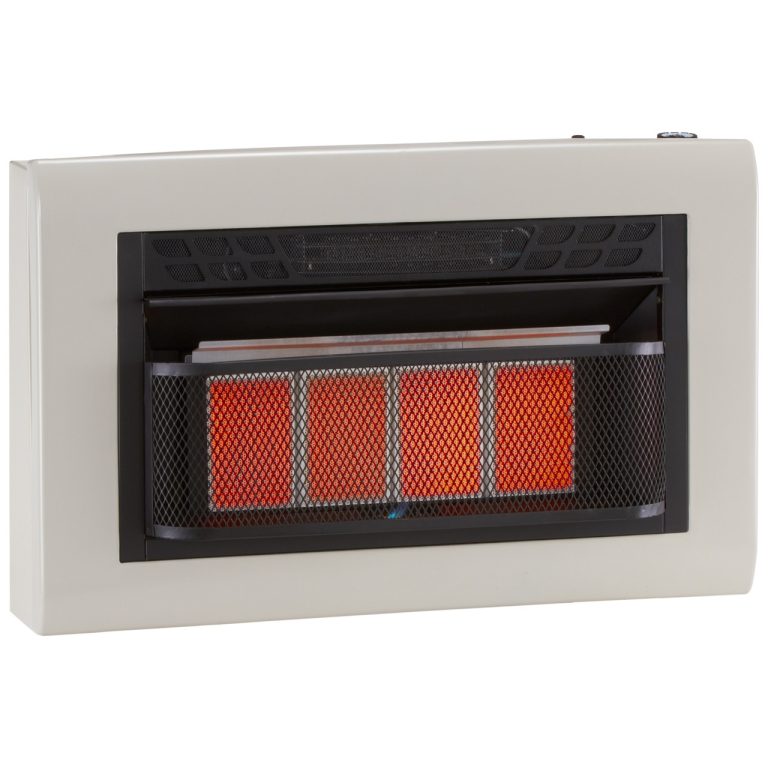
Vented Gas Heaters (e.g., Wall Furnaces, Gas Fireplaces with Flues)
Vented gas heaters draw combustion air from outside or inside and exhaust all combustion byproducts directly outside through a flue or chimney. This design makes them significantly safer than unvented models as long as the venting system is intact and functioning correctly.
- Reduced CO Risk: If properly installed and maintained, the risk of CO poisoning is significantly lower because CO is exhausted outside.
- Fire Hazards: They still present fire risks if combustibles are too close or if the unit malfunctions.
- Surface Burns: Many units still have hot surfaces that pose a burn risk.
Verdict: Safer than unvented, but still require vigilant maintenance, CO detectors, and childproofing to be considered for areas where babies might be present.
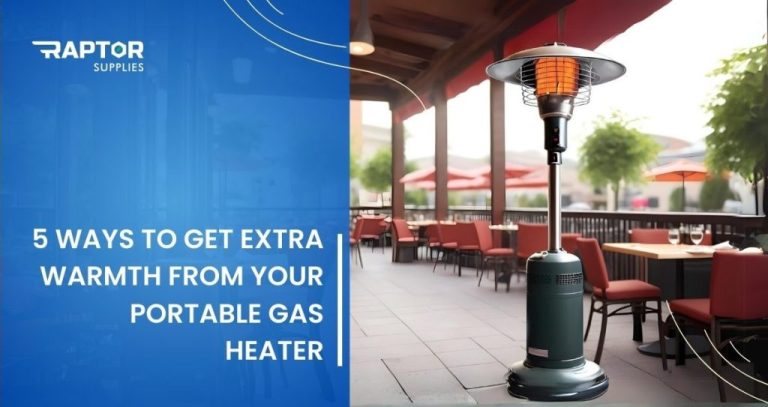
Portable Gas Heaters
These are typically unvented propane or natural gas heaters designed for temporary use, often in outdoor or very well-ventilated spaces. Some claim to be safe for indoor use, but this claim should be treated with extreme caution, especially around infants.
- Elevated CO Risk: They are unvented and pose the same CO and pollutant release risks as other unvented heaters.
- Tipping Hazard: Being portable, they are prone to being knocked over, increasing fire and burn risks.
- Limited Safety Features: While some have tip-over switches, they might not prevent all fire hazards.
Verdict: Never use a portable gas heater in an enclosed space, particularly a baby’s nursery. They are not designed for continuous indoor use in sensitive environments.
Here’s a quick overview of gas heater types and their associated risks for a baby’s environment:
| Gas Heater Type | Primary Risks for Babies | Recommendation for Baby’s Room |
|---|---|---|
| Unvented/Vent-Free | High CO poisoning, air pollution, moisture build-up, fire/burns. | NEVER USE |
| Vented (e.g., Wall Furnace, Gas Fireplace) | CO if vent leaks, fire/burns from hot surfaces, requires professional maintenance. | NOT RECOMMENDED (unless central heating and extremely well-maintained and childproofed, which is still sub-optimal) |
| Portable Gas | High CO poisoning, tipping hazard, fire/burns, air pollution. | NEVER USE |
Safer Alternatives for a Cozy Nursery
Given the significant risks, it’s clear that gas heaters are not the best choice for heating a baby’s room. Fortunately, there are many safer and effective alternatives that can keep your little one warm and comfortable without compromise.
Central Heating Systems
The safest and most recommended option for heating your entire home, including a baby’s room, is a properly maintained central heating system (furnace, boiler, heat pump). Because the combustion happens in a sealed unit and exhaust gases are vented outside, central heating effectively separates the baby from direct combustion byproducts and hot surfaces.
- Even Heat Distribution: Provides consistent, gentle warmth throughout the house.
- No Direct Contact: All hot surfaces and flames are contained away from living spaces.
- Filter Systems: Can incorporate air filters to improve overall indoor air quality.
Pro Tip: Ensure your central heating system is professionally serviced annually, and replace air filters regularly for optimal performance and air quality.
Electric Heaters with Safety Features
If central heating isn’t available or you need supplemental heat for a nursery, certain types of electric heaters are much safer than gas options. Look for models with advanced safety features.
Oil-Filled Radiators: These heaters warm oil inside their sealed fins, which then radiates heat into the room. They don’t have exposed heating elements that glow red-hot, and their surface temperatures are generally lower than other electric heaters, reducing burn risks.
Pros: Silent, provide gentle, consistent heat, generally safer surface temperatures, no open flames or fumes.
Cons: Can take a while to heat up, may be heavier.
Ceramic Heaters (with Safety Features): Modern ceramic heaters can be a good option if chosen carefully. Look for models with:
Tip-Over Protection: Automatically shuts off if knocked over.
Overheat Protection: Shuts off if the internal temperature gets too high.
Cool-Touch Exterior: Design that keeps the outer casing cooler to the touch.
Pros: Quick heating, often have oscillation for better heat distribution.
Cons: Can be noisier with a fan, some surfaces can still get hot.
Baseboard Heaters: Permanently installed electric baseboard heaters offer even, quiet heat. They can get hot, so proper placement and ensuring no furniture or items are directly in front of them is crucial.
Crucial Electric Heater Safety Tips:
- Always plug heaters directly into a wall outlet, never into an extension cord or power strip, as this can cause overheating and fire.
- Maintain the three-foot rule around any electric heater.
- Ensure they have modern safety features like tip-over and overheat protection.
- Supervise their use and unplug them when not in the room or when sleeping.
Non-Heater Methods for Warmth
Sometimes, you don’t even need an extra heater! Simple steps can significantly improve a baby’s comfort and warmth:
- Layering Clothes: Dress your baby in layers of natural, breathable fabrics. A good rule of thumb is one extra layer than what an adult would wear comfortably.
- Sleep Sacks/Swaddles: Use age-appropriate sleep sacks or swaddles instead of loose blankets, which can be a suffocation hazard. Choose a TOG (Thermal Overall Grade) rating suitable for your room temperature.
- Room Temperature Monitoring: Use a simple room thermometer to keep the nursery temperature between 68-72°F (20-22°C), which is generally considered ideal for babies.
- Draft-Proofing: Seal gaps around windows and doors to prevent cold drafts and keep warm air in. Use weatherstripping or door sweeps.
- Window Coverings: Thick curtains or blinds can provide an extra layer of insulation at night.
Here’s a comparison table of heating options, focusing on their safety for babies:
| Heating Option | Key Safety Features for Babies | Potential Drawbacks | Overall Safety Rating (for babies) |
|---|---|---|---|
| Central Heating (Gas/Electric) | Combustion/heat source is external, even heat, no direct contact with hot surfaces. | Requires professional installation/maintenance, initial cost. | Excellent |
| Electric Oil-Filled Radiator | No open flame/fumes, generally lower surface temp, silent operation. | Slow to heat, can still be warm to touch, takes up floor space. | Very Good |
| Electric Ceramic Heater | Quick heat, often cool-touch exterior, tip-over/overheat protection. | Fan noise, some models can still have warm grilles, direct plug-in vital. | Good |
| Electric Baseboard Heater | Permanent installation, no fumes, even heat. | Hot surfaces, requires clear space around it, high electricity consumption. | Good |
| Vented Gas Heater (e.g., Gas Fireplace) | Combustion products vented outside (if maintained), heat output. | Hot surfaces, CO risk if vent fails, requires maintenance, childproofing needed. | Fair (requires extreme caution) |
| Unvented/Portable Gas Heater | (None relevant to baby safety) | High CO risk, fire/burns, air pollution, tipping hazard. | Extremely Poor (AVOID) |
Essential Safety Steps for Any Heating System
Even with the safest heating choices, proactive steps are essential to maintain a warm and secure home for your baby. Think of these as your year-round home heating safety checklist.
1. Professional Installation and Regular Maintenance
This is perhaps the most critical step for any fuel-burning appliance. A qualified HVAC technician should:
- Install Safely: Ensure any new heater is installed according to manufacturer specifications and local building codes.
- Annual Tune-Ups: Have your central furnace, boiler, or any vented gas heater inspected and serviced annually. This check ensures everything is functioning efficiently and, more importantly, safely. They will look for cracks in heat exchangers, vent blockages, and gas leaks, all of which can prevent CO poisoning.
- Chimney Sweeps: If you have a fireplace or wood-burning stove, ensure the chimney is cleaned and inspected annually.
2. Install and Test Carbon Monoxide Detectors
As mentioned before, CO detectors are non-negotiable. They are your first line of defense against the silent killer.
- Strategic Placement: Install CO detectors on every level of your home, including basements, and particularly outside sleeping areas (like the nursery hallway).
- Test Regularly: Test your CO detectors monthly by pressing the test button. Replace batteries annually (unless they are sealed 10-year units).
- Know the Lifespan: CO detectors typically last 5-7 years. Check the manufacture date on the back of your unit and replace it when expired.
3. Ensure Adequate Ventilation
Even with safer electric heaters, good ventilation is important for overall indoor air quality.
- Circulation: Keep doors open between rooms to allow for air circulation, preventing stagnant air.
- Ventilation Fans: Use bathroom and kitchen exhaust fans to remove moisture and pollutants.
- Fresh Air: Occasionally crack a window briefly during the day to bring in fresh air, even in winter, but ensure the baby is not in the path of cold drafts.
4. Childproof Your Heating Areas
Babies and toddlers are incredibly curious. Childproofing is essential to prevent accidents.
- Safety Gates: Use sturdy safety gates around fireplaces, wood stoves, or even free-standing electric heaters to create a barrier. Ensure the gate is securely mounted and tall enough.
- Cord Management: For electric heaters, ensure cords are neatly tucked away and out of reach to prevent tripping hazards or electrocution risks from chewing. Never run cords under rugs or furniture, which can cause overheating.
- Clear Zones: Always maintain the three-foot clear zone around any heating appliance, ensuring no toys, blankets, or furniture can accidentally make their way into the danger zone.
5. Monitor Temperature, Not Just the Heater
Instead of relying solely on the heater’s thermostat, monitor the actual temperature in the baby’s room.
- Room Thermometer: A simple, inexpensive room thermometer can help you maintain the ideal temperature range of 68-72°F (20-22°C).
- Dress Appropriately: Remember to dress your baby in layers that can be easily added or removed.
Creating a Baby-Safe Heating Plan: A Step-by-Step Guide
Let’s put all this knowledge into action with a clear, actionable plan to ensure your baby’s nursery is perfectly warm and safe.
Assess Your Current Heating Situation: First, identify your home’s primary heating method. Do you have central heating? Do you rely on individual room heaters? What type are they? If you have gas heaters, determine if they are vented or unvented.
Prioritize Central Heating: If you have a central heating system, make sure it’s professionally inspected and serviced annually. This is your safest and most efficient heating choice.
Eliminate Unsafe Heaters: Remove any unvented or portable gas heaters from your home, especially from areas where babies will be present. They pose too great a risk.
Choose Safer Supplemental Options: If central heating isn’t enough, invest in electric oil-filled radiators or ceramic heaters with robust safety features (tip-over, overheat protection, cool-touch exterior).
Install and Test Carbon Monoxide Detectors: Install at least one CO detector in the hallway outside the nursery and on every level of your home. Test them monthly and replace batteries/units as needed.
Implement the Three-Foot Rule and Childproofing: Ensure a three-foot clear zone around all heaters. Use safety gates, secure cords, and place heaters on stable surfaces.
Monitor Nursery Temperature: Place a room thermometer in the nursery to maintain a comfortable and safe temperature range (68-72°F or 20-22°C).
Dress Your Baby Appropriately: Use sleep sacks and layers of clothing to adjust your baby’s warmth without overheating the room.
Ensure Proper Ventilation: While keeping warm, ensure your home isn’t sealed airtight. Briefly open windows for fresh air periodically, or use exhaust fans.
Educate Others: Make sure anyone caring for your baby (grandparents, babysitters) understands your home’s heating safety rules and the proper use of any heating equipment.

Frequently Asked Questions About Gas Heater Safety and Babies
Q1: Is it ever okay to use a portable gas heater in a room with a baby, even for a short time?
No, it is never recommended to use a portable gas heater in a room with a baby, even for short periods. Portable gas heaters are typically unvented and release carbon monoxide and other pollutants directly into the air, posing significant health and fire risks to infants.
Q2: What are the main signs of carbon monoxide poisoning in a baby?
Symptoms of CO poisoning in babies can be subtle and easily mistaken for other illnesses. Look for irritability, lethargy, poor feeding, vomiting, difficulty breathing, or unusual sleepiness. If you suspect CO poisoning, immediately move your baby to fresh air and call emergency services.
Q3: How far away should a baby’s crib be from any heater?
Whether it’s a gas heater or an electric one, you should maintain a minimum distance of three feet (about one meter) between a baby’s crib and any heating appliance. This “three-foot rule” helps prevent both direct contact burns and fire hazards from combustible materials near the heater.
Q4: Can a gas fireplace be used safely with a baby in the room?
A gas fireplace, if it’s vented and professionally maintained, is safer than an unvented gas heater. However, it still presents risks like hot glass surfaces, the potential for CO leaks if the vent fails, and open flames. It’s generally best to avoid using it in a room where a baby is unsupervised or to install a sturdy, childproof safety gate around it if it’s the primary heat source. A carbon monoxide detector is essential.
Q5: What’s the ideal temperature for a baby’s room?
Experts generally recommend keeping a baby’s room temperature between 68-72°F (20-22°C). This range helps prevent overheating, which is a risk factor for SIDS (Sudden Infant Death Syndrome), while also keeping your baby comfortably warm.
Q6: Are humidifiers helpful if a heater dries out the air too much?
Yes, if your heating system significantly dries out the air, a humidifier can be beneficial. It helps add moisture back into the air, which can alleviate dry skin, chapped lips, and respiratory discomfort for your baby. Just ensure to clean the humidifier regularly to prevent mold and bacteria growth.
Q7: Can I just open a window to ventilate if I use a gas heater?
Relying solely on opening a window is not an adequate or safe solution for ventilating an unvented gas heater, especially not in a baby’s room. It’s difficult to maintain consistent ventilation, and the risk of carbon monoxide buildup remains significant. Furthermore, opening a window defeats the purpose of heating and exposes your baby to cold drafts.
Conclusion: Warmth and Safety Go Hand-in-Hand for Your Little One
As Tanim, your trusted home heating guide, my goal is always to empower you with clear, practical advice to keep your home warm and, most importantly, safe. When it comes to babies, safety is absolutely paramount, and the proven dangers of gas heaters, particularly unvented types, are simply too great a risk to take in a nursery or any area where your little one spends time. From the silent threat of carbon monoxide to the very real dangers of fire and poor air quality, gas heaters demand extreme caution.
Thankfully, creating a cozy and secure environment for your baby is completely achievable with safer alternatives like central heating or electric options with modern safety features. By following simple steps—installing CO detectors, performing regular maintenance, childproofing, and monitoring room temperatures—you can confidently maintain a warm home without compromise. Your peace of mind, knowing your baby is breathing easy and sleeping soundly in a safe space, is the best reward. Stay warm, stay safe!