Are Plug In Wall Heaters Cheap To Run? Genius Savings!
Plug-in wall heaters can be cheap to run if used wisely, but their cost depends on wattage, electricity rates, and how you use them. Genius savings come from choosing the right heater, strategic placement, smart controls, and improving your home’s insulation to heat specific areas efficiently, preventing wasted energy and high bills.
When the chill sets in, many of us reach for a quick solution to warm up our spaces. Plug-in wall heaters seem like a perfect fit – they’re portable, easy to use, and don’t require any fancy installation. But a common worry often pops up: “Are these convenient little heaters secretly guzzling electricity and racking up huge bills?” It’s a frustrating question, especially when you just want to feel cozy without breaking the bank. Don’t worry, you’re in the right place! As Tanim, your trusted home heating guide, I’m here to simplify everything and show you how to use these heaters smart, safe, and surprisingly affordably. Let’s unlock some genius savings together!
Understanding Plug-In Wall Heaters: Your Portable Warmth Companion
Plug-in wall heaters, often called portable electric heaters, are incredibly popular because they offer a quick and easy way to add warmth to a room. You just plug them into a standard electrical outlet, and off they go! But there’s a bit more to know about these handy devices.
What Are They and How Do They Work?
These heaters come in various types, but they all share the goal of converting electricity into heat. Here are the most common kinds:
- Convection Heaters: These warm the air in a room. They draw in cool air, heat it over an element, and then release the warmed air, which rises and circulates. They’re great for heating an entire small to medium-sized room evenly.
- Radiant Heaters: Unlike convection heaters, radiant heaters warm objects and people directly, much like the sun. They use infrared technology to emit heat that you can feel immediately, making them perfect for personal warmth in a specific spot rather than heating a whole room.
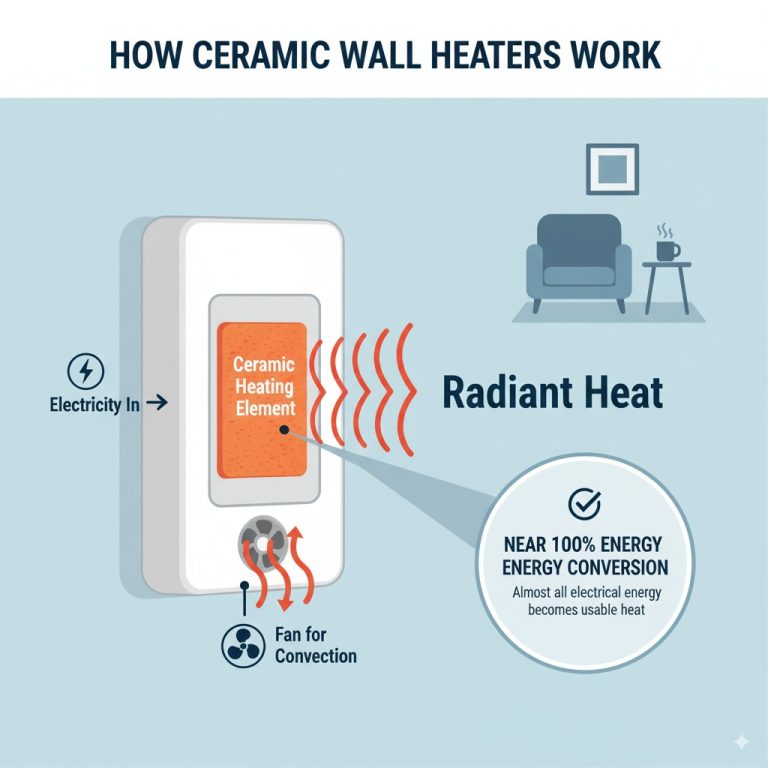
- Ceramic Heaters: A type of convection heater, ceramic heaters use ceramic plates to heat the air. They’re often compact, efficient, and include safety features like tip-over protection.
- Oil-Filled Radiators: These look like traditional radiators but are portable. They contain oil that heats up and then radiates warmth into the room slowly and consistently, often remaining warm even after being turned off.
No matter the type, the basic principle is simple: electricity flows through a heating element, creating resistance that generates heat. A fan might then push this heat out, or the heat simply radiates into the space.
The Benefits and Drawbacks of Plug-In Heaters
Before we dive into the costs, let’s quickly look at why these heaters are loved and where they might fall short. Knowing this helps you decide if they’re the right fit for your home.
| Benefits (Pros) | Drawbacks (Cons) |
|---|---|
| Portability: Easy to move from room to room. | Operating Cost: Can be expensive if used improperly or for large spaces. |
| Instant Heat: Warmth starts almost immediately. | Limited Coverage: Best for smaller, zoned areas, not whole homes. |
| No Installation: Just plug it in and go. | Safety Concerns: Potential fire hazard if not used correctly (overheating, improper placement). |
| Supplemental Heating: Great for boosting warmth in specific cold spots. | Electrical Load: Can trip circuit breakers if too many high-wattage devices are on one circuit. |
| Zoned Heating: Only heat the room you’re in, saving energy elsewhere. | Noise: Some models with fans can be noisy. |

Are They Cheap to Run? Unpacking the Real Costs
This is the big question, right? The straightforward answer is: it depends. Plug-in wall heaters can indeed be very affordable to run if used smartly and strategically. However, they can also become quite expensive if used carelessly or as a primary heat source for large areas. Let’s break down the key factors that influence their running costs.
1. Heater Wattage: The Power Player
The wattage of your heater is the most important factor. It tells you how much electricity the heater uses. A higher wattage means more heat, but also higher electricity consumption.
- Most plug-in heaters range from 750 watts (W) to 1500W.
- A 1500W heater uses twice as much electricity as a 750W heater in the same amount of time.
Think of it like a car’s engine size – a bigger engine (higher wattage) delivers more power (heat) but also burns more fuel (electricity).
2. Electricity Rates: What Your Utility Company Charges
Your local electricity rate, usually measured in cents per kilowatt-hour (kWh), is crucial. This rate varies widely depending on where you live, your utility provider, and even the time of day you use electricity (if you have “time-of-use” billing).
- Typical rates in the U.S. can range from 10 cents to over 30 cents per kWh.
- To find your exact rate, check your electricity bill or contact your utility company.
3. Usage Duration: How Long You Run It
This one’s simple: the longer you run the heater, the more electricity it uses, and the more it costs. A heater running all day will naturally cost more than one you use for just an hour or two in the evening.
4. Room Size and Insulation: Working with Your Space
A small, well-insulated room will heat up faster and stay warm longer with less energy than a large, drafty room. If your heater is struggling to warm a big, poorly insulated space, it will run continuously, driving up costs significantly.
5. Thermostat Settings: Your Comfort Sweet Spot
Many plug-in heaters have built-in thermostats. Setting it to a reasonable temperature (e.g., 68-70°F) allows the heater to cycle on and off, saving energy. If you set it to the maximum or to “continuous on,” it will run non-stop, costing you more.
Calculating Running Costs: A Practical Example
Let’s get down to some numbers so you can estimate what your heater might cost you. It’s easier than you think!
The Simple Formula
Here’s how to calculate the cost to run your plug-in heater:
Cost per Hour = (Heater Wattage / 1000) x Electricity Rate per kWh
Let’s use a common example:
- Heater Wattage: 1500 Watts (1.5 kW)
- Average Electricity Rate: 15 cents per kWh ($0.15/kWh)
Cost per Hour = (1500 W / 1000) x $0.15/kWh
Cost per Hour = 1.5 kWh x $0.15/kWh
Cost per Hour = $0.225 (about 23 cents)
So, a 1500-watt heater running continuously would cost about 23 cents per hour. If you run it for 8 hours a day, that’s $1.84 per day, or about $55 per month if used daily.
Estimated Cost Table for Common Wattages
Here’s a handy table to give you a quick estimate based on different wattages and electricity rates:
| Heater Wattage (W) | Power Consumption (kW) | Cost per Hour (at $0.10/kWh) | Cost per Hour (at $0.15/kWh) | Cost per Hour (at $0.20/kWh) |
|---|---|---|---|---|
| 750 W | 0.75 kW | $0.075 | $0.113 | $0.15 |
| 1000 W | 1.00 kW | $0.10 | $0.15 | $0.20 |
| 1200 W | 1.20 kW | $0.12 | $0.18 | $0.24 |
| 1500 W | 1.50 kW | $0.15 | $0.225 | $0.30 |
Note: These costs assume continuous operation. Many heaters cycle on and off, reducing actual usage and cost.
Genius Savings: Making Plug-In Heaters More Affordable
Now for the good stuff! Knowing the factors that drive costs means we can actively work to reduce them. Here are my top “genius savings” strategies to make your plug-in heater incredibly cost-effective.
1. Strategic Placement: Heat the Person, Not the Room
Where you put your heater makes a huge difference, especially with radiant models. These are fantastic for “spot heating.”
- Near You: Place a radiant heater a few feet from where you’re sitting or working. You’ll feel warm quickly, and you won’t need to heat the entire room to the same degree.
- Away from Obstacles: Ensure the heater has clear space around it – no furniture, drapes, or walls blocking the heat flow. This isn’t just for efficiency; it’s a critical safety measure.
- Near Cold Spots: If a specific area like a drafty window makes a corner feel chilly, a small heater can tackle that cold spot directly.
Remember, the goal isn’t to blast heat everywhere; it’s to provide comfort where and when you need it most.
2. Smart Controls: Thermostats and Timers Are Your Friends
Many modern plug-in heaters come with built-in thermostats and timers, and if yours doesn’t, you can buy external smart plugs with these features.
- Thermostats: Set the heater’s thermostat to your desired comfort level. Once the room reaches that temperature, the heater will automatically turn off, saving energy. It will only kick back on when the temperature drops.
- Timers: Use timers to program your heater to run only during specific hours – perhaps an hour before you wake up, during your evening relaxation, or just before bedtime. This prevents it from running unnecessarily when you’re not home or are asleep and already under blankets.
- Smart Plugs: These inexpensive devices turn any basic plug-in heater into a smart one, allowing you to control it from your phone, set schedules, and even integrate it with voice assistants.
3. Insulation & Draft Proofing: Your Home’s Best Defense
The best way to make any heater more efficient is to ensure the heat you generate stays where it belongs: inside your home! This is where insulation and draft proofing come in.
- Seal Those Leaks: Check around windows and doors for drafts. Use weatherstripping and caulk to seal gaps. A simple draft stopper under a door can make a big difference.
- Insulate Windows: Consider heavy curtains or thermal drapes. For extra savings, apply temporary window insulation film kits during the coldest months.
- Check Attic and Walls: If you’re serious about long-term savings, ensure your attic and walls have adequate insulation. While this might be a bigger project, it drastically reduces heat loss. The U.S. Department of Energy’s Energy Saver website is an excellent resource for learning about home insulation and sealing tips.
By preventing heat from escaping, your plug-in heater won’t have to work as hard, which means less running time and lower bills.
4. Zoning Your Heat: The “Only Heat Where You Are” Rule
This is where plug-in heaters truly shine in terms of savings. Instead of cranking up your central heating for the whole house when you’re only using one room, you can “zone” your heating.
- Turn down your central thermostat (e.g., to 60-65°F).
- Use your plug-in heater to bring the specific room you’re occupying (living room, home office, bedroom) to a comfortable temperature (e.g., 68-70°F).
This method prevents you from paying to heat empty rooms. It’s incredibly efficient for singles, couples, or small families who tend to congregate in one or two areas.
5. Maintenance Tips: Keep Your Heater Happy and Efficient
A well-maintained heater runs better and safer. Dust and debris can build up, reducing efficiency and posing fire risks.
- Clean Regularly: Unplug the heater and use a soft cloth, brush, or vacuum attachment to gently clean dust from the grilles and air intakes. Do this at least once a month during heavy use.
- Check Cords: Inspect the power cord for any fraying, cracks, or damage. A damaged cord is a serious fire hazard and should be replaced immediately or the heater retired.
6. Choosing the Right Heater: Match Power to Your Needs
Not all heaters are created equal, and not all rooms have the same heating needs. Selecting the right wattage for your space is crucial for efficiency.
- As a general rule, you need about 10 watts of heating power per square foot for a well-insulated room.
- If your room is poorly insulated or has high ceilings, you might need a bit more.
| Room Size (Square Feet) | Approximate Wattage Needed | Recommended Heater Type |
|---|---|---|
| Small Bedroom (100 sq ft) | 1000 W | Ceramic, Small Convection, Radiant |
| Medium Bedroom/Office (150 sq ft) | 1500 W | Convection, Oil-Filled Radiator, Radiant |
| Larger Living Area (200 sq ft) | 1500 W (or two smaller units) | Larger Convection, Oil-Filled Radiator |
| Personal Spot Heating | 750-1000 W | Radiant Heater |
Using a 750W heater in a large, drafty living room will mean it runs non-stop, never quite reaching comfort, and still consuming energy. A 1500W heater in a tiny, well-sealed bathroom will blast heat, then cycle off quickly, using less energy overall for effective heating. The key is balance.
Comparing Plug-In Heaters to Other Heating Options
It’s helpful to understand where plug-in heaters fit in the broader heating landscape. They’re not always the cheapest, but they have their specific advantages.
- Central Heating: For heating an entire house, central heating (furnace, heat pump) is generally more efficient and cost-effective than using multiple plug-in electric heaters simultaneously throughout the home.
- Plug-in’s Niche: Plug-in heaters excel as supplemental heat. They’re perfect for boosting the temperature in a single room, an infrequently used guest room, a drafty basement office, or for temporary warmth.
So, use your central system for general warmth, and let the plug-in heater provide that extra, targeted comfort exactly where you need it, when you need it.
Safety First: Essential Tips for Plug-In Heaters
While we’re talking about savings, safety is always my number one priority. Using plug-in heaters incorrectly can be dangerous.
- Plug Directly into Wall: Never use an extension cord or power strip with a plug-in heater. They can overheat and cause fires. The heater’s cord should plug directly into a wall outlet.
- Clearance Matters: Keep heaters at least three feet (about a meter) away from anything flammable, including drapes, furniture, bedding, and clothes.
- Level, Stable Surface: Always place your heater on a flat, stable, non-flammable surface where it won’t be easily knocked over.
- Supervision: Never leave a heater running unattended, especially when leaving the house or going to sleep.
- Inspect Regularly: Check for damaged cords or overheating signs (a burning smell, discolored plug or outlet). If you notice anything unusual, unplug it immediately and discontinue use.
- Avoid Wet Areas: Do not use electric heaters near water sources like sinks or showers to prevent electric shock.
For more detailed safety information and guidelines, consult reputable sources like the National Fire Protection Association (NFPA).

Frequently Asked Questions About Plug-In Wall Heaters
Q1: Are plug-in wall heaters more expensive to run than central heating?
Generally, for heating an entire home, central heating is more efficient. However, for heating only one room or a specific small area, a plug-in heater used strategically can be cheaper than turning up your central heating for the whole house.
Q2: Can I leave a plug-in heater on all night?
It is generally not recommended to leave plug-in heaters on unattended, especially overnight while you sleep. While many modern heaters have safety features like tip-over switches and automatic shut-off, it’s safest to turn them off when you’re not in the room or going to bed.
Q3: What wattage is best for a small room?
For a typical small room (e.g., 10×10 feet or 100 sq ft), a heater in the range of 750 to 1000 watts is usually sufficient. Always match the wattage to your room size and insulation for the best efficiency.
Q4: How can I tell if my plug-in heater is using too much electricity?
If your electricity bill suddenly spikes after you start using a plug-in heater, it might be running excessively or be too high-wattage for your needs. Check your usage duration, thermostat settings, and ensure your home is well-sealed to prevent heat loss.
Q5: Is it safe to plug a heater into an extension cord?
No, you should never plug a heater into an extension cord or power strip. Heaters draw a lot of power, and extension cords can overheat, melt, and cause a fire. Always plug your heater directly into a wall outlet.
Q6: Do older plug-in heaters use more electricity than new ones?
Not necessarily. The efficiency of converting electricity to heat hasn’t changed much over time (it’s nearly 100% efficient for all electric resistance heaters). However, newer heaters often have better thermostats, timers, and safety features that can help you use them more effectively and safely, leading to overall savings.
Q7: What’s the difference between radiant and convection heaters for cost?
Both types are 100% efficient at converting electricity to heat. The cost difference comes from how they’re used. Radiant heaters are great for warming you directly, making them cost-effective for personal heating in a specific spot. Convection heaters warm the air in a room, so they might run longer to heat the entire space, but if used in a small, well-insulated room, they can be efficient too.
Conclusion: Smart Choices, Cozy Savings
So, are plug-in wall heaters cheap to run? Absolutely, when you approach them with smart strategies! They are fantastic tools for achieving cozy comfort and saving money, especially when used for supplemental or targeted heating. By understanding how wattage, electricity rates, and your usage habits affect costs, you can make informed decisions. Remember Tanim’s genius savings tips: choose the right wattage for your room, position your heater strategically, take advantage of thermostats and timers, and always prioritize home insulation and draft proofing.
And most importantly, always put safety first. With these practical steps, you can confidently keep your home warm and snug this season without any nasty surprises on your electricity bill. Enjoy your comfortable, energy-efficient home!