
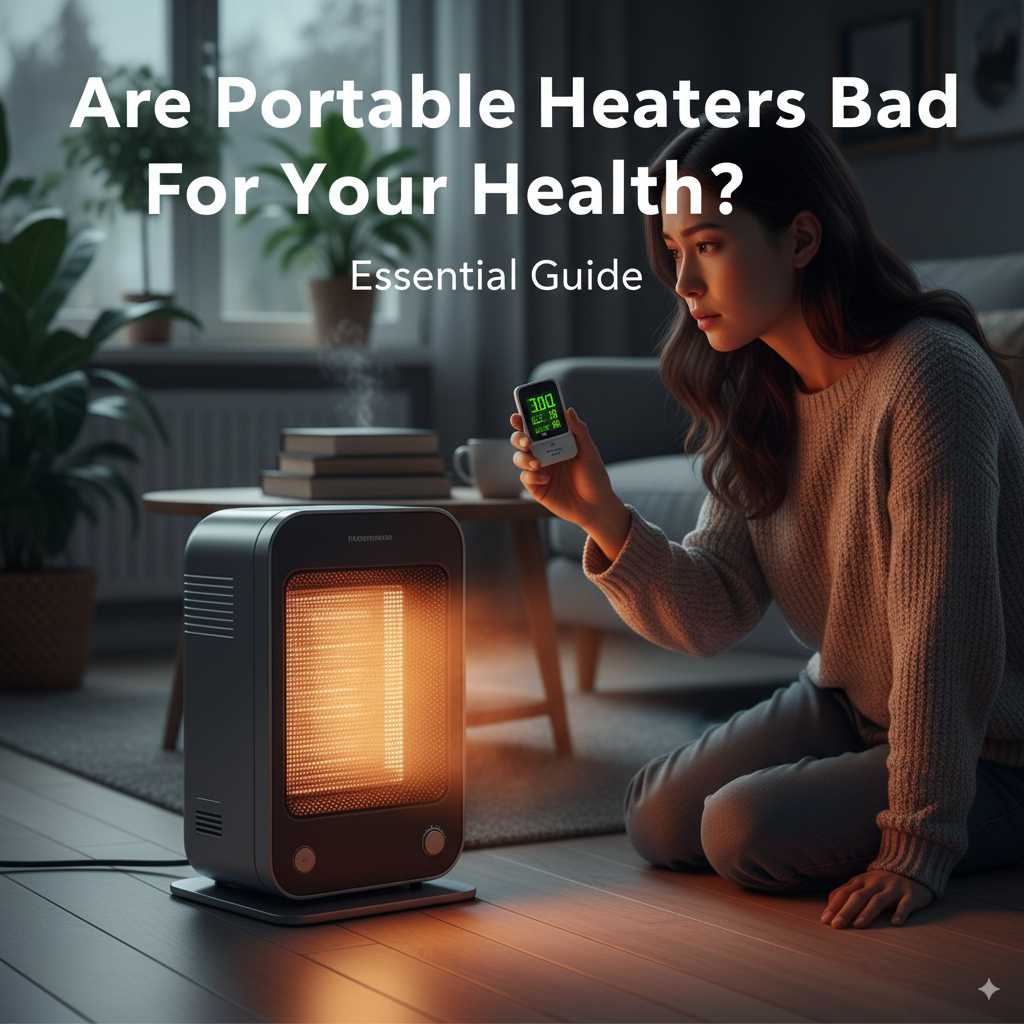
Yes, portable heaters can pose health risks if not used correctly, but they are generally safe when you follow essential precautions. Understanding potential hazards like air quality, fire risk, and burns is key to using them safely. This guide will help you make informed choices and enjoy a cozy, healthy space.
Feeling a chill in your home? You’re not alone! Many of us reach for a portable heater to quickly warm up a chilly room. They’re convenient, relatively affordable, and can be a lifesaver on a cold day. But if you’ve ever wondered, “Are portable heaters bad for your health?” you’re asking a very important question. It’s natural to want to keep your home warm and comfortable, but not at the expense of your well-being. This guide is here to demystify those concerns, looking at the potential health effects and, more importantly, how to use these handy devices safely and confidently. We’ll walk through everything you need to know, from understanding different types of heaters to simple, everyday tips that make a big difference. Let’s make sure your cozy space is also a healthy space!
Understanding Portable Heaters and Your Health
Portable heaters are wonderfully practical for targeting heat where you need it most. Whether it’s a drafty living room, a chilly basement, or an office where the thermostat just can’t seem to get it right, these heaters offer immediate comfort. However, like any home appliance that generates heat, they come with a few considerations regarding your health and safety. It’s not about avoiding them, but about knowing how they work and what to watch out for. Think of it like driving a car – it’s a fantastic way to get around, but you need to understand the rules of the road and safety features to stay safe.
The main concerns with portable heaters often revolve around air quality, the risk of burns, and, in some cases, fire hazards. The type of heater you choose can influence these risks, and how you use it plays a huge role. We’ll break down each of these areas so you can feel completely at ease using your portable heater.
Potential Health Concerns Explained
Let’s dive into the specifics of what can affect your health when using portable heaters. It’s good to be informed so you can be prepared and take the right steps to ensure a healthy environment.
1. Air Quality and Respiratory Issues
Some types of portable heaters can impact the air quality in your home. This is often the biggest concern for people asking “are portable heaters bad for your health.”
- Combustion Heaters (e.g., Kerosene, Propane): These heaters burn fuel to produce heat. This process releases byproducts into the air, such as carbon monoxide (CO), nitrogen dioxide (NO2), and particulate matter.
- Carbon Monoxide (CO): This is a colorless, odorless gas that is highly dangerous. If not properly vented, CO can build up to toxic levels, causing headaches, dizziness, nausea, and in severe cases, can be fatal. It’s crucial that any combustion heater is used only in well-ventilated areas, and ideally, never indoors unless specifically designed and certified for indoor use with proper ventilation systems. The Environmental Protection Agency (EPA) provides detailed information on key indoor air pollutants and their sources.
- Nitrogen Dioxide (NO2): This gas can irritate the lungs and worsen respiratory conditions like asthma.
- Particulate Matter: Tiny particles in the air can also be released, which can affect breathing.
- Electric Heaters and Humidity: While electric heaters generally don’t produce combustion byproducts, some types can affect humidity levels.
- Ceramic or Infrared Heaters: These are generally considered safer for indoor air quality because they don’t burn anything. However, if they operate in a very dry environment, they can contribute to lowering humidity. Very dry air can lead to dry skin, irritated nasal passages, and a dry throat, making you more susceptible to colds and other respiratory infections.
- Convection Heaters: These circulate air, which can help distribute heat more evenly. They don’t typically dry out the air significantly.
2. Fire Hazards
The risk of fire is a serious consideration with any heating device. Portable heaters, especially older or poorly maintained ones, can pose a fire risk if not used with extreme caution.
- Proximity to Flammables: Most fires involving portable heaters happen when they are placed too close to combustible materials like curtains, furniture, bedding, or paper.
- Electrical Issues: Faulty wiring or overuse of extension cords can lead to overheating and fire.
- Tip-Over Switches: Many modern portable heaters have safety features like tip-over switches that automatically shut off the unit if it’s knocked over. While a great safety feature, it doesn’t eliminate the risk entirely.
3. Burns and Skin Irritation
Portable heaters get hot during operation. Direct contact with the heating element or even the hot exterior can cause burns.
- Surface Temperature: Some heaters, particularly radiant or ceramic models, can have very hot surfaces. This is a significant concern in homes with young children or pets who might not understand the danger.
- Dryness: As mentioned before, prolonged exposure to heated air, especially in dry conditions, can lead to skin dryness and irritation.
Choosing the Right Portable Heater for Health and Safety
Not all portable heaters are created equal when it comes to health and safety. Understanding the different types can help you make the best choice for your home.
Types of Portable Heaters and Their Health Implications
Here’s a quick look at the most common types of portable heaters you’ll find, and what to consider:
| Heater Type | How it Works | Health & Safety Considerations | Best For |
|---|---|---|---|
| Electric Ceramic Heaters | Uses electricity to heat a ceramic plate, which then warms the air. Often has a fan to circulate warm air. | Generally safe for air quality. Surfaces can get hot. Look for models with good safety certifications. | Heating small to medium rooms quickly. Good for living areas and bedrooms. |
| Electric Infrared/Radiant Heaters | Uses electricity to create infrared heat waves that warm objects and people directly. | Safe for air quality. Direct heat can be intense. Surfaces can get very hot. | Targeted personal warmth or heating specific zones. Good for offices or living rooms where you’re stationary. |
| Electric Oil-Filled Radiators | Uses electricity to heat oil sealed inside the unit. The oil then radiates heat, warming the room gently. | Safe for air quality. Surface temperature is generally lower and more consistent, making them safer for homes with children or pets. Silent operation. | Providing steady, gentle heat for extended periods. Good for bedrooms and all-day use in living spaces. |
| Electric Convection Heaters | Heats air, which rises and circulates naturally to warm the room. | Safe for air quality. Slower to heat up a room. Surfaces are typically less hot than ceramic heaters. | Maintaining consistent temperature in medium to large rooms. Good for living areas. |
| Propane/Kerosene Heaters (Vented & Unvented) | Burns liquid fuel (propane or kerosene) to generate heat. Unvented models release combustion byproducts directly into the room. Vented models require an external exhaust. | Significant CO and air quality risk with unvented models. Only use in extremely well-ventilated areas or outdoors. Vented models are safer but require installation. The Consumer Product Safety Commission (CPSC alert on heating safety strongly advises against unvented combustion heaters indoors. | Emergency heating (unvented is risky and not recommended for regular use), workshops, outdoor patios (ensure model is rated for that use). |
For most homes, electric portable heaters are the safest and most convenient choice for regular use from a health perspective. They do not produce combustion byproducts like fuel-burning heaters. When asking “are portable heaters bad for your health,” the answer leans towards “not if they are electric and used properly.”
Safety Certifications to Look For
When you’re shopping, always look for safety certifications. These are like a stamp of approval from organizations that test products to ensure they meet rigorous safety standards. For electrical products, look for:
- UL (Underwriters Laboratories)
- ETL (Intertek)
- CSA (Canadian Standards Association)
These labels mean the heater has been independently tested and meets safety requirements, reducing the risk of electric shock, fire, and other hazards.
Safe Usage: Your Step-by-Step Guide
Now that you understand the potential issues and types of heaters, let’s get to the most important part: how to use your portable heater safely and confidently. These steps are designed to be easy to follow and will help you avoid common problems.
Step 1: Placement is Key
This is one of the simplest yet most critical steps to prevent fires and ensure you get the most out of your heater.
- Clearance: Always keep your heater at least 3 feet (about 1 meter) away from anything that can burn. This includes curtains, drapes, furniture, bedding, clothing, books, and paper.
- Level Surface: Place the heater on a hard, flat, level surface. Never place it on soft surfaces like carpets, rugs, or beds, as this can block air intake/outflow or increase the risk of fire if it tips.
- Avoid High-Traffic Areas: Position the heater where it won’t be easily bumped, tripped over, or knocked down.
- Away from Water: Never place a portable heater in a bathroom or any location where it could come into contact with water or dampness. This is an electrical safety hazard.
Step 2: Proper Electrical Connections
Electrical safety is paramount. Portable heaters draw a significant amount of power.
- Dedicated Outlet: Whenever possible, plug your portable heater directly into a wall outlet. This outlet should be on its own circuit.
- Avoid Extension Cords: If you absolutely must use an extension cord, ensure it is heavy-duty and rated for the wattage of your heater. Check the cord regularly for any signs of damage (fraying, cuts, exposed wires). An overheating extension cord is a major fire risk. Consult resources from electrical safety organizations, like those from the National Fire Protection Association (NFPA), which offer extensive safety tips.
- No Daisy-Chaining: Never plug other appliances or other heaters into the same outlet or extension cord as your portable heater. Overloading circuits can cause fires.
Step 3: Use Smartly and Consistently
Being mindful of how you operate the heater makes a big difference.
- Supervise Operation: Never leave a portable heater running unattended, especially when you’re sleeping or leaving the house.
- Turn It Off: Always turn off and unplug the heater when you’re not actively using it, even if you’re just leaving the room for a short while.
- Check for Damage: Before each use, inspect the heater for any damage to the cord, plug, or the unit itself. If you see any issues, do not use it and get it repaired or replaced.
Step 4: Maintain Good Air Quality
Protecting your respiratory health is a key part of answering “are portable heaters bad for your health” with a resounding “no, if you do this.”
- Ventilation is Crucial: Even with electric heaters, it’s good practice to ensure some air circulation. Open a window slightly for a few minutes periodically to refresh the air, especially if you’re using the heater for long periods or in a smaller, well-sealed space. This is especially critical if you accidentally run a fuel-burning heater indoors or in a garage without proper ventilation – never do this without explicit manufacturer instructions and safety protocols.
- Avoid Drying Out: If you notice the air becoming too dry, consider using a humidifier in the room along with your heater. This can help prevent dry skin and irritated airways.
- Clean Your Heater: Dust and debris can accumulate on your heater’s parts, especially if it has a fan. Dust can get blown back into the air, and in some cases, can even present a fire hazard if it accumulates on the heating element. Follow the manufacturer’s instructions for cleaning your specific model.
Step 5: Utilize Safety Features
Modern portable heaters come with built-in safety features designed to protect you.
- Tip-Over Switch: Ensure your heater has one. This automatically cuts power if the unit is knocked over.
- Overheat Protection: Most electric heaters have a thermostat that shuts the unit down if it gets too hot internally.
- Cool-Touch Exterior: Some models are designed with exteriors that stay cooler to the touch, reducing burn risks.
These features are your allies in safe operation. Always check that they are functioning correctly.
When to Reconsider or Avoid Portable Heaters
While portable heaters are generally safe when used correctly, there are situations where you might want to be extra cautious or consider alternative heating solutions.
Specific Situations to Be Aware Of
- Homes with Young Children or Pets: The risk of burns or accidental tipping is higher. Opt for models with cool-touch exteriors and child locks, and always maintain a safe zone around the heater. Oil-filled radiators are often a safer bet here due to their more consistent, lower surface temperatures.
- Very Old or Damaged Heaters: If your heater is showing signs of wear, has a frayed cord, or hasn’t been used in years, it’s best to replace it rather than risk a malfunction or fire.
- Lack of Ventilation: If you cannot guarantee proper ventilation, especially if considering any type of combustion heater, avoid using it indoors.
- Asthma or Severe Respiratory Conditions: While electric heaters are generally fine, be mindful of very dry air or any unusual smells. If you notice any negative respiratory effects, discontinue use and consult your doctor.
Alternatives to Portable Heaters
If you’re concerned about using portable heaters, or if they aren’t meeting your needs, consider these alternatives:
- Improving Home Insulation: Adding insulation to your walls, attic, and basement can make a significant difference in heat retention and reduce reliance on portable heaters.
- Sealing Drafts: Use weatherstripping and caulk to seal air leaks around windows and doors.
- Central Heating Maintenance: Ensure your central heating system is well-maintained and running efficiently.
- Duct Sealing: Leaky ducts can lose a lot of heated air before it reaches your rooms.
- Smart Thermostats: These can help optimize your central heating usage, ensuring you’re not wasting energy and keeping your home at a comfortable temperature.
- Supplemental Zone Heating: Instead of a portable heater, consider a permanently installed electric baseboard heater for a specific room, or a more robust electric fireplace that provides both ambiance and heat.
Making these improvements can lead to more consistent, energy-efficient, and ultimately safer heating for your entire home.
Frequently Asked Questions (FAQ)
Here are some common questions homeowners have about portable heaters and their health.
Q1: Can portable heaters cause carbon monoxide poisoning?
A: Only fuel-burning portable heaters (like propane or kerosene heaters) can produce carbon monoxide if used improperly or without adequate ventilation. Electric portable heaters do not produce carbon monoxide and are safe in this regard.
Q2: Are electric portable heaters bad for allergies or asthma?
A: Electric portable heaters themselves don’t typically release pollutants that worsen allergies or asthma. However, if they create very dry air, it can irritate airways. Also, if a heater isn’t cleaned regularly, dust blown by its fan could be an issue. Ensure good ventilation and, if needed, use a humidifier.
Q3: Is it safe to sleep with a portable heater on?
A: It is generally not recommended to leave any portable heater on overnight while you are sleeping, regardless of its type. While modern heaters have safety features, the risk of malfunction, fire, or overheating of the unit or surrounding materials is always present. It’s best to turn it off before you go to sleep or use a timer if your unit has one, and ensure the room remains at a safe temperature.
Last Updated on September 19, 2025 by Tanim