Propane Wall Heaters Reach 99.9% Efficiency
Yes, propane wall heaters are highly efficient, especially vent-free models, often boasting near 99.9% combustion efficiency. They convert almost all their fuel into heat, directly warming your living space. However, overall efficiency depends on proper sizing, installation, maintenance, and home insulation, ensuring consistent comfort and lower energy bills.
For the safety side of this topic, Are Propane Wall Heaters Safe With Kids: Facts gives readers a practical next check before using a heater.
If running cost or sizing is part of the decision, Are Gas Wall Heaters Expensive to Run: Essential Facts explains the numbers from a related angle.
If running cost or sizing is part of the decision, Are Propane Wall Heaters Efficient to Be ? explains the numbers from a related angle.
Finding the right way to keep your home warm and cozy without breaking the bank can feel like a puzzling quest. Many homeowners and renters often wonder about different heating options, and propane wall heaters frequently come up in conversation. Perhaps you’ve heard they’re efficient, or maybe you’re just starting your journey to understand home heating better. It’s a common dilemma, but don’t worry, you’ve come to the right place. We’re going to break down everything you need to know about propane wall heater efficiency, helping you make a confident and informed decision for your comfortable home. Let’s uncover the essential facts together!
Understanding Propane Wall Heaters: The Basics
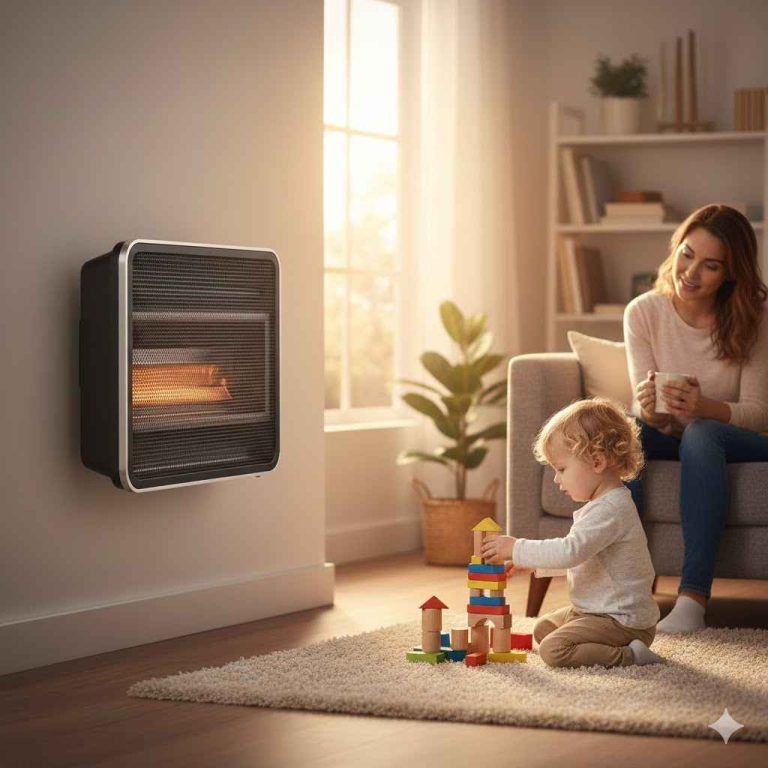
Propane wall heaters are self-contained heating units that burn liquid propane (LP gas) to produce heat. They are designed to warm specific zones or rooms rather than an entire home, making them popular for supplemental heating or for spaces without access to natural gas or central heating.
At their core, these heaters work by drawing in air, mixing it with propane, and igniting the mixture within a sealed combustion chamber. The heat produced then radiates into the room, warming surfaces and the surrounding air. There are two main types you’ll encounter:
Vented Propane Wall Heaters: These units have a dedicated vent that directs combustion byproducts (like carbon monoxide and water vapor) outside your home. They operate similarly to a small furnace, providing clean, safe heat.
Vent-Free (or Unvented) Propane Wall Heaters: These heaters do not require a vent to the outside. Instead, they release almost all the heat and combustion byproducts directly into the room. They are highly efficient but come with specific safety considerations and usage guidelines.
Understanding these basic differences is the first step in appreciating how their efficiency varies and what that means for your comfort and safety.

So, Are Propane Wall Heaters Really Efficient?
The short answer is a resounding yes, propane wall heaters can be remarkably efficient. When we talk about “efficiency” in heating, we’re usually referring to how much of the fuel’s energy is converted into usable heat for your home, rather than being lost.
Propane wall heaters, particularly the vent-free models, boast some of the highest efficiency ratings in the heating world. Many vent-free units are rated at 99.9% combustion efficiency. This means that nearly all the heat generated from burning the propane is released directly into your living space. Vented models also offer good efficiency, typically ranging from 75-85%, though some high-efficiency vented models can go higher.
This high efficiency is a major draw for homeowners. It translates into less wasted fuel, which can mean lower heating bills and less impact on your wallet. However, it’s important to understand that “combustion efficiency” isn’t the only piece of the puzzle. Overall efficiency also depends on how effectively that heat is distributed and retained within your home.
Key Factors Affecting Efficiency
While the combustion efficiency of propane wall heaters is excellent, several other factors contribute to their overall effectiveness and how much heat you actually feel and retain:
Combustion Efficiency vs. Overall Efficiency: As mentioned, vent-free heaters have near 100% combustion efficiency because all heat stays indoors. Vented heaters lose some heat up the flue. However, overall efficiency also considers how well the heat warms your space and how much escapes through poor insulation or drafts.
Vent Type: This is perhaps the biggest differentiator.
Vent-free heaters excel in combustion efficiency (99.9%) because they release all heat directly into the room. There are no exhaust gases vented outside, meaning no heat loss through a flue.
Vented heaters are inherently less efficient (75-85%+) in terms of fuel conversion because some heat is lost with the exhaust gases through the vent.
BTU Sizing (British Thermal Unit): Choosing a heater with the correct BTU output for your space is crucial.
Too small: The heater will run constantly, struggling to warm the room, leading to higher fuel consumption without adequate comfort.
Too large: The heater will cycle on and off frequently, which can be less efficient than a properly sized unit maintaining a steady temperature. It can also overheat a space, leading to discomfort and wasted energy.
Installation Quality: A poorly installed heater can lose efficiency. This includes issues like improper venting in vented units or a lack of proper air circulation around the unit in vent-free models. A professional installation ensures the heater operates at its peak.
Regular Maintenance: Dust and debris can build up on burner components, reducing efficiency over time. Regular cleaning and inspections (at least once a year) ensure the heater burns cleanly and effectively.
Insulation and Drafts in the Home: Even the most efficient heater will struggle if your home isn’t well-insulated. Heat escapes through walls, windows, doors, and cracks, meaning your heater has to work harder and consume more fuel to maintain the desired temperature. Sealing drafts and improving insulation significantly boost your overall heating efficiency, regardless of the heater type.
By considering all these factors, you can ensure your propane wall heater not only boasts high combustion efficiency but also delivers excellent overall heating performance for your home.
Vented vs. Vent-Free Propane Heaters: Efficiency & Safety
The choice between a vented and a vent-free propane wall heater significantly impacts both efficiency and crucial safety considerations. It’s vital to understand these differences before making a decision.
Vented Propane Wall Heaters
Vented heaters are designed with a flue or chimney that carries away combustion byproducts, such as carbon monoxide, nitrogen oxides, and water vapor, to the outdoors.
Efficiency: Typically range from 75-85% efficient. While not as high as vent-free models, this is still respectable, especially compared to older heating systems. The efficiency “loss” is due to some heat escaping with the exhaust gases through the vent.
Pros:
Superior Indoor Air Quality: Since all combustion byproducts are expelled outside, these heaters do not affect the indoor air quality. This makes them a safer choice for bedrooms, poorly ventilated areas, or homes with occupants sensitive to air quality changes.
Safety: The risk of carbon monoxide accumulation indoors is virtually eliminated when properly installed and maintained.
Versatile Placement: Can often be installed in more rooms than vent-free models, subject to local codes.
Cons:
Lower Combustion Efficiency: You lose some heat up the flue, which translates to slightly higher fuel consumption compared to vent-free units for the same amount of heat delivered.
More Complex Installation: Requires a connection to an outside vent, which can be more involved and costly than installing a vent-free unit.
Cost: Generally have a higher initial purchase price due to their more complex design.
Vent-Free (Unvented) Propane Wall Heaters
Vent-free heaters release all combustion gases and heat directly into the room. Their design maximizes heat transfer, leading to extremely high efficiency.
Efficiency: Boast an impressive 99.9% combustion efficiency. This makes them incredibly cost-effective in terms of converting fuel into heat.
Pros:
Exceptional Efficiency: Nearly all the energy from the propane is converted into heat that warms your room, leading to lower operating costs per BTU.
Simple Installation: No need for a vent pipe means easier and less costly installation. They are often ideal for supplemental heating in specific zones.
Zone Heating: Excellent for heating individual rooms, allowing you to turn down central heating and save energy in unoccupied areas.
Cons:
Indoor Air Quality Concerns: Because combustion byproducts (including a small amount of carbon monoxide, nitrogen oxides, and significant water vapor) are released into your home, they can affect indoor air quality. This means they can increase humidity and potentially contribute to condensation, especially in tightly sealed homes.
Oxygen Depletion Risk: In very small or poorly ventilated spaces, vent-free heaters can slightly deplete oxygen levels. Most units have an Oxygen Depletion Sensor (ODS) that shuts them off if oxygen levels drop too low.
Not Allowed Everywhere: Due to safety concerns, some states, counties, or municipalities have restrictions or outright bans on vent-free heaters in certain spaces (e.g., bedrooms, bathrooms, mobile homes) or even entirely. Always check local codes.
BTU Limitations: For safety, there are often limitations on the maximum BTU output allowed for vent-free heaters in a given space size.
Absolutely Require Carbon Monoxide Detectors: Even with ODS systems, a UL-listed carbon monoxide detector is not just recommended, but absolutely essential in any room where a vent-free heater operates. Carbon monoxide is odorless and colorless, making it extremely dangerous. The CPSC provides important safety tips on carbon monoxide prevention that every homeowner should review (see: CPSC Carbon Monoxide Information Center).
Choosing between these two types involves balancing efficiency with safety and local regulations. Always prioritize safety and comply with all manufacturer instructions and local building codes.
How to Maximize Your Propane Wall Heater’s Efficiency
Even with a highly efficient propane wall heater, there’s always room to optimize its performance and ensure you’re getting the most warmth for your money. Here’s how to maximize your heater’s efficiency:
1. Proper Sizing is Key: This is perhaps the most critical step. A heater that’s too small will struggle and run constantly, wasting energy. One that’s too large will short-cycle, also inefficiently. You need to match the BTU output of the heater to the specific room size and insulation levels.
Rule of thumb: You typically need about 20 BTUs per square foot for average insulation. For poorly insulated areas, you might need 25-30 BTUs per square foot.
Calculation: Multiply the room’s square footage by the BTU requirement. For example, a 200 sq ft room with average insulation might need a 4,000 BTU heater (200 sq ft x 20 BTU/sq ft).
You can use online BTU calculators from reputable sources like the U.S. Department of Energy (though typically for whole homes, principles apply) or specific heater manufacturers to get a more precise estimate.
2. Professional Installation: While vent-free heaters might seem straightforward to install, having a certified professional handle the installation ensures everything is set up correctly and safely. This includes proper gas line connections, correct clearances, and, for vented units, proper flue installation. Correct installation prevents leaks and ensures the unit operates at peak efficiency from day one.
3. Regular Maintenance: Just like any appliance, propane wall heaters benefit from routine care.
Annual Check-up: Have a qualified technician inspect your heater annually, ideally before the heating season begins. They can check for gas leaks, inspect the burner and pilot light, and ensure all safety features (like the ODS) are working correctly.
Keep it Clean: Dust and debris can accumulate on the burner and heating elements, hindering efficiency. Gently clean around the heater and its vents regularly, making sure not to obstruct airflow. Always follow the manufacturer’s cleaning instructions.
4. Insulate Your Home: No heater, regardless of its efficiency rating, can overcome a poorly insulated home. Heat will simply escape through walls, windows, doors, and the ceiling.
Seal Drafts: Use caulk and weatherstripping around windows and doors to prevent warm air from escaping and cold air from entering.
Insulate Attics and Walls: Adding insulation to your attic and exterior walls can dramatically reduce heat loss, allowing your heater to maintain comfort more easily and efficiently.
Window Treatments: Heavy curtains or blinds can provide an extra layer of insulation at your windows.
5. Embrace Zone Heating: Propane wall heaters are perfect for zone heating. Instead of heating your entire house to one temperature with a central system, use your wall heater to keep only the occupied rooms warm. Turn down the thermostat for your central heating system or completely turn it off in unoccupied areas. This targeted approach can lead to significant energy savings.
6. Smart Thermostat Usage: Many propane wall heaters come with built-in thermostats or can be connected to external ones.
Set it Right: Set your thermostat to a comfortable but not excessive temperature. Every degree you lower the thermostat (especially when you’re away or asleep) can save a noticeable amount of energy.
Programmable Options: If your heater allows, use a programmable thermostat to automatically adjust temperatures based on your schedule.
By implementing these strategies, you’ll not only enjoy a warm and comfortable home but also ensure your propane wall heater operates at its most efficient, saving you money on fuel costs.
Cost-Effectiveness of Propane Wall Heaters
When considering any heating solution, “cost-effectiveness” means looking beyond just the initial purchase price. It involves factoring in the installation costs, ongoing fuel expenses, and the expected lifespan of the unit. Propane wall heaters can be a very cost-effective choice for many situations, especially for supplemental heating or smaller spaces.
Initial Cost
Propane wall heaters are generally quite affordable to purchase compared to central heating systems.
Units: Prices can range from a few hundred dollars for smaller, basic vent-free models to over a thousand for larger, more advanced vented units with features like thermostats and blowers.
Installation: Vent-free units have lower installation costs as they don’t require venting. Vented units, needing a professional to install the vent system, will incur higher installation fees. However, both are typically less expensive to install than a full furnace and ductwork system.
Operating Cost
This is where efficiency truly pays off. Your operating cost will primarily depend on:
Propane Prices: Propane costs fluctuate based on season, supply, demand, and geographic location. It’s often purchased in bulk or from local distributors. Keep an eye on local prices.
Heater’s BTU Output and Runtime: A larger heater running longer will consume more propane. This underscores the importance of proper sizing and efficient use.
Insulation and Home Sealing: As discussed, a well-insulated home minimizes heat loss, allowing the heater to run less and use less fuel.
Compared to other heating sources, propane can be competitive, particularly when used for targeted zone heating.
Comparison to Other Heating Sources
Let’s look at how propane wall heaters stack up against common alternatives in terms of general cost and efficiency. Please note that exact costs will vary greatly by location, current energy prices, and home characteristics.
| Heating Source | Initial Cost (Unit + Install) | Operating Cost (per BTU) | Typical Efficiency | Best Use Case |
|---|---|---|---|---|
| Propane Wall Heater (Vent-Free) | Low to Moderate | Moderate (depends on propane price) | 99.9% (combustion) | Zone heating, smaller spaces, supplemental heat |
| Propane Wall Heater (Vented) | Moderate | Moderate (depends on propane price) | 75-85%+ | Primary heat for small areas, safety critical spaces |
| Electric Space Heater | Very Low | High (electricity often expensive) | 100% (but electricity generation is inefficient) | Very small, temporary spot heating |
| Natural Gas Furnace (Central) | High | Low (natural gas often cheapest) | 80-98% | Whole-home heating where natural gas is available |
| Electric Baseboard Heat | Low to Moderate | High | 100% (but same electricity generation issue) | Zone heating where gas isn’t available, quiet operation |
As you can see, propane wall heaters strike a balance, offering relatively low initial costs and excellent operating efficiency, especially for targeted heating needs. They shine in scenarios where you don’t need to heat an entire home with a central system or where natural gas isn’t an option.
Pros and Cons of Propane Wall Heaters
To help you quickly weigh your options, here’s a summary of the advantages and disadvantages of choosing a propane wall heater:
| Pros | Cons |
|---|---|
| High Efficiency: Vent-free models offer near 99.9% combustion efficiency, converting almost all fuel to heat. | Fuel Storage: Requires a propane tank (often outdoors), which needs refilling. |
| Cost-Effective: Lower initial purchase and installation costs compared to central systems. | Fuel Price Fluctuations: Propane costs can vary by season and market, impacting operating expenses. |
| Zone Heating: Excellent for heating specific rooms, saving energy by not heating unused areas. | Vent-Free Air Quality: Vent-free units release combustion byproducts (CO, NOx, water vapor) directly indoors, potentially affecting air quality and humidity. |
| Independent Operation: Works during power outages (most models don’t require electricity, but some blowers do). | Safety Concerns (Vent-Free): Risk of oxygen depletion and CO buildup if not properly sized, maintained, and monitored. Requires CO detector. |
| Quick Heating: Provides quick, direct heat to a space. | Local Codes: Vent-free heaters may be restricted or banned in certain areas or specific rooms (e.g., bedrooms). |
| Simple Installation (Vent-Free): No ductwork or extensive venting required, making installation easier and cheaper. | Limited Heating Area: Designed for zone heating; not ideal for heating an entire large home as a primary source. |
| Versatility: Suitable for homes, cabins, workshops, garages, and as supplemental heating. | Odor (Rare): Some users might detect a faint odor with vent-free units, though modern heaters are designed to minimize this. |
By considering these points, you can determine if the benefits align with your heating needs and if you are comfortable with the associated considerations, especially regarding vent-free safety.
Is a Propane Wall Heater Right for Your Home?
Deciding if a propane wall heater is the best fit for your home involves looking at your specific situation, needs, and priorities. Let’s break down some key considerations to help you make that choice.
Primary vs. Supplemental Heating: Are you looking for a main heating source for a small home, cabin, or garage, or do you need to supplement an existing system that isn’t quite cutting it in certain rooms? Propane wall heaters excel as supplemental heaters for specific zones. For an entire large home, a central propane furnace might be a more comprehensive solution, but for smaller main heating needs, a wall heater can be perfectly adequate.
Space Size and Layout: Wall heaters are designed for specific room sizes. Make sure to accurately measure your space and select a heater with the appropriate BTU output. An open-concept living area will have different needs than a closed-off bedroom.
Ventilation and Air Quality: This is critical, especially if you’re considering a vent-free model. Do you have good natural ventilation in the room? How sensitive are you or your family members to indoor air quality? For bedrooms or very tightly sealed homes, a vented model or another heating type might be a safer choice. Always install carbon monoxide detectors with any combustion heating appliance.
Local Codes and Regulations: Before purchasing any propane heater, check with your local building department or fire marshal. As mentioned, vent-free heaters, in particular, have restrictions in certain areas or for specific room types (e.g., bedrooms, bathrooms, mobile homes). Complying with codes is not just about legality but also about ensuring your safety.
Access to Propane: Do you have an existing propane tank, or will you need to install one? Consider the convenience of refilling the tank. If you already use propane for other appliances (like cooking or water heating), adding a wall heater might be a seamless transition.
Electricity Availability (for some models): Most basic propane wall heaters do not require electricity to operate, making them excellent choices for off-grid living or during power outages. However, some advanced models with blowers, electronic ignition, or programmable thermostats will need an electrical connection. Check the specific model’s requirements.
Your Budget: Consider both the upfront cost (heater + installation) and the ongoing operating costs (propane fuel). While the initial cost is often lower, fluctuating propane prices will be a factor in your long-term budget.
* Comfort and Control: Do you prefer targeted heat in specific areas, or do you need uniform heating throughout your home? Propane wall heaters offer excellent zone control, allowing you to fine-tune comfort levels where and when you need them.
By carefully considering these factors, you can determine if a propane wall heater aligns with your lifestyle, your home’s structure, and your heating goals, ensuring you make a decision that brings warmth and peace of mind.

Frequently Asked Questions (FAQ)
Q1: Are vent-free propane heaters safe for indoor use?
Vent-free propane heaters are generally considered safe for indoor use when properly sized, installed, maintained, and used according to manufacturer guidelines and local codes. They must always be accompanied by a working carbon monoxide detector. However, due to releasing combustion byproducts directly indoors, they are not permitted in all rooms (like bedrooms) or all jurisdictions, so always check local regulations.
Q2: How often do propane wall heaters need maintenance?
Propane wall heaters should be professionally inspected and serviced at least once a year, ideally before the start of the heating season. In addition to professional service, regular cleaning of dust and debris around the unit, as per the manufacturer’s instructions, helps maintain efficiency and safe operation.
Q3: Can a propane wall heater be the main heat source for my home?
For smaller homes, cabins, or individual apartments, a properly sized propane wall heater can serve as a primary heat source, especially if it’s a vented model. For larger homes, they are typically more efficient and cost-effective when used for supplemental or zone heating to complement a central system.
Q4: Do propane wall heaters use electricity?
Many basic propane wall heaters, especially those with standing pilot lights and manual controls, do not require electricity to operate, making them ideal for power outages. However, models with blowers, electronic ignition, or digital thermostats will require an electrical connection.
Q5: What is the average lifespan of a propane wall heater?
With proper installation and regular maintenance, a good quality propane wall heater can last 10 to 15 years, and sometimes even longer. Factors like frequency of use, quality of the unit, and adherence to maintenance schedules can influence its lifespan.
Q6: Are there any odors associated with propane wall heaters?
Modern propane wall heaters, especially vent-free models, are designed to burn very cleanly and should produce minimal to no odor when operating correctly. If you detect a strong or unusual odor, it could indicate an issue like incomplete combustion or a gas leak, and you should turn off the heater and have it inspected immediately by a professional.
Q7: How do I choose the right BTU size for my room?
To choose the right BTU size, you’ll need to calculate the square footage of your room (length x width) and multiply it by a BTU factor, typically 20-30 BTUs per square foot depending on your home’s insulation and ceiling height. For example, a 200 sq ft room with average insulation might need a 4,000 BTU heater (200 sq ft x 20 BTU/sq ft). It’s best to consult a professional or use an online BTU calculator for a precise estimate.
Conclusion
So, are propane wall heaters efficient? Absolutely. They offer a compelling blend of high combustion efficiency, especially with vent-free models, and targeted heating capabilities that can lead to significant cost savings. We’ve explored how different types work, the critical factors influencing their performance, and how to maximize their efficiency through proper sizing, installation, and maintenance.
Whether you’re looking to heat a cozy cabin, supplement your existing heating system, or provide warmth to a specific room, propane wall heaters present a practical and effective solution. Remember the vital distinction between vented and vent-free models, prioritizing safety, understanding local codes, and always having a reliable carbon monoxide detector in place. By applying the insights we’ve shared, you’re now equipped to make an informed decision, ensuring your home remains wonderfully warm, comfortable, and safe for seasons to come. You’ve got this!