Are Propane Wall Heaters Safe? Critical Facts
Propane wall heaters can be very safe when chosen correctly, installed professionally, and used with strict adherence to safety guidelines. Vented models are generally safer as they exhaust combustion byproducts outside, eliminating risks like carbon monoxide buildup and oxygen depletion indoors. Always install carbon monoxide detectors and ensure proper ventilation, especially with vent-free models used as supplemental heat in well-ventilated areas.
For the safety side of this topic, Are Propane Wall Heaters Safe With Kids: Dangers? gives readers a practical next check before using a heater.
For the safety side of this topic, Are Gas Wall Heaters Safe: Avoid Dangerous Risks gives readers a practical next check before using a heater.
For the safety side of this topic, Are Propane Wall Heaters Safe With Kids: Facts gives readers a practical next check before using a heater.
Choosing the right heater for your home can feel like a big puzzle, especially when it comes to keeping your space warm without breaking the bank or compromising safety. Propane wall heaters are a popular choice for their efficiency and comforting warmth, but a common question often pops up: “Are propane wall heaters safe?” It’s a completely fair question, and one many homeowners and renters worry about.
The good news is, with a little know-how and the right steps, you can enjoy the cozy benefits of propane heat safely and confidently. I’m here to walk you through all the critical facts you need to know, from understanding different types to setting up your heater for ultimate peace of mind. Let’s get you feeling warm and secure!
Understanding Propane Wall Heaters: The Basics
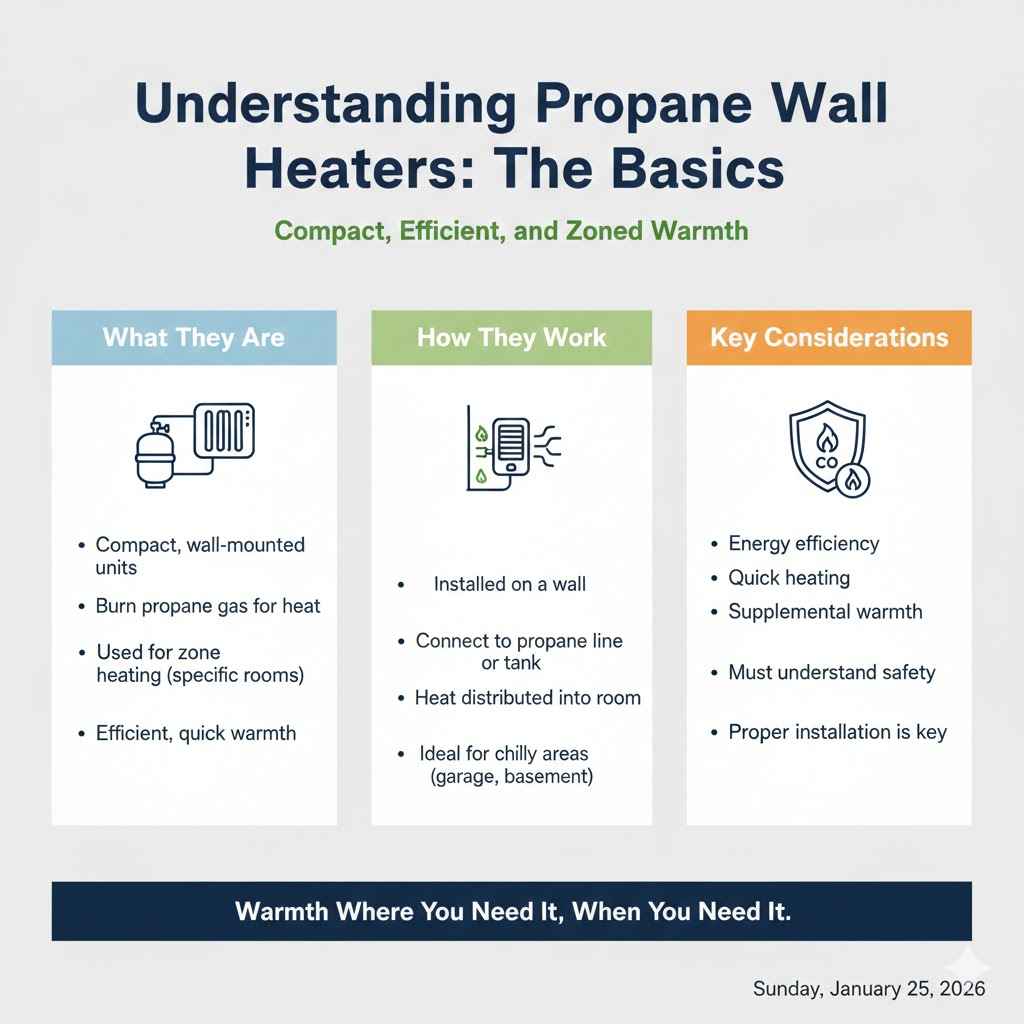
Propane wall heaters are compact heating units designed to warm specific areas or rooms in your home. They work by burning propane gas to generate heat, which is then distributed into your living space. People often choose them for their energy efficiency, quick heating capabilities, and ability to provide warmth where central heating might fall short or be too costly to run.
These heaters are installed directly on a wall and can be connected to a dedicated propane line or a portable propane tank, depending on the model and setup. They offer a great solution for zone heating, warming up a chilly garage, a basement, or even an addition to your home. But as with any fuel-burning appliance, understanding how they work and the safety considerations is key.
Vented vs. Unvented: The Safety Showdown
The first and most crucial distinction when talking about propane wall heater safety lies in whether a unit is “vented” or “unvented.” This difference directly impacts how combustion byproducts are handled and, therefore, your indoor air quality and safety.
Vented Propane Wall Heaters
Vented propane wall heaters are designed to operate much like a furnace or water heater. They have a sealed combustion system that draws in outdoor air for burning propane and then exhausts all combustion byproducts, like carbon monoxide (CO) and moisture, directly outside through a vent pipe (often a direct vent system through a nearby wall). This means the exhaust never enters your living space.
- How they work: Fresh air is drawn from outside, propane is burned, and exhaust gases are pushed back outside through a dedicated vent.
- Safety benefits: Because exhaust gases are contained and expelled, the risk of carbon monoxide poisoning or oxygen depletion inside your home is virtually eliminated. This makes them a very safe option for primary or supplemental heat.
- Installation considerations: They require an external vent, which means a professional installation is usually needed to cut through a wall and properly seal the vent.
Unvented Propane Wall Heaters (Vent-Free)
Unvented, or “vent-free,” propane wall heaters operate differently. They draw in air from the room, burn propane, and then release all the heat, along with the combustion byproducts, directly into the room. While they are very efficient because no heat is lost through a vent, this design comes with specific safety concerns that you must be aware of.
- How they work: Air from the room is used for combustion, and all resulting gases and moisture are released back into the same room.
- Primary safety concerns:
- Carbon Monoxide (CO) Buildup: While modern unvented heaters have an Oxygen Depletion Sensor (ODS) system to shut them off if oxygen levels drop, a malfunction or improper use can still lead to CO accumulation.
- Oxygen Depletion: Burning propane consumes oxygen. In a tightly sealed or small room, this can lead to oxygen levels dropping to unsafe levels.
- Moisture Buildup: Water vapor is a byproduct of propane combustion. This can increase indoor humidity, potentially leading to mold, mildew, or damage to electronics and furnishings.
- When they can be used: Unvented heaters are generally recommended only as supplemental heat in well-ventilated, larger spaces, and for limited durations. They are not suitable for bedrooms, bathrooms, or smaller, enclosed areas. Many local codes restrict or prohibit their use in certain rooms or as a primary heat source.
Here’s a quick comparison to help you understand the differences:
| Feature | Vented Propane Wall Heater | Unvented (Vent-Free) Propane Wall Heater |
|---|---|---|
| Exhaust Byproducts | Expelled outside through a vent pipe | Released directly into the room |
| Carbon Monoxide Risk | Very low to none (when installed correctly) | Potential risk if not used properly or if ODS fails; requires extreme caution |
| Oxygen Depletion Risk | None | Moderate to high (in small, unventilated spaces) |
| Moisture Buildup | None | Significant (produces water vapor) |
| Installation | Requires professional venting to exterior wall | No external venting required (simpler installation, but higher safety risk) |
| Recommended Use | Primary or supplemental heat in almost any room | Supplemental heat only, in well-ventilated, larger spaces (e.g., living rooms, open-plan areas) |
| Bedroom/Bathroom Use | Generally safe (check local codes) | Not recommended or often prohibited by code |
Key Safety Concerns with Propane Heaters
Regardless of whether you choose a vented or unvented unit, understanding the general safety concerns associated with propane heaters is paramount. Being aware allows you to take proactive steps to prevent issues.
Carbon Monoxide (CO) Poisoning
Carbon monoxide is often called the “silent killer” because it’s a colorless, odorless, and tasteless gas produced by the incomplete burning of fuel, including propane. When inhaled, it replaces oxygen in your blood, leading to symptoms like headaches, dizziness, nausea, and in severe cases, unconsciousness, brain damage, or death. While vented heaters drastically reduce this risk indoors, it’s still a concern for unvented models and could theoretically happen with any combustion appliance if the vent system is blocked or leaks.
- The Danger: CO robs your body of oxygen.
- Your Lifeline: A carbon monoxide detector is your most important safety device. Install battery-operated or battery-backup CO detectors on every level of your home, especially near sleeping areas and where your heater is located. Test them monthly and replace batteries annually, or replace the entire unit according to manufacturer recommendations (typically every 5-7 years).
Oxygen Depletion
This is primarily a concern for unvented propane heaters. As the heater burns propane, it consumes oxygen from the surrounding air. In a small, poorly ventilated room, this can lead to a dangerous drop in oxygen levels. When oxygen levels fall too low, you might experience shortness of breath, confusion, rapid heart rate, and impaired judgment. Modern unvented heaters come with an Oxygen Depletion Sensor (ODS) that should shut the heater off if oxygen levels get too low, but this is a safety backup, not a substitute for proper ventilation.
- Prevention: Ensure adequate fresh air supply when using unvented heaters.
Propane Leaks
While propane itself is odorless, a chemical called ethyl mercaptan is added during manufacturing to give it a distinctive “rotten egg” or “skunk-like” smell. This smell is your warning sign of a leak. Propane leaks are dangerous because the gas is heavier than air and can accumulate in low-lying areas, creating a fire or explosion hazard if it comes into contact with an ignition source.
- How to Detect: Trust your nose! If you smell propane, act immediately. A soap solution test (applying soapy water to connections to look for bubbles) can also confirm small leaks.
- What to Do:
- Immediately extinguish all open flames (candles, cigarettes).
- Do NOT operate electrical switches, phones, or appliances.
- Get everyone out of the building.
- Once outside, call your propane supplier or the fire department.
- Do not re-enter until advised by emergency personnel.
- Prevention: Ensure professional installation and regular inspections of all propane lines and connections.
Fire Hazards
Any heating appliance generates heat, and that heat needs to be managed safely to prevent fires. Propane wall heaters, like other heaters, can pose a fire risk if not installed or used correctly.
- Clearances from Combustibles: Always maintain the manufacturer-recommended clearances from combustible materials like curtains, furniture, bedding, and even walls not designed to withstand heat.
- Overheating: An improperly sized or malfunctioning heater can overheat, posing a fire risk.
- Dust and Debris: Dust and debris can build up on heater components, becoming an ignition source or affecting performance.
Moisture Buildup (with unvented heaters)
As mentioned, unvented propane heaters release water vapor into the air as a byproduct of combustion. For every gallon of propane burned, about 1.5 gallons of water vapor are produced. This can significantly increase the humidity in your home, leading to problems like:
- Condensation on windows and cold surfaces.
- Mold and mildew growth, especially in damp or poorly ventilated areas.
- Damage to wood, electronics, and other humidity-sensitive items.
- Aggravation of respiratory conditions.
Good ventilation is key to mitigating this issue when using unvented heaters.
Essential Safety Features to Look For
Modern propane wall heaters come with several built-in safety features designed to prevent hazards. When shopping, make sure your chosen model includes these:
- Oxygen Depletion Sensor (ODS): This critical device monitors the oxygen level in the room. If it falls below a safe threshold (typically around 18% to 19.5%), the ODS automatically shuts off the heater. This is standard on all modern unvented propane heaters.
- Tip-Over Switch: If the heater is accidentally knocked over, this switch immediately cuts off the fuel supply, preventing a fire hazard.
- Overheat Protection: This feature monitors the heater’s internal temperature and shuts it down if it exceeds a safe operating limit.
- Thermocouple or Flame Sensor: This device ensures that if the pilot light or main burner flame goes out, the gas supply is immediately shut off, preventing unburned propane from escaping into your home.
- CSA or UL Certification: Always look for certification from recognized testing laboratories like the Canadian Standards Association (CSA) or Underwriters Laboratories (UL). This indicates that the product has been tested to meet specific safety and performance standards.
Smart Installation and Usage: Your Safety Checklist
Even with a safe heater, proper installation and vigilant usage are what truly keep your home secure and warm. Follow these guidelines closely:
Professional Installation is Key
For any propane heater, especially vented models that require venting through a wall, professional installation is strongly recommended. A certified technician will ensure:
- The heater is correctly sized for your space.
- Proper clearances from combustible materials are maintained.
- Gas lines are securely connected and leak-free.
- Venting systems (for vented heaters) are correctly installed and sealed to prevent exhaust leaks indoors.
- The unit is functioning optimally and safely.
Don’t cut corners here; it’s an investment in your safety.
Ensure Proper Ventilation
- For Vented Heaters: While they exhaust gases outside, good general ventilation in your home is always wise for overall air quality. Ensure the vent pipe is clear of obstructions (snow, bird nests, debris).
- For Unvented Heaters: This is non-negotiable. Always provide a source of fresh air. This might mean cracking a window slightly, opening an interior door to an adjacent larger room, or using an exhaust fan. Follow the manufacturer’s instructions on minimum room size and ventilation requirements precisely. Never use unvented heaters in airtight spaces.
Install and Maintain Carbon Monoxide Detectors
I can’t stress this enough. CO detectors are a must for any home with fuel-burning appliances.
- Placement: Install them on every level of your home, particularly outside sleeping areas and in rooms where fuel-burning appliances (like your propane heater, furnace, or water heater) are located.
- Testing: Test your detectors monthly using the test button.
- Replacement: Replace batteries at least once a year and replace the entire unit according to the manufacturer’s recommendations (typically 5-7 years for the sensor life).
Maintain Clearances from Combustibles
Every heater comes with specific instructions on how much space should be kept between the unit and combustible materials. These clearances are usually marked on a label on the heater itself and in the owner’s manual. Common clearances can range from a few inches to a foot or more on the sides, top, and front. Always keep:
- Curtains, drapes, and blinds away from the heater.
- Furniture, rugs, and bedding at a safe distance.
- Paint, aerosols, and flammable liquids stored elsewhere.
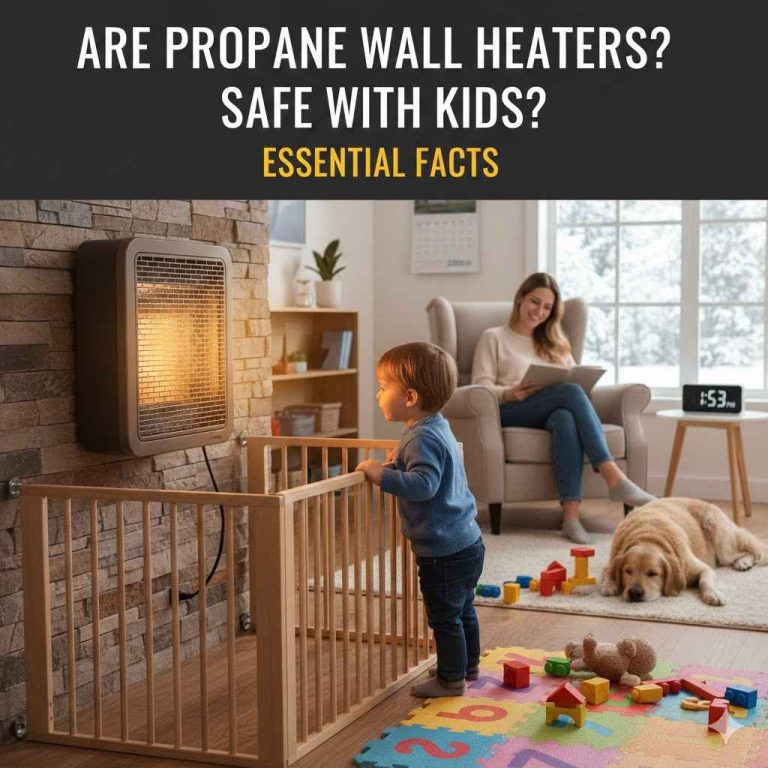
- Children and pets educated to stay clear of the hot surface.
Regular Maintenance and Inspections
Just like your car, your heating appliances need regular tune-ups.
- Annual Inspections: Have a qualified technician inspect your propane heater and gas lines at least once a year, preferably before the heating season begins. They can check for leaks, proper combustion, vent system integrity, and overall operational safety.
- Self-Checks: Regularly check the heater’s vents for obstructions. Keep the area around the heater clean and free of dust and debris.
Heater Usage Best Practices
- Never Use as a Primary Heat Source (for unvented models): Unvented heaters are designed for supplemental, temporary heat. They are not meant to run continuously for long periods or to be the sole source of heat for your home.
- Avoid Sleeping with Unvented Heaters On: Due to the risks of CO and oxygen depletion, never leave an unvented propane heater running while you or others are sleeping.
- Sizing Your Heater Correctly: An undersized heater might run constantly, wasting energy and not adequately warming your space. An oversized heater might cycle too frequently or produce too much heat for the room, leading to inefficiency and potential safety issues. A professional can help you determine the correct BTU output for your specific room size.
- Read the Manual: Seriously, read it! Your heater’s owner’s manual contains specific safety instructions, maintenance schedules, and operating procedures unique to your model.
Here’s a quick checklist to review before you even turn your heater on:
| Safety Action | Vented Heater | Unvented Heater | Notes |
|---|---|---|---|
| Professional Installation | ✓ (Highly Recommended) | ✓ (Highly Recommended) | Ensures correct gas connections & venting. |
| CO Detector Installed | ✓ | ✓ | On every level, near sleeping areas, and heater location. Test monthly. |
| Proper Ventilation | ✓ (Clear vents) | ✓ (Fresh air source) | For unvented, crack a window/door if in use. |
| Clearances Maintained | ✓ | ✓ | Keep combustibles (curtains, furniture) away per manual. |
| Annual Inspection | ✓ | ✓ | By qualified technician before heating season. |
| Know Propane Smell | ✓ | ✓ | “Rotten egg” odor means leak; act immediately. |
| ODS Present/Working | N/A | ✓ | Standard on all modern unvented heaters. |
| UL/CSA Certified | ✓ | ✓ | Ensures product meets safety standards. |
Debunking Common Myths About Propane Heaters
There are a lot of misconceptions floating around about propane heaters. Let’s clear some of them up!
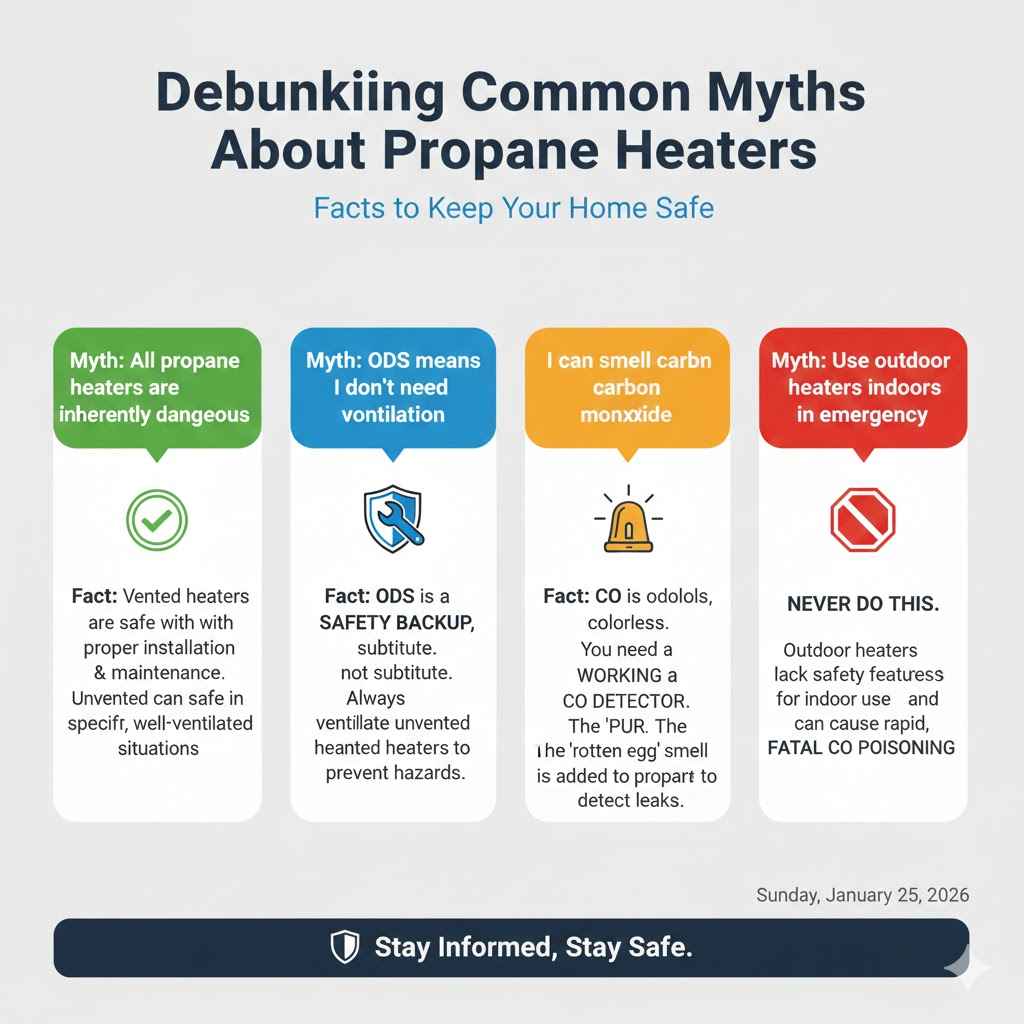
- Myth: All propane heaters are inherently dangerous.
Fact: This isn’t true. Vented propane heaters, when properly installed and maintained, are very safe and pose minimal risk of indoor air contamination. Even unvented heaters can be used safely in specific situations, provided all safety guidelines and ventilation requirements are strictly followed. It’s about knowing the type and using it correctly.
- Myth: If my heater has an ODS, I don’t need ventilation.
Fact: The Oxygen Depletion Sensor (ODS) is a safety backup, not a substitute for proper ventilation. It’s designed to shut the heater off if oxygen levels become dangerously low, but relying solely on it means you’re waiting for a hazardous condition to occur. Always provide fresh air when using an unvented heater to prevent oxygen depletion and moisture buildup.
- Myth: I can smell carbon monoxide.
Fact: Carbon monoxide is completely odorless, colorless, and tasteless. The only way to detect its presence is with a working carbon monoxide detector. The “rotten egg” smell you associate with gas is actually an added odorant (ethyl mercaptan) to help detect propane leaks, which is a different hazard.
- Myth: I can use my outdoor propane heater indoors in an emergency.
Fact: Never, ever use an outdoor-only propane heater indoors. These units are not designed for indoor use and lack the necessary safety features (like ODS) and proper combustion efficiency for enclosed spaces. Doing so can lead to rapid and fatal carbon monoxide poisoning.
Frequently Asked Questions About Propane Wall Heater Safety
Q1: Can I use an unvented propane wall heater in my bedroom?
A: No, it is generally not safe or recommended to use unvented propane heaters in bedrooms or other small, enclosed sleeping areas. The risks of carbon monoxide buildup, oxygen depletion, and excessive moisture are too high. Many local building codes prohibit their use in bedrooms.
Q2: How often should I test my carbon monoxide detector?
A: You should test your carbon monoxide detectors monthly by pressing the “test” button. Also, replace the batteries at least once a year, and replace the entire unit every 5-7 years, or as recommended by the manufacturer, because the sensor itself has a limited lifespan.
Q3: What should I do if I smell propane in my home?
A: If you smell propane, immediately extinguish all open flames. Do not operate light switches, phones, or any electrical appliances. Get everyone out of the house right away and, once safely outside, call your propane supplier or the fire department. Do not re-enter until emergency personnel say it is safe.
Q4: Do all propane wall heaters require an ODS (Oxygen Depletion Sensor)?
A: All modern unvented (vent-free) propane wall heaters are required by safety standards to have an Oxygen Depletion Sensor (ODS). Vented propane heaters do not need an ODS because their combustion byproducts are safely vented outside.
Q5: Is it okay to leave my propane wall heater running all night?
A: If you have a vented propane wall heater, it can typically run all night safely, as it exhausts combustion gases outside. However, if you have an unvented (vent-free) propane wall heater, it is generally not recommended to leave it running all night, especially while you are sleeping, due to the risks of oxygen depletion and carbon monoxide buildup in enclosed spaces.
Q6: Can I install a propane wall heater myself?
A: While some handy homeowners might feel capable, it is highly recommended to have a qualified, licensed professional install any propane wall heater. This ensures proper gas line connections, correct venting (for vented models), adherence to clearances, and compliance with local codes, minimizing safety risks.
Q7: How do I know if my propane wall heater is the right size for my room?
A: The right size heater depends on your room’s square footage, ceiling height, insulation, and window quality. A general rule of thumb is 20 BTUs per square foot for a well-insulated room. A professional installer can perform a heat load calculation to determine the precise BTU output needed for efficient and safe heating.
Conclusion
So, are propane wall heaters safe? Absolutely, when handled with the right knowledge and care! By understanding the key differences between vented and unvented models, being vigilant about safety concerns like carbon monoxide and propane leaks, and following best practices for installation and maintenance, you can confidently bring the warmth and efficiency of propane heating into your home. Always prioritize professional installation, equip your home with working carbon monoxide detectors, and maintain good ventilation. With these steps, you’re not just installing a heater; you’re investing in a cozy, safe, and comfortable home for years to come. Stay warm, stay safe!