Best Infrared Heaters for a Tiny House (2026): We Compared
For many tiny houses, a wall- or ceiling-mounted electric infrared heater rated at about 1,500 watts or less is often the best fit; propane is generally only worth considering with a vented setup when off-grid heat is needed. Pick the wrong size or mounting style, and you waste power, lose floor space, or create unsafe clearance problems. This guide compares infrared heaters by layout, power source, safety, and mounting style so you can match the heater to your tiny-home plan.
Quick comparison
| Product | Badge | Best for | Price | ||
|---|---|---|---|---|---|
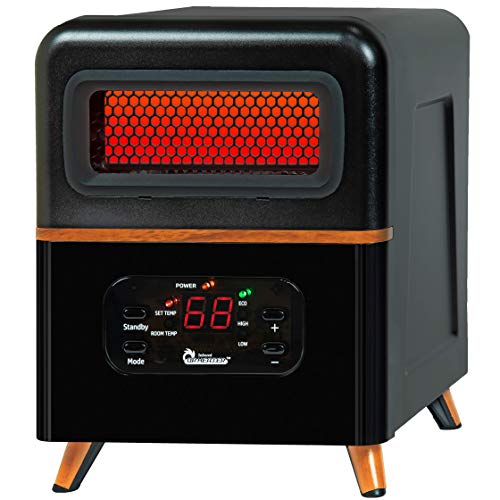 |
DR. INFRARED HEATER DR-978 New Upgraded Dual Heating HybridDR. INFRARED HEATER | Our pick | 1500W · Dual heating · Portable | $99.99
Price as of 28 Nov 2026
|
View |
 |
Lifeplus 1500W Electric Infrared Space HeaterLifePlus | Budget pick | 1500W · Quartz · Portable | $97.74
Price as of 28 Nov 2026
|
View |
 |
Heat Storm HS-1500-PHX-WIFI Infrared HeaterHeat Storm | Also great | 1500W · Wi‑Fi · Wall mounted | $126.99
Price as of 28 Nov 2026
|
View |
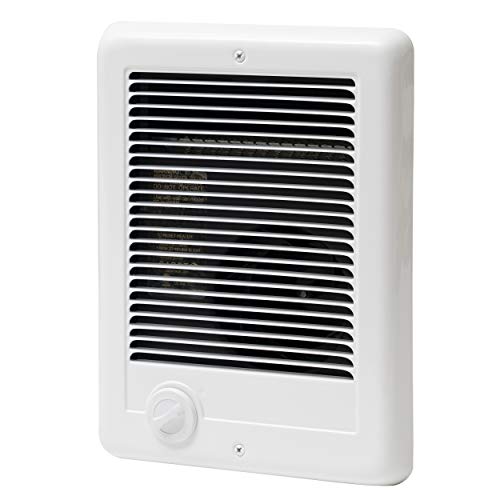 |
Cadet Com-Pak Electric Wall Heater Complete UnitCadet | Also great | 1000W · 120V · Recessed wall heater | $136.01
Price as of 28 Nov 2026
|
View |
Use the table to match heater type to layout first, then check mounting and power. In a tiny house, the wrong format causes more problems than the wrong brand.
How we chose
These picks were compared on five practical filters: fit for 500 to 1,000 square feet tiny homes, mounting style, electric or propane power, safety features, and likely use as primary heat or zone heat. The goal is a heater that suits a tiny-house layout, not a generic small room.
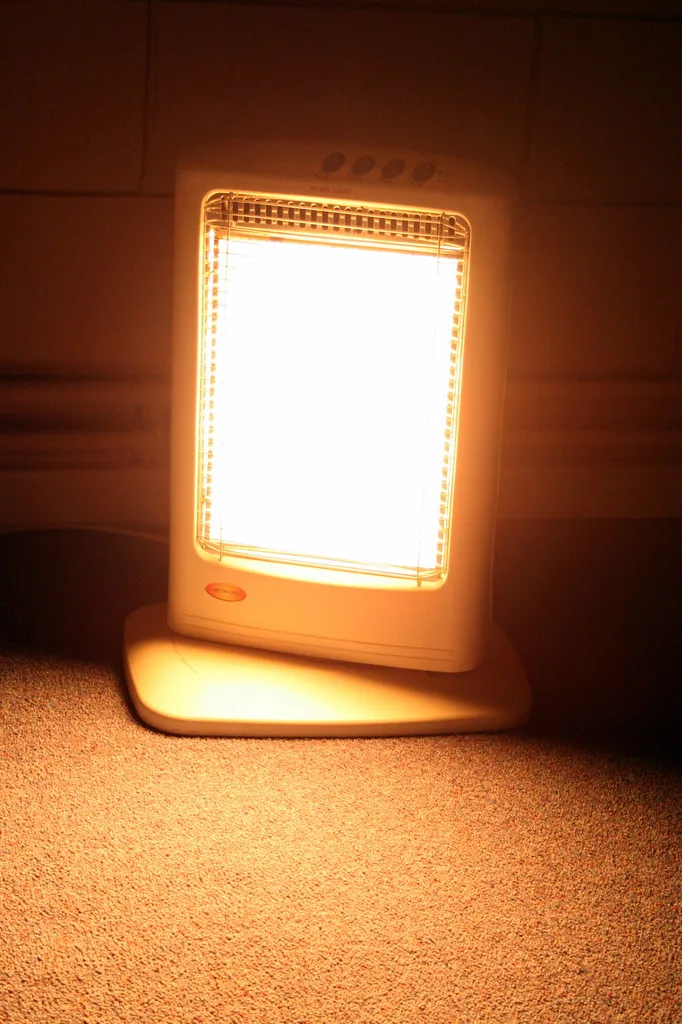
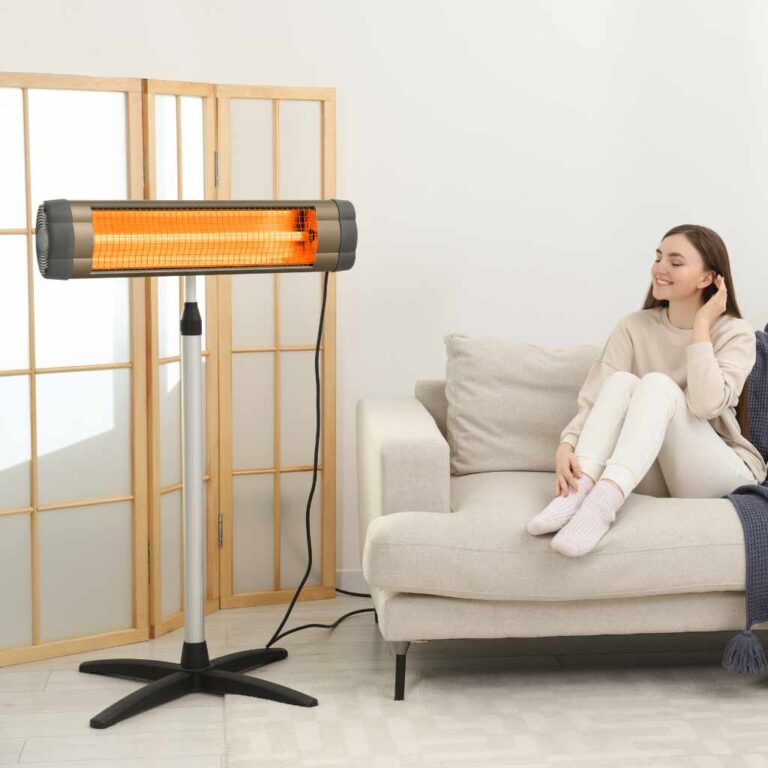
Infrared heat is direct radiant heat. It warms people and objects first, then the air nearby, so it can feel useful fast in a tight cabin, loft, or studio-style tiny home. That makes it different from a fan heater that tries to warm all the air at once.
DR. INFRARED HEATER DR-978: best for many tiny houses
- Hybrid PTC plus infrared heating system
- Low-noise blower moves more air
- Tip-over and overheat shutoff protection
This is often a strong portable choice for many tiny houses because it offers 1,500W output, portable placement, and tip-over plus overheat shutoff protection. Based on the manufacturer’s specs and buyer feedback, it suits owners who want one heater that can move between a main room and a loft-adjacent area.
Its hybrid PTC plus infrared heating system and low-noise blower help when you want a little more air movement than a pure radiant unit gives. The portable cabinet style also works when wall mounting is not an option.
The drawback is the same thing that makes it flexible: it still sits on the floor. That can be awkward in a very tight layout, and any portable unit is easier to bump, relocate, or place too close to bedding than a fixed wall heater.
Heat Storm HS-1500-PHX: best wall-mounted
- Wall-mounted design saves floor space
- Wi-Fi control from your phone
- Includes thermostat, remote, and safety shutoff
This is a strong fit when you want to keep floor space open. The wall-mounted format, thermostat, remote, and safety shutoff make it practical for a main living zone or a sleeping area where a fixed install makes sense.
Heat Storm lists this model for primary heating up to 150 sq. ft. and supplemental heating up to 750 sq. ft., which is the right split to keep in mind for tiny homes. That means it is best used as zone heat or backup heat unless the space is very well insulated and tightly sealed.
The drawback is installation. Renters and anyone who cannot modify walls should skip it. A wall unit also gives you less flexibility if your layout changes season to season.
Mr. Heater F232000 MH9BX: best for off-grid
This propane infrared heater is the right kind of option for a vented, off-grid setup where electric service is limited. It offers 4,000 and 9,000 BTU per hour settings, works in spaces up to 200 square feet, and includes auto shut-off, low oxygen detection, and hi-low heat settings.
That mix makes sense for a cabin-style tiny house, workshop-style shell, or emergency backup use. Propane also helps when you want heat without drawing from shore power or battery storage.
The drawback is ventilation and safety discipline. Low oxygen detection is helpful, but it is not a reason to use propane heat in a closed or poorly ventilated tiny house. If the shell is very tight, electric is the cleaner choice.
Envi High-Efficiency Whole Room 120v Plug-In Electric Panel Wall Heater: best low-draw wall heater
This 500-watt, wall-mounted panel is the best fit when your goal is quiet background heat with very low electrical draw. It uses only 500 watts and 4.2 amps, and it is described as cool to the touch at 90 degrees Fahrenheit, which matters in a cramped space with foot traffic.
The stack convection technology makes it a better whole-room support heater than a direct spot warmer. That can help in a tight, insulated tiny house that only needs temperature support, not a fast blast of warmth.
The drawback is output. Five hundred watts is modest, so it is not the first choice for a drafty shell, a full-time primary heat setup, or a loft with cold-air stratification.
Optimus H5511 Infrared Quartz Radiant Heater: best personal heat
This is a compact personal heater with 400-watt and 800-watt settings, a tip-over safety switch, an overheat thermal cut-off, and a cold housing enclosure. It is best for one person in a desk area, reading nook, or a short-term backup zone.
Its main advantage is simplicity. For a tiny house that only needs a small warm bubble near one occupant, the lower wattage settings can make sense when you want to limit electrical load.
The drawback is obvious coverage. This is not a primary heater for an entire tiny home, and it will struggle in open layouts, cold corners, or rooms with a loft and stairwell open to the main space.
Tiny house heater decision table
| Layout type | Insulation quality | Power source | Recommended heater type | Minimum wattage/BTU | Mounting preference | Likely failure mode |
|---|---|---|---|---|---|---|
| Single-room tiny house | Well insulated and tightly sealed | Shore power | Wall-mounted electric infrared | About 1,500 watts | Wall mount near the occupied zone | Overheating a small area while leaving the far end cool |
| Single-room tiny house | Average insulation | Shore power | Portable cabinet infrared | 1,500 watts | Portable, with clear floor space | Drafts at windows and doors beat the heater |
| Lofted tiny house | Well insulated main shell | Shore power | Wall-mounted electric infrared for the main floor | 1,500 watts | Wall mount below the loft line | Warm air rises while the loft stays uneven |
| Lofted tiny house | Average insulation | Shore power | Wall heater plus small personal unit | 1,500 watts plus 400 to 800 watts | Fixed main heater, portable backup upstairs | Cold spots under the loft and stale heat upstairs |
| Very small cabin or emergency room | Varies | Off-grid | Propane infrared with oxygen safety shutoff | 4,000 to 9,000 BTU per hour | Portable, with ventilation path | Condensation and oxygen risk if the space is sealed |
| Drafty shell or shoulder-season use | Poor to average | Shore power | Supplemental electric infrared | 500 to 1,500 watts | Wall mount or portable, depending on layout | Under-sizing the heater and expecting whole-home heat |
What infrared heat does well
Infrared heat works well in a tiny house because it aims energy at people and surfaces instead of trying to warm every cubic foot of air first. That is useful in compact layouts, open plans, and shoulder seasons where you need zone heating rather than full-house recovery.
It can also feel quieter than fan-driven heat. That matters in small homes, where noise carries and dust circulation is more noticeable. For allergy-sensitive owners, a low-air-movement heater can be easier to live with.
A common first-timer mistake is choosing an infrared heater based only on advertised output, even if the tiny house has low ceilings, drafty windows, and a compact sleeping loft. A 700-square-foot tiny house with good insulation and low ceiling height may need far less heat than the same floor area in a drafty shell with a loft and lots of glass.
Where it struggles
Infrared heat can struggle with open lofts, cold drafts, and condensation on exterior walls. If the air leaks badly, the heater keeps warming surfaces that keep losing heat, which makes the unit feel weak even when the wattage looks adequate on paper.
It also struggles when the goal is even whole-home warmth in a tall, open space. Heat rises. A ceiling fan or better air mixing can help, but infrared alone will not erase stratification in a lofted layout.
Which one should you buy?

If you want the safest all-around answer for a typical tiny house on shore power, start with the DR. Infrared Heater DR-978. It gives you 1500W, tip-over and overheat shutoff protection, and enough flexibility to move with the layout while still covering a larger small-space footprint than a personal heater.
If your layout can support wall mounting and you want floor space back, choose the Heat Storm HS-1500-PHX or the Envi panel depending on how much heat you need. The Heat Storm is the stronger all-around room heater. The Envi is the lower-draw choice when insulation is good and you want background warmth.
If your tiny house is off-grid and vented for propane, the Mr. Heater F232000 MH9BX is the more practical backup choice. If you need only a personal warm zone, the Optimus H5511 is the lightest-duty option here.
For a renter, a portable unit is usually the safer choice because it avoids wall modification. For an owner-builder, a wall-mounted or ceiling-mounted heater usually wins because it preserves floor space and keeps the clearance zone more predictable.
Say your tiny house is 28 feet long with a loft, modest insulation, and shore power. A wall-mounted heater on the main floor can keep the sleeping loft from becoming the coldest zone, but only if the main shell is reasonably sealed. If the loft still runs cold, adding a small portable backup near the stair landing makes more sense than increasing the main heater size.
Suppose your off-grid cabin-style tiny house uses propane heat on a cold shoulder-season weekend. The Mr. Heater can be a reasonable backup if the space is vented and the owner follows clearance and ventilation rules. If the same space is tightly sealed and occupied overnight, electric heat is the better fit.
How good are infrared heaters in a tiny house?
Infrared heaters are a good fit for many tiny houses, but only when the layout and power source match the unit. They are strongest in well-sealed spaces, in zone-heating setups, and in shoulder seasons where you need direct warmth without heating the whole volume at full blast.
They are less convincing in drafty shells, tall open lofts, and ultra-small rooms where a portable unit has nowhere safe to sit. In those cases, the right answer is often a fixed wall heater or a small propane backup with proper ventilation.
Primary heat versus supplemental heat
Primary heat means the unit can carry the space on its own. Supplemental heat means it supports another source or fills a short-term gap. In tiny houses, many infrared units are better at supplemental heat than at full-time primary heat unless the shell is well insulated and the climate is mild.
That distinction matters because a heater that feels strong for an hour may still fail as an all-night solution. If your tiny house needs stable overnight comfort in winter, size for the worst room, not the best afternoon.
Do infrared heaters use less energy in a tiny house?
Sometimes, but not always. Infrared heat can reduce waste when you only need people and surfaces warmed in one zone, yet energy use still depends on runtime, thermostat setting, insulation, drafts, and outdoor temperature. A 1,500-watt heater running hard is still a 1,500-watt heater.
For a rough operating frame, 1,500 watts equals 1.5 kilowatt-hours for each hour of continuous run time. If electric power costs $0.15 per kWh, that is about $0.23 per hour. At 6 hours a day, the running cost is about $1.35 per day, or about $40.50 for 30 days. If the heater cycles less because the space holds heat, the cost drops.
Propane is different. A model like the Mr. Heater gives heat output in BTU per hour, so cost depends on propane price, fill size, and how often the heater cycles. That can make propane useful off-grid, but it also makes monthly cost harder to predict from the label alone.
Do infrared heaters warm people or air in a tiny house?
They warm people and objects first, then the surrounding air. That is why the heat can feel immediate when you sit within the radiant path. In a tiny house, that helps in seated zones, bedsides, or work areas, but it does not replace good air sealing.
How to use an infrared heater safely in a tiny house
Safe use depends on clearance, placement, and fuel type. Keep the heater away from curtains, bedding, soft furnishings, and narrow traffic paths. Use tip-over and overheat protection for electric models, and low oxygen detection for propane models, but treat those features as backups rather than permission to ignore placement rules.
-
Place it in the right zone. Put a portable heater where people actually sit or sleep, and keep wall units where they can radiate into open space. Do not aim any heater directly at bedding or hang towels near it.
-
Respect ventilation limits. Use propane only in a vented setup with a clear air path. If the tiny house is tightly sealed or occupied overnight without ventilation, electric heat is the better option.
-
Choose the right safety features. Look for tip-over shutoff, overheat protection, and for propane models, low oxygen detection and auto shut-off. Those are especially important in compact rooms where a heater is easy to brush past.
How to use an infrared heater well also depends on runtime. A lower setting for longer can be better than blasting full power for short bursts, especially when the shell is insulated and the goal is steady comfort instead of rapid recovery.
Should you choose wall-mounted or portable?
Choose wall-mounted if you own the space, can install it safely, and want floor space back. Choose portable if you rent, change the layout often, or need to move the heater between the main room and a loft-adjacent zone. In tiny homes, the wrong mounting style is a bigger mistake than a small wattage difference.
Wall-mounted units fit best in stable layouts and can help keep the heater away from foot traffic. Portable units are better for flexibility, but they take space and need a firm, safe spot with clearance on all sides.
Frequently asked questions
What is the best infrared heater for a tiny house?
For many tiny houses, the best overall pick is the DR. Infrared Heater DR-978 because it combines 1500W output, portable placement, and tip-over plus overheat shutoff protection. If you can mount a unit and want floor space back, the Heat Storm HS-1500-PHX is the cleaner wall-mounted alternative.
Are infrared heaters any good for tiny homes?
Yes, especially for quiet zone heating and smaller layouts. They are a strong fit for shore-power tiny homes, and propane infrared can work for off-grid cabins with ventilation. They are not a cure for drafts, condensation, or a shell that is too leaky for its size.
What size infrared heater do I need for a tiny house?
Size it by layout, insulation, and use pattern, not square footage alone. A well-insulated single-room tiny house may do fine with 1,500 watts, while a lofted or drafty shell may need supplemental heat in addition to that. Off-grid propane options are usually sized in BTU per hour.
Should I choose a wall-mounted or portable infrared heater?
Choose wall-mounted if you want to save floor space and can install it safely. Choose portable if you rent, move furniture often, or want a heater that can follow you from the main room to another zone. In a tiny home, mounting style should match the layout first.