What Is the Best Infrared Heater Wattage?
For drafty or high-ceiling spaces, the guide recommends about 20 watts per square foot. If you undersize the heater, cold spots linger, run times stretch, and the unit still feels short of the target. This guide explains wattage by room size, insulation, ceiling height, and use case for bedrooms, basements, garages, and patios.
Wattage decision table
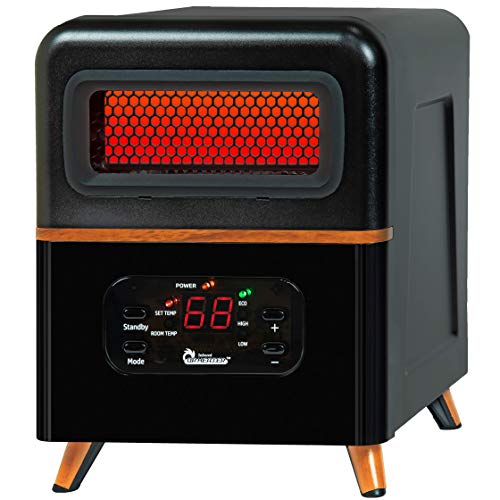
- Hybrid PTC + infrared heating
- Thermostat with Eco mode and timer
- Tip-over and overheat protection
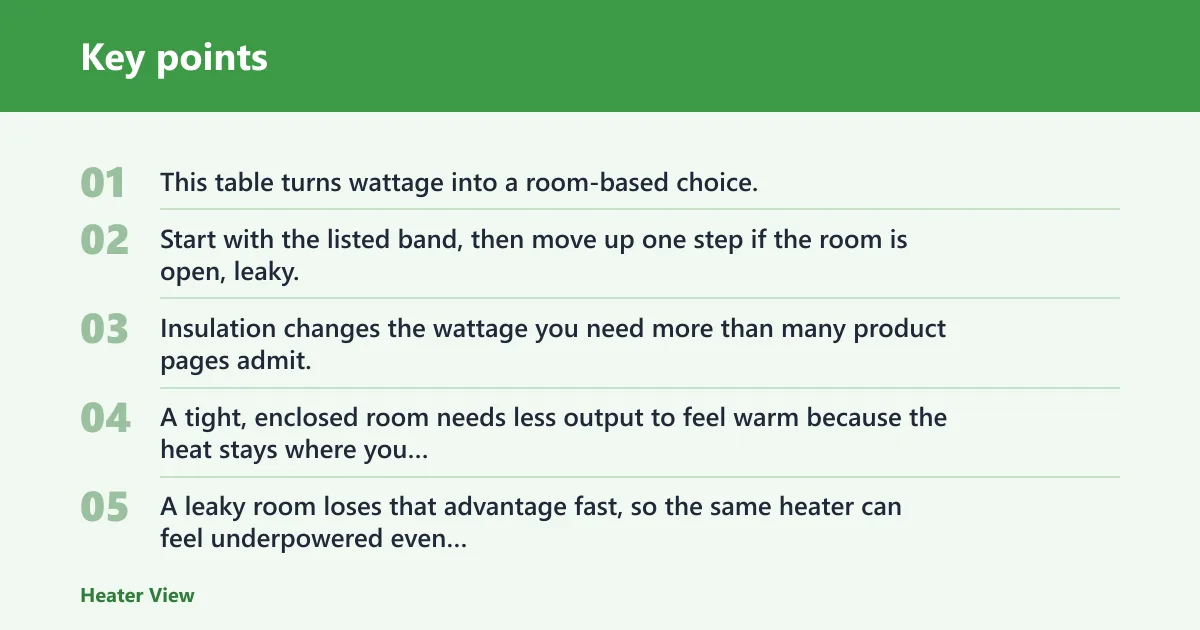
This table turns wattage into a room-based choice. Start with the listed band, then move up one step if the room is open, leaky, or has a taller ceiling than standard.
| Room size and conditions | Recommended wattage band | When to step up |
|---|---|---|
| Small room, enclosed, good insulation, standard ceiling | 700W to 1,000W | Move to 1,000W if the room is used for full-room heating rather than personal warmth. |
| Bedroom or office, average insulation, standard ceiling | 1,000W to 1,500W | Step up if the room is larger than about 100 to 150 square feet or has a weak envelope. |
| Medium room, enclosed, mixed insulation, standard ceiling | 1,500W | Use a higher-output or hybrid unit if the room is open to a hall or other rooms. |
| Large room, average insulation, taller ceiling | 1,500W and up | Choose a hybrid infrared plus PTC or convection model if the room is open-plan or drafty. |
| Garage, basement, or drafty space | 1,500W to high-capacity units | Step up quickly if doors open often, the ceiling is high, or the space is only partly enclosed. |
| Patio or outdoor area | High-output radiant unit, usually beyond typical portable room sizing | Use a unit rated for outdoor exposure; room wattage rules do not translate cleanly outdoors. |
How insulation changes the pick
Insulation changes the wattage you need more than many product pages admit. A tight, enclosed room needs less output to feel warm because the heat stays where you want it. A leaky room loses that advantage fast, so the same heater can feel underpowered even when the watt rating looks adequate on paper.
Ceiling height matters for the same reason. Higher ceilings increase the heated volume, and drafts move warm air away from the occupied zone. That is why a wattage band that works in one bedroom can disappoint in a garage or open loft.
When to step up to a hybrid unit
Choose a hybrid infrared plus PTC or convection unit when you need both fast radiant warmth and broader room tempering. Infrared-only models deliver direct warmth along the heat path, while hybrids help fill space more evenly once the room is open or the ceiling is high.
Eco mode can change how hard a unit runs, but it does not create more output. In practice, eco mode often cycles the heater or trims power draw after the set temperature is reached, which is useful in a closed room and less useful in a drafty one.
📊 The site describes compact infrared options as starting around $50. Source: Best Infrared Heaters (2026).
What does infrared heater wattage mean?
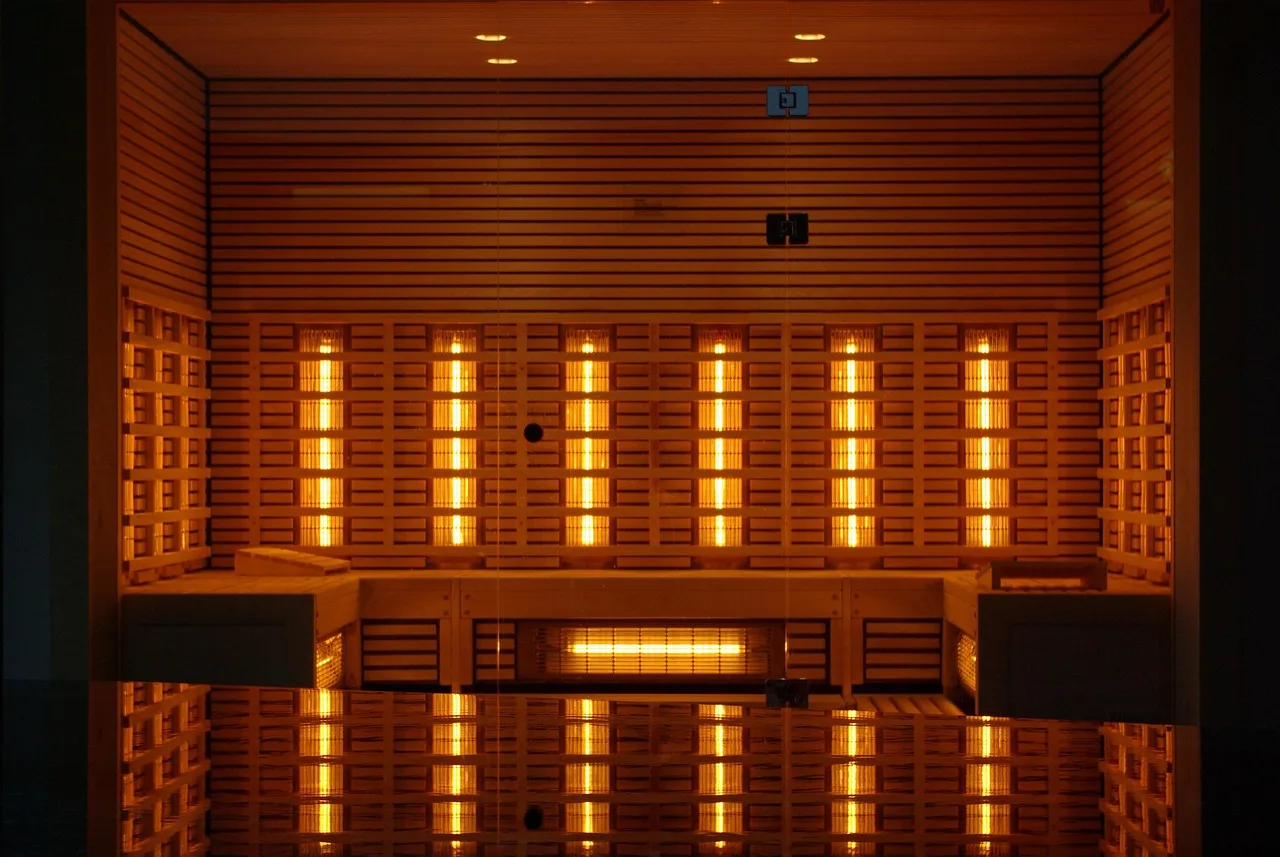
Infrared heater wattage is the electrical input the heater uses, and that usually tracks the amount of heat it can deliver. In practice, higher wattage expands the area that can feel warm, but room shape, insulation, and ceiling height decide whether that heat reaches you in a useful way.
Watts, heat output, and coverage
Infrared heaters warm objects directly rather than heating air first. That makes wattage matter differently here than it does with a fan heater. A 1,500W infrared heater can feel strong in a closed room, yet still leave the far side of a large open space cool.
Coverage claims help, but they are conditional and depend on room layout, insulation, and ceiling height. One reviewed 1,500W model is rated at 1,500W and covers up to 576 square feet, while another model is listed at 5,200 BTUs for 350 square feet. A wall-mounted infrared model is listed for 750 square feet, and a compact portable infrared model is listed for 150 square feet.
Spot warmth versus whole-room heat
Spot warmth and whole-room heating are different jobs. A 700W heater can be a strong choice for a chair-side zone or a small desk area, while whole-room heating usually needs more output and a better-sealed space. Buyers often expect one heater to do both, then find that the result depends on distance, layout, and leakage.
Say your office is 90 square feet with a standard ceiling and the door stays shut. A 700W unit can be enough for personal warmth near the desk. Put that same heater in a drafty basement corner, and the warmth drops off quickly because the room steals heat faster than the unit can replace it.
Is 1,500W too much?

No, 1,500W is not too much for many rooms, and it is commonly cited as the plug-in maximum for standard U.S. portable infrared heaters. It is the default ceiling for a lot of buyers because many home circuits and portable designs are built around that limit. The question is not whether 1,500W is excessive, but whether the room can make use of it.
Why many portable models stop at 1,500W
Many portable home models cluster around 1,500W because that output fits common residential plug-in use without moving into specialty wiring territory. Reviews On Board lists a 1,500W setting as ideal for larger rooms, and AENO places infrared heaters around 300-700W for lower-wattage use cases, with fan and convection heaters at 1500-2000W.
That spread shows why wattage alone can mislead. A portable infrared unit at 1,500W is already near the top of what many buyers expect from a standard plug-in heater, but an open space can still outrun it.
Best use cases for 1,500W
1,500W fits medium rooms, enclosed bedrooms, and many living spaces where the goal is steady room heating rather than a narrow warm zone. It is also the wattage most buyers will see when they want a single portable unit that can handle more than a small nook.
One product is described as starting in about three seconds after turning on, and another infrared heater is described as having six quartz elements. Those product traits can affect how quickly heat is felt, but they do not change the room math.
When 1,500W is still not enough
1,500W can still fall short in open-plan layouts, rooms with tall ceilings, and spaces that leak heat around doors or garage openings. In those settings, the heater may warm the near field well while the rest of the room stays uneven. That is a layout problem, not just a wattage problem.
What wattage works for a small room?
For a small room, start around 700W if you want personal or zoned heat, and move toward 1,000W if you want the heater to warm the whole room. The smaller and better sealed the room, the less wattage you need. Drafts and open doorways push you up the scale fast.
700W for personal heat
A 700W infrared heater is the lower-wattage option in this group, and it is best for a desk, reading chair, or other small zone. It is useful when you want warmth aimed at people or objects in a tight area, not when you need to raise the temperature across an entire room.
1,000W for compact enclosed rooms
The same source lists a 1000W setup for smaller areas, which fits the practical middle ground between spot heat and full-room heating. A 1,000W heater can make sense for a compact bedroom, a small office, or a closed basement nook where the room is enclosed and the ceiling is standard height.
One compact infrared model is listed for 150 square feet. That kind of rating makes sense for a small, contained room, but it should be read as a room-condition claim, not a guarantee for every layout.
Bedroom sizing rules
For a bedroom, the safest starting point is the room’s square footage, then adjust for insulation and ceiling height. A small bedroom with the door closed can work with 700W to 1,000W. A larger bedroom or one with poor seals usually belongs in the 1,000W to 1,500W range.
Compact infrared options start around $50, while high-capacity models can cost several hundred dollars. Price does not always track wattage cleanly, but higher-capacity units usually cost more because they are built for greater output or broader coverage.
How many square feet can 1,500W heat?
A 1,500W infrared heater can cover a wide range on paper, but real-world square footage depends on enclosure, ceiling height, and drafts. Those numbers are not interchangeable.
Enclosed rooms versus open layouts
In an enclosed room, 1,500W has a better chance of heating the occupied zone evenly. In an open layout, the same heater can lose its edge because heat spreads into adjoining spaces. That is why a large room with walls and doors can behave very differently from a loft with the same square footage.
Ceiling height and draft effects
Higher ceilings increase the volume that needs warming, and drafts strip heat from the area you actually use. A room with a 9-foot ceiling may need a higher wattage band than a same-size room with an 8-foot ceiling. Add a garage door gap or a basement leak, and the practical need rises again.
When coverage claims become unrealistic
Coverage claims become less useful when the room is open, exposed, or only partly enclosed. A heater listed for 576 square feet can still feel weak if the room has constant air movement. That is why you should compare the listing to the room shape, not just the floor area.
Suppose a 1,500W unit is moved from a closed 180-square-foot bedroom into a connected living and dining area with a hallway opening. The wattage has not changed, but the heating result does. The second room path needs either more output or a different heating mode.
When should you choose more than wattage?
Choose more than wattage when the room is open, the ceiling is high, or you need broader coverage than infrared-only heat can provide. Heating mode, thermostat control, and safety features all matter once the room size stops matching the heater’s best-case scenario.
Infrared only versus hybrid heating
Infrared-only units are best when you want direct radiant warmth in a defined zone. Infrared plus PTC or convection hybrids are a better fit when the room needs more even background heat. That difference matters more than a small wattage bump in many homes.
Eco mode and thermostat behavior
Eco mode usually lowers runtime or output after the target temperature is reached. A thermostat or temperature sensor keeps the heater from running flat out all the time. In a well-sealed room, that can improve comfort control. In a drafty room, the thermostat may cycle too often because the space keeps losing heat.
Safety features that matter
Before you choose wattage, check for tip-over shutoff, overheat protection, and a thermostat or temperature sensor. These features do not change the heat output, but they reduce risk and make high-output operation more practical in a home setting.
- Measure the room’s square footage and ceiling height.
- Decide whether you need spot warmth or whole-room heating.
- Check the room for drafts, open doorways, or shared space.
- Match the conditions to a wattage band, not a single watt number.
- Confirm safety features before you narrow the model choice.
Infrared heater use cases
Use case should lead the choice. A bedroom often benefits from lower output and tighter control, while a garage or basement usually needs more wattage and more tolerance for drafts. Outdoor and patio use need a different standard altogether because room coverage rules do not hold up the same way.
Bedroom
The goal is usually comfort while sleeping or resting, so steady control matters more than raw output. A closed door and reasonable insulation let a lower wattage heater do more work.
Large room
For a large room, 1,500W is the baseline many buyers compare first, but a hybrid or higher-output unit may be more realistic if the room is open or tall. Large rooms are where infrared heater wattage can disappoint if the buyer treats square footage as the only variable.
Garage, basement, or patio
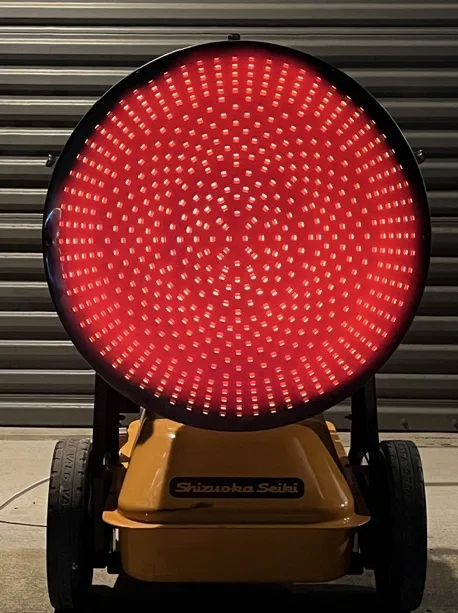
Garages and basements often need the upper end of portable output because they are draft-prone and less insulated. Patios and outdoor areas are different again; they may need a unit listed for outdoor use and greater radiant reach. Do not expect an indoor room wattage rule to hold outside.
Frequently asked questions
What is the best infrared heater wattage?
For most insulated rooms, 10 watts per square foot is a practical starting point, with 15 watts per square foot for average insulation and 20 watts per square foot for drafty or high-ceiling spaces. The best wattage depends on whether you want spot warmth, a bedroom heater, or broader whole-room heat.
Is 1500 watts too much for an infrared heater?
No. 1,500W is the common plug-in ceiling for many portable U.S. models, and it is a normal choice for medium and larger rooms. It becomes too much only when the room is tiny, tightly enclosed, and used for close-range personal warmth instead of room heating.
What wattage infrared heater do I need for a small room?
Start at 700W for personal heat or a small zone, then move to 1,000W if you want the heater to warm the full room. A small room with good insulation and a standard ceiling can often use either, but a drafty room usually needs the higher band.
How many square feet does a 1500 watt infrared heater warm?
The answer depends on the room. Enclosure, ceiling height, and drafts can make the same wattage behave very differently.
Is an infrared heater more efficient at lower wattage?
Lower wattage can be more efficient for personal or zoned heating because you are only warming the occupied area. That does not mean it heats more space. In larger or draftier rooms, a lower-wattage unit may run longer and still leave the room unevenly warm.
How good are infrared heaters for whole-room heating?
They can be good in enclosed rooms with sensible square footage and moderate insulation. They are less convincing in open-plan spaces, rooms with high ceilings, and drafty areas. Infrared works best when the heat path is short and the room helps keep that heat where you need it.
Infrared heater vs electric heater
Infrared heaters are electric heaters, but they heat objects directly rather than heating air first. That makes them feel different in use, especially for spot warmth. Compared with fan and convection heaters, they often need less wattage for the same immediate comfort in a defined zone.