Are Infrared Heaters Better Than Space Heaters?
Are infrared heaters better than space heaters? It depends: infrared is usually better for quick, targeted warmth in occupied spots, while a fan-forced space heater is better for heating a closed room. Pick based on room size, insulation, and how long you need heat. Choose wrong, and you can waste electricity, overheat a small room, or leave cold corners untreated. This guide compares comfort, efficiency, safety, noise, and room fit so you can choose the right heater for bedrooms, offices, garages, and short or long heating cycles.
How the two heating methods work
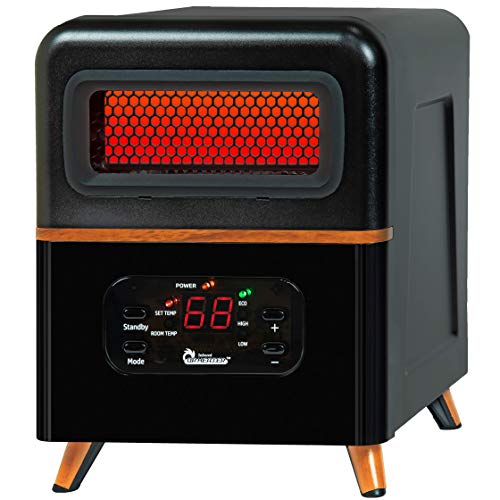


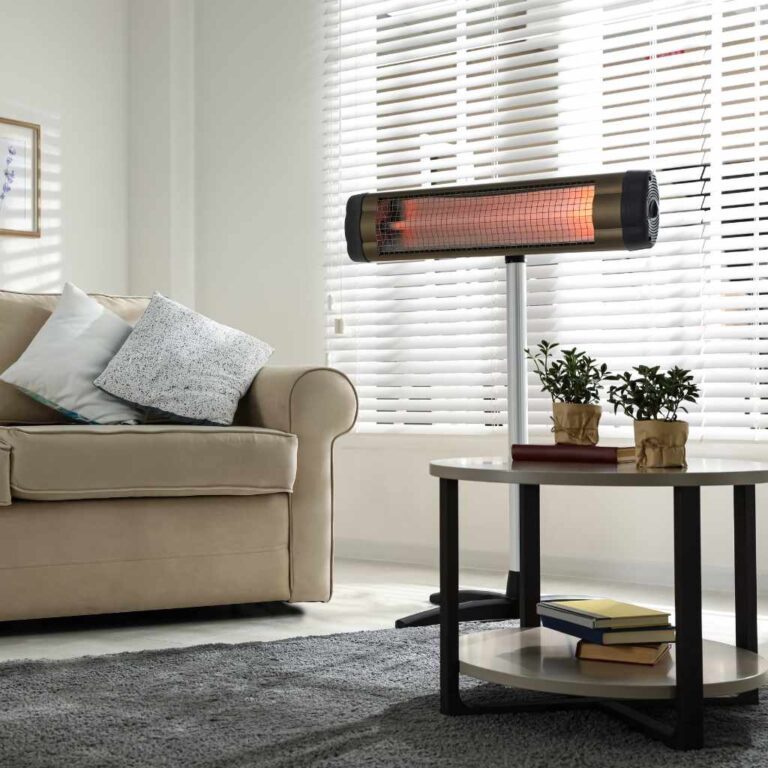
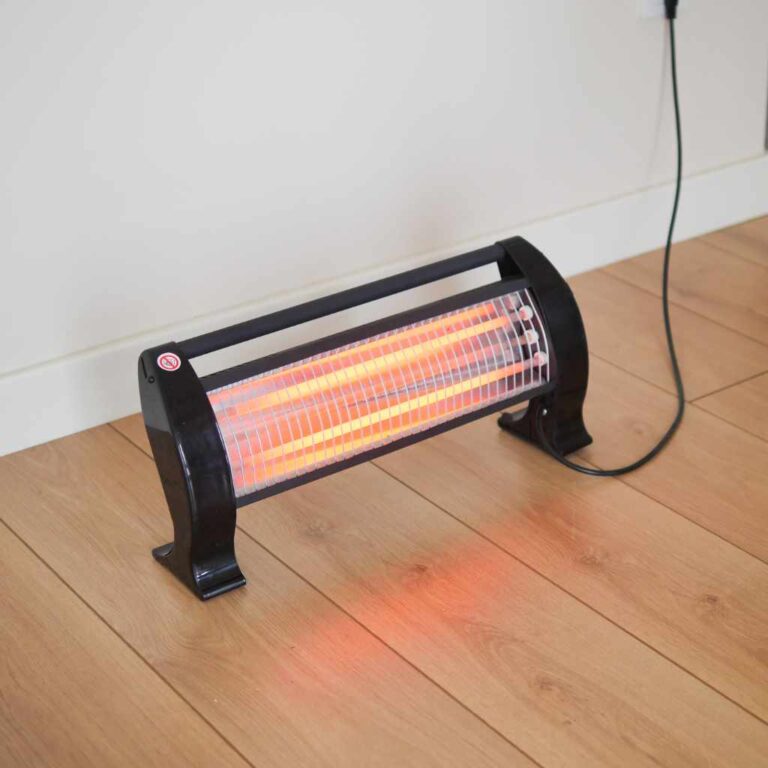
Infrared heaters use radiant heat. They send energy to people and objects in the line of sight, so the warmth feels immediate near the source. Typical space heaters warm air with convection or fan-assisted airflow, which often works better in enclosed rooms where the heated air can circulate and stay put.
That difference matters more than the label on the box. A small fan heater can feel stronger in a sealed bedroom, while an infrared unit can feel more effective in a drafty garage or an open sitting area because it depends less on air movement.
| Criterion | Infrared heater | Typical space heater |
|---|---|---|
| Heat delivery | Direct radiant heat to people and objects | Warms air first, then the room |
| Room fit | Best for drafty or open spaces, or one seated zone | Best for closed rooms that can hold warm air |
| Noise | Usually quiet unless a fan is built in | Fan-assisted models make more noise; oil-filled units are quieter |
| Safety profile | Needs clear line of sight and careful placement near hot surfaces | Needs clearance, tip-over protection, and overheat shutoff |
| Running cost | Can feel more efficient for spot heating | Can be better for whole-room heating in a closed space |
| Best use case | Drafts, garages, patios with cover, one desk or chair area | Bedrooms, offices, and small rooms that need even air warmth |
Are infrared heaters better for comfort?
Infrared heaters are often more comfortable when you want warmth aimed at your body, chair, or work zone. A space heater is often more comfortable when the goal is even air temperature across a closed room. The right choice depends on whether you want direct heat or a warmer room around you.
Direct radiant heat and line-of-sight warmth
Infrared waves are part of the electromagnetic spectrum. They are invisible to human eyes but felt as heat, and people can detect them that way even though the eye cannot see them. A remote control uses infrared light waves to change channels, which is the same broad band of energy, just at a very different power level. (NASA)
Because radiant heat moves from the heater to the object, the body can feel warm before the air in the room changes much. That is why infrared can feel good beside a drafty door, a garage bench, or a chair near the heater.
Why enclosed rooms can favor convection heating
Convection heating warms the air first. In a sealed bedroom or office, that can be an advantage because the warmed air fills the room and reduces cold corners. Fan-assisted space heaters push that warm air around faster, while an oil-filled radiator warms more slowly but spreads heat steadily without exposed elements.
Short version: if you want the room itself to feel evenly warm, convection often wins. If you want the person in one spot to feel warm first, infrared often wins.
Drafts, ceiling height, and seated-zone heating
Drafts move warm air away. High ceilings do the same. Infrared depends less on air movement, so it can feel more stable in a room with leaks, garage gaps, or a tall ceiling. That is also why a heater aimed at a desk or reading chair can feel effective even when the far side of the room stays cool.
Suppose a bedroom about 12 by 12 feet has a leaky window and the bed sits across the room from the heater. A fan heater may warm the air, but the draft can thin it out. An infrared unit aimed at the bed can still deliver direct warmth where you feel it.
Are infrared heaters more efficient than space heaters?
Sometimes, but only in the right use pattern. Infrared can be more efficient when you want heat aimed at one occupied spot, because less energy is spent warming unused air. A space heater can be more efficient when you need a closed room to warm evenly for a while. The room and schedule matter more than the label.
What efficiency means in real use
Efficiency here means how much useful warmth reaches the person or room you are trying to heat. An infrared heater wastes less of its output when the target is nearby and the room leaks air. A fan or convection heater wastes less when the room is closed, the heater is sized correctly, and the warm air can stay in place.
All objects emit some level of infrared radiation, and infrared heat is a type of electromagnetic radiation in the spectrum. That helps explain why radiant heating can feel immediate. It does not mean it automatically uses less electricity.
Spot heating versus whole-room heating
For desk work, a small infrared unit can be a strong choice because it heats the seated zone without trying to warm the whole room. For sleeping or long periods in a closed bedroom, a space heater often makes more sense because the goal is steady air warmth, not a hot patch in one direction.
A common first-timer mistake is choosing infrared for a closed office with no direct line of sight to the sitting area. The heater may be working, yet the comfort level stays uneven because the body is not in the beam and the room air is still cool.
When infrared can waste less heat
Infrared can waste less heat in open or drafty spaces because it does not rely on holding warm air in the room. It also helps when the heater is used for short bursts, such as warming a workbench before a task or taking the chill off a garage corner. In those cases, heating the person and objects is more useful than heating the whole air volume.
Are infrared heaters safer than space heaters?
Neither type is automatically safer. Both need clear space around them, stable placement, and overheat protection. Infrared heaters may run with hot surfaces or exposed radiant elements, while space heaters may include fans, hot grilles, or oil-filled surfaces. Safety depends on design, clearance, and how the unit is used.
Exposed elements and surface temperature
Infrared heaters can have very hot surfaces, especially some electric and gas-powered variants. That raises the importance of keeping fabric, paper, and furniture away from the heater. Space heaters can also get hot, even when the heating element is not visible, so the safest assumption is that any heater can burn skin or ignite nearby material if placed poorly.
Placement, clearance, and tip-over risks
Place either heater on a flat, stable surface with the manufacturer’s required clearance. Keep it away from curtains, bedding, and stackable clutter. A floor unit in a walkway is a tip-over risk. A desk unit too close to papers or cords is a fire risk. Room-size matching matters because a heater that is too strong for a small room can raise surface temperatures faster than expected.
-
Check the room size first. Match the heater to the space, not the other way around. A small bedroom or office usually needs less output than a garage or open basement zone.
-
Choose the heat style. Use infrared for direct, line-of-sight warmth. Use a fan or convection unit if you need air to spread heat through a closed room.
-
Verify the safety features. Look for tip-over shutoff, overheat protection, and a stable base. For fan units, a thermostat can help avoid unnecessary cycling.
-
Keep clearance around it. Leave open space on all sides and keep combustibles away. The exact distance should follow the product label, because models vary.
Safety features to look for in either type
For any portable electric room heater, useful features often include tip-over shutoff, overheat protection, and an automatic thermostat. For bedrooms and offices, a quieter model can also matter because people tend to place noisy units too far from where heat is needed, which can reduce comfort and tempt unsafe repositioning.
Infrared heater scenarios text matrix
This matrix turns the choice into room-by-room guidance. Use it to compare the heater type against the situation, the likely downside, and the feature that matters most when you shop.
| Scenario | Best heater type | Why it wins | Likely downside | Feature to look for |
|---|---|---|---|---|
| Drafty room | Infrared heater | Radiant heat reaches people and objects without waiting on warm air to stay in place | Cold corners can remain cold | Adjustable aim and stable mounting or stand |
| Sealed bedroom | Typical space heater | Convection or fan-assisted heat can warm the room more evenly | Fan noise or uneven output if undersized | Thermostat, overheat shutoff, and quiet operation |
| Desk heating | Infrared heater | Direct heat is useful for one seated zone and does not need the whole room to warm up | Little benefit if the beam misses the body | Precise aim and low-to-moderate output |
| Garage work zone | Infrared heater | Less dependent on air movement, so it can feel useful in a drafty workspace | Open layouts can leave far areas cool | Wide coverage angle or directional element |
| Supplementing central heat | Typical space heater | Better for adding even warmth to a room that already has some heat | May need time to warm the air | Quiet fanlike operation or oil-filled body |
| All-day use | Oil-filled radiator or quiet space heater | Steady whole-room comfort with less attention to aim | Slower warm-up than a fan unit | Thermostat, stable casing, and no exposed heating element |
Choose infrared heaters if… / Choose space heaters if…
Choose infrared if you need direct heat in an open or drafty space, want warmth aimed at one seated zone, or need fast comfort without waiting for the whole room air to catch up. Choose a space heater if you want more even warmth in a closed room, need to supplement central heat, or plan to heat a bedroom for long stretches.
Choose infrared heaters if…
- You heat one person, one chair, or one bench.
- Your room has drafts, a garage opening, or high ceilings.
- You care more about feeling warm now than warming the whole room evenly.
- You want a heater that can feel effective in short, targeted sessions.
Choose space heaters if…
- You want the air in a closed room to warm evenly.
- You need a bedroom or office heater for longer periods.
- You want quieter steady heat from an oil-filled radiator.
- You want fast warm-up from a ceramic heater or fan-assisted model.
Wirecutter recommends the Vornado VH240 as the best space heater, and the Vornado VH200 has a five-year warranty. For smaller rooms, Wirecutter says the Lasko 754200 is better for a small bedroom or office than a large room, and describes it as a powerful, cheap, reliable space heater. Those references fit the broader rule: room size and layout matter as much as heater type.
Where ceramic, oil-filled, and fan-assisted models fit
Ceramic heaters fit small rooms or desks because they warm up fast and send a focused hot-air stream. Oil-filled radiators fit longer sessions because they spread heat evenly and have no exposed heating elements. Fan-assisted models fit when you want quicker air movement through the room, even though they usually make more noise than a radiator.
Frequently asked questions
Are infrared heaters better than electric heaters?
Infrared heaters are a kind of electric heater when they use electricity, so this comparison is really about heating style. They are better for direct, line-of-sight warmth and drafty areas. Other electric heaters, especially ceramic and oil-filled models, can be better for even room heating or longer use.
Are radiant heaters more efficient than space heaters?
Radiant heaters can be more efficient when you only need one occupied zone warm. They send heat directly to the body and nearby objects, so less energy goes into the air. For a closed room that you want to warm evenly, a convection or fan-assisted space heater can be the better use of energy.
Are infrared heaters better than electric radiators?
They are better for different jobs. Infrared is stronger for direct warmth in open, drafty, or seated-zone settings. An electric radiator, especially an oil-filled radiator, is often better when you want slower but steadier whole-room heat with no exposed element and less attention to aiming.
Are infrared space heaters better?
They can be, but only when the room and use pattern match the heater type. Infrared space heaters are useful for direct warmth in one spot, while fan or convection space heaters can do a better job in closed bedrooms and offices. The best choice depends on insulation, room size, and how long the heat will run.