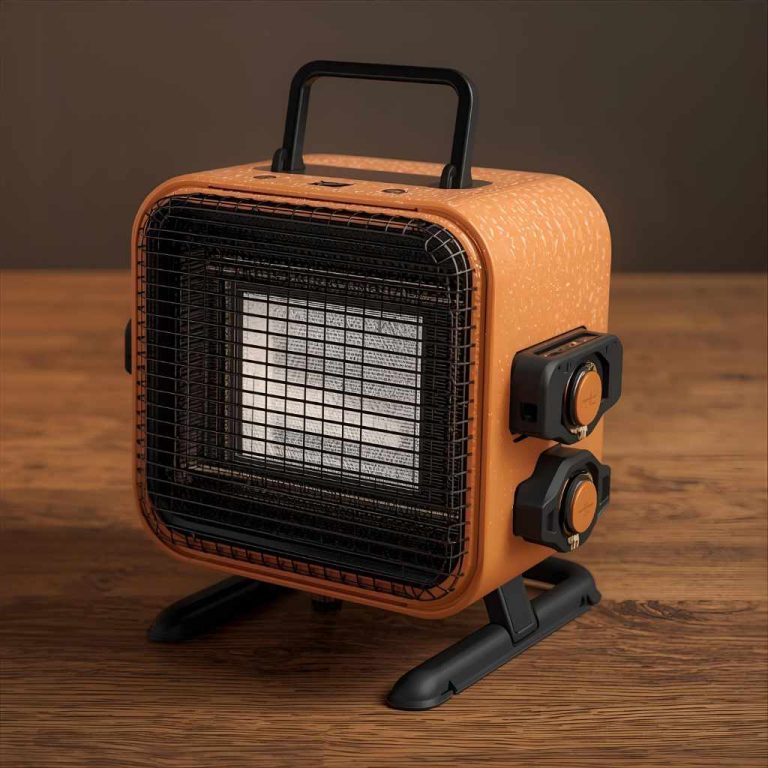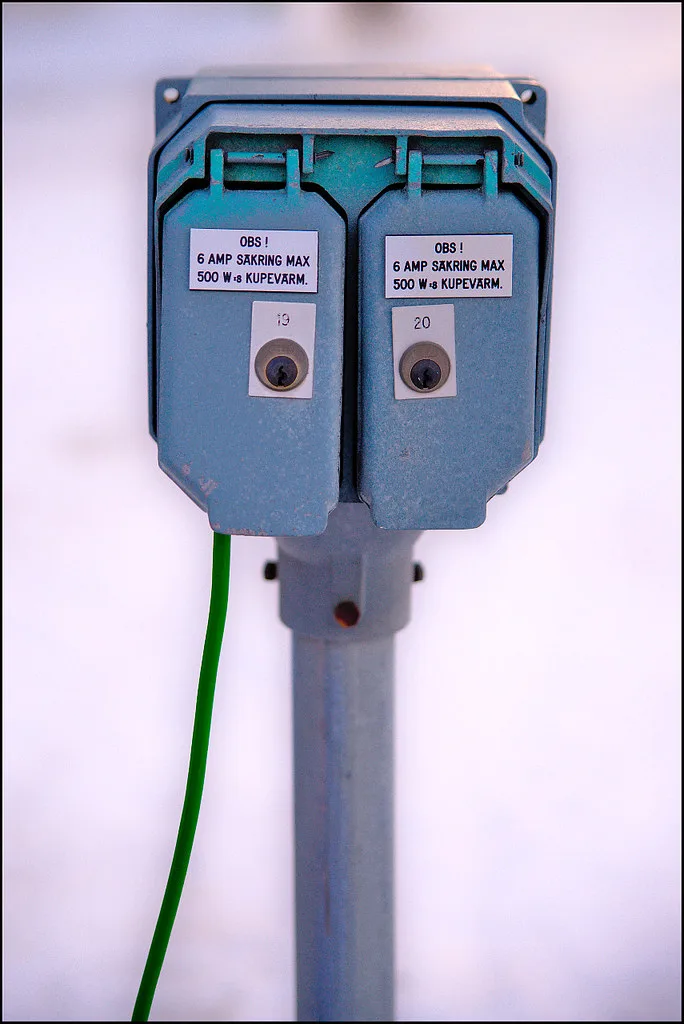
Best Block Heaters for Cold Weather Commuting Guide
For cold-weather commuting, the best block heaters are a 400–600W oil-pan style for cars and light trucks, a magnetic heater for quick temporary use, and a coolant heater for the hardest winters or diesel engines; choose by where the vehicle parks, how long it sits outside overnight, and how easy the outlet is to reach. Pick wrong, and mornings get messy fast: slow cranks, rough idle, flat batteries, and a chilly cabin on the drive in. This guide ranks the main block-heater types by vehicle fit, climate severity, install effort, safety, and weekday convenience.
Quick picks: best block heaters by commute type
For many daily commuters, a plug-in block-heater style may be the most practical option, especially when the car already parks near an outlet and weekday use matters more than quick removal. If the vehicle is a diesel truck, farm rig, or heavy-duty work truck, a magnetic heater is the faster on-and-off option.
- Best overall for daily commuters: Zerostart engine block heater
- Best for diesel trucks and heavy-duty use: Kat’s 1190X magnetic heater
- Best for easy install and removal: Magnetic engine heater
- Best for the coldest parking conditions: A plug-in block heater with stable outlet access and thermostat control
According to The 10 Best Block Heaters to Keep Your Engine Warm — The heater requires 120V AC power.
What is the best block heater for cold weather commuting?
The best block heater for cold-weather commuting is the one that matches your parking setup first and your engine second. If you have overnight outlet access, a plug-in block heater is usually the least annoying choice. If you park away from power or switch vehicles often, a magnetic heater is easier to live with.
Why the top pick depends on parking access and plug access
Engine block heating can reduce cold-start strain, help warm engine oil, and support winter reliability. That matters most on weekday mornings, when a few minutes of prep already feels long. A heater only helps if you can use it every night without fighting cords, ice, or awkward parking angles.
How to sort buyers by vehicle type and winter severity
For cars and light trucks in moderate cold, a plug-in block heater is often a practical choice because it is predictable and hands-off. For diesel engines, trucks, heavy equipment, and farm machinery, a magnetic unit makes more sense when attachment speed and removal matter more than permanent installation.
In harsher climates, convenience matters less than reliability. If the vehicle sits outside in deep cold, the better choice is the heater you will keep plugged in consistently, routed safely, and protected from weather exposure.
When convenience matters more than raw heat output
Many commuters do not need the hottest option. They need the option they will use before 6 a.m. every day. A heater that is simple to leave connected, simple to trust, and simple to route safely often beats a more powerful unit that gets ignored after the first annoying cord tangle.
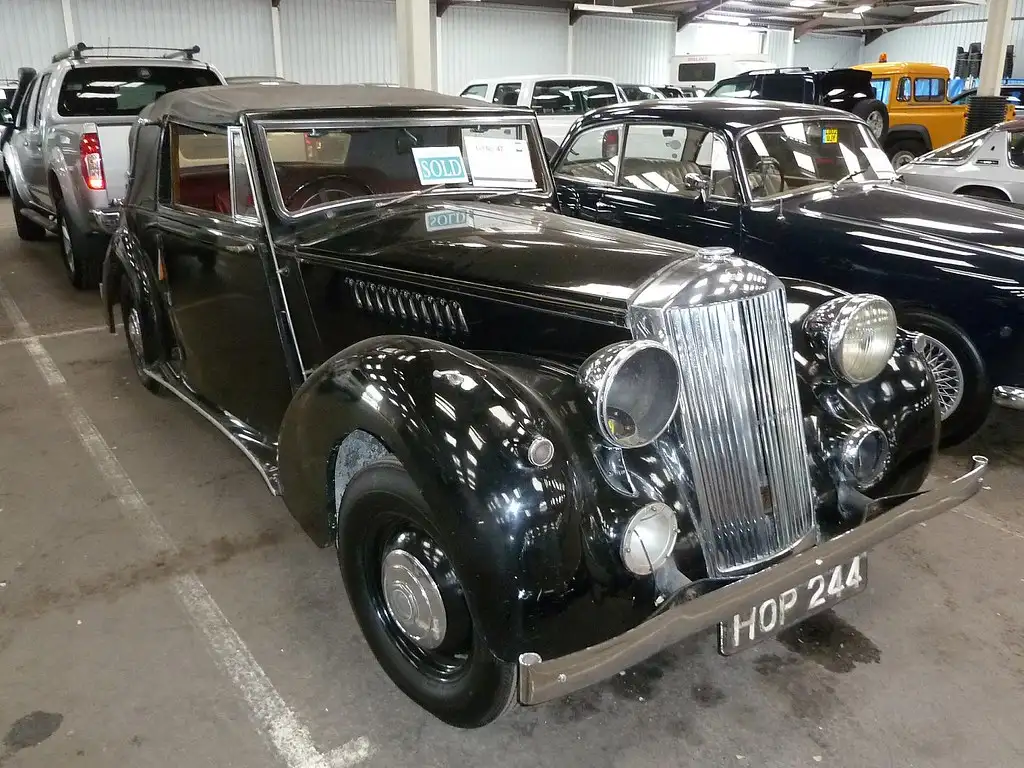
Top pick: Zerostart engine block heater
The Zerostart engine block heater is the best fit for most daily commuters because the block-heater form factor pairs well with routine winter use. It is designed for plug-in operation, which suits drivers who park near a 120V AC outlet and want a low-effort morning start.
Why this plug-in block-heater format fits weekday use
Plug-in block heaters work because they warm the engine before cranking. That means less strain on the starter, less thickened oil fighting the first spin, and less wait time for the cabin to begin warming. For commuters, that is usually the right tradeoff: a bit of overnight electricity for a calmer start.
Who should buy it
Buy this style if you drive a car, SUV, or light truck and have consistent outlet access where the vehicle parks. It is also a better choice than a magnetic unit for drivers who want a set-and-forget routine instead of attaching and removing hardware every morning.
Where it falls short
The downside is convenience during setup. If the parking spot makes cord routing a hassle, the advantage shrinks fast. A plug-in heater also depends on a safe, reachable outlet and a cord path that avoids standing water, snowbanks, and pinch points.
Magnetic engine heater: best for trucks and diesel engines
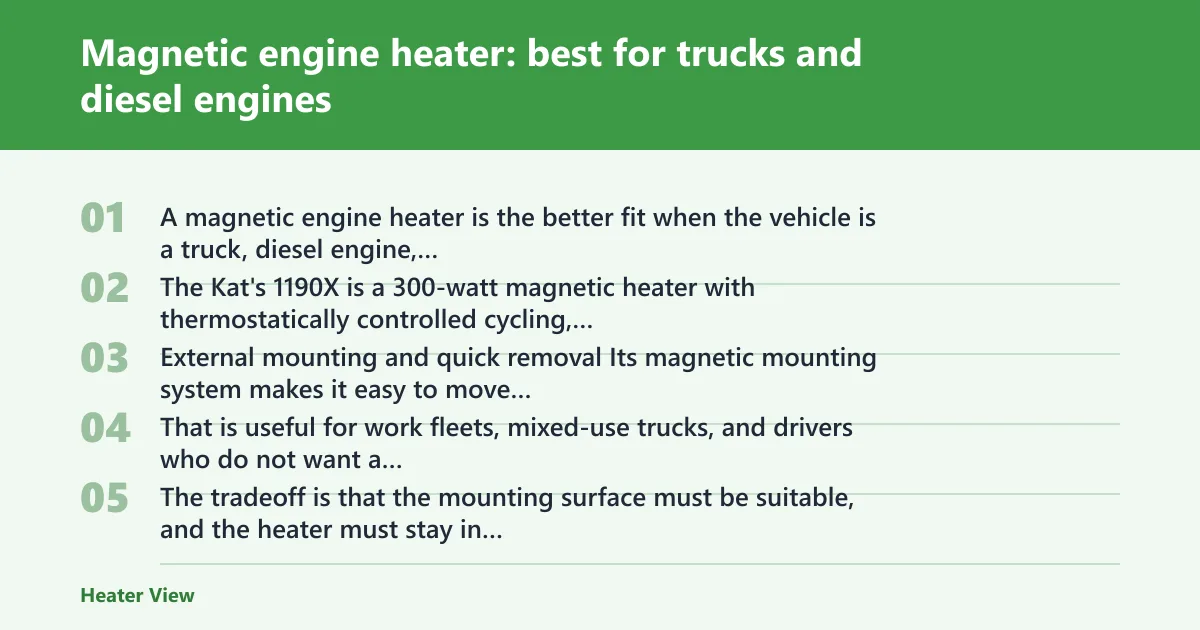
A magnetic engine heater is the better fit when the vehicle is a truck, diesel engine, or farm machine and the driver wants quick attachment and removal. The Kat’s 1190X is a 300-watt magnetic heater with thermostatically controlled cycling, CSA approved status, and 120V AC power requirements.
External mounting and quick removal
Its magnetic mounting system makes it easy to move between vehicles or remove when the season changes. That is useful for work fleets, mixed-use trucks, and drivers who do not want a permanent install. The tradeoff is that the mounting surface must be suitable, and the heater must stay in firm contact.
Thermostatic control, efficiency, and safety
Thermostatic control matters more than many buyers realize. Automatic cycling means the heater turns on and off as needed instead of running nonstop, which helps manage power use and reduces unnecessary heat exposure. That is especially helpful on long winter nights and in safety-conscious setups.
Best-fit use cases and common drawbacks
This style fits diesel trucks, heavy equipment, and farm machinery well. It is less attractive for compact daily commuters who want the simplest possible routine. Magnetic heaters also underperform when park time is short, when the mounting surface is awkward, or when the cord path is exposed to snow, slush, or traffic.
What does 300 watts mean in real winter use?
Three hundred watts is a useful heating level for diesel engines and heavy equipment, especially when the goal is easier starting rather than a fully warmed engine. It supports cold-weather starting by softening the first crank and reducing oil drag, but it will not turn a frozen engine bay into a warm garage.
Adequate for diesel engines and heavy equipment
For larger engines, 300 watts is a practical middle ground. It is enough to help engine block heating do its job, especially when the heater is left on for a proper overnight window. That makes it a sensible fit for trucks and machinery that sit outside in serious cold.
What it can and cannot do for startup ease
It can reduce the shock of a cold start. It cannot overcome every limit created by severe weather, poor insulation, or short plug-in time. If a driver expects a 300-watt unit to produce fast cabin heat or near-instant warm oil in extreme cold, the expectation is too high.
How warm-up expectations change with extreme cold
In milder winter conditions, the benefit may be obvious after a few hours. In harsher conditions, the gain is more about reliability than comfort. The engine starts with less strain, but the first miles may still feel cold until the rest of the powertrain and cabin catch up.
Comparison table: choose by vehicle, climate, and plug access
| Heater type | Vehicle class | Typical winter severity | Power source needs | Install effort | Most common failure mode |
|---|---|---|---|---|---|
| Plug-in block heater | Cars, SUVs, light trucks | Moderate to severe cold | 120V AC outlet; often extension-cord dependent | Moderate; permanent or semi-permanent install | Poor cord routing or no outlet access |
| Magnetic engine heater | Trucks, diesel engines, farm machinery | Moderate to severe cold | 120V AC power; extension cord often needed | Low; quick attachment/removal | Weak mounting surface or poor contact |
| Coolant heater | Hard-use diesel and very cold parking | Severe to extreme cold | Dedicated plug-in power | Higher; more involved setup | Used inconsistently because install feels inconvenient |
How to choose the right block heater
Start with the engine, then work backward from your parking space. The right heater is the one you can use safely every cold morning, not the one with the loudest spec sheet. Pay attention to wattage, outlet access, mounting style, and whether the vehicle sits outside overnight.
How many watts should a block heater have?
Choose wattage based on engine size, climate severity, and how much overnight heat you need. A 300-watt heater is a solid fit for diesel engines and heavy equipment when the aim is easier starting. Smaller daily drivers often do better with a moderate-output unit that matches their parking time and cold exposure.
What makes a safe block heater?
CSA approval is an important North American safety signal. It tells buyers the unit meets a recognized safety standard, which matters when a heater runs near snow, salt, and long extension runs. Safety also depends on cord routing, dry outlet placement, and keeping connections out of standing water.
Look for these practical safety points:
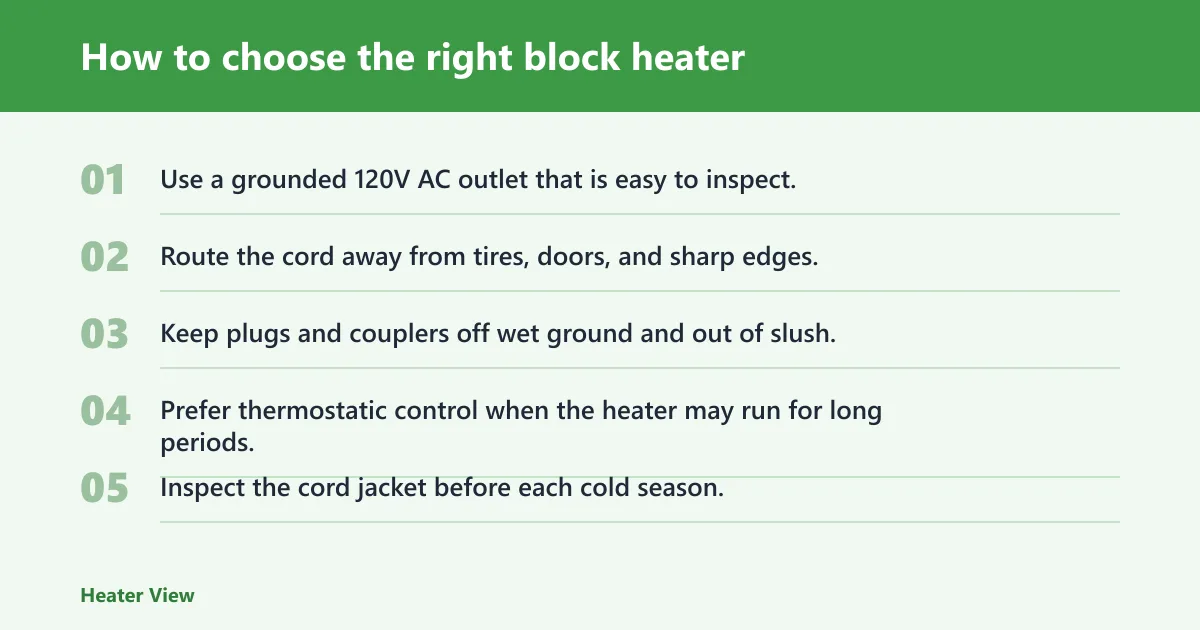
- Use a grounded 120V AC outlet that is easy to inspect.
- Route the cord away from tires, doors, and sharp edges.
- Keep plugs and couplers off wet ground and out of slush.
- Prefer thermostatic control when the heater may run for long periods.
- Inspect the cord jacket before each cold season.
Plug-in heater or magnetic heater?
Choose plug-in if your vehicle parks near power every night and you want the simplest morning routine. Choose magnetic if you need quick removal, if the vehicle is a truck or diesel, or if permanent installation is not worth the time. Magnetic models win on flexibility; plug-in models win on habit.
Will it help fuel efficiency and cold starts?
It can improve cold starts, and that alone is a real win. By reducing cold-start strain and pre-warming engine oil, the heater can cut the roughest part of winter operation. Fuel savings may happen, but they should be treated as secondary rather than promised as a big payoff.
What block heater is easiest to install?
A magnetic heater is often among the easiest block heaters to install because it attaches externally and avoids a deeper engine-side install. That said, easy installation is not the same as best commuting fit. If you have reliable outlet access, a plug-in block heater may be easier to live with all season.
Install effort versus weekday convenience
Magnetic heaters are quick to mount and remove. Plug-in heaters ask for more setup but often pay it back through lower daily fuss. For commuters, the better question is not “Which installs fastest?” but “Which one will still feel easy on a freezing Tuesday in February?”
Frequently asked questions
How many watts should a block heater have for my vehicle?
Match wattage to engine size and weather severity. A 300-watt heater is a practical choice for diesel engines and heavy equipment. Smaller cars and light trucks often do well with moderate-output units, especially if they are plugged in long enough overnight to pre-warm the engine.
Are magnetic block heaters good for daily winter use?
Yes, if the vehicle is a good fit and the parking situation supports it. Magnetic block heaters are handy for trucks, diesel engines, and machinery that need quick attachment and removal. They are less convenient when the surface is awkward or the cord path is exposed.
Do block heaters work for diesel trucks and heavy vehicles?
Yes. Diesel trucks, heavy equipment, and farm machinery are classic use cases. A magnetic heater with thermostatic cycling is often a practical match because it supports winter starting without a permanent install. The key is enough plug-in time and a safe route to power.
What should I look for in a safe block heater?
Look for CSA approval, thermostatic control, and a cord setup you can route safely. A unit that runs from 120V AC power should have clean, dry connections and a dependable outlet. Avoid poor cord placement, because winter moisture and traffic damage are common problems.
Can a block heater improve cold starts and fuel efficiency?
It can improve cold starts by reducing the strain of turning a cold engine and by helping pre-warm engine oil. Fuel efficiency gains are possible but should not be the main reason to buy one. The more dependable benefit is easier starting and less winter wear.
How do I choose between a plug-in block heater and a magnetic heater?
Choose plug-in if you park near power every night and want the most routine-friendly setup. Choose magnetic if you need quick removal, drive a diesel or truck, or move the heater between vehicles. The right answer usually depends more on parking access than on raw heat output.