Are Ventless Heaters Safe Without Windows Open Indoors?
Truly ventless electric heaters are safe with windows closed; gas-fired ventless heaters are only safe in a room that meets the manufacturer’s room-size and oxygen-depletion rules, and if the label says “open window,” follow that. Ignore that, and you risk carbon monoxide, oxygen drop, and a heater that is unsafe in the exact room you wanted to warm. This guide separates electric from gas ventless heaters and gives a simple sealed-room decision rule for bedrooms, offices, basements, and small spaces.
Are ventless heaters safe without windows open?
For electric models, yes. They do not burn fuel, so a closed window is not the issue. For gas-fired ventless heaters, no blanket yes exists; safety depends on room size, air exchange, detector setup, and the heater label. In a tight room, closed windows raise the risk fast.
Quick answer for electric ventless heaters
A truly ventless electric heater does not need outside air to burn because there is no combustion. It can run in a closed room, as long as the unit has proper clearance from fabrics and the electrical circuit is suitable. Heat, not exhaust, is the issue.
Quick answer for gas-fired ventless heaters
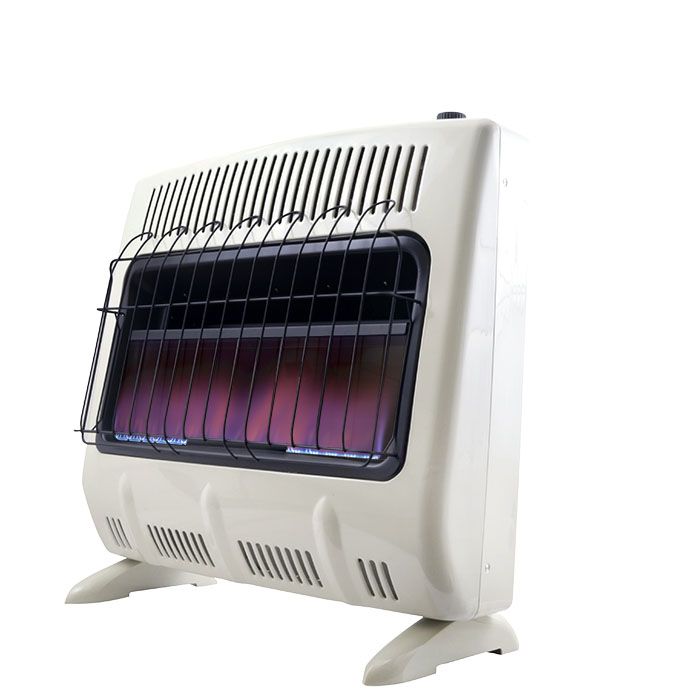
A ventless gas heater is a different device. Blue flame ventless heater models commonly run on propane or natural gas, and they burn indoor oxygen while producing combustion byproducts. If the room cannot exchange air well enough, treat it as unsafe without added ventilation and the right detectors.
Why the window question matters
The window is not a ritual. It is a proxy for fresh-air exchange. If a room is sealed tight, oxygen can fall and byproducts can build faster than many owners expect. A cracked window may help, but it is not a substitute for the room-size rules on the rating plate.
According to Ventless Air Conditioner: What It Is, How It Works, and … — The HVAC Blog says ventless coolers can lower air temperature by 5°F to 15°F.
What counts as a ventless heater?

The label means different things depending on fuel source. Electric ventless heaters move heat into the room without burning anything. Ventless gas heaters burn propane or natural gas indoors, so they can create carbon monoxide, nitrogen dioxide, and water vapor even when the flame looks clean.
Ventless electric heaters
These units do not need a window open because they do not consume oxygen. Their main risks are burns, electrical load, and fire clearance. If a room is dry and the heater is working normally, the safety question is mostly about placement, wiring, and keeping clothes, bedding, paper, rugs, and other fuel items away.
Ventless gas heaters
These units are designed for indoor combustion. That means the room itself becomes part of the fuel system. Even a clean-burning blue flame ventless heater still produces combustion byproducts, and Oxygen Depletion Sensor devices only react after oxygen falls far enough to trigger shutoff.
Why the fuel source changes the safety answer
The safety answer changes because electric heat does not use room air. Gas heat does. That single difference is why the same “ventless” label can describe two very different room-risk profiles. A closed office might be fine for one and a poor choice for the other.

Why a closed room changes the risk

Closed rooms reduce the margin for error. A gas flame needs oxygen, and a small or tightly sealed room can lose usable air before anyone notices a problem. The failure mode is simple: the heater may still look normal while the room air gets worse.
Oxygen use during combustion
Ventless gas heater models draw oxygen from the room to keep the flame going. If the room cannot replace that air well enough, combustion quality can slip. That is when safety concerns rise, even if the heater has an automatic shutoff feature.
Carbon monoxide, nitrogen dioxide, and moisture
Ventless heaters can release carbon monoxide, water vapor, and nitrogen dioxide. Carbon monoxide is odorless. Water vapor raises humidity. In a tight room, those byproducts are harder to dilute, which is why a heater that seems fine in a larger area can be a poor fit in a sealed one.
When room size and air exchange start to matter
The smaller and tighter the room, the less buffer you have. A large living area with steady air exchange is not the same as a shut bedroom, basement office, or storage room. If the air in the room stays still, treat the setup with suspicion.
| Room type | Electric ventless heater | Gas-fired ventless heater | Default reading |
|---|---|---|---|
| Living room with normal air exchange | Usually acceptable | Only if the heater label and room rules allow it | Check clearances and detectors |
| Small bedroom with door closed | Usually acceptable | High concern | Treat as unsafe unless the manual allows it and ventilation is adequate |
| Basement office with little fresh air | Usually acceptable | High concern | Do not assume a cracked door is enough |
| Storage room or utility closet | Usually acceptable only if clearances are met | Unsafe default | Too enclosed for fuel-burning heat |
| Bedroom used for sleep | Usually acceptable if safe clearances are maintained | Do not sleep with it on | Turn off before sleep |
Do ventless gas heaters need a window cracked open?
Sometimes, but a slightly open window is not always enough. A little outdoor air can help a gas-fired ventless heater, yet it may still be wrong for the room if the space is too small, too sealed, or used for sleeping. The heater label sets the floor, not the ceiling.
What a cracked window can and cannot do
A cracked window can improve fresh-air exchange. It may reduce oxygen drop and help dilute moisture and byproducts. It cannot turn a poor room into a good one if the room is tiny, the heater is oversized for the space, or the door stays shut for long periods.
When ventilation is still not enough
Ventilation is not enough if the room is essentially a box. Examples include a sealed bedroom, a small basement room, or a tight office with no real air movement. If the heater relies on room oxygen, the space must be able to replace that air continuously.
Room types that raise concern
Bedrooms, nurseries, small guest rooms, windowless basements, and storage rooms are the first places to question. These rooms often have closed doors, limited return air, and little traffic. That combination is bad news for fuel-burning heat.
What safety sensors and detectors should you have?
For gas-fired ventless heaters, you need more than a flame and a marketing label. An Oxygen Depletion Sensor can shut the heater off when oxygen gets too low, but it is a backup shutoff. A carbon monoxide detector belongs nearby because CO cannot be seen or smelled.
Oxygen Depletion Sensor limits
An Oxygen Depletion Sensor is a common safety feature on blue flame ventless heaters. It can shut the heater off when oxygen level becomes too low. That is useful, but it is not permission to run a gas heater in any closed room. It reacts after risk has already begun.
Carbon monoxide detector placement
A CO detector is required indoor safety gear near fuel-burning heaters. Keep one near rooms with a ventless gas heater, and place it according to the detector instructions so it can alarm before the hazard spreads. Do not bury the heater in a room with no detector at all.
What to check on the heater before use
Look for the gas type on the label, the room-size limits, the need for added ventilation, and any instructions tied to sleeping use. If the label calls for an open window, a certain room size, or a detector nearby, those are hard limits, not suggestions.
How to use a ventless heater safely in the room
Room use is where many owners get casual. That is a mistake. The safest setup starts with clear space around the heater, then moves to detector placement, then ends with a firm rule about leaving the room or going to sleep. Fuel-burning heat needs discipline.
Indoor clearance from fabrics and furniture
Keep clothes, furniture, bedding, fiber rugs, mattresses, paper, and oil away from the heater. These are combustible items, and they can become a fire problem faster than people expect. If a heater is near a bed, couch, or rug, move it.
Why unattended or sleep-time use is a bad idea
Using a ventless propane heater while sleeping is described as highly risky. The same caution applies when leaving the room. The safest rule is blunt: turn propane heaters off when leaving the room or going to sleep. Do not treat overnight heat as routine.
Basic inspection habits for gas lines and the unit
Check the hose, fittings, and body for damage, looseness, or signs of wear before use. If the flame looks wrong, the unit smells odd, or the room feels unusually moist, shut it down and inspect it. A small defect can change the room’s safety quickly.
One-page sealed-room safety checklist
Use this as a room-by-room decision rule. If the answer is “no” to any line for a gas-fired ventless heater, treat the room as unsafe without a better setup. Electric ventless heaters do not need this combustion check.
Oxygen and ventilation check
- Is the heater electric? If yes, a closed window is usually fine.
- If it burns propane or natural gas, does the room meet the label’s room-size and ventilation rules?
- Can the room exchange air well enough, or is it sealed tight?
- If the label says open a window, is that window actually open?
Detector check
- Is there a CO detector nearby?
- Is the detector installed where it can warn about fuel-burning heat in that area?
- Has the detector been tested and kept in working order?
Clearance check
- Are clothes, furniture, bedding, fiber rugs, mattresses, paper, and oil far enough away?
- Is the heater away from curtains, beds, sofas, and stored boxes?
- Is the unit stable and not crowded by objects?
Sleep and leak response check
- Will the heater be off before sleep?
- Will it be off before leaving the room?
- If gas leakage is suspected, is everyone ready to leave and call 911 immediately?
What to do if you smell gas or suspect a leak
Do not keep testing the heater. Do not assume the smell will pass. Shut off the source if you can do so safely, leave the area, and call 911 immediately if gas leakage is suspected. That is the right response for propane or natural gas concerns.
Immediate shutoff steps
Turn the heater off. If the supply valve is reachable without risk, shut it off too. Do not flip switches that could create a spark if gas is present. Leave the space as soon as the shutoff is handled.
When to leave the room
Leave right away if you smell gas, feel lightheaded, hear hissing, or the heater behaves oddly. A closed room is no place to wait and see. Move everyone out, including pets, and do not restart the heater.
When to call 911
If gas leakage is suspected, call 911 immediately. That instruction is simple because delay is costly. Even if the smell is faint, treat it seriously. A suspected leak is not a maintenance note; it is an emergency.
Frequently asked questions
Can you use a ventless gas heater in a closed room?
Only if the room meets the heater’s room-size and ventilation rules and has the needed detectors. A closed room is not automatically safe for a fuel-burning heater. If the space is small, sealed, or used for sleep, treat it as unsafe unless the label and airflow say otherwise.
What safety sensors do ventless heaters need?
For gas-fired models, an Oxygen Depletion Sensor is a common safety feature, but it is not enough by itself. A CO detector should be nearby as well. Electric ventless heaters generally do not need combustion sensors, but they still need overheat protection and proper electrical setup.
Can a ventless heater cause carbon monoxide poisoning?
Yes, a ventless gas heater can sometimes do that. It burns fuel indoors and can release carbon monoxide if combustion is incomplete or the room is too enclosed. Electric ventless heaters do not create carbon monoxide from fuel combustion, so the fuel source matters.
Is it safe to sleep with a ventless heater on?
No for gas-fired ventless heaters. Sleeping with a ventless propane heater on is described as highly risky, and the safer rule is to turn propane heaters off before going to sleep. Electric ventless heaters do not have combustion risk, but clearances and electrical safety still matter.
Do ventless heaters release moisture into the room?
Gas-fired ventless heaters do. They can release water vapor along with carbon monoxide and nitrogen dioxide. That extra moisture can make a room feel damp and can be a problem in tight spaces. Electric ventless heaters do not add combustion moisture because they do not burn fuel.
How do I know if my ventless heater is unsafe?
For a gas model, the warning signs are simple: the room is sealed, the label asks for more ventilation, the CO detector is missing, the heater sits near combustibles, or the unit is used while sleeping. If any of those are true, treat the setup as unsafe until corrected.