Carbon vs Ceramic Infrared Heaters: A Comprehensive Guide
Hey there! If you’re like me, you’ve probably spent some chilly evenings wondering how to keep your home warm without breaking the bank or compromising comfort. I’ve been diving deep into the world of infrared heaters lately, and let me tell you, the debate between carbon and ceramic infrared heaters is a hot one (pun intended!). Both have their strengths, and choosing the right one depends on your needs, budget, and space. In this article, I’m going to break it all down for you—think of me as your friendly guide, sitting right beside you, explaining everything I’ve learned from my research and experience.
We’ll cover how these heaters work, their pros and cons, and which one might be the best fit for you. Ready to warm up to this topic? Let’s get started!
What Are Infrared Heaters, Anyway?
Before we jump into the carbon vs. ceramic showdown, let’s talk about what makes infrared heaters special. Unlike traditional heaters that warm the air around you, infrared heaters work by emitting infrared radiation. This radiation directly heats objects and people in its path, kind of like how the sun warms your skin on a cool day. It’s efficient, quick, and feels natural. I love how it doesn’t dry out the air or make my home feel stuffy.
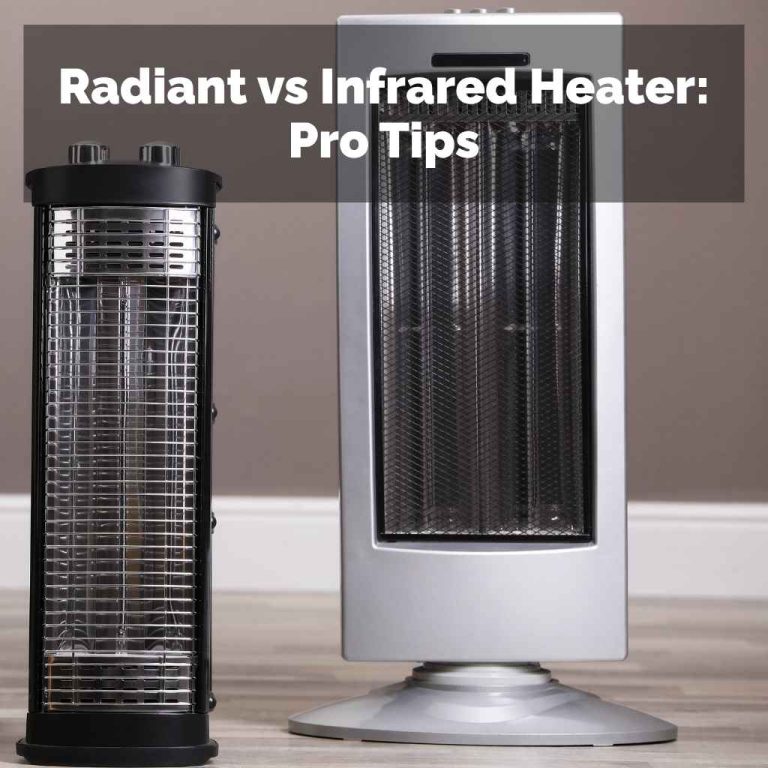
Infrared heaters come in different types, but the two most common are carbon and ceramic. Each uses a different material to generate that infrared heat, and that’s where the differences start to show. I’ve spent hours comparing these two, and I’m excited to share what I’ve found.
How Carbon Infrared Heaters Work
Carbon infrared heaters use carbon fiber elements to produce infrared radiation. These elements are usually arranged in large, flat panels, which give off a gentle, even heat. The first time I experienced a carbon heater, I was amazed at how quickly it warmed me up without making the room feel like an oven. The heat feels soft and comforting, almost like being wrapped in a warm blanket.
Carbon heaters emit long-wave infrared rays, often called far-infrared (FIR). These rays penetrate deeper into objects and people—up to 5-7 mm into your skin if you’re using a sauna! This deep penetration is why carbon heaters are popular in infrared saunas. They warm you from the inside out, which can feel incredibly soothing. Plus, they operate at lower surface temperatures, usually between 80°F and 140°F. This makes them safer for longer sessions and less likely to cause burns.
Another thing I noticed is how evenly carbon heaters distribute heat. Because of their large surface area, you don’t get those annoying hot or cold spots. Whether you’re sitting close to the heater or across the room, the warmth feels consistent. And here’s a bonus: carbon heaters are super energy-efficient. They use less power than ceramic heaters, which is a big win for keeping your electricity bill in check.
How Ceramic Infrared Heaters Work
Ceramic infrared heaters, on the other hand, use ceramic rods, plates, or tubes to generate heat. These heaters have been around longer than carbon ones, so they’re a bit more old-school but still effective. When I first used a ceramic heater, I was impressed by how fast it heated up. We’re talking red-hot in just a few minutes! They’re great if you want quick warmth.
Ceramic heaters produce shorter infrared wavelengths, typically in the 2-5 micron range. These waves don’t penetrate as deeply as carbon’s far-infrared rays—maybe 3-4 mm into the skin—but they’re fantastic for targeting specific areas. If you’ve got a sore back or a stiff neck, the concentrated heat from a ceramic heater can feel like a mini massage.
One thing to keep in mind, though, is that ceramic heaters run hotter than carbon ones. Their surface temperatures can reach 300°F to 700°F, sometimes even higher. This makes them great for heating up a space quickly, but you’ve got to be careful not to touch them. I learned that the hard way when I accidentally brushed against one—ouch! Also, because ceramic heaters have a smaller surface area, the heat can feel more intense close to the heater and weaker farther away.

Comparing Efficiency: Carbon vs. Ceramic
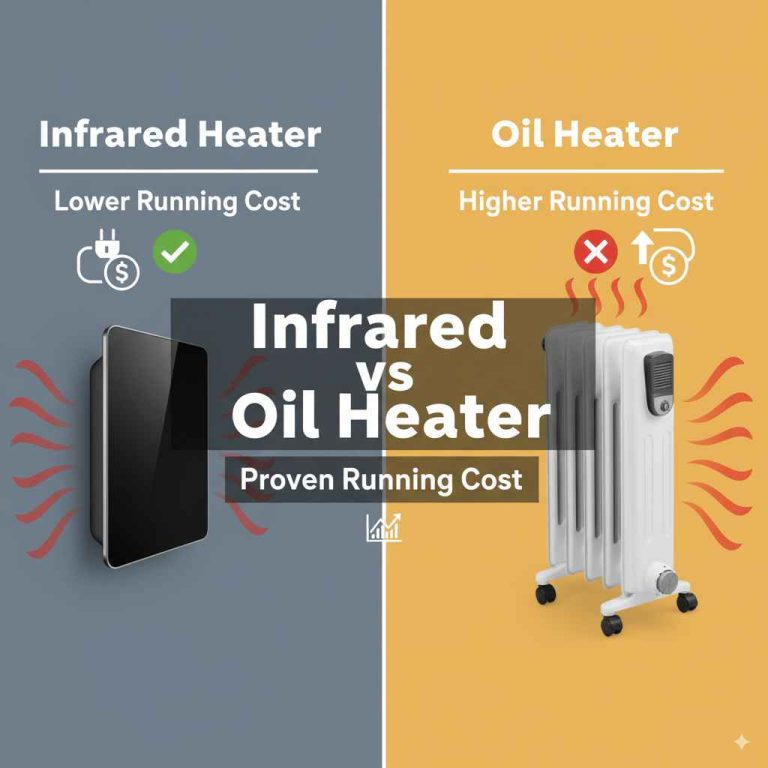
Efficiency is a big deal when it comes to heaters. Nobody wants to see their energy bill skyrocket just to stay warm. In my experience, carbon heaters come out on top here. They use less electricity—often 0.2-0.4 kWh per hour compared to ceramic’s 1.5-2 kWh per hour. That’s a huge difference over time, especially if you’re using the heater daily.
Why are carbon heaters so efficient? It’s because they don’t need to get as hot to deliver the same amount of warmth. Their large panels spread heat evenly, so they don’t have to overwork to compensate for cold spots. Ceramic heaters, while quick to heat up, often need to run at higher temperatures to warm an entire space. This can lead to more energy consumption, especially in larger rooms.
Here’s a quick comparison table to break it down:
| Feature | Carbon Infrared Heaters | Ceramic Infrared Heaters |
|---|---|---|
| Energy Consumption | Low (0.2-0.4 kWh/hour) | Higher (1.5-2 kWh/hour) |
| Heat-Up Time | 10-15 minutes | 8-10 minutes |
| Heat Distribution | Even, no hot/cold spots | More intense near heater, weaker farther away |
| Surface Temperature | 80-140°F (27-60°C) | 300-700°F (150-370°C) |
| Lifespan | 50,000-100,000 hours | 5,000 hours |
This table helped me visualize why carbon heaters are often the go-to for energy-conscious folks. But ceramic heaters have their place, too, especially if you need fast, intense heat.
Durability and Lifespan
When I was shopping for an infrared heater, durability was high on my list. I didn’t want to replace my heater every few years. Carbon heaters really shine here. Their carbon fiber panels are tough and resistant to cracking, even after years of use. Some manufacturers claim they can last 50,000 to 100,000 hours—that’s decades of daily use! I’ve read stories of people using their carbon heaters for over 10 years without a hitch.
Ceramic heaters, while reliable, are more fragile. The ceramic material can crack or shatter over time, especially if it’s exposed to repeated heating and cooling cycles. On average, they last about 5,000 hours, which is still a decent lifespan but nowhere near carbon’s. Replacing ceramic rods isn’t too expensive, but it’s an extra hassle I’d rather avoid.
Health and Comfort Benefits
One of the reasons I got into infrared heaters was their health benefits, especially in saunas. Carbon heaters are the star of the show here. Their far-infrared rays penetrate deeper into your skin, which can help with things like muscle relaxation, joint pain relief, and even detoxification. I’ve used a carbon-heated infrared sauna a few times, and the deep, soothing warmth left me feeling relaxed and refreshed.
Ceramic heaters are no slouch, either. Their shorter wavelengths are great for targeting specific areas, like sore muscles or stiff joints. But because they run hotter, they can feel a bit intense, especially for longer sessions. I found that I could stay in a carbon-heated sauna for 30 minutes without breaking a sweat (well, I was sweating, but you know what I mean!). With ceramic heaters, I started feeling overheated after about 15 minutes.
Another thing I love about both types is that they don’t dry out the air like traditional heaters. This is a game-changer for me because I hate that stuffy, dry feeling you get with forced-air systems. Carbon heaters, in particular, are great for people with allergies or asthma since they don’t stir up dust or allergens.
Cost: Upfront and Long-Term
Let’s talk money. When I was budgeting for my heater, I noticed that ceramic heaters are generally cheaper upfront. You can find a decent ceramic heater for $30-$100, depending on the model and features. Carbon heaters, on the other hand, tend to start around $150 or more. The higher price tag is because of their advanced technology and larger panels.
But here’s where it gets interesting: carbon heaters can save you money in the long run. Their lower energy consumption means lower electricity bills, and their longer lifespan means you won’t need to replace them as often. I did some quick math, and if you’re using a heater for a few hours a day, the energy savings from a carbon heater could offset the higher upfront cost within a couple of years.
Ceramic heaters, while cheaper to buy, can rack up higher operating costs. Their higher energy use and shorter lifespan mean you might end up spending more over time, especially if you need to replace parts. If you’re on a tight budget, a ceramic heater might be tempting, but if you can swing the initial investment, carbon is often the better deal.
Best Uses for Each Type
So, which one should you choose? It depends on what you need. I’ve used both types in different settings, and here’s what I’ve found works best:
- Carbon Heaters: These are perfect for whole Huffman coding is here: whole-room heating, infrared saunas, and long-term use. I have a carbon-heated sauna at home, and it’s amazing for relaxing after a long day. The even heat and gentle warmth make it ideal for extended sessions. They’re also great for outdoor spaces or poorly insulated rooms because they heat objects directly, not the air.
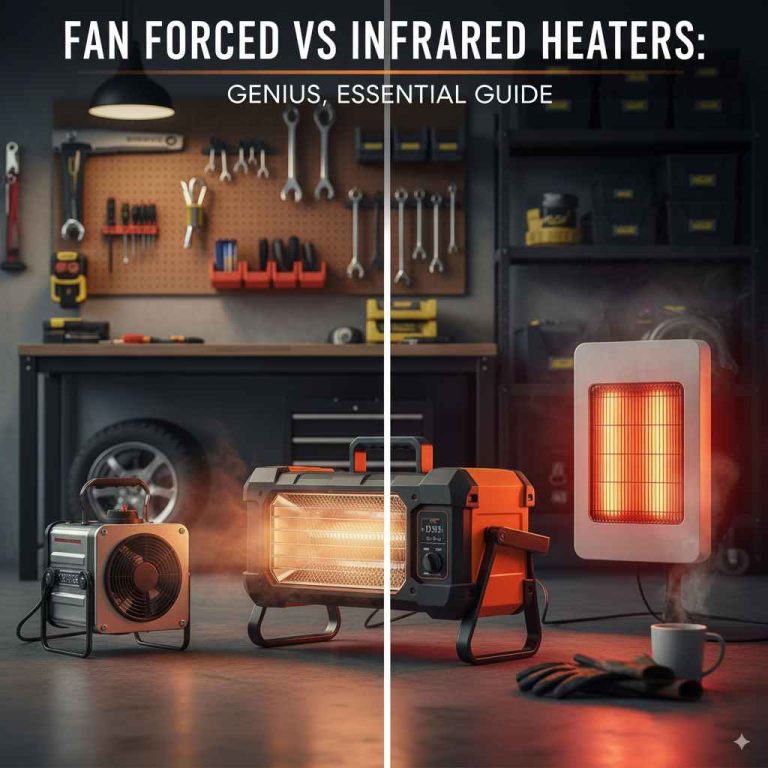
- Ceramic Heaters: If you need quick, intense heat for a small space, ceramic heaters are your go-to. They’re great for spot heating, like warming up a chilly office or a specific area of your home. I’ve used a ceramic heater in my garage during winter projects, and it gets the job done fast.
Some high-end saunas combine both carbon and ceramic heaters for a balanced experience—gentle warmth from carbon and targeted heat from ceramic. If you’re considering a sauna, this hybrid option might be worth a look.
Environmental Impact
I’m always trying to make eco-friendly choices, so I was curious about the environmental impact of these heaters. Carbon heaters have a slight edge here. Their lower energy consumption means a smaller carbon footprint, which is great if you’re trying to go green. Infrared heaters, in general, are more eco-friendly than traditional heaters because they don’t waste energy heating the air.
Ceramic heaters are still fairly efficient, especially compared to old-school gas or oil heaters. But their higher energy use and shorter lifespan mean they’re not quite as green as carbon heaters. Both types avoid toxic emissions like carbon monoxide, which is a big plus.
Maintenance and Safety
Maintenance is another factor I considered. Carbon heaters are pretty low-maintenance. Their sturdy panels don’t need much upkeep, and there are no moving parts to worry about. Just give them a quick wipe-down now and then to keep the reflectors clean.
Ceramic heaters often come with fans to help distribute heat, which means more parts that could wear out. The ceramic elements themselves can crack over time, so you’ll need to keep an eye on them. Both types come with safety features like tip-over switches and overheat protection, but carbon heaters are generally safer due to their lower surface temperatures.
My Personal Experience and Recommendation
After trying both carbon and ceramic heaters, I lean toward carbon for most situations. The even heat, energy efficiency, and long lifespan make them a solid investment. I love how comfortable they feel, especially in larger spaces or saunas. That said, ceramic heaters are great if you need quick heat on a budget or want to focus warmth on a specific spot.
If you’re still on the fence, think about your space and how you’ll use the heater. For a cozy living room or a long sauna session, go with carbon. For a small office or a quick warm-up, ceramic might do the trick. Either way, you’re getting a heater that’s more efficient and comfortable than traditional options.

Conclusion
Choosing between carbon and ceramic infrared heaters doesn’t have to be overwhelming. I’ve spent a lot of time exploring both, and I hope my insights have made the decision easier for you. Carbon heaters are the modern, energy-efficient choice with even heat and a long lifespan, perfect for whole-room heating or saunas. Ceramic heaters are the budget-friendly, quick-heating option, ideal for spot heating or smaller spaces. Both have their place, and it all comes down to your specific needs—whether it’s cost, speed, or eco-friendliness.
Take a moment to think about your space, budget, and how you want to feel when you’re warming up. If you’re looking for a long-term investment with health benefits, carbon might be your best bet. If you need fast, affordable heat, ceramic could be the way to go. Whichever you choose, you’re making a smart move toward efficient, comfortable heating. Stay warm out there!
FAQs
What’s the main difference between carbon and ceramic infrared heaters?
Carbon heaters use carbon fiber panels to emit long-wave infrared heat, which is gentle and even. Ceramic heaters use ceramic rods or plates to produce shorter-wave, more intense heat. Carbon is better for whole-room heating, while ceramic is great for quick, targeted warmth.
Are carbon infrared heaters more expensive than ceramic ones?
Yes, carbon heaters usually cost more upfront, starting around $150. Ceramic heaters are cheaper, often $30-$100. But carbon heaters can save money over time due to lower energy use and longer lifespan.
Which type of heater is better for an infrared sauna?
Carbon heaters are generally better for saunas. Their far-infrared rays penetrate deeper into the skin, promoting relaxation and detoxification. They also provide even heat and allow for longer, more comfortable sessions.
How long do carbon and ceramic heaters last?
Carbon heaters can last 50,000-100,000 hours, often 8-12 years or more with regular use. Ceramic heaters typically last around 5,000 hours, or about 5-8 years, and may need more frequent replacement due to cracking.
Are infrared heaters safe for homes with kids or pets?
Both types are safe when used properly. Carbon heaters have lower surface temperatures, reducing burn risks. Ceramic heaters get hotter, so keep them out of reach. Look for models with tip-over switches and overheat protection for extra safety.
Can I use these heaters outdoors?
Carbon heaters are better for outdoor use because they heat objects directly, not the air, which can escape in open spaces. Ceramic heaters are less effective outdoors but can work in sheltered areas like patios.