Are Ceramic Heaters Bad for Your Health: Truth Revealed
Are you worried about the air you breathe when using a ceramic heater? You might be asking yourself, “Are ceramic heaters bad for my health?”
It’s a question worth exploring because what keeps you warm shouldn’t come with hidden risks. You’ll discover how ceramic heaters work, what effects they might have on your health, and simple tips to stay safe while enjoying their warmth. Keep reading to find out the truth and make the best choice for your comfort and well-being.
How Ceramic Heaters Work
Ceramic heaters are common in many homes. They offer a quick way to warm a room. Understanding how they work helps to know their safety and efficiency. These heaters use ceramic plates to create heat. The process is simple but effective.
Heating Mechanism
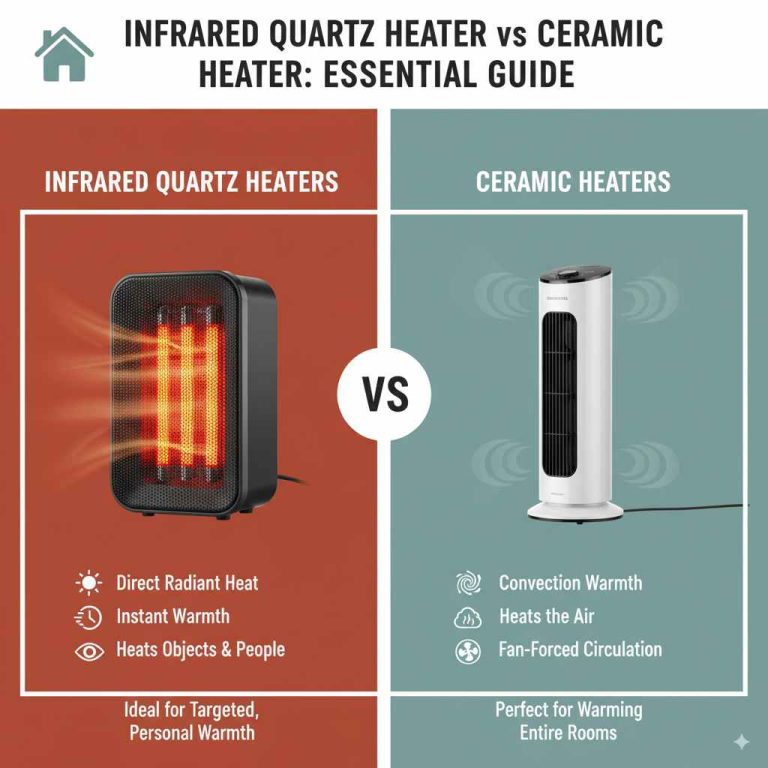
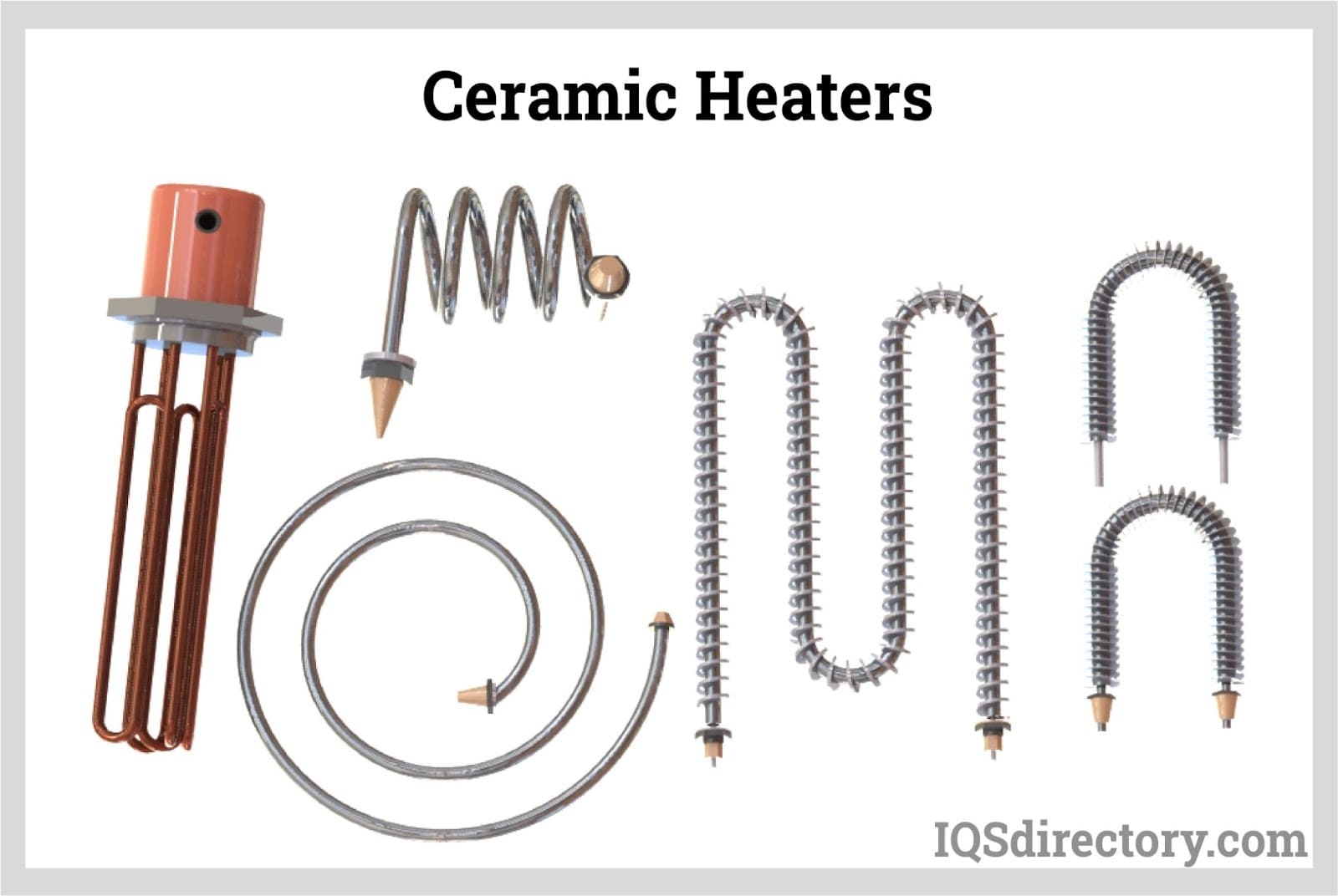
Ceramic heaters use ceramic plates that heat up when electricity passes through them. A fan blows air over these hot plates. Warm air spreads into the room fast. This method warms the air without heating the whole unit. It keeps the heater safer to touch than metal heaters.
Types Of Ceramic Heaters
There are mainly two types of ceramic heaters: fan-forced and convection. Fan-forced heaters use a fan to push warm air out. Convection heaters warm the air naturally without a fan. Both types are quiet and energy-efficient. People choose based on room size and noise preference.

Health Concerns Linked To Ceramic Heaters
Ceramic heaters are popular for their quick warming ability. Many use them in homes and offices. Despite their convenience, some health concerns exist. These concerns mainly focus on air quality and breathing issues. Understanding these effects helps make safer choices.
Air Quality Impact
Ceramic heaters warm the air by using electricity. They do not burn fuel, so they produce no direct smoke. Yet, they can dry out the air quickly. Dry air can irritate the skin and throat. Some models may release small dust particles. Dust can come from the heater’s surface or nearby areas. This dust can lower indoor air quality. Poor air quality can cause discomfort for many people.
Effects On Respiratory Health
Dry air from ceramic heaters can worsen breathing problems. People with asthma or allergies may feel more irritation. The heater may also cause a dry cough or sore throat. Dust particles can trigger allergic reactions. Continuous exposure to dry, dusty air can strain the lungs. Using a humidifier or ventilating the room helps reduce these effects. Proper maintenance and cleaning of the heater also improve air quality.
Safety Features And Risks
Ceramic heaters are popular for home warmth. They come with safety features to reduce risks. Knowing these features helps you use them safely. Some risks still exist and should be understood.
Overheating Protection
Most ceramic heaters have overheating protection. This feature stops the heater if it gets too hot. It prevents damage to the heater and your home. Overheating protection switches off the heater automatically. This reduces the chance of burns or fire.
Fire Hazards
Ceramic heaters can cause fires if used carelessly. Placing them near curtains or furniture is dangerous. Dust buildup inside the heater can also cause fire risks. Always keep the heater clean and away from flammable items. Never leave a ceramic heater running when unattended.
Comparing Ceramic Heaters With Other Types
Ceramic heaters are popular, but many wonder how they compare to other heating types. Each heater uses a different method to warm a room. These methods affect energy use, safety, and air quality. Understanding these differences helps you pick the best heater for your health and comfort.
Infrared Heaters
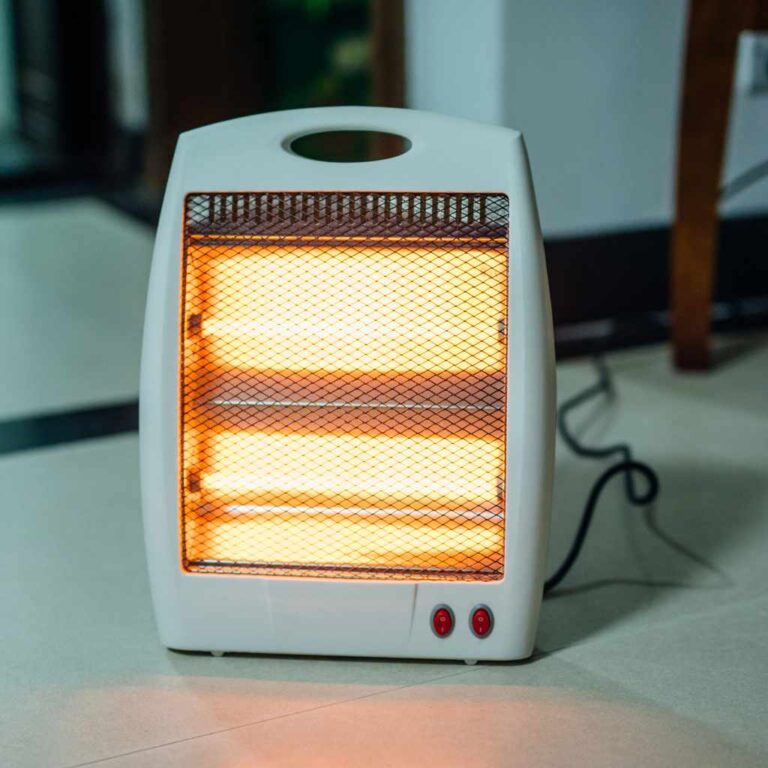
Infrared heaters warm objects and people directly. They do not heat the air like ceramic heaters. This method reduces dust circulation and dryness. Infrared heaters are quiet and energy-efficient. They are good for people with allergies or asthma. The heat feels natural, like sunlight.
Oil-filled Radiators
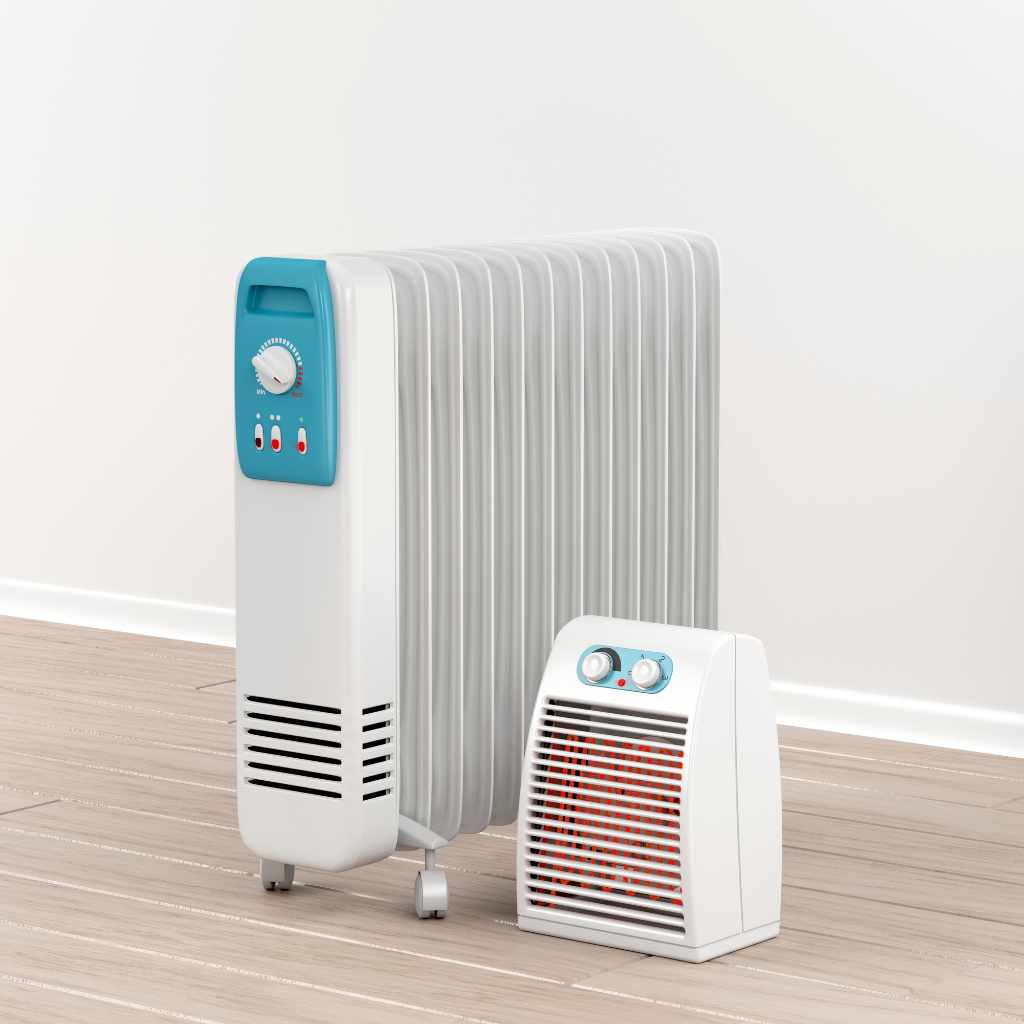
Oil-filled radiators heat oil inside the unit. This oil stays warm for a long time. These heaters provide steady, even heat. They do not blow air, so they do not spread dust. Oil-filled radiators are silent and safe to touch. They work well in bedrooms and offices.
Fan Heaters
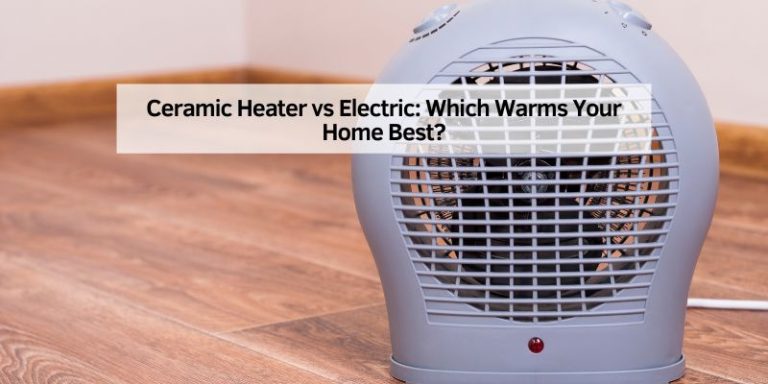
Fan heaters use a fan to blow hot air. They heat rooms quickly but can dry the air. The fan can spread dust and allergens. Fan heaters are usually loud. They may cause discomfort for sensitive individuals. They work best for short-term heating needs.
Tips For Safe Use Of Ceramic Heaters
Using ceramic heaters safely helps protect your health and home. Follow clear tips to avoid risks and enjoy warmth comfortably. Proper use keeps air clean and prevents accidents.
Proper Placement
Place ceramic heaters on flat, stable surfaces. Keep them away from curtains, furniture, and paper. Avoid spots near water sources like sinks. Do not block air vents to allow airflow. Keep children and pets at a safe distance.
Maintenance Practices
Clean your heater regularly to remove dust and dirt. Turn off and unplug before cleaning. Use a soft cloth or brush for gentle cleaning. Check power cords for damage or wear. Replace parts if you notice any issues to prevent hazards.
Ventilation Recommendations
Ensure the room has good airflow while the heater runs. Open a window slightly to let fresh air in. Avoid using heaters in sealed rooms for long periods. Proper ventilation reduces indoor air pollution and dryness. This keeps the environment healthier for everyone.
Myths Vs Facts About Ceramic Heaters
Ceramic heaters often spark debates about their safety and health effects. People share many ideas, but not all are true. Separating myths from facts helps understand these heaters better. This section clears common doubts and presents clear information based on science.
Common Misconceptions
Many believe ceramic heaters release harmful chemicals. They think these heaters cause dry air and skin problems. Some say ceramic heaters produce dangerous radiation. Others worry about fire risks and electrical hazards. These ideas spread without proof. Ceramic heaters actually use ceramic plates to warm air safely. They do not emit toxic gases or radiation. Proper use reduces any risk of fire or accidents.
Scientific Evidence
Studies show ceramic heaters are safe for home use. They heat air without burning dust or particles. This means cleaner air compared to some other heaters. Research finds no link between ceramic heaters and health issues. They do not dry out the air more than usual indoor heating. Ceramic materials used are stable and non-toxic. Users should follow manufacturer instructions to stay safe. This includes keeping heaters away from flammable items and not covering them.
Frequently Asked Questions
Are Ceramic Heaters Safe For Indoor Use?
Yes, ceramic heaters are generally safe for indoor use. They emit low electromagnetic radiation and have built-in safety features like overheat protection. Proper ventilation and regular maintenance ensure safe operation without health risks.
Do Ceramic Heaters Affect Indoor Air Quality?
Ceramic heaters do not significantly affect indoor air quality. They do not burn oxygen or release harmful gases. However, dust buildup on heaters can reduce air quality, so regular cleaning is important.
Can Ceramic Heaters Cause Dry Skin Or Irritation?
Ceramic heaters produce gentle heat that is less likely to cause dry skin. Unlike some heaters, they maintain humidity levels better. Using a humidifier alongside can prevent any dryness or irritation.
Are Ceramic Heaters Energy-efficient And Eco-friendly?
Yes, ceramic heaters are energy-efficient as they quickly warm small spaces. They use less electricity compared to traditional heaters, making them eco-friendly and cost-effective for home heating.
Conclusion
Ceramic heaters do not harm your health if used correctly. They produce safe heat without harmful gases or fumes. Keep them clean and avoid blocking airflow. Use them in well-ventilated rooms for best comfort. Regular breaks from heater use help your body stay balanced.
Choose models with safety features to reduce risks. Overall, ceramic heaters can warm your space safely and effectively. Stay aware and use them wisely for healthy warmth.