
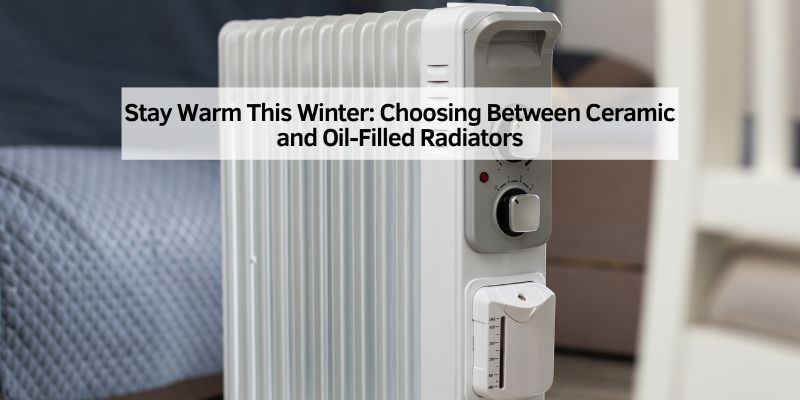
Last winter, I shivered in my chilly bedroom, wondering how to stay warm without huge bills. I discovered the debate of ceramic radiator vs oil filled radiator and tested both to find the best fit. This article explains these heaters in simple words. I’ll share what they are, how they work, and which one suits your home. You’ll get easy tips, comparisons, and answers to common questions. Let’s find the perfect heater for you!
What Are Ceramic and Oil-Filled Radiators?
Radiators keep your home cozy. Let’s break down what these two types are.
Ceramic Radiators: Quick and Light
Ceramic radiators use a ceramic plate to create heat. Electricity warms the plate, which sends heat into the room.
- They heat up fast, often in 10 minutes.
- They’re light and easy to move.
I used a ceramic heater in my small office. It warmed up quickly, perfect for short work sessions.
Oil-Filled Radiators: Slow and Steady
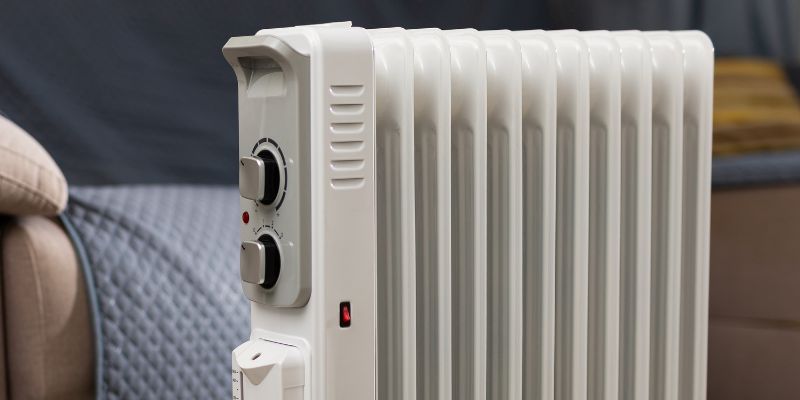
Oil-filled radiators have oil inside that holds heat. An electric element warms the oil, which spreads heat through the room.
- They take longer to warm up, about 20-30 minutes.
- They stay warm even after turning off.
I tried an oil-filled radiator in my living room. It kept the space cozy all evening.
Ceramic Radiator vs Oil Filled Radiator: How They Compare
Choosing between these radiators depends on your needs. Here’s a simple comparison.
Heating Speed
Ceramic radiators heat up fast. They’re great for quick warmth in small spaces.
Oil-filled radiators take longer to start. But they keep rooms warm for hours.
Energy Efficiency
Ceramic radiators use less energy for short bursts. They’re efficient for quick heating.
Oil-filled radiators save energy over time. Their oil holds heat, reducing power use.
Portability
Ceramic radiators are light. You can carry them room to room.
Oil-filled radiators are heavier. They’re better for staying in one spot.
Safety
Ceramic radiators often have cool-touch surfaces. This makes them safe around kids.
Oil-filled radiators can get hot. Keep them away from pets or children.
Table 1: Ceramic vs Oil-Filled Radiators
| Feature | Ceramic Radiator | Oil-Filled Radiator |
|---|---|---|
| Heat-Up Time | Fast (10 minutes) | Slow (20-30 minutes) |
| Weight | Light, portable | Heavy, less portable |
| Heat Retention | Cools quickly | Stays warm longer |
| Best For | Small rooms, quick use | Large rooms, long use |
Caption: Compare key features to choose the right radiator.
How to Choose the Right Radiator
Picking a radiator is easy with these steps. Think about your space and needs.
Step 1: Check Room Size
Measure your room’s size. Small rooms (150-250 square feet) suit ceramic radiators.
Larger rooms do better with oil-filled radiators. They spread heat evenly.
Step 2: Decide Heating Time
Need quick heat? Choose a ceramic radiator for instant warmth.
Want long-lasting heat? Oil-filled radiators are best for all-day coziness.
Step 3: Set a Budget
Ceramic radiators cost less upfront, around $30-$80. They’re cheaper to buy.
Oil-filled radiators cost $50-$150. They save money over time.
Step 4: Consider Safety
Look for safety features. Ceramic radiators often have overheat protection.
Oil-filled radiators need space. Keep them away from curtains or furniture.
Visual Idea 1
A diagram showing a ceramic radiator in a small bedroom and an oil-filled radiator in a living room. This helps readers see where each works best.
Benefits and Drawbacks
Both radiators have pros and cons. Let’s look at each.
Ceramic Radiator Benefits
- Fast Heating: Warms rooms quickly, great for short uses.
- Portable: Easy to move, perfect for small homes.
- Eco-Friendly: No oil, so no leak risks.
Ceramic Radiator Drawbacks
- Quick Cooling: Loses heat fast when turned off.
- Small Spaces Only: Not great for large rooms.
Oil-Filled Radiator Benefits
- Long-Lasting Heat: Stays warm after shutting off.
- Great for Big Rooms: Heats large spaces well.
- Quiet: No fans, so it’s silent.
Oil-Filled Radiator Drawbacks
- Slow Start: Takes time to warm up.
- Heavy: Hard to move around.
Table 2: Pros and Cons
| Type | Pros | Cons |
|---|---|---|
| Ceramic | Fast, portable, eco-friendly | Cools fast, small rooms only |
| Oil-Filled | Long heat, quiet, big rooms | Slow, heavy, hot surface |
Caption: Quick look at radiator strengths and weaknesses.
Practical Tips from My Experience
I’ve used both radiators for years. Here are my best tips.
- Place Wisely: Put radiators in the room’s center. This spreads heat better.
- Use a Thermostat: Set a comfortable temperature. It saves energy.
- Clean Regularly: Dust radiators to keep them working well. A quick wipe does it.
I once forgot to clean my ceramic radiator. Dust buildup made it less effective!
Visual Idea 2
A chart showing how to place a radiator in a room. It shows safe distances from walls and furniture.
Other Heating Options
Not sure about radiators? Try these alternatives.
- Fan Heaters: Quick heat but noisy. Good for small spaces.
- Infrared Heaters: Warm people directly. Great for drafty rooms.
- Central Heating: Heats the whole house. More expensive to run.
I used a fan heater in my bathroom. It worked fast but was loud.
Table 3: Radiators vs Other Heaters
| Heater Type | Speed | Cost | Best Use |
|---|---|---|---|
| Ceramic Radiator | Fast | Low upfront | Small rooms |
| Oil-Filled Radiator | Slow | Higher upfront | Large rooms |
| Fan Heater | Very fast | Low | Temporary heat |
Caption: Compare radiators with other heaters for your needs.
Common Mistakes to Avoid
Don’t make these errors I learned the hard way.
- Wrong Size: A small radiator won’t heat a big room. Check wattage (100W per square meter).
- Blocking Radiators: Keep furniture away. It blocks heat and risks fire.
- Ignoring Safety: Always check for UL certification. It ensures safe use.
Visual Idea 3
A simple checklist image for radiator safety. It lists tips like “Check UL label” and “Keep clear of curtains.”
Frequently Asked Questions
What Is a Ceramic Radiator?
A ceramic radiator uses a ceramic plate to make heat. Electricity warms the plate, which sends heat into the room. It’s fast and great for small spaces like bedrooms. They’re light and safe, often with cool-touch surfaces. I use one in my office for quick warmth.
What Is an Oil-Filled Radiator?
An oil-filled radiator has oil that holds heat. An electric element warms the oil, which spreads heat slowly. It’s best for big rooms or long use. They stay warm after turning off, saving energy. I love mine for cozy nights.
Which Radiator Is Cheaper to Run?
Ceramic radiators cost less for short uses. They heat fast and use less power. Oil-filled radiators save money for long-term heating. Their heat lasts, so they don’t run as much. Check your electric rates to estimate costs.
Are Ceramic Radiators Safe for Kids?
Yes, ceramic radiators are often safer. They have cool-touch surfaces and overheat protection. Still, keep them on flat surfaces away from edges. I always check safety features before buying for my home with kids.
Can Oil-Filled Radiators Leak?
No, modern oil-filled radiators are sealed. The oil never needs replacing and won’t leak unless damaged. Choose a trusted brand to avoid issues. I’ve used mine for years with no leaks.
Which Radiator Is Best for Large Rooms?
Oil-filled radiators are better for large rooms. They spread heat evenly and stay warm longer. Ceramic radiators work better in small spaces. I use an oil-filled one in my open living room.
How Do I Maintain a Radiator?
Dust radiators regularly with a soft cloth. Check for damage before use. For oil-filled radiators, ensure no leaks. For ceramic, clean the vents. I vacuum mine monthly to keep them efficient.
Conclusion
Choosing between a ceramic radiator vs oil filled radiator depends on your needs. Ceramic radiators heat fast and are great for small rooms. Oil-filled radiators keep big spaces cozy for hours. Use my tips to pick the right one. Try a radiator this winter and share your thoughts! Visit Energy Star for efficiency tips or Consumer Reports for reviews. Stay warm and cozy!
Last Updated on July 18, 2025 by Tanim