Convection Heaters vs Panel Heaters: Essential Guide
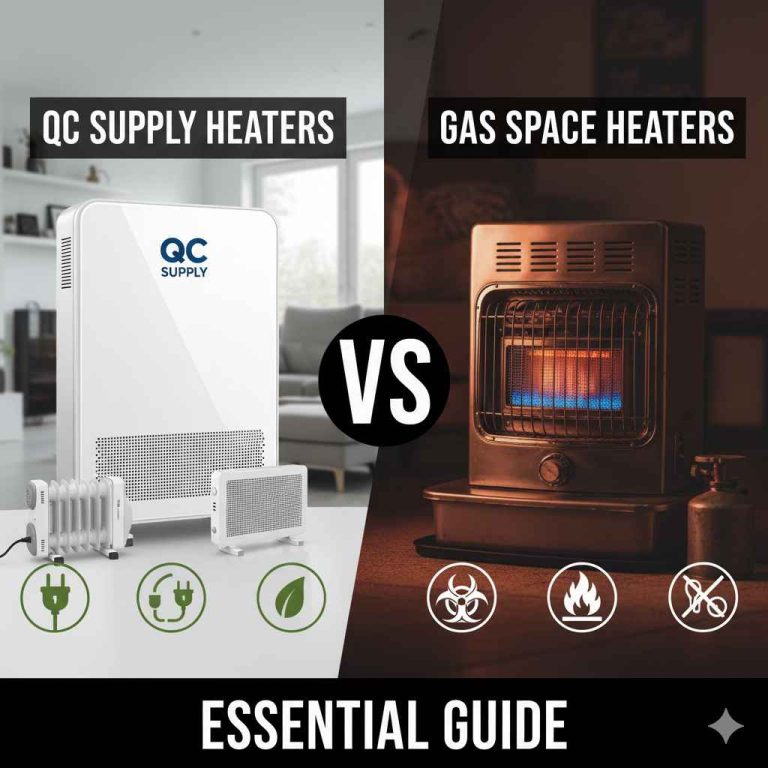
Choosing between convection heaters and panel heaters can feel tricky! Convection heaters heat air, creating natural airflow for even warmth. Panel heaters use radiant heat to directly warm objects and people. Both offer quiet, efficient heating, but their best use depends on whether you need quick, targeted warmth (panel) or consistent, room-filling comfort (convection). Our guide breaks it all down simply!
For a related heater topic, Storage Heaters Vs Panel Heaters: Essential Guide gives readers a useful next step.
Are you feeling that chill creeping in and wondering which heater will make your home cozy and comfortable? It’s a common puzzle! With so many options out there, figuring out the best fit for your needs can be overwhelming. You want a heater that’s easy to use, safe, and doesn’t cost a fortune to run, right?
Don’t worry, I’m here to help you navigate the world of home heating. We’ll walk through two popular choices: convection heaters and panel heaters. By the end, you’ll understand exactly what makes them different and which one is your perfect match for a warm, happy home, without all the confusing jargon. Let’s get started!
Understanding How Heaters Work: A Quick Peek
Before we dive into convection and panel heaters, it’s helpful to know the two main ways heaters warm a room:
Convection: This method heats the air. The warm air then rises, cools, sinks, and is heated again, creating a natural circulation (like a gentle breeze) that fills the room.
Radiant/Infrared: This method is like the sun’s rays or a warm fireplace. It directly heats objects and people in its path, rather than the air. It feels warm quickly when you’re in its direct line of sight.
Now, let’s see how our two star players, convection and panel heaters, fit into these categories!
Convection Heaters: The Room-Filling Champions
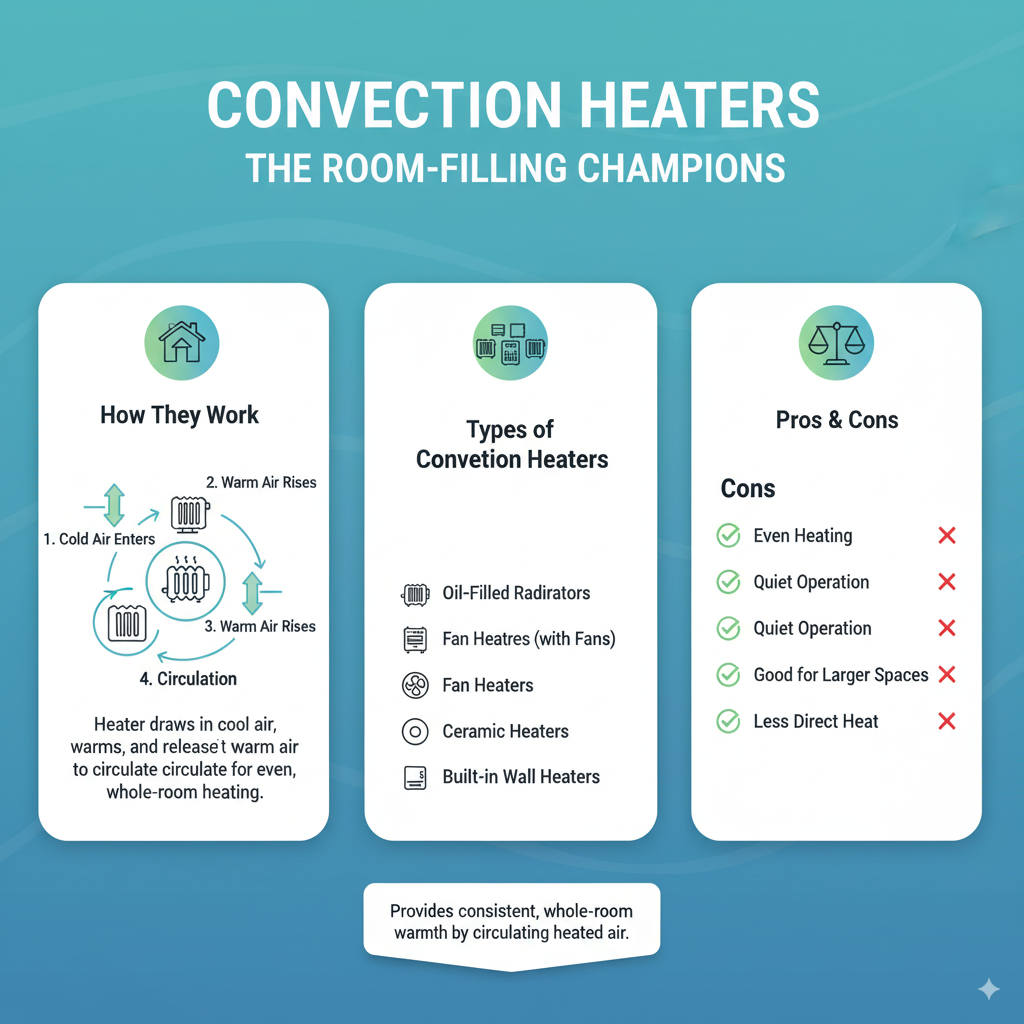
Convection heaters are fantastic for providing consistent, whole-room warmth. They work by heating the air around them and then releasing that warmer air into the room.
Imagine a gentle, invisible current of warm air circulating throughout your space. That’s the magic of a convection heater! They are designed to create a natural airflow, ensuring that the temperature rises steadily and evenly, from floor to ceiling.
How Convection Heaters Work
The process is quite straightforward:
1. Cold Air Enters: The heater draws in cool air from the room, usually through vents at the bottom.
2. Heating Element: Inside, a heating element (like a coil or ceramic plate) warms up the air that passes over it.
3. Warm Air Rises: As the air gets warmer, it becomes less dense and rises.
4. Circulation: This warm air then travels across the room, eventually cooling down, becoming denser, and sinking back towards the heater to start the cycle again.
This continuous circulation helps to maintain a steady, comfortable temperature throughout the entire space. They are often thermostatically controlled, meaning they will switch on and off to keep the room at your set temperature, making them quite energy-efficient for general heating.
Types of Convection Heaters
You’ll find convection heaters in a few different forms:
Oil-Filled Radiators: These look like old-fashioned radiators but are sealed units filled with oil. The oil heats up without ever needing to be replaced, and it retains heat well, providing long-lasting warmth even after the unit is switched off. They are very quiet and offer gentle radiant heat as well.
Fan Heaters (Convector Heaters with Fans): These use a fan to push the heated air out more quickly. This means they can warm up a room faster than a standard convection heater. However, the fan can create a bit of noise.
Ceramic Heaters: Many fan heaters use ceramic elements, which heat up quickly and are considered safer as they don’t get as hot as exposed coils.
Built-in Wall Heaters: These are permanently installed in your wall, often under windows, to combat cold drafts. They are very efficient for heating entire rooms.
Pros of Convection Heaters
Even Heating: Excellent at warming an entire room consistently.
Quiet Operation: Most types (especially oil-filled) are very quiet.
Good for Larger Spaces: Effective for heating medium to large rooms.
Thermostatic Control: Helps maintain a set temperature and can save energy.
Safe Surface Temperatures: Many modern models have surfaces that are warm but not dangerously hot to the touch.
Cons of Convection Heaters
Slower to Heat Up: It can take some time for the air to circulate and the room to reach your desired temperature.
Can Dry Out Air: Like many heaters, they can reduce humidity, leading to dry air.
Less Direct Heat: They don’t provide that immediate, toasty feeling you get from radiant heaters.
Panel Heaters: The Targeted Comfort Specialists
Panel heaters, often called radiant panel heaters or infrared panel heaters, work differently. Instead of heating the air, they emit radiant heat that directly warms objects and people in their line of sight.
Think of stepping out into the sunshine on a cool day. You feel warm immediately, even if the air is still a bit chilly. That’s the kind of warmth radiant panel heaters provide – a direct, cozy heat that feels instant when you’re in its path.
How Panel Heaters Work
The mechanism is simpler:
1. Heating Element: A heating element inside the panel glows or heats up.
2. Radiant Heat Emission: This generates infrared radiation, which travels in straight lines.
3. Direct Warming: When this radiation hits you, your furniture, or walls, it’s absorbed and converted into heat, warming them directly.
This means that while the air in the room might not get significantly warmer overall, you’ll feel pleasantly toasty as long as you’re in the heater’s range. They are excellent for providing localized warmth quickly where you need it most. Many panel heaters are also sleek and wall-mountable, making them a discreet heating solution.
Types of Panel Heaters
You’ll typically see a few main styles:
Ceramic Panel Heaters: These use ceramic plates that heat up and emit infrared rays. They’re a popular choice for their fast heating and safety.
Infrared Panel Heaters: These specifically use infrared technology to deliver deep, penetrating warmth. They are often very slim and can be mounted on walls or ceilings.
Quartz Heaters: Similar to infrared, these use quartz tubes to generate heat. They are known for heating up very quickly.
Pros of Panel Heaters
Fast Heating: You feel the warmth almost instantly upon turning them on.
Direct & Targeted Warmth: Excellent for warming specific areas or yourself directly.
Energy Efficient (for targeted heating): Because they focus heat where it’s needed, they can be more efficient if you only need to warm a small area or yourself.
Quiet Operation: They are typically silent as they don’t rely on fans.
Aesthetically Pleasing: Many are designed to be slim, modern, and wall-mountable, blending well with decor.
Don’t Dry Out Air as Much: They warm objects, not the air itself, so they tend to be less drying on humidity.
Cons of Panel Heaters
Uneven Room Heating: They don’t circulate warm air throughout the room, so areas not in direct line of sight can remain cooler.
Heat Stops When Off: The warmth isn’t retained or circulated once the unit is switched off.
Less Effective in Drafty Rooms: Their effectiveness can be reduced by drafts, as the radiant heat can be dispersed.
Can be a Hot Surface: While safer than old heating elements, the panel itself can become quite hot, so placement is important around children and pets.
Convection Heaters vs. Panel Heaters: At a Glance
To make the choice even clearer, let’s lay out how they stack up side-by-side.
| Feature | Convection Heaters | Panel Heaters |
|---|---|---|
| Heating Method | Heats air, creating natural circulation for even room warmth. | Emits radiant heat that directly warms objects and people. |
| Speed of Heat | Slower, as air needs to circulate. | Very fast, you feel warmth almost instantly. |
| Coverage | Whole room, consistent temperature. | Targeted warmth in the direct line of sight. |
| Best For | Maintaining a consistent, comfortable temperature in an entire room; larger spaces; chilly mornings/evenings. | Quickly warming yourself or a specific spot; adding heat to a cool room (but not as the sole heater); quiet personal warmth. |
| Energy Efficiency | Efficient for maintaining whole-room temperature over time. | Efficient for quickly warming specific zones or people, reducing overall runtime. |
| Noise Level | Generally very quiet (especially oil-filled); some fan models make a little noise. | Silent. |
| Air Quality Impact | Can sometimes dry out the air. | Less impact on air dryness compared to convection. |
| Safety Consideration | Surface can be warm; good placement for stability. | Panel surface gets hot; careful placement around children/pets is crucial. |
| Installation/Portability | Can be portable or wall-mounted. | Often designed for wall or even ceiling mounting, some are portable. |
This table really highlights the core differences. If you’re looking to take the chill out of a whole room in a steady, even way, convection is your friend. If you want instant, personal warmth right where you are, a panel heater shines.
Choosing the Right Heater for Your Needs
Deciding between a convection heater and a panel heater really comes down to what you want the heater to do for you. Think about these questions:
What size is the room you need to heat?
For larger rooms or living areas where consistent temperature is key, convection heaters often perform better.
For smaller spaces like a home office or a bedroom where targeted comfort is enough, a panel heater can be ideal.
How quickly do you need heat?
If you come home and want to feel warm right away, a panel heater’s direct radiant heat is fantastic.
If you’re happy to let the heater work in the background to gradually warm the entire space, a convection heater is a great choice.
Where will you be using the heater?
If you spend most of your time sitting in one spot in the room, a panel heater positioned nearby will keep you toasty.
If you move around a lot or have family members in different parts of the room, a convection heater’s even air circulation is more beneficial.
What’s your priority: overall room temperature or personal comfort?
For overall room temperature, convection wins.
For quick, personal comfort, panel heaters are excellent.
Are there safety concerns, like young children or pets?
Both types have safety features, but always check the surface temperature of any heater. Panel heaters can get hotter to the touch, so placement is paramount. Convection heaters, particularly oil-filled ones, tend to have more moderate surface temperatures. For more information on heater safety and energy efficiency, visit the ENERGY STAR website. They offer great tips for keeping your home warm and safe while saving energy.
When to Use a Convection Heater
Primary Heating Source: Excellent for heating a bedroom, living room, or basement consistently.
Chilly Mornings/Evenings: Use it to take the edge off the daily temperature fluctuations.
Maintaining a Set Temperature: Ideal for overnight heating or in rooms you use for extended periods.
Warming a Gradually Cool Room: If a room feels generally cool, convection will warm the entire air volume.
When to Use a Panel Heater
Spot Heating: To warm your seat at a desk, a reading nook, or your spot on the sofa.
Boosting Existing Heat: If your central heating isn’t quite enough in one specific area.
Quick Warm-Up: When you just need a burst of warmth before a convection heater has had time to work its magic.
Quiet Spaces: Perfect for offices or bedrooms where noise is a concern, as they are silent.
When Air Dryness is a Concern: They don’t rely on heating air, so they can be less drying.
Installation and Placement Tips
No matter which type of heater you choose, proper placement is key for both efficiency and safety.
For Convection Heaters
Placement: Ideally, place them in a central location in the room, or at the coldest part (often a drafty window). For oil-filled radiators, ensure they are on a level surface.
Avoid Obstructions: Don’t block the air vents. Keep furniture, curtains, and bedding a safe distance away to allow for proper air circulation. Heating experts at the Health and Safety Executive (HSE) also advise ensuring adequate ventilation, especially with fuel-burning heaters (though electric ones are our focus today, general ventilation is always good practice).
Power Source: Ensure the power cord can reach an outlet without being stretched or posing a trip hazard.
For Panel Heaters
Wall Mounting: Many are designed to be wall-mounted, often under windows. This is effective because it warms the rising cold air from the window before it enters the room.
Directed Heat: Position them so their radiant heat is directed towards where people will be sitting or working.
Clearance: Ensure there’s adequate clearance around the panel, especially above and in front, allowing the radiant heat to travel unimpeded. Check the manufacturer’s guidelines for exact distances to furniture and walls.
Avoid Direct Contact: Do not let curtains or other materials touch the hot surface.
Energy Efficiency and Cost Savings
Both convection and panel heaters can be energy-efficient, but in different ways:
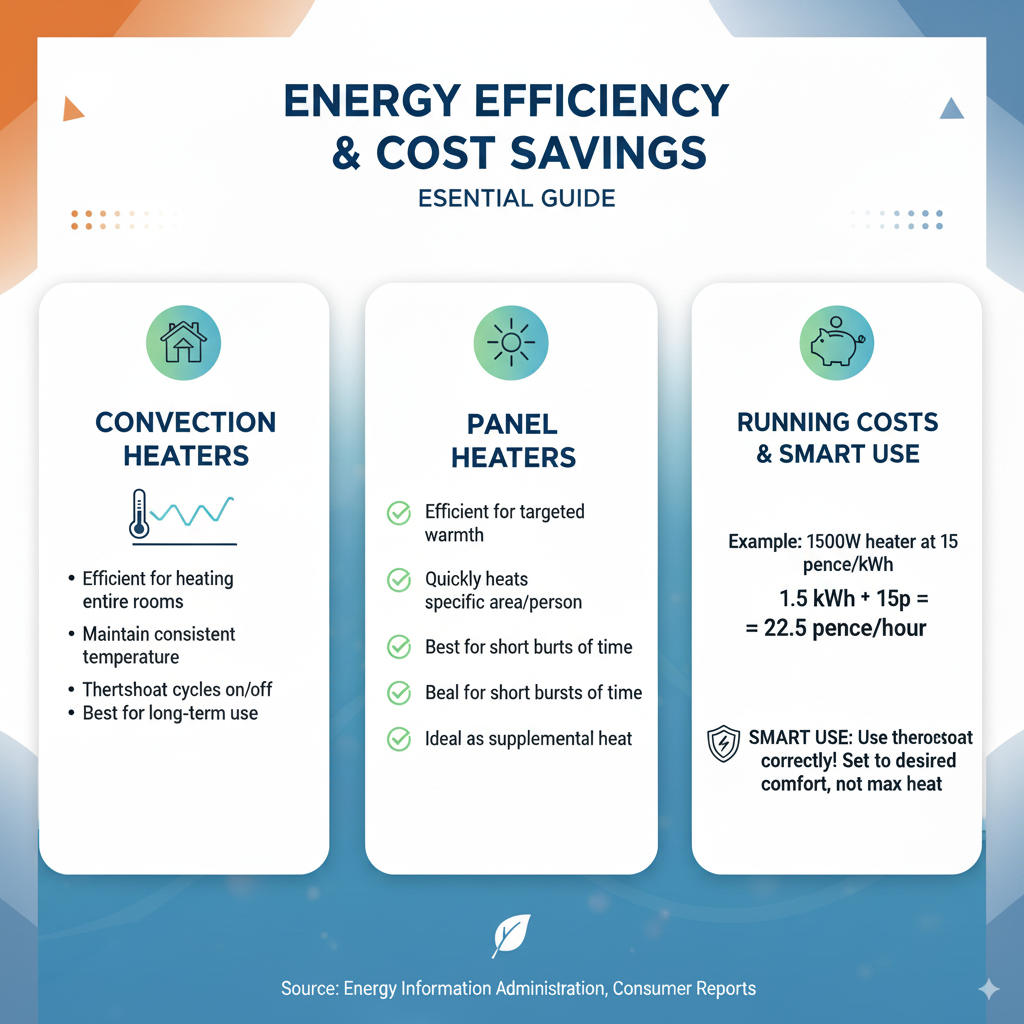
Convection heaters are efficient for maintaining a consistent temperature in a room over longer periods because they cycle on and off using their thermostat. They excel at using energy to warm an entire space evenly. If you’re looking to heat a regularly occupied room, a well-sized convection heater is likely your most efficient bet.
Panel heaters are efficient for quickly warming a specific area or person, as you can use them for shorter bursts of time. This can save energy if you only need a bit of warmth without heating the whole room. They are brilliant for supplementing other heating methods or for intermittent use.
The actual running cost will depend on the heater’s wattage, how long you use it, your electricity prices, and the insulation of your home. For example, a 1500-watt heater will use 1.5 kilowatts per hour (kWh). If your electricity costs 15 pence per kWh, running it for one hour costs 1500 watts/1000 15 pence = 22.5 pence.
For any electric heater, using the thermostat correctly is key. Don’t set it to the highest setting unless you want supreme heat instantly! Instead, set it to your desired comfort level, and let the heater cycle itself. This prevents unnecessary energy waste.
Frequently Asked Questions (FAQs)
Q1: Which type of heater is safer for a child’s room?
A1: Both types have safety features, but for a child’s room, look for convection heaters with cool-touch surfaces or oil-filled radiators where the surface temperature is moderated. Always place any heater away from direct reach and ensure it’s stable. Panel heaters that become very hot to the touch require extra caution.
Q2: Can I use a panel heater to heat an entire room?
A2: While a panel heater can add warmth, it’s not ideal as the sole heating source for an entire room, especially a large or cold one. They provide direct heat and don’t circulate air effectively for whole-room warming. For even, comprehensive heating, a convection heater is better.
Q3: Do convection heaters use a lot of electricity?
A3: Convection heaters, like most electric heaters, use a significant amount of electricity because producing heat directly from electricity is an energy-intensive process. However, they are efficient at using that energy to provide consistent, whole-room warmth. Using their thermostat efficiently to cycle them on and off is crucial for managing
electricity usage.
Q4: Are panel heaters good for basements?
A4: Panel heaters can be good for adding quick, personal warmth in a basement room, especially if you’re only using the space for a short time. However, if you need to warm the entire basement consistently and evenly, a convection heater is often a more effective choice for overcoming the natural coolness of lower-level spaces.
Q5: Which heater warms up faster, convection or panel?
A5: Panel heaters warm up much faster because they use radiant heat. You’ll feel the warmth from a panel heater almost immediately. Convection heaters work by warming the air, which then circulates, so it takes longer for the entire room to feel warm.