
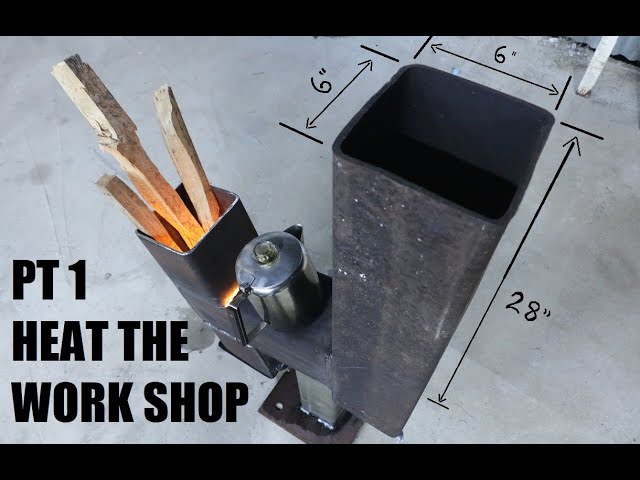
Are you tired of shivering in your shop during those chilly months? Imagine a warm, cozy space where you can work comfortably, without the fear of skyrocketing heating bills.
A DIY shop heater could be the game-changer you’ve been looking for. This guide will walk you through building your own efficient heater, tailored to your specific needs, and at a fraction of the cost of commercial options. You don’t need to be a tech wizard to create a solution that keeps you warm and productive.
Discover how easy it can be to transform your workspace into a haven of warmth and comfort. Dive in, and let’s get started on crafting your perfect DIY shop heater!
Benefits Of A DIY Shop Heater
A DIY shop heater saves money. No need to buy expensive heaters. You can build it at home with easy steps. You also get to learn new skills. Building things by yourself is fun. Feel proud of your work.
DIY heaters are also customizable. Make one that fits your shop size. Choose the design you like. This means your shop stays warm in winter. A warm shop keeps you happy. It helps you work better.
DIY heaters are also eco-friendly. Use recycled materials to build. This helps the environment. Less waste means a cleaner planet. You help reduce pollution. It’s a great choice for our Earth.
Types Of DIY Heaters
Electric heaters are easy to use and install. They are safe and clean. These heaters don’t need fuel or ventilation. Just plug them in to start warming. They have adjustable settings for temperature control. Some models are portable. This makes them great for small spaces. Electric heaters are cost-effective for short-term use. They are perfect for garages or sheds.
Propane heaters are powerful and efficient. They use propane gas to create heat. These heaters work well in large areas. They are portable and easy to move. Always ensure proper ventilation. This is important for safety. Propane heaters can be used outdoors or indoors. They are great for workshops or barns. Many have adjustable thermostats. They provide consistent warmth.
Wood-burning stoves are traditional and cozy. They use wood logs for fuel. These stoves create a warm atmosphere. They are perfect for cabins or remote areas. Ensure a safe installation. Proper chimney and ventilation are necessary. Wood stoves can heat large spaces. They are durable and last long. Enjoy the comforting crackle of burning wood.
Materials Needed
Building a shop heater needs some key parts. First, you’ll need a metal container. This will hold the heat. Then, get a heating element like a coil or bulb. It creates the warmth. Gather some wires to connect everything. A thermostat helps control the temperature. Don’t forget a power source. This could be a plug or battery. Finally, get some insulation material. It keeps the heat in.
Staying safe is very important. Start with safety goggles. They protect your eyes. Wear gloves to shield your hands. A face mask will keep dust away. Ear protection is good if it’s noisy. Make sure your clothes are not loose. Loose clothes can get caught. Keep a fire extinguisher nearby. It’s there just in case.
Step-by-step Build Process
First, decide on the heater sizeyou need. Consider the spaceit will heat. Draw a simple sketch. Include all parts like the baseand fuel source. Choose materialsthat are safe and durable. Gather all the tools you will need.
Start by building the heater base. Secure all parts tightly. Attach the fuel holdercarefully. Make sure it is stable. Assemble the chimneyif needed. Check all parts fit together well. Follow safety rules while assembling.
Light the heater carefullyto test. Watch for any leaksor issues. Feel if the heat spreads well. Adjust parts if needed for better heat. Turn off and let it cool. Make sure all parts are still secure. Try again until it works well.
Safety Precautions
Fresh air is very important when using a heater. Open windows or doors often. This lets in new air and pushes out bad air. Keep vents clear. Blocked vents stop airflow and can be dangerous. Never block airways with boxes or other items.
Heaters can start fires if not used right. Keep flammable items away. No papers or clothes should be near the heater. Have a fire extinguisher nearby always. Check smoke alarms often. Working alarms save lives.
Regular checks keep heaters safe. Inspect cords for damage. Clean heaters from dust and dirt. Replace broken parts right away. Follow manuals for safe use. Ask for help if unsure about fixing.
Cost Considerations
Setting a budget is smart. Know your costs before you start. Material costs can vary. Use old supplies if possible. Energy use affects costs too. Choose efficient heaters to save money. Planning helps avoid surprises. Write down all expected costs. Keep track of spending. Adjust as needed. Do research on prices. Compare different stores.
DIY heaters can be cheaper. Commercial heaters often cost more. Buying parts is usually cheaper. Labor costs are lower for DIY. Maintenance is easier with DIY. Long-term savings are possible. DIY heaters can be customized. Commercial models might be limited. Efficiency is key to saving money. Energy bills can be lower.
Energy Efficiency Tips
Maximize heat in your shop with smart ideas. Seal gaps around doors and windows. This keeps the heat inside. Use thick curtains to block drafts. Reflective insulation can help. Place it behind heaters. This bounces the heat back into the room. Rugs and carpets on cold floors make a difference. They add extra warmth and comfort. Weather-stripping helps. Add it to doors and windows for best results.
Insulation is key for a warm shop. Foam panels on walls work well. They are easy to install. Bubble wrap is a quick fix for windows. It traps heat inside. Draft stoppers for doors are handy. They block the cold air from entering. Under-door seals are simple to use. They prevent heat loss. Ceiling insulation should not be ignored. It stops warm air from escaping.
Troubleshooting Common Issues
Sometimes, the heater doesn’t warm up well. Check the power source first. Ensure it’s plugged in and switched on. Inspect the wires for any signs of damage. Damaged wires can stop the heater from working.
If the heater is noisy, clean the fan. Dust and dirt can make it loud. Use a soft cloth to wipe the fan blades. For heaters that won’t start, test the thermostat. It might be set too low. Turn the dial higher and try again.
Heaters may have loose parts. Tighten any screws you find. This can stop rattling sounds. If the heater smells bad, replace the filter. Old filters can cause bad smells. Make sure you use the right size.
For heaters that overheat, check the vents. Blocked vents stop airflow. Clear any blockages you find. If problems persist, call a professional. They have tools to fix heaters safely.

Credit: www.youtube.com
Frequently Asked Questions
How Big Of A Heater Do I Need For A 40×60 Shop?
A 40×60 shop requires a heater of 100,000 to 150,000 BTU, depending on insulation and climate. Ensure proper insulation to optimize heating efficiency. Adjust BTU based on local temperature extremes for comfort.
How Can I Make A Homemade Heater?
Create a homemade heater using a terracotta pot, tea lights, and a metal base. Place lit tea lights on the base, cover them with the pot, and let the heat circulate. Ensure proper ventilation and safety measures to avoid fire hazards.
This simple setup warms small spaces effectively.
How Much Electricity Does A Shop Heater Use?
A shop heater typically uses between 1,500 to 5,000 watts per hour. Usage depends on the heater’s size and efficiency. Check the heater’s specifications for accurate energy consumption. Reducing usage time and maintaining insulation can help minimize electricity costs.
How To Heat A Garage With Used Motor Oil?
Use a waste oil heater to heat your garage with used motor oil. Install the heater securely and ensure proper ventilation. Regularly clean and maintain the heater to ensure efficient and safe operation. Always follow safety guidelines and local regulations when using waste oil heaters.
Conclusion
Creating a DIY shop heater can be straightforward and rewarding. You save money and learn a new skill. Keep safety in mind. Regular checks are essential. Materials should be durable. Efficiency matters for cost-saving. Enjoy the warmth while working on projects.
A well-made heater enhances your shop experience. Share your success with friends. They might want to build one too. Remember, every project adds to your skills. Small steps lead to big achievements. Stay warm, stay safe. Keep crafting with confidence.
Your shop can be cozy and productive. Happy DIYing!
Last Updated on August 19, 2025 by Tanim