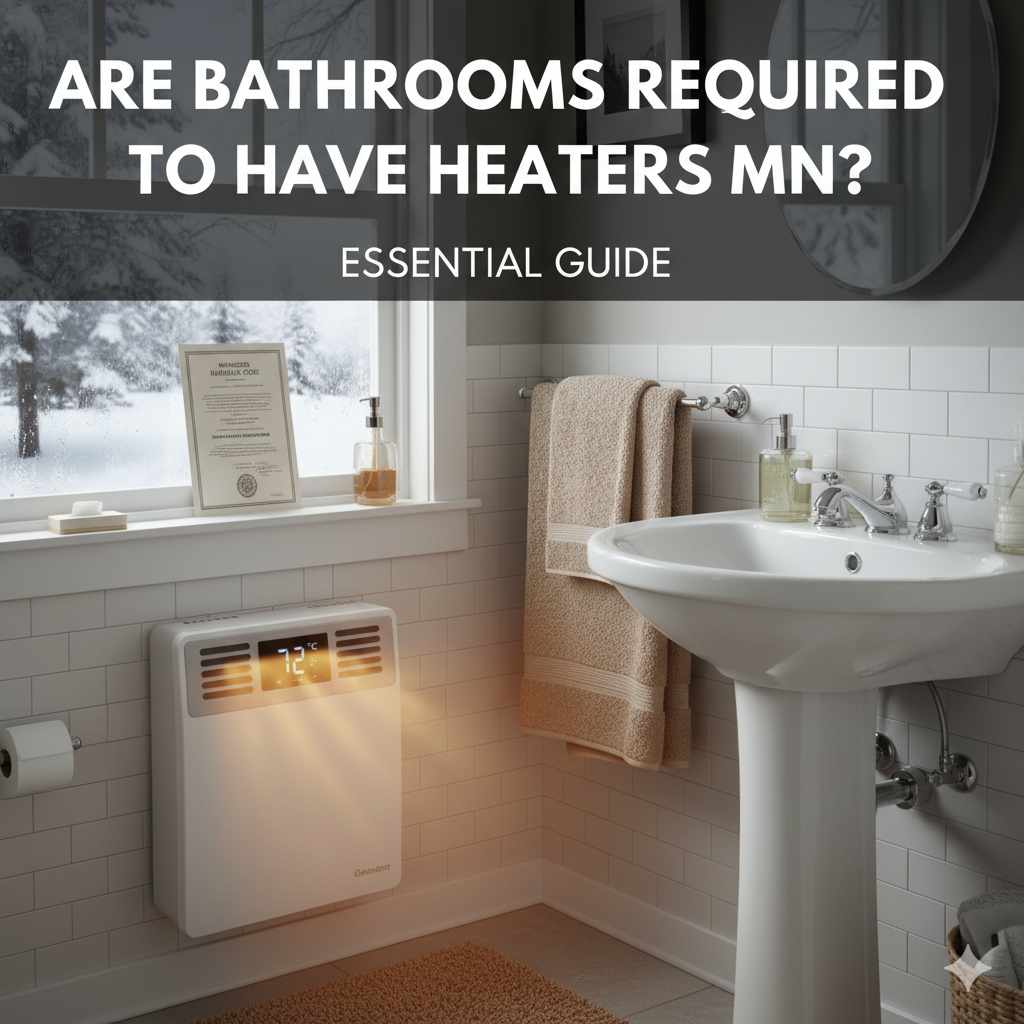
Are Bathrooms Required To Have Heaters MN: Essential Guide
In Minnesota, there’s no universal law mandating that every bathroom must have a dedicated heater. However, building codes often require bathrooms to be heated to a specific temperature to ensure comfort and prevent issues like frozen pipes. This guide clarifies Minnesota’s requirements and offers practical solutions for keeping your bathroom warm and safe.
Hello there, discerning homeowner! Tanim here, your friendly guide to a cozy and warm home. If you’ve ever stepped into a chilly Minnesota bathroom, you know it’s more than just an inconvenience – it can be downright uncomfortable, especially on those frosty winter days. You might be wondering, “Does Minnesota law say I have to have a heater in my bathroom?” It’s a great question, and the answer isn’t always a simple yes or no. We’ll break down what the rules generally say, why it’s important to have a warm bathroom, and explore the best and safest ways to achieve that cozy warmth.
Understanding your home’s heating needs is key to comfort and safety. Let’s dive into what you need to know about Minnesota bathrooms and their heating requirements. We’ll cover everything from building codes to practical tips, so you can feel confident about keeping your bathroom a toasty haven, no matter the weather outside.
Do Bathrooms Need a Heater in Minnesota? Unpacking the Regulations
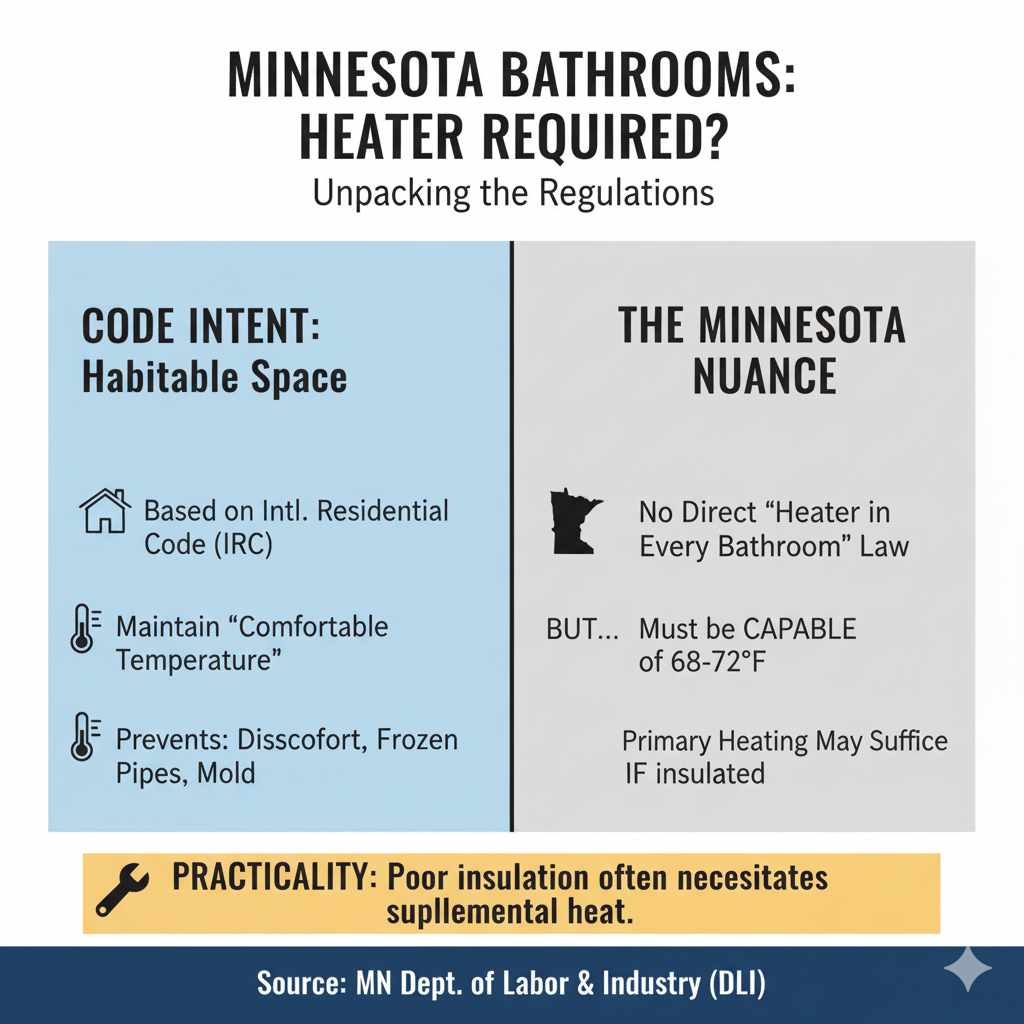
When it comes to specific mandates for bathroom heaters in Minnesota residences, the picture is nuanced. While a sign that reads “You must have a heater in every bathroom” isn’t typically posted by state law, the reality is often dictated by broader building codes designed for health, safety, and habitability. Think of it less as a direct “heater required” rule and more as a consequence of ensuring a space is comfortable and functional.
The primary concern for regulatory bodies is ensuring that living spaces, including bathrooms, can be maintained at a reasonable temperature. This prevents issues that can arise from extreme cold, such as discomfort for occupants, potential health risks, and damage to plumbing systems. We’ll explore the typical interpretations and requirements below.
Understanding Minnesota Building Codes (The “Why” Behind the Heat)
Minnesota’s building codes, like those in many states, are largely based on international standards, such as the International Residential Code (IRC). While these codes aim to ensure safety and basic living standards, they often focus on the outcome rather than prescribing every specific appliance. The key principle is that habitable spaces should be capable of being heated to a comfortable temperature.
The intent is clear: to prevent conditions that could be detrimental to health or safety. For bathrooms, this means ensuring they can be heated to a temperature that is:
- Comfortable for use: Nobody wants to shiver while getting ready in the morning or after a shower.
- Safe for plumbing: In very cold climates like Minnesota, unheated bathrooms can put pipes at risk of freezing and bursting.
- Hygienic: Consistent warmth can help prevent excessive condensation and mold growth.
According to the Minnesota Department of Labor and Industry (DLI), they adopt and enforce codes that are updated periodically. While the explicit requirement for a dedicated heater in every bathroom might not be stated as a standalone item for typical single-family homes, the code’s intent for maintaining habitable temperatures is paramount. If a bathroom is so poorly insulated or located that it cannot reach a comfortable temperature through the home’s primary heating system, then additional heating might be necessary in practice to meet the code’s overall objectives.
What Temperature Should a Bathroom Be?
While specific bathroom temperatures aren’t always carved into stone by law, general guidelines for habitable rooms usually fall between 68°F and 72°F (20°C to 22.2°C). This range is considered comfortable for most people in normal clothing and is a good benchmark for ensuring your bathroom is adequately heated. For bathrooms, especially older ones with less insulation, achieving and maintaining this temperature might necessitate supplemental heating.
Practical Solutions for a Warm Minnesota Bathroom
So, if your bathroom isn’t naturally staying warm enough, what can you do? Fortunately, you have a variety of options, ranging from simple upgrades to dedicated heating solutions. My goal is to help you find the best fit for your space, budget, and comfort needs. Below are some popular and effective methods:
1. Improve Insulation and Seal Air Leaks
Before you even think about adding a heater, ensure your bathroom is as energy-efficient as possible. This is often the most cost-effective first step. Cold air seeping in is a major culprit for chilly rooms.
- Check Windows and Doors: Ensure they seal properly. Add weatherstripping or caulk any gaps around frames.
- Insulate Walls and Floors: If your bathroom is above an unheated garage or crawl space, inadequate insulation can be a big problem. Consider adding insulation.
- Ventilation: While exhaust fans are crucial for moisture control, make sure the fan housing and ductwork are properly sealed and insulated.
These measures help your home’s primary heating system do a better job of warming the bathroom without a constant battle against the cold.
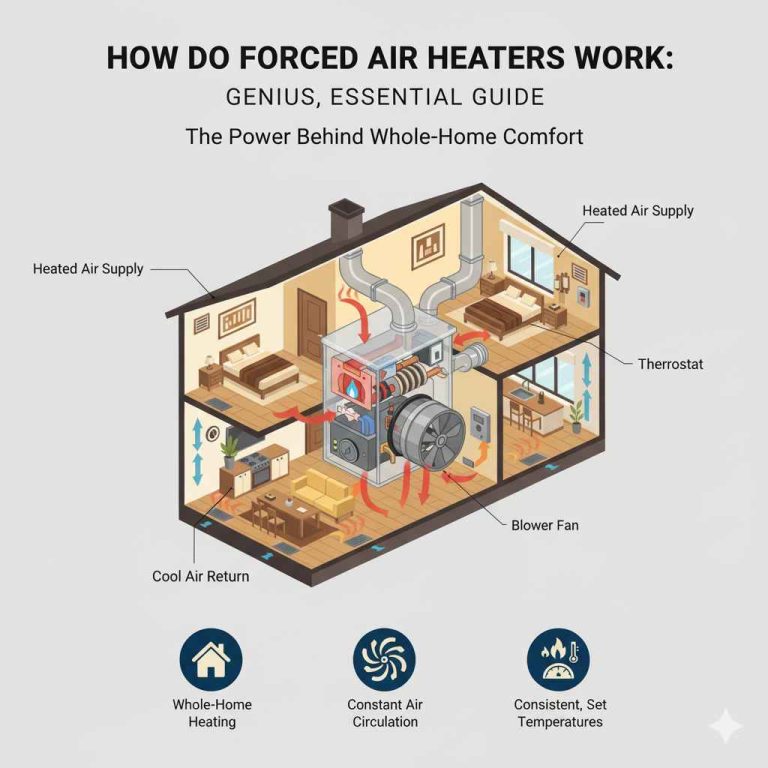
2. Enhance Your Home’s Main Heating System
Sometimes, the issue isn’t the bathroom itself but how effectively your home’s central heating system reaches it.
- Adjust Vents: Ensure the heating vent in or near the bathroom is open and not blocked by furniture or curtains.
- Ductwork Inspection: Leaky or poorly insulated ductwork can lose a lot of heat before it reaches the bathroom. Consider having an HVAC professional inspect your ducts.
- Thermostat Settings: While you don’t want to overheat your whole house, ensure your thermostat is set appropriately for your desired comfort level. Smart thermostats can help manage different zones or schedules.
3. Dedicated Bathroom Heaters: Types and Considerations
If improving insulation and your main heating system aren’t enough, a dedicated bathroom heater is likely your next best step. Minnesota homeowners have several safe and efficient options:
a. Electric Radiant Floor Heating
This is a luxurious and highly effective solution. A network of heating cables or mats is installed just beneath the tile or flooring. Once heated, the floor radiates warmth upwards, creating a consistently comfortable temperature that is especially pleasant when stepping out of the shower.
Pros:
- Invisible and takes up no wall space.
- Provides even, consistent warmth from the ground up.
- Greatly enhances comfort.
- Can help prevent frozen pipes in very cold areas.
Cons:
- Higher upfront installation cost.
- Requires professional installation, often during a renovation or new floor installation.
- Uses electricity, which can increase utility bills.
b. Wall-Mounted Electric Heaters (Convectors & Fan-Forced)
These are common and relatively easy to install. They can be convection heaters that heat the air, or fan-forced heaters that quickly circulate warm air.
Pros:
- Relatively affordable to purchase.
- Can be wall-mounted low to the floor for maximum heat utilization.
- Available in various sizes to suit different bathrooms.
- Many models have built-in thermostats and timers for control.
Cons:
- Takes up wall space.
- Can be noisy if they have a fan.
- Ensure they are rated for damp locations and installed to code (e.g., specific clearance from shower/tub).
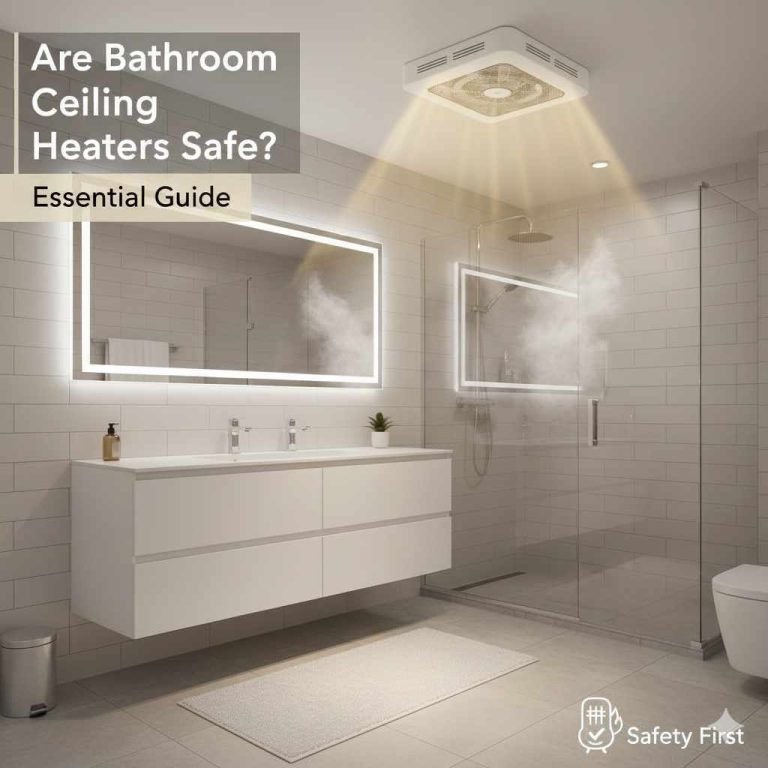
c. Ceiling-Mounted Heaters (Infrared or Fan-Forced)
These can be a good option if wall space is limited. Infrared heaters provide direct radiant heat, while fan-forced models circulate warm air.
Pros:
- Saves valuable wall space.
- Can be very effective at heating the entire room.
Cons:
- Installation can be more complex, requiring access to the ceiling.
- May require electrical work by a qualified electrician.
- Potential for direct heat on heads if not positioned correctly for infrared types.
d. Towel Warmers
While primarily for warming towels, many electric towel warmers also provide a gentle ambient heat to a small bathroom. They come in various styles, often mounted to the wall.
Pros:
- Dual purpose: warm towels and provide gentle heat.
- Adds a touch of luxury.
- Typically low energy consumption.
Cons:
- Not powerful enough to be the sole heat source for a large or very cold bathroom.
- Warmth is more ambient than intense.
For any electrical heater installed in a bathroom, it is crucial to ensure it is specifically designed for use in damp or wet locations and installed according to manufacturer instructions and local electrical codes. This often involves using Ground Fault Circuit Interrupter (GFCI) protected circuits.
Safety First! Essential Considerations for Bathroom Heaters
Bathrooms present unique challenges for heating appliances due to moisture. Safety should always be your top priority. Here’s what you need to know:
- Moisture Resistance: Always choose heaters explicitly rated for bathroom use (e.g., IPX4 or higher). These are designed to withstand splashes and humidity.
- Proper Installation: Follow manufacturer instructions meticulously, and when in doubt, hire a qualified electrician. This is especially true for hardwired units or when modifying your electrical system. Many local codes now mandate National Electrical Code (NEC) requirements, which focus on safety in wet environments.
- Placement: Never place heaters directly next to water sources (sinks, tubs, showers) unless specifically designed for it. Maintain safe clearances as specified by the manufacturer. For floor-mounted units, keep them away from high-traffic areas to prevent tripping.
- Child and Pet Safety: If you have children or pets, consider models with safety grilles or designs that minimize the risk of burns.
- Regular Maintenance: Dust and debris can build up and become a fire hazard, especially for fan-forced heaters. Clean your heater regularly according to the user manual.
- GFCI Protection: As mentioned, circuits supplying bathroom heaters should be GFCI protected. This is a critical safety feature that shuts off power quickly if it detects a fault, preventing electric shock.
Choosing the Right Heater for Your Minnesota Bathroom
Selecting the ideal heater involves looking at several factors to ensure it meets your needs effectively and safely. Let’s break down what to consider:
Factors to Consider:
- Room Size: Larger bathrooms require more powerful heaters. Check the heater’s BTU (British Thermal Unit) output or Wattage to ensure it’s suitable for your square footage. A general rule of thumb for electric heaters is 10 watts per square foot.
- Primary vs. Supplemental Heat: Will this heater be the main source of warmth, or will it just top up the temperature provided by your central heating? This impacts the type and power you’ll need.
- Budget: Costs vary significantly, from affordable portable units to expensive in-floor systems.
- Installation Complexity: Are you comfortable with DIY, or will you need professional help?
- Energy Efficiency: Look for models with good energy efficiency ratings, thermostats, and timers to control usage and save on electricity bills.
- Aesthetics: Some homeowners prefer invisible solutions like floor heating, while others are happy with wall-mounted units.
Comparison Table: Heater Types for Bathrooms
Here’s a quick look at how different dedicated bathroom heating options stack up:
| Heater Type | Best For | Estimated Cost (Unit) | Installation Complexity | Pros | Cons |
|---|---|---|---|---|---|
| Electric Radiant Floor Heating | Whole-room, consistent, luxurious warmth. Ideal during renovations. | $$$ – $$$$ (for materials & installation) | High (Professional required) | Invisible, even heat, high comfort, no wall space used. | High upfront cost, professional install needed. |
| Wall-Mounted Electric Convector/Fan-Forced | Supplemental heating, quick heat-up. | $$ – $$$ | Medium (DIY possible for plug-in, professional for hardwired) | Affordable unit cost, fast heating, various sizes. | Takes wall space, can be noisy (fan), needs proper rating. |
| Ceiling-Mounted Electric | Small bathrooms where wall space is limited. | $$ – $$$ | Medium to High (Professional recommended) | Saves wall space, effective room heating. | Installation complexity, may need electrician. |
| Electric Towel Warmer | Gentle ambient heat, warming towels. Best for smaller bathrooms. | $$ – $$$ | Medium (DIY possible for plug-in, professional for hardwired) | Dual purpose, luxurious, low energy use. | Limited heating capacity for larger spaces. |
The “Estimated Cost” column excludes existing electrical work and assumes standard installation conditions. Prices can vary based on brand, features, and your location.
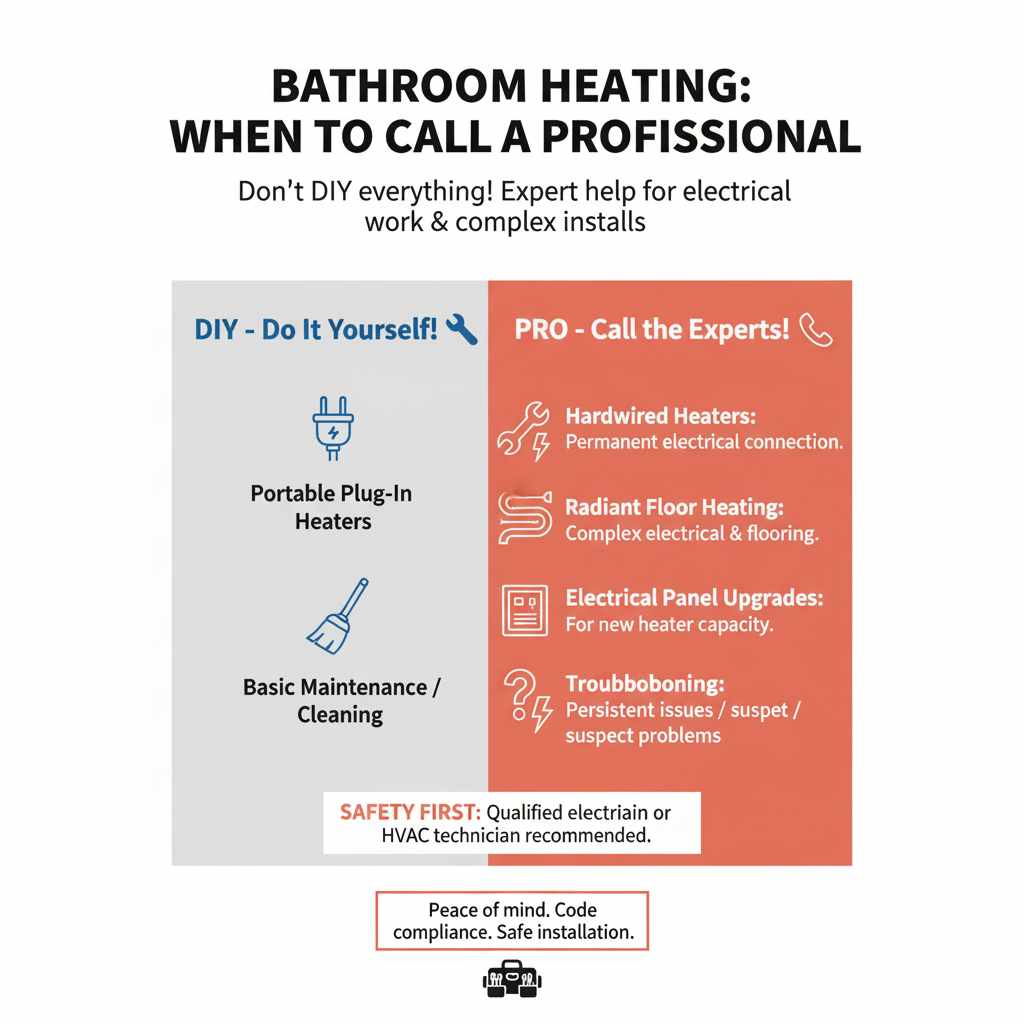
When to Call a Professional
While some basic heating solutions might be a DIY project, for anything involving your home’s electrical system, it’s often wise to call in the experts. This includes:
- Hardwired Heaters: Installing any heater that needs to be permanently connected to your home’s electrical system.
- Radiant Floor Heating: This is a complex installation that requires electrical and flooring expertise.
- Electrical Panel Upgrades: If your current panel doesn’t have enough capacity for a new heater, an electrician will need to safely upgrade it.
- Troubleshooting: If you’re experiencing persistent issues with your bathroom heating or suspect an electrical problem.
A qualified electrician or HVAC technician can ensure that your new heating system is installed safely, correctly, and in compliance with all local codes. This peace of mind is well worth the investment.
Frequently Asked Questions (FAQ)
Q1: Is a permit required to install a bathroom heater in Minnesota?
A: It depends on the type of installation and your local municipality. Hardwired electrical heating elements or significant electrical modifications often require an electrical permit and inspection. Simple plug-in heaters typically do not. Always check with your local building department to be sure.
Q2: Can I use a portable space heater in my bathroom?
A: While tempting, portable space heaters are generally NOT recommended for bathrooms due to the high risk of moisture damage and electric shock. If you must use one temporarily, ensure it’s rated for damp locations, keep it far away from water, and never leave it unattended. Dedicated bathroom heaters are much safer.
Q3: My bathroom is always cold. Is it a code violation?
A: While there might not be a direct code stating “every bathroom must have X watts of heat,” building codes require habitable spaces to be capable of being heated to a comfortable temperature. If your bathroom consistently remains uncomfortably cold, especially in winter, it could be considered a habitability issue. Addressing it with improved insulation or a dedicated heater is advisable.
Q4: How much does it cost to run a bathroom heater?
A: The cost depends on the heater’s wattage, how long you run it, and your local electricity rates. A 1500-watt heater running for one hour costs approximately $0.15 to $0.25, assuming electricity costs of $0.10-$0.17 per kWh. Using energy-efficient models with thermostats and timers can significantly reduce operational costs.
Q5: Can I install a fan-forced heater myself?
A: If it’s a plug-in model designed for simple installation, yes. However, if it’s a hardwired unit that needs to be connected to your home’s electrical system, it’s highly recommended you hire a licensed electrician to ensure it’s done safely and to code.