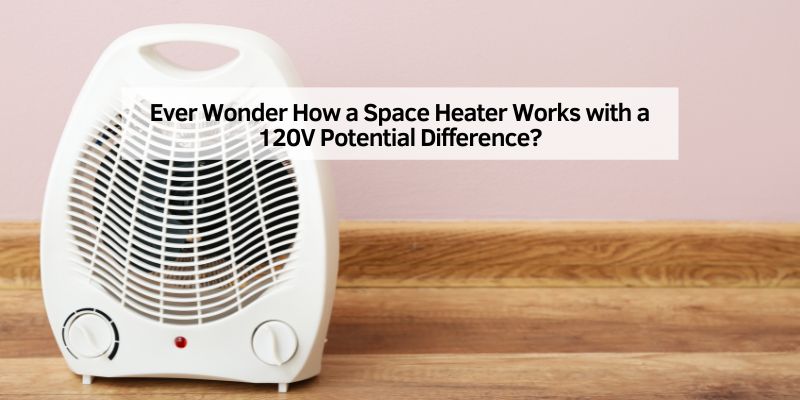
Ever Wonder How a Space Heater Works with a 120V Potential Difference?
I remember my first winter in a chilly apartment. I plugged in a space heater, felt the cozy warmth, and wondered, “How does this thing work?” When a 120V potential difference is applied to a space heater, it transforms electricity into heat. This article explains that process in simple words. I’ll share what it means, how it works, and easy tips to use your heater safely. Whether you’re new to heaters or a tech enthusiast, you’ll find clear answers and fun ideas here.
What Is a 120V Potential Difference?
A 120V potential difference is the push that makes electricity flow in a space heater. In the USA, most home outlets provide 120 volts to power devices like heaters.
Think of voltage as water pressure in a hose. The 120 volts push electric current through the heater’s wires. This current turns into heat, warming your room. It’s the standard voltage for home appliances in the USA, safe and reliable for everyday use.
Why Does a Space Heater Need 120V?
Space heaters use 120V to create enough heat safely. The voltage powers a heating element, usually a coil of special wire. When electricity flows, the coil gets hot and warms the air.
Higher voltage, like 240V, could make too much heat and be unsafe for home use. The 120V standard keeps heaters efficient and safe. It’s why your heater plugs into a regular outlet without fancy wiring.
How Does a Space Heater Turn Electricity into Heat?
When a 120V potential difference is applied to a space heater, electricity flows through a resistive wire. This wire resists the current, creating heat. It’s like rubbing your hands together to warm them up.
The heat spreads through the heater, often with a fan to blow warm air. This process, called Joule heating, is simple but powerful. It turns electrical energy into cozy warmth for your home.
Understanding Resistance in Heaters
Resistance is how much the heater’s wire fights the electric current. A typical space heater has a resistance of 10-20 ohms when hot. Lower resistance means more current flows, creating more heat.
For example, a heater with 12 ohms resistance uses 10 amps of current at 120V. This produces about 1200 watts of heat, enough to warm a small room. I’ll explain how to calculate this later.
Step-by-Step: Calculating Heater Power
Want to know how much power your heater uses? Here’s an easy guide. You can calculate power, current, or resistance using simple formulas. Let’s break it down.
- Step 1: Find the power (watts). Use the formula P = V² / R. If your heater has 12 ohms resistance and 120V, calculate: 120² / 12 = 1200 watts.
- Step 2: Find the current (amps). Use I = V / R. For the same heater: 120 / 12 = 10 amps.
- Step 3: Check your outlet. Most home outlets handle 15 amps, so this heater is safe to use.
This math helps you understand your heater’s energy use. Try it with a calculator for fun!
Table 1: Power Output for Different Resistances
| Resistance (Ohms) | Voltage (V) | Power (Watts) |
|---|---|---|
| 10 | 120 | 1440 |
| 12 | 120 | 1200 |
| 15 | 120 | 960 |
| Caption: Compare how resistance changes power output at 120V. |
Safety Tips for Using a Space Heater
Space heaters are great but need care. I once left a heater too close to a curtain—yikes! Here are simple tips to stay safe.
- Keep it clear. Place your heater 3 feet from curtains, furniture, or walls.
- Use the right outlet. Plug directly into a wall outlet, not an extension cord.
- Turn it off. Unplug the heater when you leave the room or sleep.
- Check the cord. Look for frayed wires to avoid shocks or fires.
Safety keeps your home cozy and worry-free. Always double-check before turning on your heater.
Benefits of a 120V Space Heater
A 120V space heater is easy to use and affordable. It plugs into any standard outlet, so no special wiring is needed. They’re great for small spaces like bedrooms or offices.
They also save energy compared to central heating. You heat only the room you’re in, not the whole house. This can lower your electric bill, especially in winter.
Drawbacks to Watch For
Space heaters use a lot of electricity. Running one for hours can add up on your bill. They’re also not ideal for large rooms, as they may not heat evenly.
Another drawback is safety risks. If misused, heaters can cause fires. Always follow safety tips to avoid problems.
Cost-Saving Ideas for Space Heaters
Want to save money? Here’s how I keep my heater costs low.
- Use a timer. Set your heater to turn off after a few hours.
- Lower the thermostat. If you have central heating, turn it down when using a space heater.
- Insulate your room. Close windows and use draft stoppers to trap heat.
These tricks keep your room warm without breaking the bank. Try them this winter!
Table 2: Cost of Running a Space Heater
| Power (Watts) | Hours Used | Cost at $0.05/kWh |
|---|---|---|
| 1000 | 5 | $0.25 |
| 1200 | 5 | $0.30 |
| 1500 | 5 | $0.38 |
| Caption: Estimate costs for different heater power levels over 5 hours. |
Common Mistakes to Avoid
I’ve seen people make simple errors with space heaters. Avoid these to stay safe and save money.
- Overloading outlets. Don’t plug multiple heaters into one outlet.
- Ignoring the manual. Read your heater’s instructions for safe settings.
- Running it all day. Turn it off when not needed to save energy.
Learning from mistakes makes using your heater easier and safer.
Fun Project: Build a Simple Heater Model
Want to see how a heater works? Try this fun project. It’s a safe way to learn about a 120V potential difference applied to a space heater. You’ll need adult help if you’re young.
- Materials: A small nichrome wire, a 9V battery (safer than 120V), a switch, and insulated wires.
- Steps:
- Connect the nichrome wire to the battery via the switch.
- Turn on the switch. The wire heats up slightly.
- Feel the warmth (carefully!). This mimics a real heater’s coil.
- Safety: Use low voltage and insulate all connections.
This project shows how electricity turns into heat. It’s a cool way to learn!
Visual Ideas for Better Understanding
Pictures make learning easier. Here are ideas for visuals (not included):
- Diagram 1: Show a simple circuit with a battery, wire, and heater coil.
- Diagram 2: Illustrate a heater’s parts (coil, fan, plug).
- Chart 3: Graph power output vs. resistance for different heaters.
These visuals would help you see how heaters work. Ask a teacher or parent to draw them!
Alternatives to 120V Space Heaters
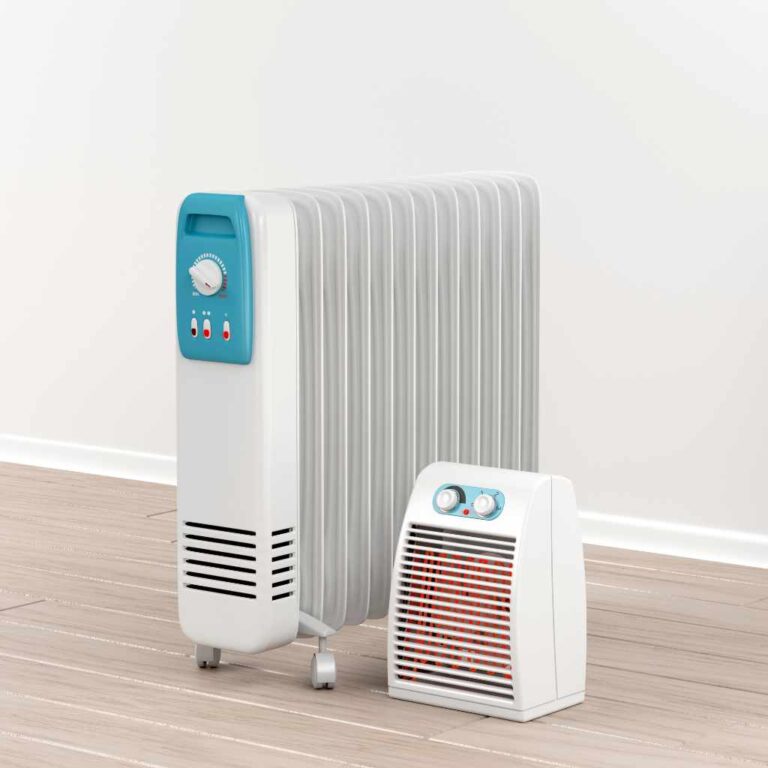
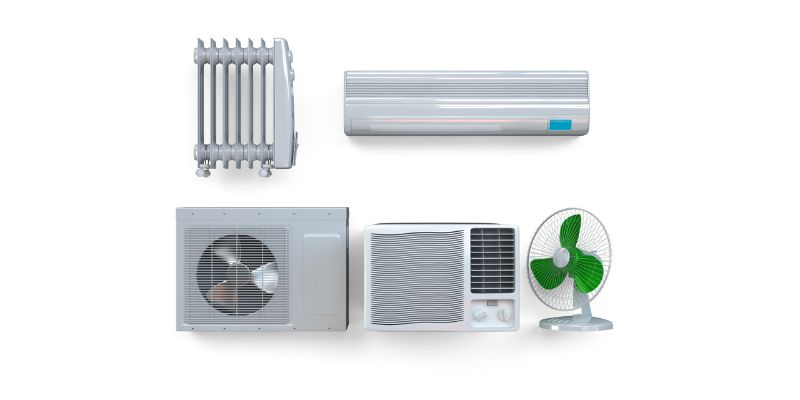
Not sure a space heater is right? Try these options. A blanket warmer uses less power and keeps you cozy. A portable oil radiator heats larger spaces slowly but evenly.
For big rooms, a central heater might work better. It uses more energy but covers the whole house. Compare options to find what fits your needs.
Table 3: Comparing Heating Options
| Type | Power Use | Best For |
|---|---|---|
| Space Heater | 1000-1500W | Small rooms |
| Blanket Warmer | 100-200W | Personal use |
| Oil Radiator | 800-1200W | Medium rooms |
| Caption: Compare different heaters for your home. |
My Personal Heater Story
Last winter, I used a space heater in my office. It was 120V, with a 15-ohm coil. I calculated it used 960 watts, perfect for my small space. But I learned to keep it away from papers after a close call! This taught me to always check safety tips and save energy.
Experimenting with my heater was fun. I even timed it to shut off after two hours. It kept my bill low and my room warm. Try tweaking your heater’s settings too!
Conclusion
A 120V potential difference applied to a space heater powers a simple but amazing device. It turns electricity into heat to keep you warm. You learned how it works, how to stay safe, and ways to save money. Try calculating your heater’s power or building a model for fun. Share your heater tips with friends or family. Stay cozy and safe this winter! Visit Energy.gov for more energy-saving ideas.
Frequently Asked Questions
What does 120V mean for a space heater?
A 120V potential difference is the electric push that makes your heater work. It’s the standard voltage in US homes, powering the heater’s coil to create heat.
How much power does a 120V heater use?
Power depends on resistance. For a 12-ohm heater, use P = V² / R: 120² / 12 = 1200 watts. Check your heater’s label for its wattage.
Is a 120V space heater safe?
Yes, if used correctly. Keep it away from flammable items, plug it into a wall outlet, and turn it off when not in use. Follow the manual.
How much does it cost to run a 120V heater?
A 1000-watt heater costs about $0.05 per hour at $0.05/kWh. For 5 hours, that’s $0.25. Check your bill for your kWh rate.
Can I use a 120V heater in a big room?
It’s best for small rooms. For larger spaces, try an oil radiator or central heating. They spread heat more evenly.
What’s the resistance of a typical 120V heater?
Most heaters have 10-20 ohms resistance when hot. A 15-ohm heater uses 960 watts, good for small spaces. Check your heater’s specs.
How do I save energy with a 120V heater?
Use a timer, insulate your room, and lower your home’s thermostat. These tricks reduce energy use and keep your bill low.