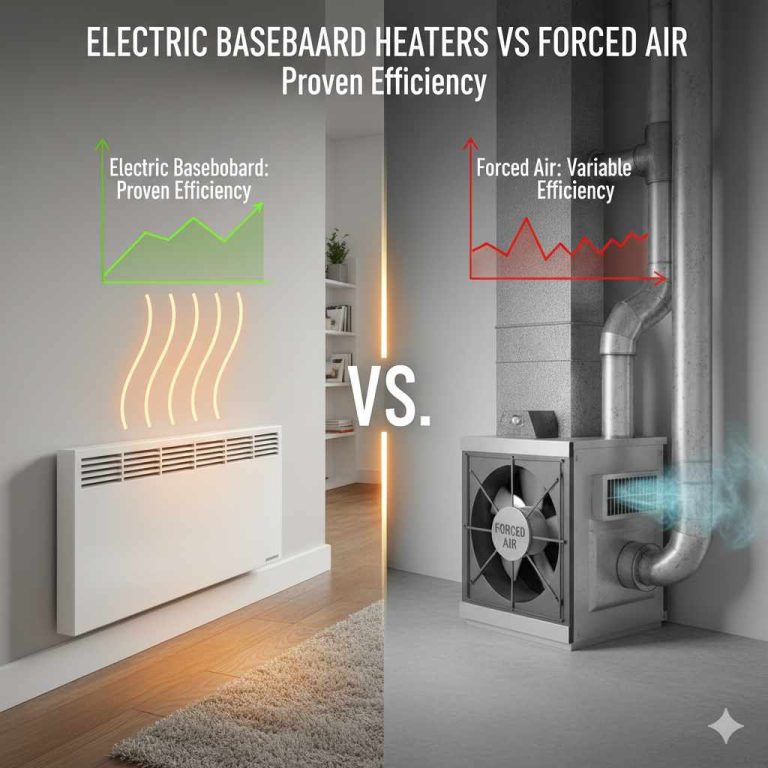
Dimplex Vs Cadet Baseboard Heaters: Proven Efficiency
Dimplex and Cadet baseboard heaters are both reliable options, but Dimplex often edges out Cadet in overall efficiency and features with advanced convection technology. Cadet offers a sturdy, straightforward design. Choosing between them depends on your specific needs for heating performance, energy savings, and budget.
Dimplex vs Cadet Baseboard Heaters: Proven Efficiency for Your Cozy Home
Feeling a chill? Choosing the right baseboard heater can make a big difference in keeping your home warm and your energy bills manageable. It’s a common puzzle for homeowners: which brand offers the best performance? Two popular names you’ll often see are Dimplex and Cadet. They both promise cozy warmth, but how do they stack up against each other when it comes to efficiency? Don’t worry, we’re here to break it all down for you in a way that makes perfect sense. We’ll guide you through their features, helping you make a choice that keeps your home toasty and your wallet happy. Let’s dive in and find the perfect heater for your space!
Understanding Baseboard Heaters: The Basics
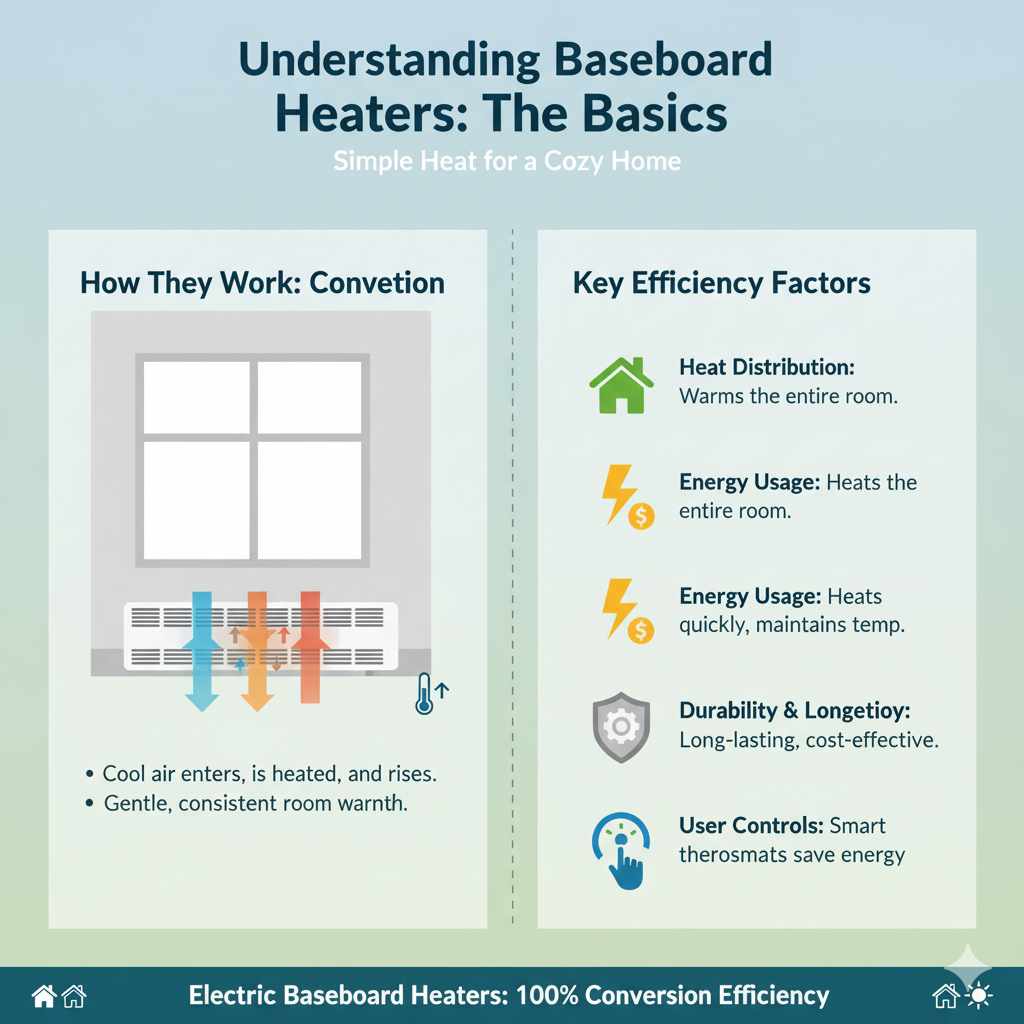
Before we compare Dimplex and Cadet head-to-head, let’s quickly touch on what makes baseboard heaters tick. They’re electric heaters that sit along your walls, usually under windows. They work by drawing in cooler room air, heating it up, and then releasing the warm air back into the room. This process is called convection, and it’s a simple yet effective way to warm up a space.
There are a few main types of electric baseboard heaters:
- Convection Heaters: These are the most common. Cold air goes in one end, gets heated by coils, and warm air rises out the other end. They provide a gentle, consistent warmth throughout the room.
- Radiant Heaters: These heat objects and people directly with infrared radiation, similar to how the sun feels warm. They heat up a space faster but the warmth might not be as evenly distributed as convection. Most baseboard heaters are convection style for even heating.
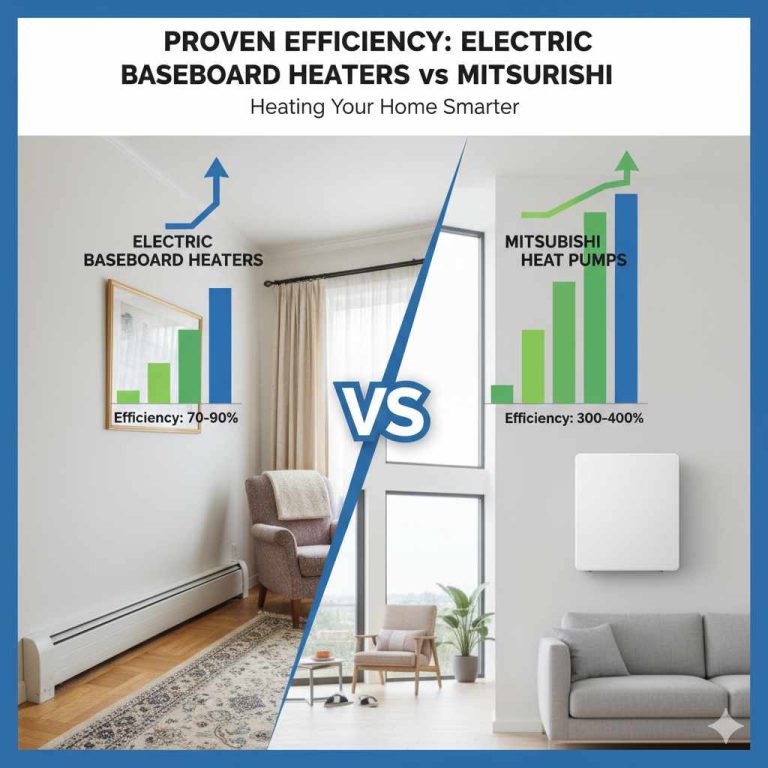
The efficiency of any electric heater is often measured by how well it converts electricity into heat. For most electric resistance heaters like baseboard units, this conversion is very close to 100%. So, when we talk about “efficiency” in this context, we’re really looking at:
- Heat Distribution: How well the heater warms the entire room.
- Energy Usage: How quickly it heats the room and how it maintains temperature, impacting overall electricity consumption.
- Durability and Longevity: A heater that lasts longer is more cost-effective over time.
- User Controls: Thermostats and settings that help prevent overheating and wasted energy.
Dimplex Baseboard Heaters: Innovation Meets Warmth
Dimplex is a brand known for its commitment to innovation and creating visually appealing, efficient heating solutions. When you look at their baseboard heaters, you’ll often find features designed to enhance comfort and save energy.
Key Features and Benefits of Dimplex
Dimplex often incorporates advanced design elements into their baseboard heaters:
- Picowatt Quiet Heating Technology: Some Dimplex models use an oil-filled design (similar to hydronic baseboard heaters, but without the water). This oil heats up slowly and releases heat gradually, providing a very quiet and even warmth. This can also lead to sustained comfort without the on-and-off cycling of traditional elements, potentially feeling more energy-efficient as it avoids large temperature swings.
- Durable Construction: Dimplex heaters are generally built to last, with sturdy casings and reliable heating elements.
- Stylish Designs: While functionality is key, Dimplex often offers sleeker designs that can blend better with home decor.
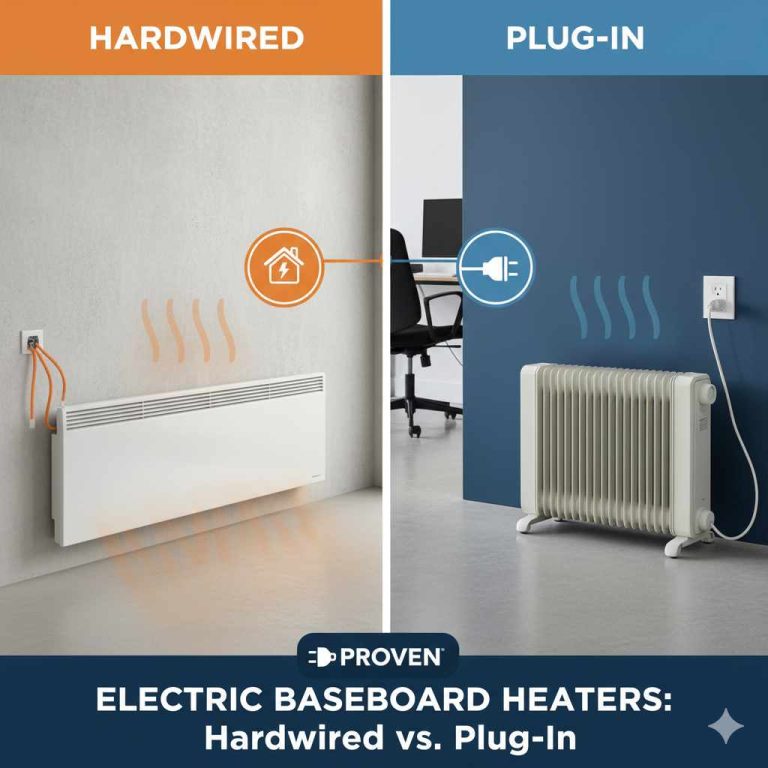
- Easy Installation: Many models are designed for straightforward hardwired installation by a qualified electrician.
- Energy Saving Options: Look for models with built-in thermostats or compatibility with smart thermostats, allowing for precise temperature control and energy savings.
Dimplex Efficiency in Practice
Where Dimplex often shines is in its ability to provide consistent, comfortable heat. The oil-filled models, for example, continue to radiate heat even after the heating element has cycled off. This means the room stays warmer for longer, reducing how often the heater needs to turn on. This sustained heat release contributes to a feeling of efficiency, as it maintains your desired temperature with fewer power surges.
For those looking to optimize their energy use, Dimplex offers a range of options. Their newer models are often designed with newer heating element technologies aiming for quicker heat-up times and more responsive temperature management. Pairing a Dimplex heater with a programmable or smart thermostat can significantly boost its energy efficiency by allowing you to set back temperatures when rooms aren’t in use. Learn more about smart home energy management from resources like the U.S. Department of Energy.
Cadet Baseboard Heaters: Classic Reliability
Cadet is another long-standing name in home heating, recognized for its durable, no-nonsense approach. Cadet baseboard heaters are known for their straightforward design, robust construction, and dependable performance.
Key Features and Benefits of Cadet
Cadet heaters offer a solid foundation for heating your home:
- Durable Steel Construction: Cadet heaters are built with heavy-gauge steel, making them incredibly tough and resistant to damage.
- Simple and Effective Heating Elements: They use reliable, high-performance heating elements that efficiently convert electricity to heat.
- Easy to Use Controls: Many Cadet models feature simple built-in thermostats or are compatible with external wall thermostats for easy temperature adjustments.
- Wide Range of Sizes: Available in various lengths and wattages to suit different room sizes and heating needs.
- Proven Longevity: Cadet heaters have a reputation for lasting for many years, providing consistent warmth over time.
Cadet Efficiency in Practice
Cadet baseboard heaters are highly efficient in their core function: converting electricity into heat. Like all electric resistance heaters, the conversion rate is close to 100%. Their efficiency in practice comes down to their robust design and reliable performance. They heat up quickly and maintain a consistent temperature. The key to maximizing Cadet’s efficiency lies in proper sizing and thermostat usage.
A correctly sized Cadet heater will heat your room effectively without running excessively. For optimal energy savings, it’s crucial to pair Cadet heaters with good quality thermostats. External thermostats, especially programmable ones, offer better precision than some built-in units and allow you to tailor heating to your schedule, preventing wasted energy when you’re away or asleep. Resources like Energy Star offer great tips on using thermostats effectively to save energy.
Dimplex vs Cadet: A Feature Comparison
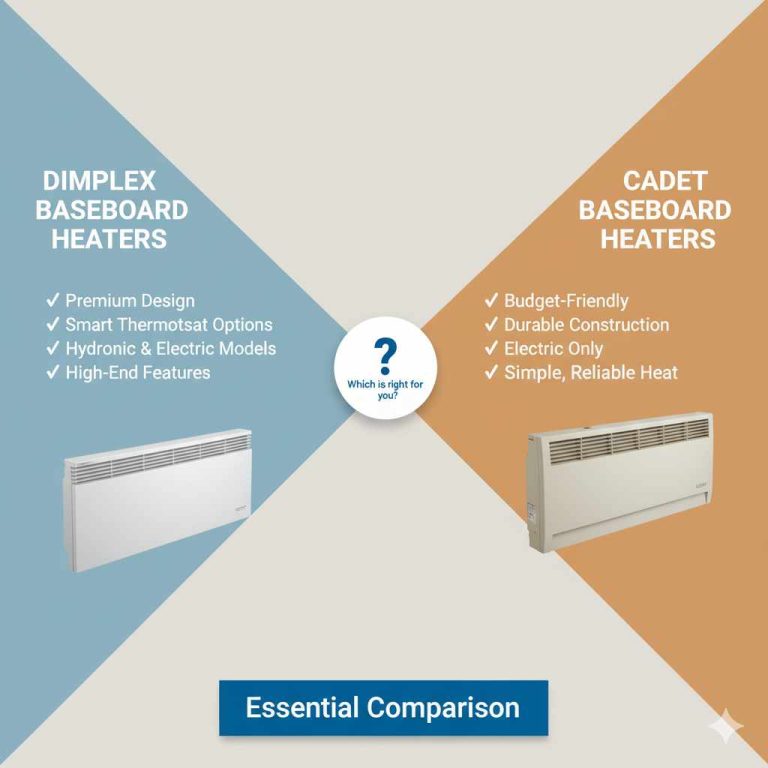
To help you see the differences clearly, here’s a look at how Dimplex and Cadet baseboard heaters compare across several key areas:
| Feature | Dimplex | Cadet |
|---|---|---|
| Heating Technology | Often features advanced convection, some models use oil-filled elements for quieter, sustained heat. | Traditional, reliable convection heating elements. |
| Noise Level | Generally quieter, especially oil-filled models which offer near silent operation. | Can have audible clicking or humming as elements heat and cool, typical for electric resistance. |
| Heat Distribution | Excellent, with advanced designs promoting even room heating and sustained warmth. | Good, providing consistent heat when properly sized and controlled. |
| Durability | High quality, built with robust materials and reliable components. | Very High, known for heavy-duty steel construction and long-term resilience. |
| Energy Efficiency (Perceived) | Often perceived as more efficient due to sustained heat release (oil-filled) and advanced convection, leading to fewer temperature swings. | Highly efficient in converting electricity to heat; effective when correctly sized and paired with good thermostats. |
| Design & Aesthetics | Often sleeker, more modern designs that can blend into decor. | Classic, functional design, prioritizing durability over aesthetics. |
| Installation | Designed for typical hardwired installation by a qualified electrician. | Standard hardwired installation, straightforward for electricians. |
| Price Range | Can be slightly higher, especially for models with advanced features. | Generally more budget-friendly. |
| Thermostat Options | Available with integrated thermostats and excellent compatibility with smart/programmable options. | Many models offer integrated thermostats, with wide compatibility for external wall units. |
Proven Efficiency: What Does It Mean for You?
When we talk about “proven efficiency” for Dimplex vs Cadet baseboard heaters, it’s important to understand what that entails. As mentioned, electric resistance heaters are inherently close to 100% efficient in converting electricity into heat. So, the “proven efficiency” really comes down to how effectively that heat is delivered and maintained in your room, and how well the heater’s design helps you avoid energy waste.
Factors Contributing to Proven Efficiency:
- Heat Delivery Mechanism: Dimplex’s oil-filled models excel here by releasing heat slowly and consistently. This creates a more stable room temperature, meaning the thermostat doesn’t have to cycle the heating element on and off as frequently. This sustained heat can feel more comfortable and prevent energy spikes by avoiding rapid temperature drops.
- Airflow and Convection: Both brands utilize convection. However, advanced convection designs, often found in Dimplex’s newer units, might optimize airflow to distribute heat more evenly and quickly throughout the space.
- Thermostat Accuracy and Control: This is arguably the biggest factor in real-world efficiency for any baseboard heater. A precise thermostat prevents overheating and wasted energy. While both brands offer thermostat options, models that are compatible with high-quality external programmable or smart thermostats will generally perform better in terms of energy savings. Organizations like Energy Star provide extensive information on how thermostats impact energy use.
- Build Quality and Longevity: A heater that lasts longer is more efficient in the long run. Both Dimplex and Cadet are known for durability. However, Cadets’ heavy-duty construction often gives them a slight edge in sheer toughness.
- Room Insulation and Usage: The most efficient heater won’t perform well in a poorly insulated room. Proper insulation, including sealing drafts around windows and doors, is crucial for making any baseboard heater – Dimplex or Cadet – perform efficiently.
When Dimplex Might Have an Edge:
If your priority is the quietest, most consistent heat that lingers, Dimplex’s oil-filled models are very compelling. They offer a “set it and forget it” experience for many users, maintaining a pleasant temperature with minimal noticeable cycling. This sustained heat can make a room feel warmer for longer, potentially allowing you to set the thermostat a degree or two lower while still feeling comfortable.
When Cadet Shines:
Cadet offers dependable, straightforward heating. Their efficiency is proven through their robust design and reliable performance. For users who want a tough heater that does its job without fuss, and who are diligent about using a good external thermostat, a Cadet heater is an excellent, cost-effective choice. Their simplicity means fewer potential points of failure over many years of use.
Installation Considerations
Regardless of whether you choose Dimplex or Cadet, proper installation is key to both safety and efficient operation. Baseboard heaters are typically hardwired into your home’s electrical system. This is not usually a DIY job for beginners and should be performed by a qualified electrician.
An electrician will ensure:
- The heater is correctly sized for the room’s square footage and heating needs.
- The electrical circuit can handle the heater’s wattage.
- All connections are secure and meet safety codes.
- If an external thermostat is being installed, it’s wired correctly for optimal performance.
You can find resources on electrical safety and codes from government bodies like the Occupational Safety and Health Administration (OSHA), which outlines general workplace electrical safety standards that often apply to home installations to ensure safety.
Maximizing Your Baseboard Heater’s Efficiency
No matter which brand you choose, you can take steps to make your baseboard heaters as efficient as possible:
- Proper Sizing: Too small, and it won’t heat the room adequately, running constantly. Too large, and it will cycle on and off too frequently or overheat the room, wasting energy. A general rule is 10 watts per square foot for a well-insulated room, but this can vary based on climate and window insulation. Consult an HVAC professional or use online calculators for more precise sizing.
- Thermostat Control: This is crucial!
- Use Programmaable or Smart Thermostats: Set lower temperatures when you’re away or asleep. Smart thermostats can learn your habits and be controlled remotely.
- Avoid Built-in Thermostats (if possible): While convenient, many built-in thermostats are less accurate. They can lead to significant temperature swings and energy waste. An external wall thermostat (especially a digital one) is usually more precise.
- Regular Calibration: If you have older thermostats, they might need recalibration to ensure accuracy.
- Keep Them Clear: Never block the front or top of your baseboard heater with furniture, curtains, or rugs. This impedes airflow, makes the heater work harder, and can be a fire hazard.
- Seal Drafts and Insulate: Ensure windows and doors are properly sealed. Add weatherstripping if needed. Good insulation in walls and attics also means your heater won’t have to fight to maintain temperature. The U.S. Department of Energy’s Energy Saver website has excellent guides on weatherizing your home.
- Regular Cleaning: Dust and debris can accumulate inside baseboard heaters, reducing their efficiency. Periodically (usually once a year), turn off power at the breaker and vacuum out any dust. Follow the manufacturer’s cleaning instructions carefully.
- Zone Heating: Only heat the rooms you are using. If you have multiple rooms with baseboard heaters, use their thermostats (or a central thermostat system) to manage heating effectively room by room.

Frequently Asked Questions (FAQ)
Q1: Which baseboard heater is more energy-efficient, Dimplex or Cadet?
Both Dimplex and Cadet baseboard heaters are very efficient at converting electricity to heat (nearly 100%). The perceived difference in energy efficiency often comes down to design features like Dimplex’s quieter, sustained heat from oil-filled models, and how well you control the temperature with thermostats. Using a high-quality programmable or smart thermostat with either brand will yield the best energy savings.
Q2: Are Dimplex heaters quieter than Cadet heaters?
Generally, yes. Dimplex often uses technologies like an oil-filled interior that heats and releases warmth gradually and almost silently. Cadet heaters use standard heating elements that can make audible clicking or humming sounds as they heat up and cool down, which is normal for this type of heater.
Q3: Which brand is more durable, Dimplex or Cadet?
Both brands are known for durability. Cadet heaters often feature a heavy-duty steel construction that is exceptionally robust and long-lasting. Dimplex heaters are also built to last with quality components. It’s often a tie, with Cadet having a reputation for being slightly tougher in build.
Q4: Can I install a smart thermostat with either Dimplex or Cadet baseboard heaters?
Yes, both Dimplex and Cadet baseboard heaters are typically designed to work with external thermostats, including digital, programmable, and smart thermostats. This is the best way to maximize energy efficiency with either brand. Always check the specific model’s compatibility, but most modern units are designed for this flexibility.
Q5: How often should I clean my Dimplex or Cadet baseboard heater?
It’s recommended to clean your baseboard heaters at least once a year, typically before the heating season begins. Turn off the power at the breaker first. Then, use a vacuum cleaner with a brush attachment to gently remove dust and debris from the fins and interior. Always refer to the manufacturer’s manual for specific cleaning instructions.
Q6: Do I need to hire an electrician to install a baseboard heater?
Yes, for safety reasons and to ensure proper installation according to electrical codes, it is highly recommended to hire a qualified electrician to install any hardwired baseboard heater. They will ensure the unit is correctly connected to your home’s electrical system.
Q7: Which type of baseboard heater is best for a large, open room?
For large, open rooms, you’ll want to ensure even heat distribution. Consider the Wattage per square foot recommendation. For very large spaces, you might need multiple heaters or a higher-wattage unit. Dimplex’s advanced convection designs might offer a slight advantage in circulating heat more effectively in such spaces compared to simpler models. However, proper sizing is the most critical factor.