Electric Baseboard Heater vs Forced Air: Essential Choice
Quick Summary: Choosing between electric baseboard heaters and forced air systems depends on your home, budget, and comfort needs. Electric baseboards offer easy zone control and quiet operation, ideal for smaller spaces or supplemental heat. Forced air provides whole-house heating efficiently but can be noisier and less customizable per room. This guide helps you pick the best fit for your cozy home!
When it comes to keeping your home warm and toasty, you’ve got a few main choices. Two popular ones are electric baseboard heaters and forced air systems. Deciding between them can feel a bit tricky, especially if you’re new to home heating or looking to upgrade. You want a system that’s effective, won’t break the bank, and keeps everyone comfortable, right? Don’t worry, we’ll break down each option in a simple way, helping you make a choice you’ll feel great about. Let’s explore what makes each system unique so you can find your perfect heating solution.
Understanding Your Home Heating Options: Electric Baseboard vs. Forced Air
Making sure your home is a warm haven is super important, especially when those chilly days arrive. Think of your heating system as the heart of your home’s comfort. Today, we’re going to get to know two main contenders: electric baseboard heaters and forced air systems. They work in very different ways and are suited for different kinds of homes and needs. Understanding these differences will empower you to make the best decision for your space, your wallet, and your peace of mind. Let’s dive in!
What Are Electric Baseboard Heaters?
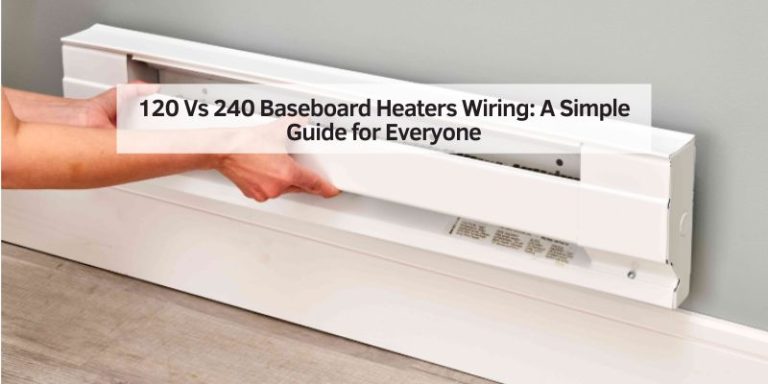
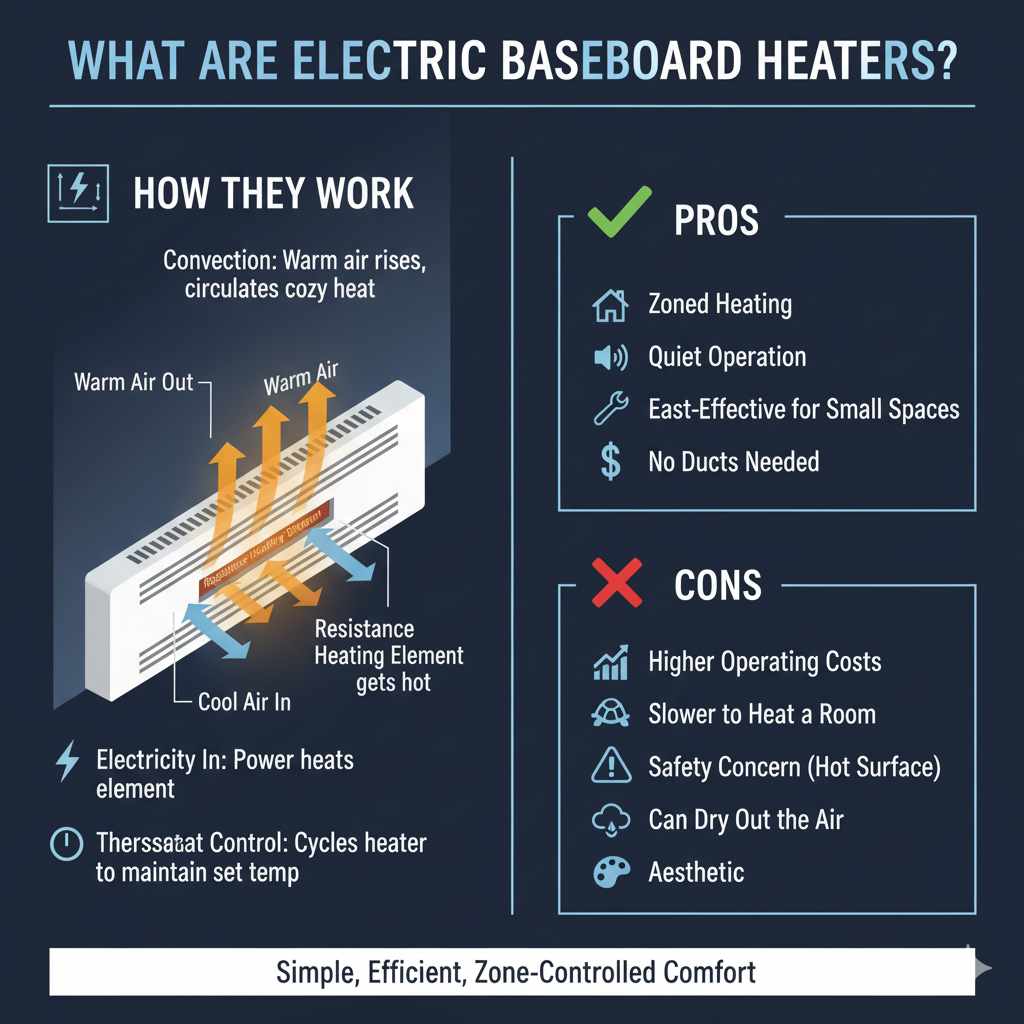
Imagine sleek, low-profile units installed along the base of your walls, usually beneath windows. That’s an electric baseboard heater! These heaters work by drawing in cool air, warming it with an electric heating element, and then releasing the warm air into the room. It’s a direct, physical process that heats the space right where the heater is located. Each unit typically has its own thermostat, giving you individual control over the temperature in that specific room. This means you can heat only the rooms you’re using, which can be a real energy saver!
How They Work: The Simple Science
Electric baseboard heaters operate on a simple principle of convection and radiation. Inside the heater, there’s an electric resistance element. When electricity flows through this element, it gets hot. Cool air from the room enters the bottom of the heater, passes over the hot element, and becomes warm. This warm air then rises and circulates into the room. Some heat is also transferred directly to the room through radiation. Each baseboard unit is usually controlled by a built-in thermostat, allowing you to set a specific temperature for that zone. When the room reaches the desired temperature, the thermostat signals the heating element to turn off, and it turns back on when the temperature drops.
Pros of Electric Baseboard Heaters
- Zoned Heating: The biggest advantage is independent room control. You can heat only the rooms you’re using, saving energy and money.
- Quiet Operation: They produce heat with very little noise, making them ideal for bedrooms, studies, or any space where quiet is important.
- Easy Installation: For new installations or replacements, they are generally simpler and less expensive to install compared to complex ductwork systems.
- Cost-Effective for Small Spaces: They are a great solution for supplemental heating or for smaller homes, individual rooms, or areas where central heating is insufficient.
- No Ducts Needed: This means no energy loss through leaky ducts and no need for duct maintenance or cleaning.
- Consistent Heat: They provide a steady stream of warmth, helping to prevent cold spots in the room.
Cons of Electric Baseboard Heaters
- Higher Operating Costs: Electricity can be more expensive per unit of heat than natural gas, so running them as a primary heat source in a large home can lead to higher monthly bills, depending on local electricity rates.
- Slower to Heat a Room: Compared to forced air, they might take a bit longer to warm up a cold room initially.
- Can Be a Safety Concern with Children and Pets: The heating elements can get very hot, posing a burn risk if touched. Covers are available to mitigate this.
- Can Dry Out the Air: Like many heating methods, they can contribute to dry indoor air, which might require the use of a humidifier.
- Aesthetic: Some people find them less attractive than other heating options, though modern designs have improved significantly.
What Are Forced Air Systems?
Forced air systems are what most people imagine when they think of central heating. This is the most common type of heating in many homes. It works by heating air in a central furnace or heat pump and then distributing that warm air throughout your house via a network of ducts and vents. A fan (blower) pushes the heated air through these ducts, delivering it to different rooms.
How They Work: The Central Hub Approach
A forced air system typically uses a furnace, which burns fuel (like natural gas, propane, or oil) to heat air, or a heat pump, which moves heat from one place to another. This heated air is then blown by a powerful fan through a system of metal ducts that run through your walls, floors, and ceilings to registers or vents in each room. The cooled air from your home is drawn back through return ducts to the furnace or heat pump to be reheated, creating a continuous cycle. A central thermostat controls the entire system.
Pros of Forced Air Systems
- Whole-House Heating: They are excellent at distributing heat evenly throughout an entire home, ensuring consistent temperatures in all rooms.
- Fast Heating: The blower fan pushes warm air quickly, so rooms tend to heat up relatively fast once the system is running.
- Can Incorporate Air Conditioning: Most forced air systems are designed to also deliver cool air for air conditioning during warmer months, using the same ductwork.
- Air Filtration and Humidification: They can easily integrate air filters to improve indoor air quality and humidifiers/dehumidifiers to control moisture levels.
- Energy Efficiency (with Gas): Natural gas furnaces are often more cost-effective to run for heating a whole home compared to electric resistance heating.
Cons of Forced Air Systems
- Higher Installation Cost: Installing a new forced air system, especially with ductwork, can be significantly more expensive upfront than installing baseboard heaters.
- Need for Ductwork: Requires a complex network of ducts. If your home doesn’t have them, installation can be invasive and costly. Ducts can also lose energy if they are not well-sealed. For more on duct sealing, check out the U.S. Department of Energy’s recommendations: Energy Savers – Air Ducts and Registers.
- Noise: The furnace and blower fan can create noise, which can be noticeable and disruptive for some people.
- Less Room-by-Room Control: While you can adjust vents, achieving precise temperature control in individual rooms can be challenging without add-on systems.
- Maintenance: Requires regular maintenance, including filter changes and annual tune-ups for the furnace or heat pump.
- Can Redistribute Allergens: If not properly filtered, forced air systems can circulate dust, allergens, and other particles throughout the home.
Key Differences: A Side-by-Side Look
Let’s put these two heating giants head-to-head. Understanding the core differences will make your choice much clearer. Think about what matters most to you: energy costs, comfort, ease of use, or the initial investment.
| Feature | Electric Baseboard Heaters | Forced Air Systems |
|---|---|---|
| Heating Method | Electric resistance element heats air directly in the room. | Furnace or heat pump heats air centrally; fan pushes it through ducts. |
| Distribution | Heats individual rooms where installed. | Distributes heat throughout the entire house via ducts. |
| Control | Individual thermostat for each unit/room (zoned). | Central thermostat controls the whole system. |
| Installation Complexity | Relatively simple, no ductwork required. | Requires extensive ductwork; more complex installation. |
| Initial Cost | Generally lower for unit purchase and installation. | Higher for system and ductwork installation. |
| Operating Cost | Can be higher depending on electricity rates and usage. | Often lower for whole-house heating, especially with gas. |
| Noise Level | Very quiet. | Fan and furnace can produce noticeable noise. |
| Air Quality Impact | Minimal direct impact; can dry air. | Can circulate air, filter, humidify/dehumidify if equipped. |
| Best For | Supplemental heating, smaller homes, specific rooms, quiet zones. | Whole-house heating, quick temperature changes, homes with existing ductwork. |
When to Choose Electric Baseboard Heaters
Electric baseboard heaters shine in specific situations. If you’re looking for targeted warmth, simplicity, or need to heat just a few areas, they might be your perfect match.
Ideal Scenarios for Baseboard Heaters
- Adding Heat to Cold Rooms: Is there that one room in your house that never seems to get warm enough with your central system? Baseboard heaters are fantastic for supplementing your existing heat and eliminating those cold spots.
- Heating Small Spaces or Additions: Granny flats, finished basements, garages, or small apartments often benefit from the focused heating that electric baseboards provide without the expense of extending central ductwork.
- Supplemental Heating: Many homeowners use them to take the edge off in early spring or late fall, reducing the need to turn on the main furnace.
- Rental Properties or Secondary Homes: Their lower initial cost and easy installation make them attractive for landlords or owners of vacation homes. Each room can be controlled independently, allowing tenants or owners to manage their own comfort and energy use.
- Homes Without Existing Ductwork: If your home is older and lacks ductwork, installing baseboard heaters is far less invasive and costly than retrofitting ducts for a forced air system.
- Prioritizing Quiet Comfort: For bedrooms, nurseries, or home offices, the silent operation of electric baseboard heaters is a significant advantage.
When to Choose Forced Air Systems
Forced air systems are the heavy-hitters when it comes to heating an entire home efficiently and quickly. They offer a robust solution for consistent comfort year-round.
Ideal Scenarios for Forced Air Systems
- Heating a Whole House: If you have a larger home and want consistent warmth in every room, a forced air system is generally the most effective way to achieve this.
- Homes with Existing Ductwork: If your home already has a well-maintained duct system for heating or cooling, using it for a forced air furnace or heat pump is a logical and often cost-effective choice. According to ENERGY STAR, well-sealed ducts are crucial for efficiency: ENERGY STAR – Understand Ductwork.
- Year-Round Climate Control: If you want a single system that can handle both heating and air conditioning, forced air is the way to go, as it uses the same ductwork.
- Quick Temperature Changes: If you like to crank up the heat and feel warmth quickly after the system kicks on, the blower fan action of forced air delivers that rapid heating.
- Desire for Integrated Air Quality Features: If you’re concerned about indoor air quality, forced air systems are the best platform for integrating advanced air filters, humidifiers, or dehumidifiers.
- Primary Heat Source in Colder Climates: In regions with long, cold winters, a powerful and efficient forced air system (especially a natural gas furnace) is often the most practical and economical primary heating solution.
Installation and Maintenance Considerations
The choice between these systems also involves thinking about how they are installed and what upkeep they require. This can impact your long-term experience and costs.
Electric Baseboard Heater Installation
Installation for electric baseboard heaters is generally straightforward. They are electric, meaning they need a dedicated circuit from your electrical panel. They are typically mounted on the wall at the baseboard, usually running the length of an exterior wall beneath a window. This placement helps to counteract the cooling effect of the window glass. There’s no need for plumbing or extensive wiring runs through walls like with other systems.
A qualified electrician is recommended to ensure proper wiring, circuit breaker sizing, and thermostat installation. While the heaters themselves may not be extremely expensive, the cost of hiring an electrician and ensuring your home’s electrical panel can handle the added load should be factored in.
Forced Air System Installation
Installing a forced air system is a much larger undertaking, especially if ductwork isn’t already present. This involves:
- Choosing a Unit: Selecting the right furnace for your heating needs or a heat pump.
- Installing Ductwork: This is often the most involved part, carving out pathways for ducts and vents through walls, ceilings, attics, or crawl spaces.
- Connecting to Fuel Source: If using a gas furnace, connecting to a natural gas line or propane tank.
- Electrical Connections: For thermostats, the blower motor, and ignition systems.
- Testing and Balancing: Ensuring air flows correctly and consistently throughout the house.
Due to this complexity, installation is best handled by HVAC professionals. The upfront cost is significantly higher, but for whole-house comfort, it’s often the preferred solution.
Maintenance for Both Systems
Both types of systems require some level of maintenance to run efficiently and safely.
Electric Baseboard Heater Maintenance
- Cleaning: Dust and debris can accumulate inside the fins. Regular cleaning with a vacuum cleaner brush attachment or a specialized baseboard cleaner is important to ensure efficient air flow and prevent potential fire hazards.
- Checking Thermostats: Ensure thermostats are functioning correctly and accurately reading the room temperature.
- Periodic Inspections: While generally very reliable, it’s wise to have them inspected periodically by an electrician, especially if you notice any unusual smells or sounds.
Forced Air System Maintenance
- Furnace/Heat Pump Tune-Ups: Annual professional servicing of the furnace or heat pump is crucial for safety, efficiency, and longevity. This typically includes checking burners, heat exchangers, electrical components, and refrigerant levels (for heat pumps). The U.S. Environmental Protection Agency (EPA) provides great resources on home heating system efficiency and maintenance: EPA – Residential Furnace and Boiler Efficiency Tips.
- Filter Changes: This is the most critical DIY task. Air filters should be checked monthly and replaced every 1-3 months, depending on the filter type and household conditions (pets, allergies). A dirty filter restricts airflow, reduces efficiency, and puts strain on the system.
- Duct Cleaning: While debated, periodic professional duct cleaning can help remove accumulated dust and debris, improving air quality and airflow.
- Checking Vents and Registers: Ensure they are not blocked by furniture or rugs for optimal airflow.
Cost-Effective Heating: Operating Expenses
The running costs of a heating system are a major concern for most homeowners. This is where the choice between electric baseboards and forced air can significantly impact your monthly budget, and it often depends on local energy prices.
Electric Baseboard Heater Costs
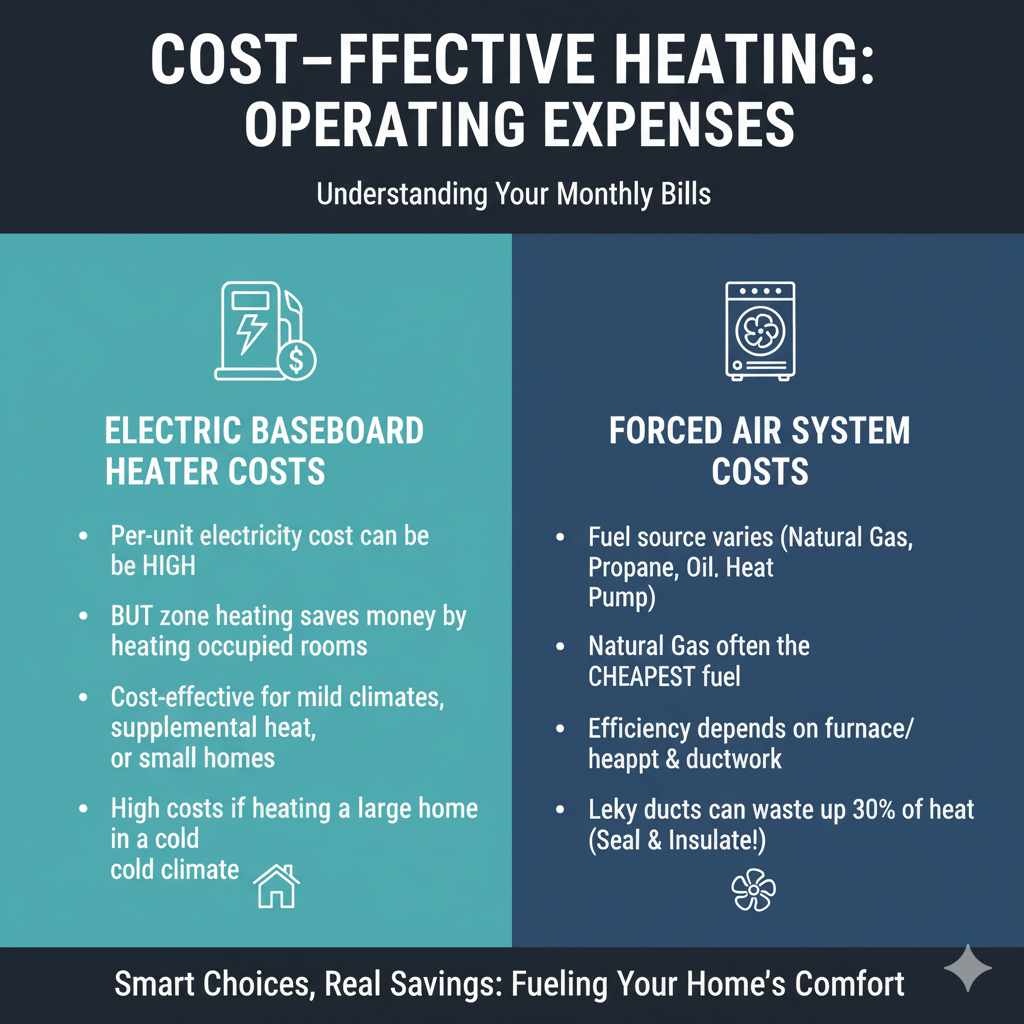
Electric resistance heating, used by baseboard heaters, is one of the most expensive ways to generate heat per British Thermal Unit (BTU) if your electricity rates are high. However, because you can precisely control each zone, you only pay for the heat you use in the rooms you’re occupying. If you live in a mild climate, predominantly heat only a few rooms, or use them only as supplemental heat, electric baseboards can be surprisingly cost-effective. But if you plan to heat an entire home in a very cold climate solely with electric baseboards, expect higher electricity bills compared to natural gas.
Forced Air System Costs
The operating cost of a forced air system largely depends on the fuel source and the efficiency of the furnace or heat pump. Natural gas is typically one of the cheapest fuels for heating. High-efficiency natural gas furnaces can provide a lot of heat for a reasonable cost. Propane and oil costs can fluctuate and may be more expensive than natural gas. Heat pumps, which use electricity, can be very efficient in milder climates, but their efficiency can decrease in very cold temperatures, sometimes requiring supplemental electric resistance heating (which is expensive).
The efficiency of ductwork also plays a huge role. Leaky ducts can waste up to 30% of the heated air, significantly increasing operating costs. Investing in proper sealing and insulation for your ductwork is vital for an efficient forced air system.
Frequently Asked Questions (FAQ) About Heating Choices
Q1: Which heating system is safer for homes with children or pets?
For homes with young children or pets, electric baseboard heaters can pose a burn risk as their surfaces can get very hot. While covers can help, vigilance is still needed. Forced air systems generally don’t have exposed hot surfaces, making them inherently safer in this regard, though you should always ensure vents don’t have anything blocking airflow. Consider radiator covers for baseboards.
Q2: Can I use both electric baseboard heaters and a forced air system in my home?
Yes, absolutely! This is a very common and effective approach, known as a hybrid system. You can use a forced air system for your primary whole-house heating and use electric baseboard heaters as supplemental heat in specific rooms that tend to be colder or for areas you use less frequently. This allows you to optimize comfort and energy use.
Q3: How much does it cost to install electric baseboard heaters?
The cost varies, but generally, electric baseboard heaters themselves can range from $100 to $300 per unit. Installation by an electrician might add another $200 to $500 per unit, depending on the complexity of the wiring and your location. So, heating a single room might cost a few hundred dollars, while multiple rooms could be $1,000-$3,000 or more.
Q4: What is the average cost to install a forced air heating system?
A new forced air system installation, including a furnace and ductwork (if needed), can be a significant investment. Costs can range anywhere from $5,000 to $15,000 or even higher, depending on the size of your home, the type of furnace or heat pump, the complexity of the ductwork installation, and your local labor rates.
Q5: Which system will help me save money on my energy bills?
This is complex and depends heavily on your local energy prices (electricity vs. gas), your climate, and how you use your heating. If natural gas is cheap in your area and you need to heat your whole house consistently, a high-efficiency gas furnace (forced air) is often more economical. If you only need to heat a few specific rooms, use heat sporadically, or live in a mild climate, electric baseboard heaters with good zone control can be more cost-effective by avoiding heating unused spaces.
Q6: How long do electric baseboard heaters and forced air systems typically last?
Electric baseboard heaters are quite durable with few moving parts and can last 20-30 years or more with proper maintenance (cleaning). Forced air systems, including the furnace and blower, typically have a lifespan of 15-25 years. Regular professional maintenance is key for maximizing the lifespan of both types of systems.
Making Your Essential Choice
Deciding between electric baseboard heaters and forced air systems doesn’t have to be overwhelming. Both offer distinct advantages, and the “best” choice truly depends on your specific needs and circumstances. Think about the size of your home, your budget for installation and ongoing costs, how you prefer to control your home’s temperature, and any concerns you might have about air quality or noise.
If you prioritize granular control over individual rooms, quiet operation, and a simpler, less invasive installation (especially if you don’t have ductwork), electric baseboard heaters are a fantastic contender. They are excellent for ensuring comfort in specific zones or for smaller living spaces.
On the other hand, if you’re looking for a robust solution to heat your entire home evenly and quickly, with the added benefit of potential air conditioning integration and the use of cost-effective natural gas, a forced air system is likely the superior choice. It’s the king of whole-house comfort, especially if your home is already equipped with ductwork.
Many homeowners find a hybrid approach to be the most satisfying, combining the strengths of both systems. Whatever you choose, remember that proper installation, regular maintenance, and smart usage will all contribute to a warm, comfortable, and efficient home for years to come. Your perfect heating solution is within reach!