Garage Heater Installation Cost: What You Need to Know
Figuring out the Garage Heater Installation Cost: What to Expect can be tricky for many people. It involves different factors, and it’s easy to feel lost. Don’t worry! This guide will break down everything in a clear, easy-to-follow way. We’ll explore the costs, what influences them, and how to get the best deal. Get ready to explore the details without the jargon!
What Influences Garage Heating Prices
Several things affect the overall price. The type of heater, the size of your garage, and whether you need new electrical work are the main influences. Location and labor costs also play a role. It’s important to research different models and brands to see what works best for your situation. Remember to get multiple quotes to compare prices and ensure you’re getting a fair price for the job. Also, look at the heater’s energy efficiency; it can affect your long-term operating costs.
Types of Garage Heaters and Their Price Ranges
Garage heaters come in various types, each with its own pros, cons, and price points. The right choice depends on your needs, garage size, and budget. Electric heaters are often cheaper upfront but can cost more to run in the long run. Propane or natural gas heaters can be more efficient, especially for larger spaces, but they need proper venting and gas line connections. Consider your garage’s existing infrastructure and your usage patterns when making your decision.
Electric Heaters: These are usually the most affordable to purchase. They plug into a standard outlet, making installation simple. They are best for smaller garages or for supplemental heating. However, they can be costly to operate due to high electricity rates.
Propane Heaters: Propane heaters offer a good balance of cost and performance. They are powerful and heat up spaces quickly. Installation requires a propane tank and a gas line, adding to the initial expense. Propane is also more costly than natural gas in many areas.
Natural Gas Heaters: Natural gas heaters are often the most efficient option for those with natural gas lines. The operational cost is generally lower. Installation can be more involved as it requires a gas line hookup and may need a permit.
Infrared Heaters: These are useful for spot heating. They heat objects directly instead of the air. This can be efficient in a workshop environment where you only need to heat a specific area. They can be electric or gas-powered, influencing their cost.
Factors Affecting Installation Labor Costs
Labor is a significant part of the total cost. The complexity of the installation greatly influences this. Installing a natural gas heater, for instance, requires more expertise and time than installing a simple electric model. The installer’s experience and the area you live in also have an effect. Always obtain multiple quotes from different contractors and ensure the quote includes all potential costs. Also, confirm the contractor is licensed and has a good reputation.
Complexity of the Installation: Installations that involve running new gas lines or electrical upgrades take longer. This increases labor costs.
Contractor’s Experience: Experienced professionals may charge higher rates. Their expertise and efficiency can save you time and potential problems.
Location: Labor rates vary depending on your geographic location. Costs are higher in metropolitan areas compared to rural areas.
Permits and Inspections: If permits are needed, these costs are added to the overall price. The installer handles the permit process, which adds to the labor expenses.
Garage Size and Heater Sizing
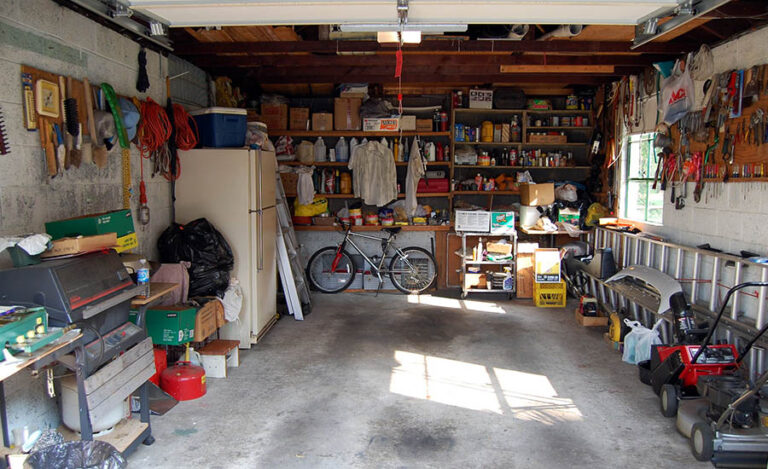
The size of your garage is very important in the selection of a heater. An undersized heater will not provide enough warmth. An oversized one can waste energy and money. Measure the square footage of your garage and consider how well it’s insulated. You will also want to think about how you will use the space. A workshop will need more heating than a storage area.
Using a BTU calculator helps determine the right size heater. Proper sizing not only ensures comfort but also keeps operating costs down. Check the manufacturer’s recommendations and consult with a professional for the best results.
Square Footage: Measure the length and width of your garage to find its square footage. This helps determine the heating needs.
Ceiling Height: Higher ceilings need more BTUs to heat the air volume.
Insulation: Well-insulated garages retain heat better. This lowers the size and power of the heater required.
Usage: Determine how you use your garage. A space used for working will need a higher heat output compared to one used for parking.
Breaking Down the Garage Heater Installation Cost: What to Expect
Understanding the different cost elements is key. The cost can include the heater itself, the labor, permits, and any extra materials like gas pipes or wiring. Getting a clear quote from your contractor is important. It should break down all these costs so you know exactly where your money is going. Always inquire about warranties on the heater and the labor.
Estimating Total Costs
The total cost involves more than just the price of the heater. Installation expenses and potential extras like permits must also be considered. Get at least three estimates from different contractors. Each should include a detailed breakdown of all costs. This will help you compare offers and make a decision based on the best value. Make sure the estimates include everything – the heater, labor, and potential extra charges.
Heater Cost: This depends on the type and size. Electric heaters can cost a few hundred dollars, while gas heaters can be several hundred to over a thousand.
Labor Costs: Labor is based on the complexity of the installation and the contractor’s rates. It can vary from a couple hundred to over a thousand dollars.
Permits and Inspections: Many areas require permits, which involve fees. This adds to the cost and must be considered.
Extra Materials: If gas lines, electrical wiring, or venting are needed, these materials also add to the overall expense.
Hidden Fees and Extra Costs
Watch out for unexpected costs. Permits and inspections are a must, but they also have a price. Changes during the project can also add to the expense. Make sure your contractor clarifies the costs of unforeseen issues. Thorough planning can avoid many hidden charges. Do not hesitate to ask questions if something is unclear to you.
Permit Fees: Local authorities may require permits for electrical or gas work. These fees should be included in the quote.
Inspection Fees: Inspections ensure the installation meets safety standards. These also add to the total cost.
Changes during Installation: If changes are needed during the project, they can result in extra costs.
Unforeseen Issues: Problems can occur, like needing to upgrade electrical service. Discuss these with your contractor beforehand to know how they will handle them.
Comparing Quotes and Choosing a Professional
Compare quotes from several contractors. Look at the breakdown of costs, the experience of the contractors, and the warranty. Check online reviews and ask for references. Make sure the contractor is licensed and insured. Do not always go for the cheapest option. Also, consider the contractor’s reputation and expertise. Choose the contractor that offers the best balance of price, quality, and reliability.
| Feature | Contractor A | Contractor B | Contractor C |
|---|---|---|---|
| Heater Cost | $800 | $750 | $900 |
| Labor Cost | $600 | $700 | $550 |
| Permits/Fees | $100 | $100 | $100 |
| Warranty | 1 Year | 2 Years | 1 Year |
| Total Cost | $1500 | $1550 | $1550 |
Factors That Influence Overall Heating Costs
Several variables impact your total spending. The location of your garage, its design, and how you use the space impact your heating needs. You also must consider the climate and the efficiency of your chosen heater. Being aware of these elements helps you make smarter choices.
Garage Design and Insulation
The design and insulation of your garage directly affect how efficiently the space heats up. A well-insulated garage needs less energy to maintain a comfortable temperature. Proper insulation prevents heat from escaping. Also, consider the garage door, windows, and walls for potential heat loss. Sealing cracks and gaps also boosts efficiency. Improving the garage’s design can lower your energy bills.
Insulation: Walls, ceiling, and the garage door should be properly insulated. This reduces heat loss.
Garage Door: An insulated garage door minimizes heat loss. Replacing an old door with an insulated one can be cost-effective.
Windows and Doors: Seal any air leaks around windows and doors. Use weather stripping and caulking.
Sealing Cracks and Gaps: Seal cracks in walls and around pipes. This prevents drafts.
Climate and Regional Heating Needs
Your local climate is a major factor in heating costs. Colder regions need more powerful heaters and more frequent operation. Consider the average temperatures and heating degree days. This helps you select a heater suitable for your climate. Your geographic location influences both the size and energy demands of the heating unit.
Average Temperatures: Colder climates demand higher heating outputs. Choose a heater that matches the average winter temperatures in your area.
Heating Degree Days: This unit measures how often you need to heat your home. Regions with high heating degree days have greater energy consumption.
Heating Seasons: Consider how long the heating season is. Longer seasons lead to more usage and higher costs.
Energy Prices: Energy prices fluctuate by region. Propane and electricity prices vary. Choose a cost-effective heater for your area.
Energy Efficiency and Operating Costs
The energy efficiency of your heater affects operating expenses. Highly efficient heaters consume less energy. Look for Energy Star ratings or other efficiency certifications. The type of fuel also affects costs. Natural gas can be cheaper than electricity. Always balance the upfront cost of the heater with its long-term running costs.
According to the U.S. Energy Information Administration (EIA), the average household spends around $1,500 on energy for heating annually. (Source: EIA)
Energy Star Certification: This certification means a product meets specific energy efficiency criteria. Look for heaters that are Energy Star-certified.
Fuel Type: Natural gas is generally cheaper than electricity. Propane is often more costly. Select the best fuel source in your area.
BTU Rating: A higher BTU rating means a heater can produce more heat. However, it will also consume more energy. Choose a BTU rating that matches your garage size.
Annual Maintenance: Routine maintenance helps your heater work efficiently. This extends the heater’s life and keeps energy costs down.
Planning and Preparation for Installation
Proper planning before beginning the installation saves time and avoids mistakes. You must measure the space, choose the right heater, and ensure you have any necessary permits. Prepare your budget. Research contractors. This pre-planning ensures a smoother, more efficient installation process.
Measuring and Assessing Your Garage Space
Before you purchase a heater, measure your garage correctly. Accurate measurements help you select the appropriate BTU output. Measure the length, width, and height of your garage. Account for the location of doors, windows, and any obstructions. Inspect the insulation. This information will influence the heater size and type you choose. It will also assist you in discussing the plan with potential contractors.
Length and Width: Measure the length and width to find the square footage.
Ceiling Height: Measure the ceiling height. This helps calculate the volume of the space.
Insulation: Assess the quality of your insulation. This affects the heat loss rate.
Obstructions: Note any doors, windows, and other obstructions that might impact heater placement.
Permits and Regulations
Many areas require permits for installing garage heaters. Research your local regulations to see if you need one. Your contractor usually manages permits, but you must know what’s needed. Ensure your contractor understands all local rules and can get the necessary permits. Getting the correct permits avoids fines and ensures the installation adheres to safety standards.
Local Building Codes: Familiarize yourself with local building codes. These rules cover the requirements for construction and installation.
Permit Application: Your contractor will handle the permit application. Make sure they understand the process.
Inspections: Inspections are necessary to ensure the installation meets all safety codes.
Compliance: Complying with all regulations ensures the safety and legality of the heating installation.
Preparing the Installation Site
Preparing the installation site helps speed up the process. Make sure the area is clear of clutter. This also lets the installer work safely. Clear space for the heater and any required gas lines or electrical connections. If you have any old equipment, remove it before the installer arrives. This setup helps the installation go smoothly.
Clear the Area: Remove anything that can block the installer’s work, such as tools, vehicles, and storage items.
Check Electrical Outlets: Ensure there are working electrical outlets near where the heater will be.
Gas Line Inspection: If installing a gas heater, check that the existing gas line is in good condition.
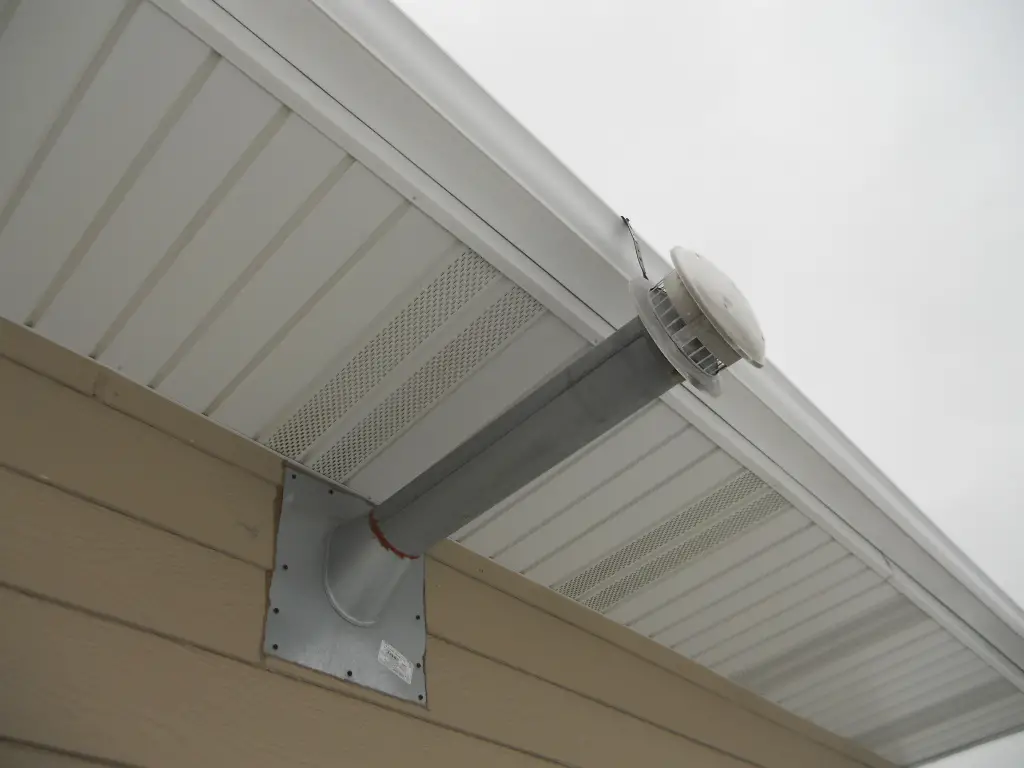
Ventilation: Make sure the area has proper ventilation. This is critical for gas heaters.
Maximizing Value for Your Money
You can get the best return on your investment by taking some steps. Research different types of heaters and compare costs. Consider long-term energy savings. Plan for maintenance to extend the heater’s life. These steps help you optimize your heating system’s value over time.
Selecting an Efficient Heater
Choose an efficient heater to minimize operating expenses. Consider its Energy Star rating and other efficiency features. Balance the initial cost with the long-term energy savings. A more efficient heater might cost more upfront but saves money over time. Evaluate the fuel type and operational costs in your region.
Energy Star Rating: Look for the Energy Star label. It indicates high energy efficiency.
AFUE Rating: This rating (Annual Fuel Utilization Efficiency) applies to gas heaters. A higher number means better efficiency.
Fuel Type: Consider the cost of different fuel sources in your region.
Long-Term Costs: Think about the total cost, including the purchase price, operating expenses, and maintenance.
Negotiating with Contractors and Finding Deals
Negotiating with contractors can save you money. Always get multiple quotes and compare them. Ask about the possibility of discounts, especially during off-peak seasons. Be prepared to discuss prices and compare services. Make sure all the terms are in writing before signing any agreements.
Get Multiple Quotes: This helps you compare prices and services from different contractors.
Ask for Discounts: Inquire about discounts. Some contractors offer lower prices during the off-season.
Negotiate Prices: Do not hesitate to negotiate on the prices. You may be able to get a better deal.
Read the Contract: Carefully read the contract before signing it. Make sure everything is clear and included in the price.
Long-Term Maintenance and Savings
Regular maintenance is crucial for the longevity of your heater. Schedule annual check-ups to keep it in good condition. Change filters, clean components, and address minor issues promptly. These steps prevent major problems and help the heater run at peak efficiency. Following a maintenance schedule helps you save money by avoiding costly repairs.
According to Energy.gov, regular maintenance can boost a heating system’s efficiency by up to 20%. (Source: Energy.gov)
Annual Inspections: Get your heater inspected annually by a professional.
Filter Changes: Change filters regularly to maintain efficiency and improve air quality.
Cleaning: Clean the unit’s components to prevent dust and debris build-up.
Minor Repairs: Address small issues promptly to prevent them from becoming larger problems.
Frequently Asked Questions
Question: How much does it cost to install a garage heater?
Answer: The total cost of installing a garage heater varies, but you can typically expect to spend anywhere from $500 to over $2,000 or more, depending on the type of heater, the size of your garage, and labor costs. Electric heaters may be cheaper to buy, while natural gas heaters have higher installation costs.
Question: Are garage heaters safe?
Answer: Yes, garage heaters can be very safe if installed correctly and used responsibly. Always follow the manufacturer’s guidelines. Ensure proper ventilation, especially for gas heaters. Carbon monoxide detectors are a must in garages that use fuel-burning heaters.
Question: What type of garage heater is best?
Answer: The best type of garage heater depends on your needs. Electric heaters are good for small spaces and easy installation. Natural gas heaters are effective if you have gas lines. Consider the size of your garage, your budget, and how often you will use the heater when choosing.
Question: Can I install a garage heater myself?
Answer: While some electric heaters can be plugged in, professional installation is recommended for most gas and more complex electric models. Safety is a major reason. A professional knows local building codes and can make sure the installation is safe and compliant.
Question: How long does a garage heater last?
Answer: With proper maintenance, a good garage heater can last 15 to 20 years or even longer. Regular servicing, filter changes, and professional inspections can extend the life of your heater, helping it operate efficiently for many years.
Final Thoughts
Now, you have a better idea of the Garage Heater Installation Cost: What to Expect. Remember, the total price depends on factors like heater type, garage size, and labor. By getting multiple quotes, researching different models, and preparing for any extra costs, you can get a good deal. Prioritizing energy efficiency and planned maintenance keeps operating costs down. With careful planning, you can make your garage a comfortable, usable space. Make sure you understand the details, and do not be afraid to ask questions. Good luck with your project!