
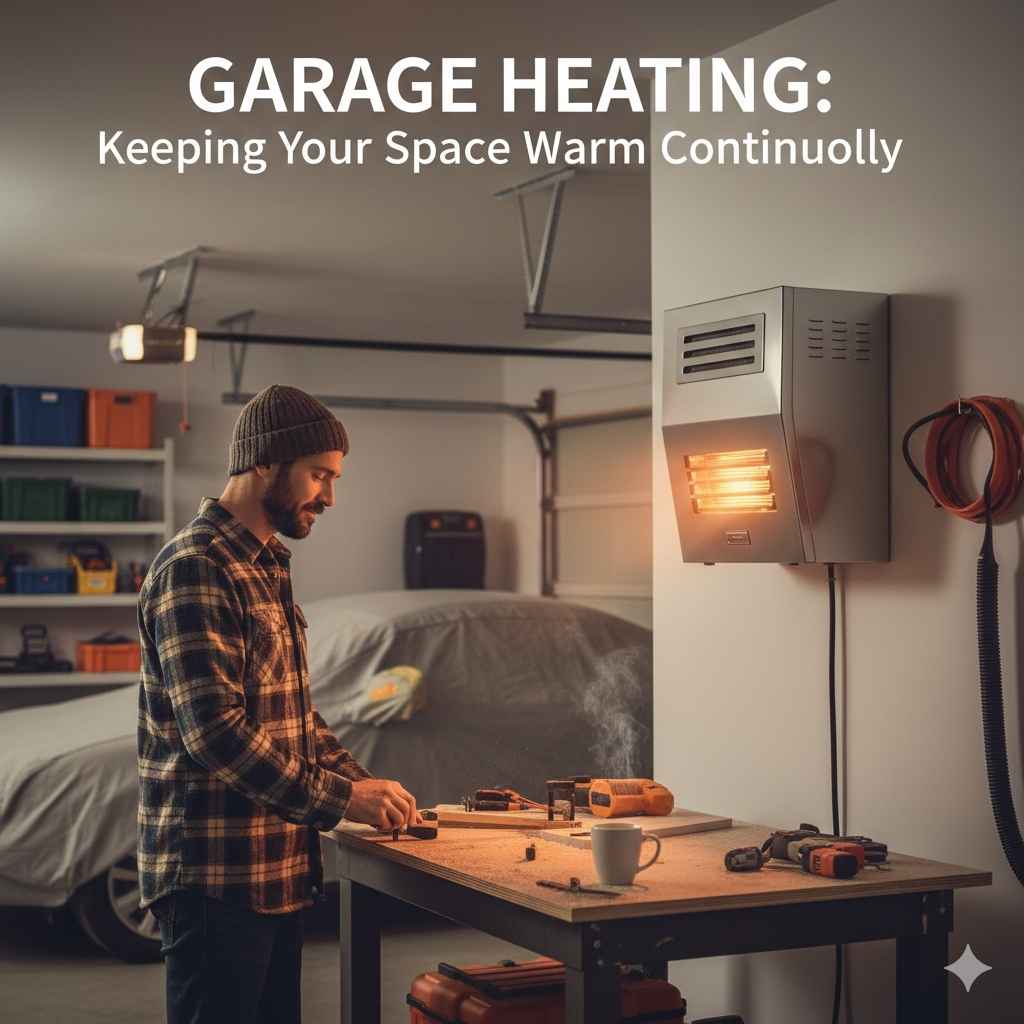
Figuring out how to get a Garage Heater That Can Run All the Time can be a bit tricky, especially if you’re new to it. Many people find it tough to choose the right kind, set it up safely, and keep it running without issues. Don’t worry though. This post will break down the process step by step, so you can warm up your garage. We’ll explore different types, how they work, and what you need to consider. Let’s get started and make your garage cozy.
Choosing the Right Garage Heating System
Selecting the correct type of garage heater is the first step toward continuous warmth. Several options exist, each with its own benefits and drawbacks. Factors like garage size, insulation levels, local climate, and available power sources play important roles in the decision-making process. The goal is to find a system that efficiently and safely maintains the desired temperature without excessive operational costs. Incorrect choices can lead to insufficient heating, energy waste, or safety hazards.
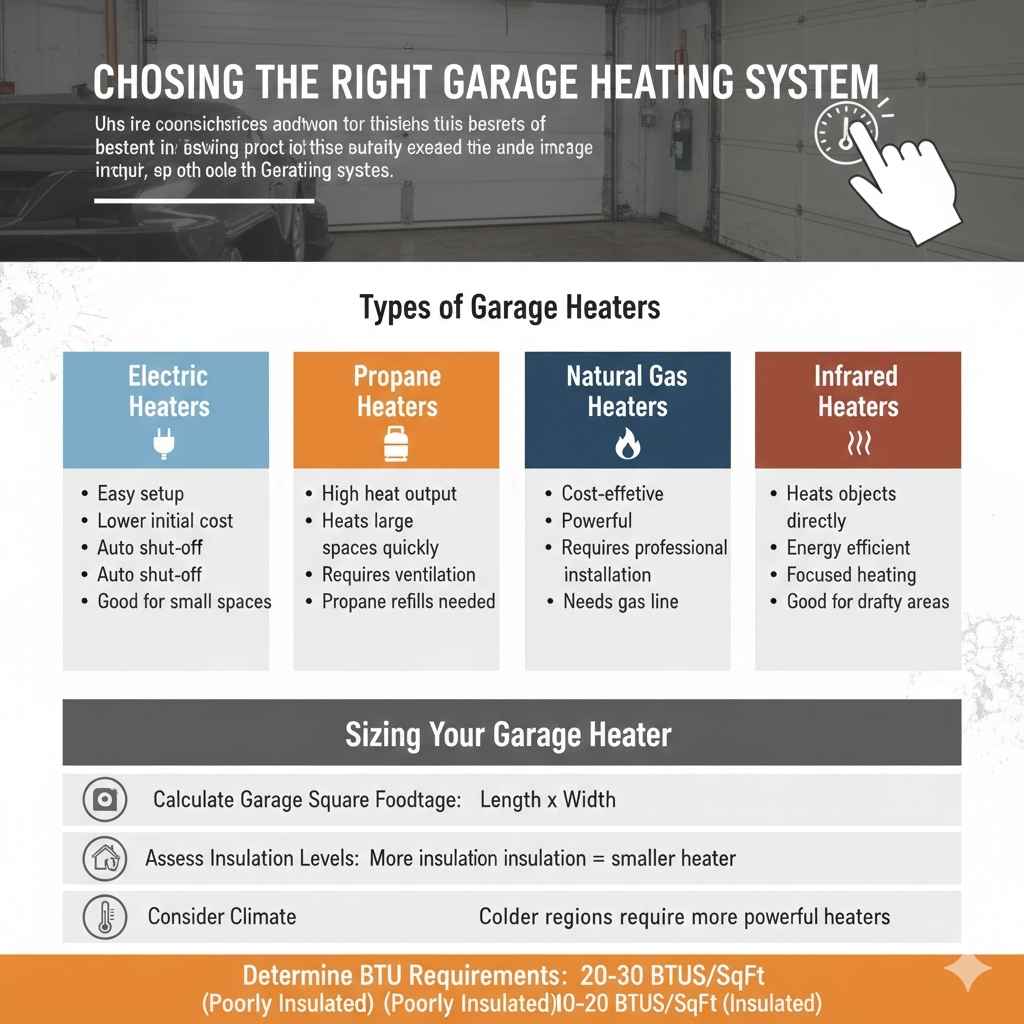
Types of Garage Heaters
Various heating systems cater to different garage needs. Understanding these options is vital before investing in one. Here’s a look at common types:
Electric Garage Heaters: These heaters are often a good choice, especially if you have limited access to gas lines or prefer an easy setup. Electric heaters convert electricity directly into heat, making them relatively easy to install. They are available in various sizes and with different heating elements, such as ceramic or infrared. The initial cost is typically lower than gas heaters, but electricity can be expensive, which is a factor to think about. They also come with safety features like automatic shut-off to prevent overheating.
Electric heaters work by passing electricity through a heating element, which warms up and radiates heat. Ceramic heaters, for instance, use ceramic plates that heat up quickly and efficiently. Infrared heaters use infrared radiation to warm objects directly, rather than the air, making them effective in drafty areas. Electric heaters offer portability and are generally safe if used correctly.
Propane Garage Heaters: Propane heaters are a good selection when electricity isn’t always available or as the main source of power. Propane heaters burn propane gas to produce heat and require a propane tank. They are known for their high heating output and can warm large spaces quickly. However, they need proper ventilation to safely remove exhaust fumes. Also, the cost of propane refills and the need to store the tank are important considerations.
Propane heaters are fueled by propane gas, which is burned in a combustion chamber to produce heat. This heat is then dispersed into the garage. They are often a good option for garages without access to natural gas. Propane heaters need an open flame and produce combustion byproducts, including carbon monoxide, which is why proper ventilation is essential.
Natural Gas Garage Heaters: These are a popular choice when natural gas is available. Natural gas heaters connect directly to your home’s gas line and offer a cost-effective heating solution. They are powerful and efficient at warming large areas, making them great for larger garages. Proper installation by a professional is necessary for safety reasons. Regular maintenance is also important to ensure efficient and safe operation.
Natural gas heaters utilize the home’s existing natural gas supply. They burn natural gas to produce heat, which is then distributed throughout the garage. They offer a steady and reliable heat source and are often cheaper to operate than electric or propane heaters. However, installation requires access to a gas line and should always be done by a certified professional to ensure safety.
Infrared Garage Heaters: These heaters use infrared radiation, which directly warms objects and people rather than the air. This makes them good for open or drafty garages. They are very efficient at delivering heat where it’s needed, making them energy efficient. They are known for their focused heating effect, ideal for spot heating specific areas within the garage. They’re often quieter than other heater types.
Infrared heaters use infrared radiation to send heat directly to the objects in the garage. These objects then radiate the heat, warming the space. They are often used in commercial settings and offer a very focused heating pattern. They provide instant heat without needing to warm the air first, making them a good option for quickly heating specific zones.
Sizing Your Garage Heater
Choosing the correct size heater is vital for efficient operation and comfort. A heater that is too small won’t adequately heat the space, while one that is too large can waste energy and money. Sizing involves calculating the garage’s square footage, assessing its insulation, and considering your local climate. A well-sized heater ensures that your garage stays warm, and the system runs efficiently.
Calculate Garage Square Footage: Measure your garage’s length and width, and multiply those figures to get the square footage. This gives you a starting point to assess the heating needs. For example, a garage that is 20 feet long by 20 feet wide has a total area of 400 square feet.
Measuring the garage accurately is the first step toward sizing the heater correctly. This calculation helps determine the total volume of space the heater needs to warm. If the garage has unusual shapes or multiple areas, break it down into sections and calculate the square footage of each section before adding the totals.
Assess Insulation Levels: Insulated garages retain heat better than non-insulated ones. If your garage is well-insulated, you’ll need a smaller heater. If it’s poorly insulated or not insulated at all, you’ll need a bigger heater. Check for insulation in the walls, ceiling, and garage door.
Insulation plays a crucial role in how efficiently the garage heater operates. The amount of insulation in the walls, ceiling, and door impacts the heat loss. Well-insulated garages retain heat more effectively, which requires less power from the heating system. Insulated garages can lead to substantial energy savings.
Consider Climate: Your local climate significantly affects heating needs. Garages in colder regions require more powerful heaters than those in milder climates. The average winter temperatures and the frequency of extreme cold weather influence the heater’s BTU (British Thermal Unit) rating.
The climate impacts the type and size of heater you need. In areas with cold winters, the heater needs to be powerful enough to offset the heat loss to the outside. Those in warmer climates can often use smaller heaters and run them for shorter periods.
Determine BTU Requirements: Once you know the square footage, insulation, and climate, you can calculate the BTU requirements. Generally, you need around 20-30 BTUs per square foot for a poorly insulated garage and 10-20 BTUs per square foot for an insulated garage. This calculation provides an estimate of the heater’s capacity.
BTU (British Thermal Unit) is a measurement of the energy required to heat a space. Multiply the garage’s square footage by the recommended BTU per square foot to find the size of heater needed. Keep in mind that these are approximate guidelines, and factors like ceiling height and the number of windows can also impact the heating load.
Setting Up Your Garage Heater Safely
Safety is the most important part when setting up and using any heating system. Following all safety guidelines, getting professional help when needed, and regularly checking and maintaining your heater are key to preventing accidents and ensuring the heater works correctly. Ignoring these steps can lead to severe health risks, equipment failure, and even fire hazards.
Safe Installation Practices
Proper installation of your garage heater is vital for preventing problems and ensuring it functions correctly. Depending on the heater type, installation steps will vary. For gas heaters, a certified professional is a must. For electric heaters, ensure that the electrical wiring can handle the heater’s power demands. Regardless of the heater type, follow all manufacturer instructions and local codes.
Hire a Professional for Gas Heaters: Natural gas and propane heaters must be installed by qualified professionals. They can ensure the system is correctly connected to the gas supply, vented properly, and complies with safety codes. Attempting to install gas heaters on your own can lead to gas leaks and dangerous carbon monoxide buildup.
Gas heaters pose more significant risks than electric heaters. A qualified professional will have the knowledge and tools to handle gas lines and venting systems properly. They can also perform safety checks to identify any potential issues before they cause problems.
Ensure Electrical Compatibility for Electric Heaters: Before installing an electric heater, check your garage’s electrical panel. Ensure it can handle the heater’s power requirements. You may need to upgrade the circuit breaker and wiring. Using an undersized circuit can cause a fire.
Electric heaters draw a lot of power. Always match the heater’s power requirements with the electrical circuit’s capacity. If you’re unsure about the electrical setup, consult an electrician. They can assess the current system and make changes as needed.
Follow Manufacturer Instructions: Always follow the installation instructions provided by the manufacturer. These instructions specify the correct clearances, venting requirements, and any other specific instructions needed for your heater model.
Each heater has its unique installation requirements, and the manufacturer provides the steps needed to set up the system. Failure to follow these steps can lead to improper operation, safety hazards, or a voided warranty.
Adequate Ventilation: Proper ventilation is essential for both gas and electric heaters. For gas heaters, it’s necessary to remove dangerous byproducts, like carbon monoxide. Even electric heaters need sufficient ventilation to maintain air quality and prevent moisture buildup, which can damage the heater or encourage mold.
Good ventilation is key for maintaining air quality and reducing the risk of respiratory problems. In addition to releasing harmful gases, ventilation prevents the buildup of moisture and keeps the garage dry.
Safety Features to Look For
Modern garage heaters often come with safety features designed to prevent accidents and protect users. Identifying these features and knowing how they work will add to your overall safety. Regularly checking these features to ensure they are working will provide peace of mind.
Overheat Protection: This feature automatically shuts off the heater if it gets too hot. Overheat protection is a very important safety measure that prevents the heater from damaging itself and causing a fire.
Overheat protection is usually integrated into the heater’s control system. When the sensors detect excessive temperatures, the heater’s power supply is cut off automatically. Always check that this feature works correctly before starting your heater for the first time.
Tip-Over Shutoff: Many heaters have a tip-over shutoff feature, which turns off the heater if it’s accidentally knocked over. This helps prevent fires that might result from the heater falling over and potentially igniting nearby items.
Tip-over shutoff switches are mechanically activated and often have a weighted base. If the heater is not in an upright position, the switch will shut off the heater. Test this feature when you install it to ensure that it functions correctly.
Carbon Monoxide Detectors: For gas heaters, carbon monoxide (CO) detectors are essential. They warn you of the presence of CO, which is a colorless, odorless gas. Install CO detectors near the heater and regularly check the batteries.
Carbon monoxide detectors monitor the air for this dangerous gas, which is a byproduct of incomplete combustion. If the detector senses CO, it sounds an alarm, giving you time to escape and address the issue. Place detectors where you can easily hear the alarm.
Flame Failure Shutoff (Gas Heaters): This safety feature shuts off the gas supply if the heater’s flame is extinguished. This stops unburned gas from leaking into the garage. It is an important safety measure, preventing gas buildup and the risk of explosion.
The flame sensor monitors the presence of a flame. If it detects that the flame goes out, the gas supply is immediately shut off, preventing gas buildup. Regular maintenance and testing ensure this feature continues to function properly.
Maintaining Your Garage Heater
Regular maintenance extends the life of your garage heater and ensures it runs efficiently. Consistent checks and minor repairs can prevent breakdowns, reduce energy consumption, and improve safety. Taking care of your heating system will ensure a warm, comfortable, and safe garage.
Routine Maintenance Tasks
Several routine maintenance tasks should be performed on a regular schedule to keep your garage heater in good working order. These tasks will vary depending on the heater type. These maintenance steps are essential for optimal performance and safety, preventing potential problems before they arise.
Clean the Heating Element/Burner: The heating element or burner should be cleaned regularly to remove dust, debris, and other obstructions that could reduce efficiency. Follow the manufacturer’s instructions for cleaning, and always disconnect the power or gas supply before cleaning.
Clean heating elements or burners with a soft brush or vacuum to remove dust and debris. A clean heating element or burner helps maintain airflow and heat transfer, improving the heater’s performance. Cleaning should be done frequently, especially in dusty conditions.
Inspect Vents and Chimneys (Gas Heaters): Make sure vents and chimneys are free from obstructions like bird nests, leaves, or other debris. Blocked vents can lead to CO buildup and should be cleared immediately. Regular inspection ensures safe venting of exhaust gases.
Inspect the vents for any blockages that could restrict airflow. Remove any obstructions. Proper venting is important for the heater to operate safely and effectively. Vents should be checked at least every heating season.
Check and Replace Filters: Many garage heaters use filters to keep dust and debris from getting inside the system. Change these filters regularly according to the manufacturer’s recommendations. Clean filters maintain good airflow and ensure efficient heating.
Replace or clean filters as needed. Clogged filters restrict airflow, reducing heating efficiency and putting more strain on the system. Replacing the filters will ensure the system functions correctly.
Inspect Electrical Connections: Periodically check all electrical connections for signs of wear and tear, loose wires, or corrosion. Disconnect the power before doing any inspection. Any damaged wiring should be replaced by a certified professional.
Examine electrical connections for wear or damage that could lead to electrical problems. Loose connections can generate heat and cause a fire. Have a qualified electrician repair any wiring issues.
Troubleshooting Common Issues
Despite regular maintenance, problems can occur. Understanding common issues can help you diagnose and resolve simple problems. When in doubt, always contact a qualified technician to make sure that the system is operating safely and efficiently.
Heater Won’t Turn On: If the heater won’t turn on, check the power supply and make sure the breaker is not tripped. Check the thermostat settings to make sure it’s set to the correct temperature. If the problem persists, check the owner’s manual for further steps.
If the heater doesn’t start, the power source is the first place to look. Ensure it is connected correctly and there are no tripped breakers or blown fuses. Also, ensure the thermostat is set correctly. If the problem continues, contact a qualified technician.
Heater Doesn’t Heat the Garage: If the heater runs but doesn’t heat the garage, make sure the thermostat is set high enough. Check for any air leaks in the garage, which could be letting the heat escape. Also, ensure the heater is the correct size for the space.
If the garage stays cold even when the heater is running, verify the thermostat settings and search for drafts. Also, confirm the heater is the proper size for the garage. In some cases, insulation improvements can also address this problem.
Strange Noises or Odors: Unusual sounds or smells often mean a problem. If you hear unusual noises, like rattling or buzzing, switch off the heater and contact a professional. If you smell gas or burning smells, turn off the heater immediately and check for leaks or contact a professional.
Any unexpected sounds or smells could indicate a problem. Turn off the heater immediately if you smell gas or burning and contact a professional. Strange noises like rattling, buzzing, or hissing could indicate mechanical issues.
Pilot Light Won’t Stay Lit (Gas Heaters): If the pilot light on a gas heater won’t stay lit, it could be an issue with the thermocouple. Try relighting the pilot light, but if it goes out again, you may need to call a technician for repairs.
When the pilot light won’t stay lit, there can be a problem with the thermocouple. If the pilot light goes out repeatedly, you need to call a professional to get it fixed. Do not attempt to repair gas appliances yourself.
Garage Heater That Can Run All the Time: Energy Saving Tips
Running a Garage Heater That Can Run All the Time can affect your energy bills. Using smart practices and making small changes can help reduce energy use without affecting your comfort. These suggestions will help you maximize efficiency and lower your energy costs.
Optimizing Heater Settings
The thermostat and usage patterns dramatically impact energy efficiency. Adjusting your heating schedule and using the right temperature will help you save money. Small changes can add up to big savings over time, contributing to lower energy bills and a more sustainable approach to heating.
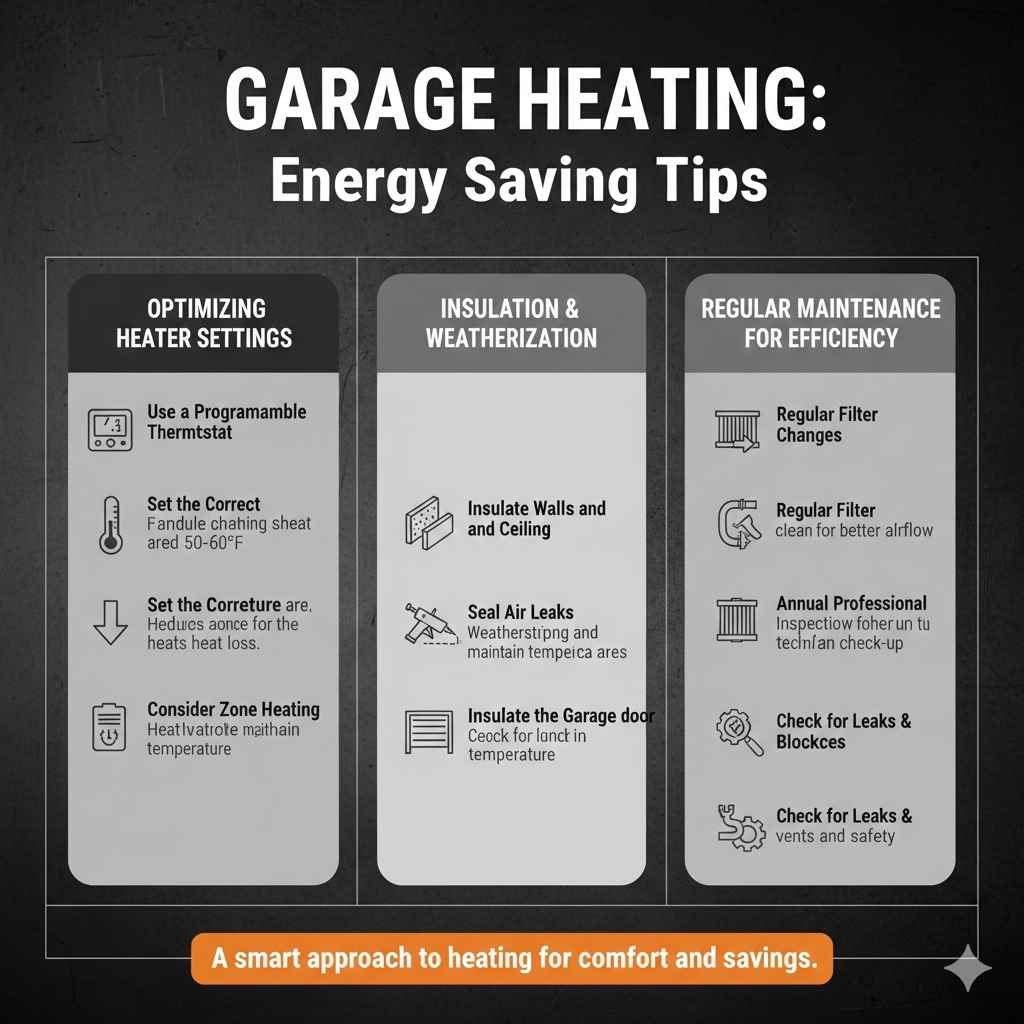
Use a Programmable Thermostat: Use a programmable thermostat to schedule heating periods. Set the thermostat to lower the temperature when the garage isn’t in use and increase it when needed. This approach eliminates the waste of constantly heating an unused space.
A programmable thermostat allows you to set different temperatures for different times of the day. You can lower the temperature at night and during the workday and raise it only when you need it. This reduces energy consumption by heating the garage only when needed.
Set the Correct Temperature: Avoid setting the thermostat too high. Every degree above your comfort level will increase energy consumption. A slightly lower temperature can make a difference in your energy bill without reducing comfort.
Experiment to find the ideal temperature setting for your garage. A temperature range of 50-60 degrees Fahrenheit is often enough to keep the space comfortable without wasting energy. The best temperature will vary with climate and usage patterns.
Consider Zone Heating: If you use only a portion of your garage, use zone heating. Consider heating only the specific areas you use. For example, if you use the workbench area, consider spot heaters that target only that space.
Zone heating allows you to heat only the sections of the garage you use most frequently. This targeted approach reduces the energy needed to heat the entire space. It is particularly useful if you have a large garage.
Insulation and Weatherization
The level of insulation and weatherization in your garage plays a significant role in its energy efficiency. Poor insulation will cause heat loss, making your heater work harder and use more energy. Improving insulation and sealing air leaks will help contain heat and reduce energy consumption.
Insulate Walls and Ceiling: Add insulation to your garage walls and ceiling. Good insulation reduces heat loss and keeps your garage warmer with less effort from the heater. This reduces the work the heater has to do.
Insulation acts as a barrier to heat transfer. Adding insulation will reduce the amount of heat lost through walls and ceilings, keeping the garage warmer. Many insulation options are available, like fiberglass, cellulose, or spray foam. A well-insulated garage needs less energy.
Seal Air Leaks: Seal any air leaks around doors, windows, and other openings. Air leaks allow heat to escape and cold air to enter, making the heater work harder. Seal air leaks with weatherstripping, caulk, and other sealants.
Air leaks can significantly impact energy consumption. These leaks can let warm air escape and cold air enter the garage, making the heater work harder. Check the areas around doors, windows, and other penetrations to identify and seal any air leaks. Weatherstripping is useful.
Insulate the Garage Door: Insulate your garage door, as it is a large surface area where heat can be lost. Insulated garage doors have a layer of insulation that reduces heat loss. This will help maintain a more consistent temperature in the garage and save energy.
The garage door is usually large, making it a significant source of heat loss. An insulated garage door will have a layer of insulation that reduces heat loss, improving the thermal efficiency of the garage. Insulated garage doors will help save energy.
Regular Maintenance for Efficiency
Regular maintenance ensures your garage heater runs at peak efficiency. Neglecting maintenance reduces efficiency and can lead to increased energy consumption. Following a schedule for maintenance tasks will ensure that your heating system performs at its best and keeps energy costs low.
Regular Filter Changes: Change the air filters on your heater regularly. A clean filter allows for better airflow, increasing the heater’s efficiency and reducing energy consumption. It is very simple to replace filters on a routine schedule.
Clean air filters enhance airflow through your heater and ensure efficient operation. If the filter is blocked, the heater will have to work harder, using more energy. Filter replacement will reduce energy usage and improve the longevity of your heater.
Annual Professional Inspection: Schedule an annual inspection by a professional HVAC technician. The technician can identify and resolve any problems, ensuring that the system runs efficiently and safely. A professional tune-up can improve performance.
An annual inspection by a qualified HVAC technician can identify potential problems early on. The technician will check the system, ensure that it is running safely, and make any necessary adjustments. This prevents serious issues and ensures the system operates efficiently.
Check for Leaks and Blockages: Regularly inspect your heater’s vents, chimneys (for gas heaters), and gas lines for leaks or blockages. Gas leaks are dangerous and can waste energy, while blockages reduce efficiency and can create safety hazards.
Regular inspections will prevent dangerous leaks or blockages in your heating system. Checking for leaks and blockages will ensure the system functions correctly and safely. Address any issues you find promptly.
Here’s a quick comparison of the three primary garage heater types:
| Heater Type | Pros | Cons | Ideal For |
|---|---|---|---|
| Electric | Easy Installation, No Emissions, Portable | Higher Operating Costs, Limited Heating Capacity, Requires Dedicated Circuit | Small to Medium Garages, Spaces Without Gas Access |
| Propane | High Heat Output, No Electricity Required, Portable | Requires Propane Tank, Combustion Byproducts, Ventilation Needed | Areas Without Electricity or Natural Gas, Temporary Heating Needs |
| Natural Gas | Efficient, Lower Operating Costs (Compared to Electric), Consistent Heating | Professional Installation Required, Gas Line Required, Not Portable | Larger Garages, Areas With Natural Gas Access |
Real-life Examples:
Case Study 1: A homeowner in a cold climate used a 240V electric heater in their 2-car garage. They added insulation to the walls and garage door and programmed the thermostat to 60°F during the day and 50°F at night. This significantly reduced their monthly energy costs, while providing comfortable working conditions.
Case Study 2: A small business owner in a commercial shop opted for a natural gas heater. They found that it quickly and efficiently heated their large space, and the ongoing costs were much lower than using electric heaters. The professional installation and maintenance ensured safe operation.
Frequently Asked Questions
Question: What is the best type of garage heater?
Answer: The best type of garage heater depends on your specific needs, including garage size, climate, and available resources. Electric heaters are a good selection if you have access to a dedicated electrical circuit and want easy installation. Propane heaters are a good option for those without natural gas or electricity. Natural gas heaters are effective and cost-efficient for large garages with gas access. Infrared heaters are effective for spot-heating.
Question: How much does it cost to run a garage heater?
Answer: Running costs vary depending on the heater type, energy prices, and how often you use it. Electric heaters generally have higher operating costs than natural gas or propane heaters. Using a programmable thermostat, proper insulation, and regular maintenance can help lower costs.
Question: Is it safe to leave a garage heater on all the time?
Answer: It is safe to leave a garage heater running continuously if it’s set up correctly, has the proper safety features, and is regularly maintained. Ensure the heater is the correct size, properly installed, and has safety features like overheat protection and automatic shut-off to prevent accidents. Proper ventilation is also a requirement.
Question: How often should I service my garage heater?
Answer: It’s important to service your garage heater frequently. It’s recommended to clean the heating elements or burners every few months and have a professional HVAC technician inspect and service the system at least once a year. Regular maintenance ensures efficient, safe operation and extends the life of your heater.
Question: What are the main safety precautions when using a garage heater?
Answer: Key safety precautions include proper installation by a professional (for gas heaters), ensuring adequate ventilation, installing carbon monoxide detectors (for gas heaters), and making sure the heater has safety features like overheat protection and a tip-over shutoff. Always follow the manufacturer’s instructions and never leave a heater unattended without taking the right safety steps.
Final Thoughts
Choosing and maintaining a Garage Heater That Can Run All the Time requires some planning. You must select the right type, install it safely, and keep it in good condition. Consider electric, propane, or natural gas heaters, or infrared heaters, each with unique advantages. Safe setup, which involves understanding safety features and the proper steps, is very important to keep yourself safe and ensure the heater functions as it should. Regular maintenance, from routine checks to professional inspections, will ensure your heater runs correctly and reduces energy costs.
By following these steps, you can create a warm, comfortable, and functional garage for any time of the year. Take action now and begin by checking your garage for insulation and deciding which type of garage heater best suits your needs, and enjoy a warm garage space anytime you need it.
Last Updated on January 14, 2026 by Tanim