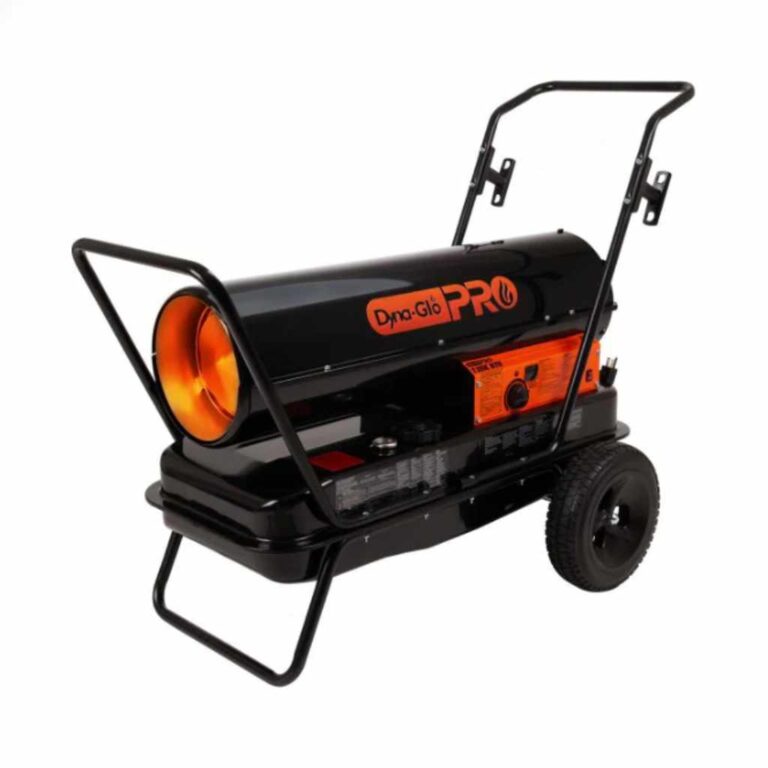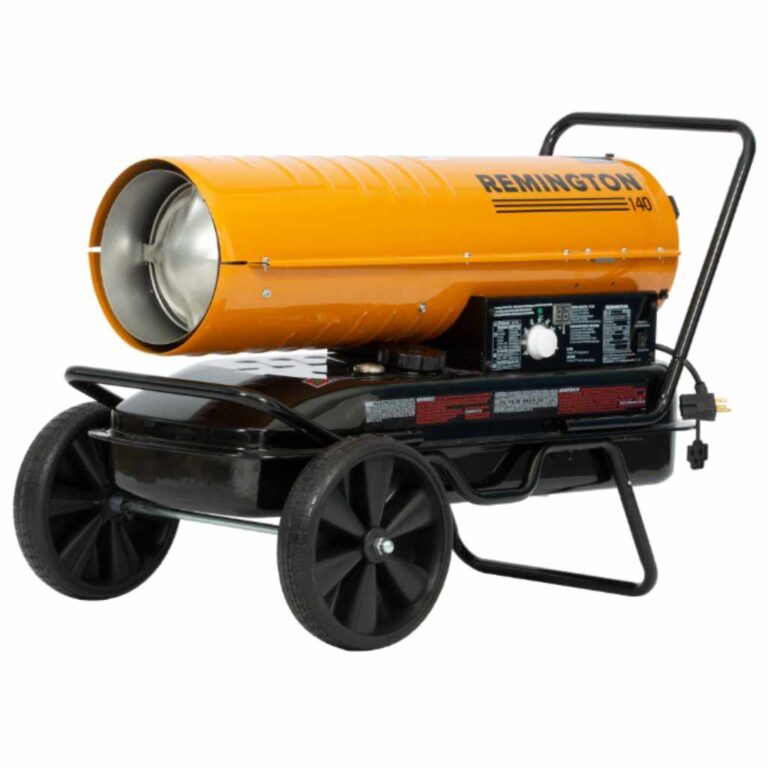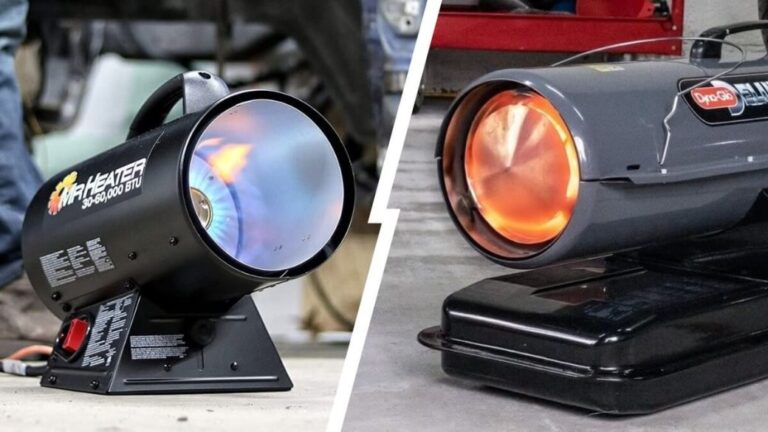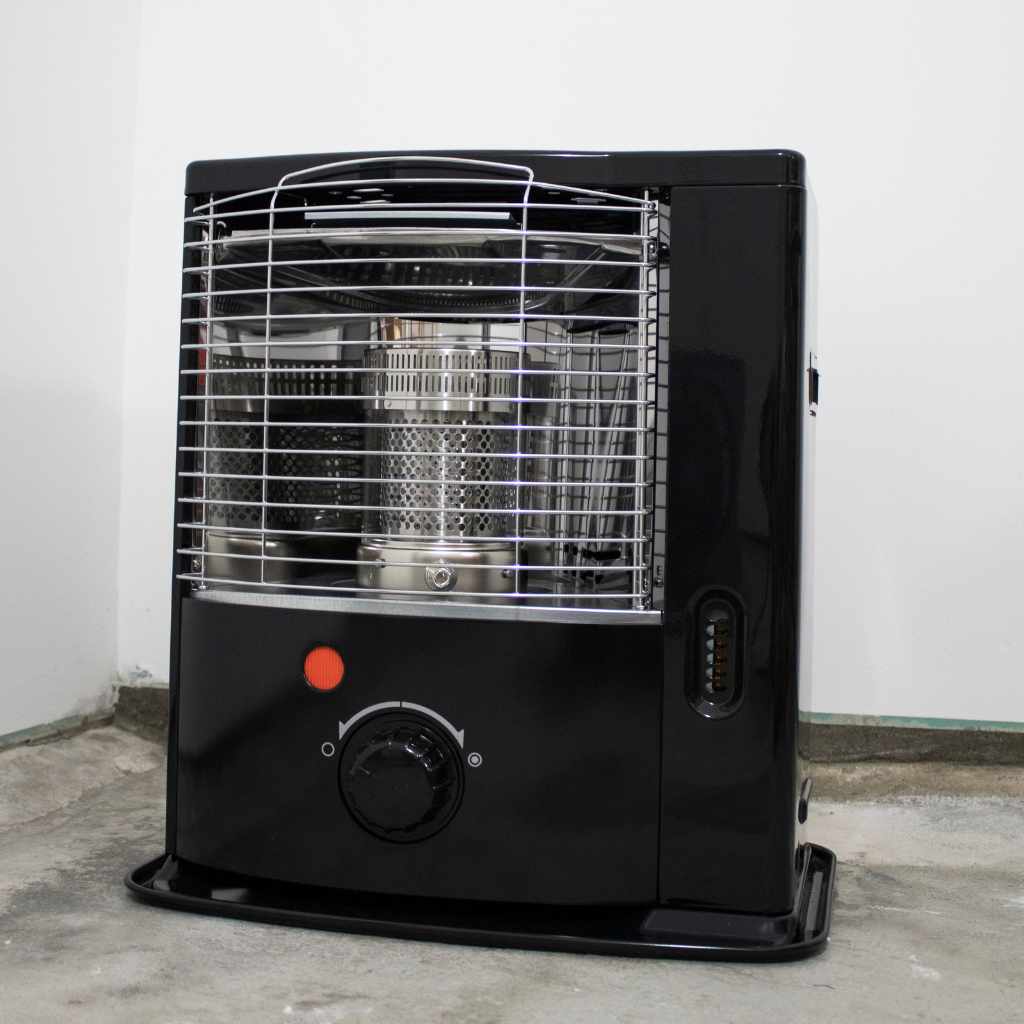
K1 Kerosene Heaters Are Safe with Proper Ventilation
K1 Kerosene heaters are safe when used correctly following manufacturer guidelines, ensuring proper ventilation, and using only K-1 grade, filtered fuel. Safety hinges entirely on smart operation; neglect leads to serious risks like carbon monoxide poisoning.
When the chilly air rolls in, finding a fast, affordable way to warm up your home is top priority. Maybe you’ve heard great things about Kerosene heaters—they offer powerful, portable heat without needing a chimney or ductwork. But an immediate question follows: are K1 kerosene heaters safe? It’s a totally sensible worry. Hearing about fuel-burning appliances can sound a little scary at first. You want a warm home, not a hazard!
Don’t worry, we are going to clear up all the confusion surrounding these handy heaters. As an expert guide helping homeowners just like you, I will break down exactly what makes K-1 kerosene safe, what the real risks are, and how you can use them confidently through the whole winter. We’ll cover fuel types, setup, and maintenance in simple steps so you feel in control.
Let’s get past the myths and explore the essential truths so you can beat the chill safely!
Understanding K-1 Kerosene Heaters: What Makes Them Tick?
Kerosene heaters are popular for a reason: they generate seriousBTUs (British Thermal Units) quickly and use an affordable fuel source. They are often used for backup heat, garages, or heating single rooms when the main furnace can’t keep up. But safety starts with understanding the basics.
What is K-1 Kerosene Anyway?
The “K-1” part of the name is crucial. Kerosene is refined fuel, but it comes in different grades. K-1 is the cleanest grade available for consumer heaters. Think of it like this:
- K-1 Kerosene: This is highly refined and has very low sulfur content. It burns much cleaner, produces fewer odors, and is certified safe for indoor portable heaters that meet modern safety standards.
- K-2 Kerosene: This grade is less refined, higher in sulfur, and generally should NOT be used in standard indoor space heaters. It creates more fumes and dangerous emissions.
The Golden Rule: If your heater manual says it uses Kerosene, it demands K-1. Never substitute with gasoline, lamp oil, or furnace oil; these are highly dangerous substitutes.
The Safety Lifeline: Certification and Design
Modern K-1 kerosene heaters sold today are not the same as older models. Today’s units are designed with built-in safety features. Look for these seals when buying:
- UL Listed or ETL Certified: This means an independent laboratory (like Underwriters Laboratories) has tested the product and confirmed it meets strict safety standards for manufacturing and operation.
These safety controls usually include an automatic shut-off feature if the heater tips over, or if it detects dangerously high carbon monoxide (CO) levels.
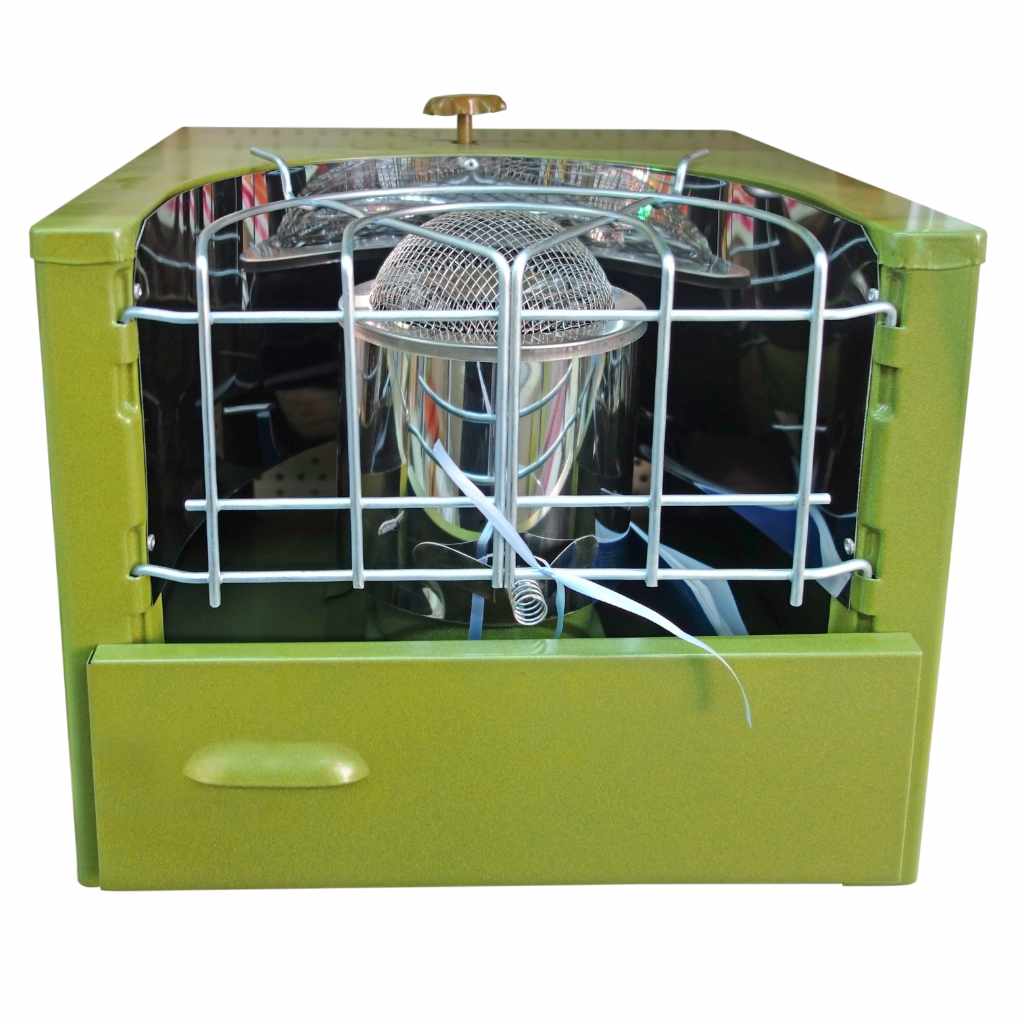
The Big Question: Are K1 Kerosene Heaters Truly Safe?
Yes, they absolutely can be safe, but only when the user respects the fuel and follows all operational rules. We need to separate fear from facts. The majority of incidents involving kerosene heaters come from misuse, not faulty design.
The Key Hazard: Carbon Monoxide (CO) Poisoning
This is the number one concern for any fuel or combustion heater. Carbon monoxide is an invisible, odorless gas produced when fuel burns without enough oxygen (incomplete combustion). It’s deadly because you can’t smell it.
A properly burning K-1 kerosene heater produces very little CO.
However, if ventilation is poor, the CO levels will rise quickly. This is why proper air flow is not optional—it’s mandatory for your safety.
Managing Fire Risk
Fire is the second major concern. Kerosene itself is far less volatile than gasoline. Kerosene requires a wick or a spark to ignite. It’s a combustible liquid, not an easily ignitable flammable one like gasoline.
Safety here means:
- Keeping the heater portable (not too close to walls or curtains when running).
- Never refueling a hot or running heater.
- Storing fuel safely away from the heat source.
Five Golden Rules for Safe Kerosene Heater Operation
To ensure your K-1 unit keeps you warm and safe, follow these five non-negotiable rules. These practices are recommended by safety experts and manufacturers alike.
Rule 1: Never Skip Ventilation
This cannot be stressed enough. Combustion requires oxygen. You must allow fresh air into the room to replace the oxygen the heater is consuming.
How to Ventilate Simply:
- Open a window or exterior door slightly (about 1 square inch for every 1,000 BTUs the heater produces is a good starting point, but crack one window a half-inch wide—that’s usually enough).
- Ensure combustion air intake vents on the heater are not blocked by furniture or rugs.
Rule 2: Install a Carbon Monoxide Detector
This is your backup alarm. Even if your heater is functioning perfectly, accidents can happen, or ventilation might slip your mind. A working, tested CO detector is the single best investment you can make when using any fuel-burning appliance indoors.
I personally suggest checking battery-operated CO detectors twice a year when you change your clocks for Daylight Saving Time.
Rule 3: Refuel ONLY When Cold and Outdoors (or in a Well-Ventilated Space)
Kerosene vaporizes when hot, which is flammable. If you splash hot fuel nearby while refueling, a spark or the heater’s pilot light could ignite the rising vapor.
Action Steps for Refueling:
- Turn the heater completely off and wait at least 15–20 minutes until the unit is cool to the touch.
- Remove the heater from the room you are heating, if possible, and take it to a garage or well-ventilated area.
- Use an approved, sealed fuel can specifically for kerosene.
Rule 4: Use ONLY K-1 Kerosene Fuel
Go back to the fuel consistency. If you buy fuel from a reputable gas station or hardware store, it should be clearly labeled K-1. Better yet, use a dedicated kerosene fuel additive made to clean and filter the fuel before you pour it into the tank. Contaminants are a major cause of wicks becoming dirty, leading to inefficient, sooty, and smoky operation.
Rule 5: Keep Clearances Impeccable
Combustion generates intense radiant heat. Always maintain a safe perimeter around the unit. Always check your owner’s manual, but general guidelines recommend:
| Object Type | Minimum Safe Distance |
|---|---|
| Curtains, fabrics, paper, dry brush | At least 3 feet (1 meter) |
| Furniture, walls (non-combustible) | At least 1 foot (30 cm) |
| Vents or openings on the heater itself | Check manual, usually 2 feet from ignition source |
Maintenance: The Secret Ingredient to Kerosene Safety
A well-maintained heater is a safe heater. Unlike electric heaters that just need dusting, fuel-burning appliances require regular TLC to ensure they combust cleanly. This maintenance is incredibly simple and won’t take long!
When and How to Clean/Adjust the Wick
The wick draws the kerosene up to be vaporized and burned. When it gets coated with carbon deposits, the flame quality drops, and it starts smoking or smellier.
Wick Care Checklist:
- Monitor the Flame: If the flame is uneven, flickers after warming up, or produces black smoke, the wick needs attention.
- Check the Manual: Every heater has a specific procedure for wick adjustment or cleaning. Follow it exactly.
- Burn-Off Procedure: Some heaters can be run at maximum setting for about 30 minutes (safely outside or very well ventilated) to bake off light carbon deposits.
- Replacement: Wicks wear out. If cleaning doesn’t improve performance, buy a manufacturer-approved replacement wick. A dull wick cannot draw up enough fuel evenly, leading to poor combustion.
Inspecting the Fuel Filter and Tank
Dirt or debris in the fuel tank can clog the system and cause unpredictable heating. Before using fuel stored over the summer, filter it.
- Straining Fuel: Always pour fuel through a fine-mesh filter or funnel designed to catch debris when transferring it from the storage container to the heater tank.
- Tank Cleaning: If you notice sediment at the bottom of your storage can, carefully pour the old fuel into your heater tank until the last two inches (which contains the gunk) is left behind in the can. Dispose of old residue safely according to local guidelines.
Comparing K-1 Kerosene Heaters to Other Types
To help you decide if a K-1 unit is the right fit, let’s compare its safety profile and performance against other common options homeowners use for supplemental heat. For detailed guidance on safe installation practices, the resources from organizations like the National Fire Protection Association (NFPA) offer excellent guidelines on use of portable heating equipment.
| Heater Type | Primary Fuel/Source | Ventilation Requirement | CO Risk Level (When Used Correctly) | Initial Cost |
|---|---|---|---|---|
| K-1 Kerosene Heater | K-1 Kerosene | Mandatory (Partial Window Open) | Low (If ventilated) | Medium |
| Propane/Natural Gas (Vented) | Natural Gas/LP Tank | None (Permanently vented outdoors) | Very Low | High |
| Electric Space Heater | Electricity | None | Zero | Low |
| Wood Burning Stove | Wood/Pellets | Mandatory Chimney/Flue | High (If flue fails) | Very High |
Addressing Common Misconceptions About Kerosene Safety
Let’s tackle a few common worries that might stop you from using these efficient heaters.
Misconception 1: Kerosene Heaters Cause Smells
The Truth: An old, dirty, or poorly maintained K-1 heater will absolutely smell. However, a clean heater being operated with fresh K-1 fuel and a properly adjusted wick should have a very minimal odor, especially once it has warmed up completely. Heavy odor usually means incomplete burning, signaling a maintenance issue (rule #5 above!).
Misconception 2: Kerosene is the Same as Gasoline
The Truth: Far from it! Kerosene is much safer to store than gasoline. Gasoline vaporizes easily at room temperature, leading to explosions if a spark is present. Kerosene does not. This is why K-1 is approved for safe indoor heating appliances—it is far more stable.
Misconception 3: They Are Always a Fire Hazard
The Truth: Like any heating device, they need respect. If you keep necessary clearances (Rule #5) and power them off before sleeping or leaving the house (which is the official safety recommendation for all un-permanently installed space heaters), the fire risk is comparable to a space heater, provided the rollover switch is functional.
Setting Up Your Heater: A Quick Walkthrough for Beginners
Ready to feel cozy? Here is the simplified setup guide to get your K-1 heater running safely the first time.
Step-by-Step First Use Guide
- Unpack and Check Components: Remove all packaging materials. Ensure the tank seal, wick assembly, and safety shield are correctly installed as per the diagram.
- Pre-Soak the Wick (Crucial!): If the wick is new, fill the fuel tank with K-1 kerosene. Let the wick soak for at least one hour—ideally two. This prevents the wick from burning up immediately when you try to light it.
- Position and Ventilate: Place the heater on a flat, non-combustible surface, far away from drapes. Open your required ventilation opening (e.g., crack a window).
- Ignite the Heater: Turn the control knob to the ‘start’ or ‘lighting’ position and use the igniter button (or match). Wait for the flame to stabilize.
- Adjust the Flame: After 10–20 minutes, the heater reaches operating temperature. Look at the flame through the sight window. It should burn cleanly. If it shows yellow tips or rises too high, turn the control knob down slightly until the flame is stable and even.
- Monitor Carbon Monoxide: Once running, check your CO detector. If it alarms for any reason, turn the heater off immediately and ventilate the room fully before investigating.
Fuel Storage: Handling Kerosene Safely Year-Round
Storing fuel properly is just as important as using the heater correctly. Poorly stored fuel becomes bad fuel, which leads to a badly burning heater.
Best Practices for Kerosene Storage
- Containers: Always use UL-listed, approved kerosene storage cans. Never use old milk jugs or unsealed plastic containers. Cedar Valley Nursery often recommends using containers explicitly designed for heating oils.
- Location: Store fuel outside of your living space. A cool, dry garage, shed, or outdoor storage area away from direct sunlight is best. Keep it away from furnaces, water heaters, or any spark source.
- Shelf Life: Kerosene starts to degrade after about a year, especially if stored in fluctuating temperatures. Try to use it within one heating season or purchase fresh fuel annually for the best performance.
FAQ: Simple Answers About K-1 Heater Safety
Q1: Can I use K-1 Kerosene in a non-K-1 rated heater?
A: No. Always follow your heater’s manual. Most older, uncertified, or different types of heaters (like some catalytic heaters) require different fuels or different operating standards. Stick to what the manufacturer specifies.
Q2: How often must I ventilate the room when using a kerosene heater?
A: You must maintain ventilation the entire time the heater is running. Crack that window open before lighting the heater, and don’t close it until the heater is completely cold and turned off.
Q3: If my kerosene heater smells, should I stop using it?
A: Yes, strongly consider it. A noticeable smell means the fuel is not burning perfectly clean. Turn it off, let it cool completely, and check the wick condition and fuel line. It likely needs cleaning or a wick adjustment before you try again.
Q4: Is it safe to sleep with a kerosene heater running?
A: Most experts and product warnings strongly advise against sleeping with any un-vented, fuel-burning appliance running. Heat output changes as the fuel level drops, and accidental tipping or sudden ventilation loss presents higher risks when you are asleep.
Q5: What should I do if the heater tips over while running?
A: If your modern heater has a functional tip-over cutoff switch (most do), it should shut off instantly. If it doesn’t, or if you smell fuel or see a fire, immediately turn the control knob to ‘Off’ and evacuate the room. If there is a fire, call emergency services.
Q6: Can I use additives like kerosene “water removers”?
A: You can, and sometimes it’s wise because water contamination is common. Specialized kerosene additives that filter water or improve combustion quality are generally considered safe and helpful, provided your heater manual approves additives. Stick to products designed specifically for K-1 fuel.
Conclusion: Confident Warmth Through Careful Use
We’ve covered a lot of ground, and I hope you now feel much more confident about the role K-1 kerosene heaters can play in keeping your home warm. The essential takeaway is this: Are K1 kerosene heaters safe? Yes, they meet modern safety standards and operate efficiently when used with respect for the fuel and the mechanics of combustion.
Safety isn’t about avoiding the tool; it’s about mastering the process. By committing to fresh, K-1 fuel, always ensuring proper ventilation, checking your carbon monoxide detector regularly, and performing simple wick maintenance, you transform a potential worry into a reliable source of affordable heat.