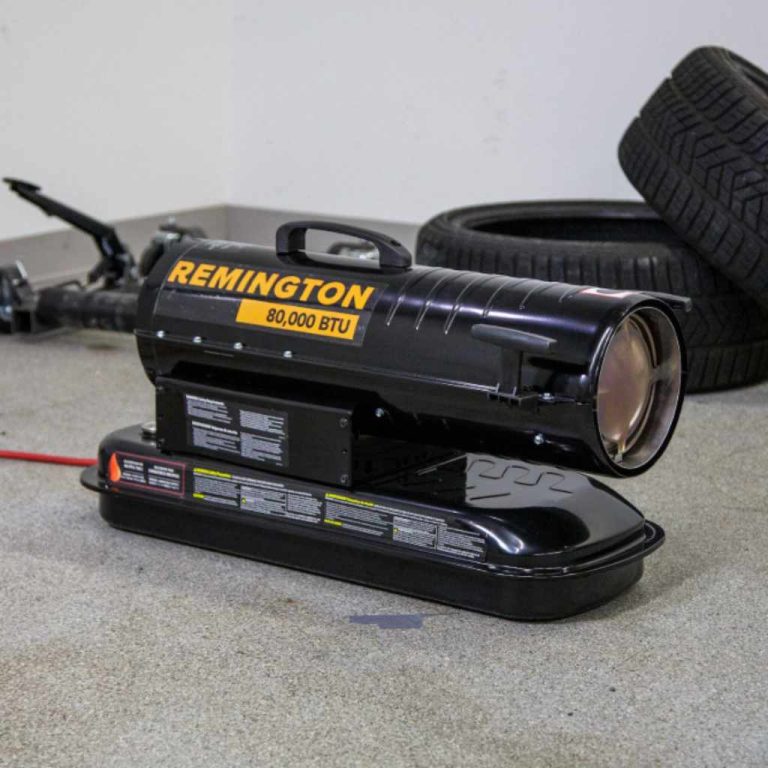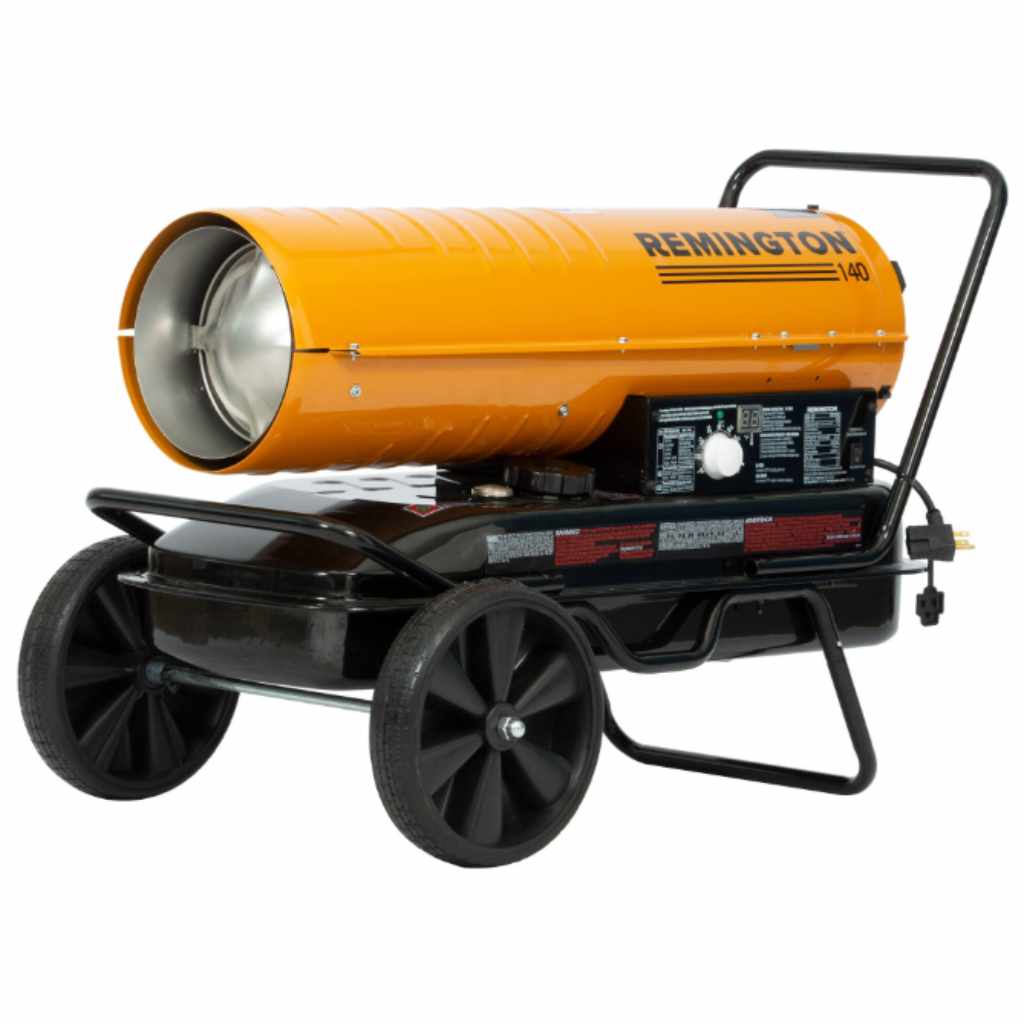
Are Forced Air Kerosene Heaters Safe Indoors?
Forced air kerosene heaters are generally safe when used exactly as directed in well-ventilated spaces. However, improper use creates severe risks from carbon monoxide poisoning and fire. This guide shows you the exact rules for safe indoor operation, ensuring you stay warm without danger.
When the cold really sets in, finding a reliable and powerful heat source matters. Forced air kerosene heaters pack a serious punch, making them popular for workshops, garages, or big spaces. But many homeowners pause, wondering, “Are forced air kerosene heaters safe indoors?” It’s a smart question. People worry about fumes, fire risks, and operating these powerful units inside their home living areas. You want warmth, not worry!
You absolutely can use these heaters safely, but it requires following strict guidelines. Think of me, Tanim, as your dependable neighbor showing you the ropes. We will break down exactly what these heaters do, the strict safety rules you must follow, and the clear signs that a heater isn’t right for indoor space heating. By the end of this guide, you’ll feel completely confident in operating your unit or perhaps deciding that a different heater is the better, safer fit for your primary living areas.
Understanding Forced Air Kerosene Heaters
Before diving into safety, let’s quickly explain what a forced air kerosene heater is. Unlike small paraffin heaters that just radiate warmth, these units actively push heated air out, much like a big portable furnace. They burn kerosene fuel to generate intense heat.
How They Work: Simple Mechanics
These heaters aren’t complicated machines, which makes them reliable performers, especially in cold conditions. Here is the basic process:
- Fuel Delivery: Kerosene is pumped from the tank to the burner area.
- Ignition: A glow plug or a similar mechanism ignites the fuel, creating a strong flame.
- Air Circulation: A fan (this is the “forced air” part) draws in surrounding air, passes it over the heat exchanger containing the flame, and then blows the hot air out into the room.
- Exhaust: Crucially, modern direct-fired units vent all combustion byproducts, including carbon monoxide, directly into the heated space. This is the core of the indoor safety discussion.
Direct-Fired vs. Indirect-Fired Heaters
This distinction is the single most important safety factor when considering indoor use. Always know which type you are operating:
| Heater Type | Exhaust Handling | Best Use Case | Indoor Residential Use? |
|---|---|---|---|
| Direct-Fired | Vents all exhaust directly into the room. Requires constant, abundant fresh air. | Garages, construction sites, outdoor structures where ventilation is guaranteed. | Generally NOT recommended for primary continuous indoor use. |
| Indirect-Fired | Uses a chimney connection to vent all exhaust outside the building. | Larger construction sites or commercial spaces needing directed heat. | Safe for indoor spaces if properly vented through a verified flue system. |
For the purpose of this beginner guide, most common, portable forced air kerosene units are direct-fired. Assume yours is direct-fired unless it came with professional venting instructions and hardware ready to route exhaust securely outside.
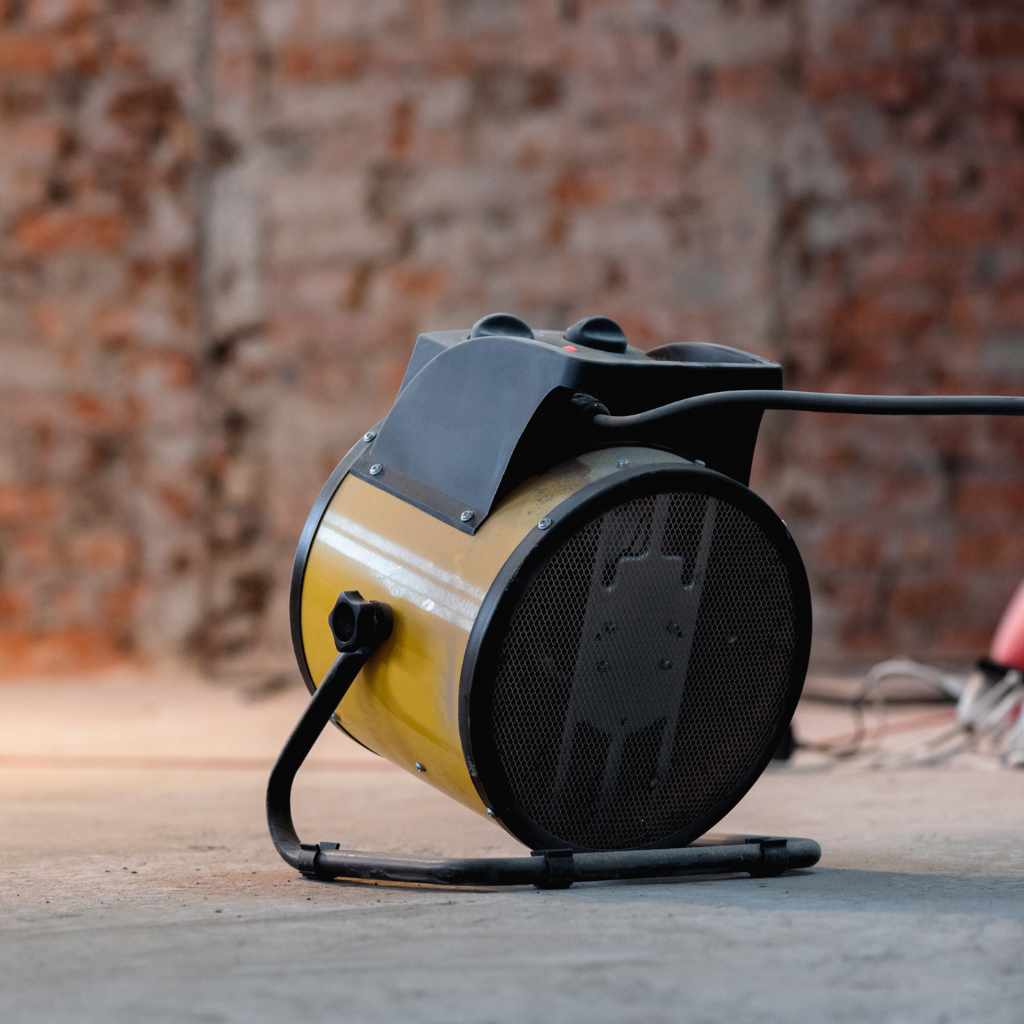
The Critical Question: Are Forced Air Kerosene Heaters Safe Indoors?
The short answer is nuanced: They are engineered for certain environments, but bringing them into a typical home living area introduces risks that other heating methods do not. Safety hinges entirely on ventilation and adherence to manufacturer instructions.
The Clear Dangers: Carbon Monoxide and Fire
Two things can turn your cozy heat source into a major hazard very quickly:
1. The Invisible Threat: Carbon Monoxide (CO)
When kerosene burns, it produces exhaust gases, including carbon monoxide. CO is colorless, odorless, and deadly. In a small, unventilated room, CO levels climb rapidly. A direct-fired heater running in a closed bedroom or living room can poison occupants faster than you realize.
2. Fire Hazards
These heaters create intense surface heat and often use combustible fuel stored right next to the burner. If knocked over, if an object is too close, or if flammable materials like curtains or rags touch the unit, fire is a serious risk.
When is Indoor Use Acceptable? (Strict Conditions Apply)
Because of the CO risk, safety experts, including those at the National Fire Protection Association (NFPA), suggest limiting these units largely to garages, well-ventilated workshops, or areas where fresh air exchange is guaranteed. If you must use one near your main home:
- Never use a direct-fired unit in a sleeping area.
- Always ensure at least one large window (or door) is open, providing continuous fresh air intake equivalent to the heater’s required cubic footage.
- CO Alarms are Non-Negotiable: You must have working, tested carbon monoxide detectors placed near the heater (but not too close) and near sleeping areas.
Step-by-Step Safety Checklist Before Firing Up
Do not skip these steps. They are your safeguard against disaster. Walk through this list every single time you plan to operate the heater.
Step 1: Inspect the Heater Before Every Use
A quick inspection saves potential trouble. Always ensure:
- The fuel tank is leak-free and sealed tightly.
- The wire mesh guard is fully intact—no holes or breaks.
- The ignition mechanism sounds normal (no strange popping or sputtering).
- There are no signs of damage to the casing or power cord.
Step 2: Choose the Right Location
Location is half the battle won. Follow these guidelines:
- Ground Level: Always place the heater on a hard, level, non-combustible surface (like concrete or tile). Never on carpet, rugs, or wooden floors unless you place a certified, fire-resistant mat underneath it.
- Clearance: Maintain a minimum of three feet (about one meter) of clearance on all sides between the heater and anything flammable—furniture, boxes, curtains, walls, etc. Remember, the sides get very hot!
- No Drafts: Avoid placing it directly near doors or large windows where strong drafts could blow the flame or knock the unit over, although proper ventilation is still needed (see Step 3).
Step 3: Guarantee Ventilation (The Indoor Safety Key)
For direct-fired units, this is the make-or-break step for indoor safety. You need fresh air replacement:
- If using in a garage attached to a home, the main door leading into the home must remain closed and sealed.
- Open a large window or door in the room where the heater is located at least 3 to 6 inches wide. The opening size depends on the heater’s BTU rating; bigger heater means bigger opening needed. Check your manual!
- CDCs recommendations on CO prevention frequently emphasize providing clear outside air access whenever fuel-burning appliances run.
Step 4: Fuel Management
Kerosene is flammable, and safety starts at the fuel source.
- Only use No. 1-K Kerosene. Do not substitute diesel, gasoline, or other fuels. This causes poor burning, excessive smoke, and higher CO output.
- Refuel only when the heater is completely cool and turned off. Never add fuel while it’s running, smoking, or still hot from recent use.
- Refuel outdoors if possible. If refueling indoors, do so carefully, away from pilot lights or sparks, and clean up any spills immediately.
Step 5: Monitor Constantly
Never leave a forced air kerosene heater running unattended. This rule applies even if you only step out of the room for a moment. If you leave, turn it off. If you go outside or go to sleep, turn it off.
Refueling and Maintenance: Keeping It Clean and Safe
A well-maintained heater runs cleaner, produces less odor, and has a lower chance of failure. Think of maintenance as proactive safety insurance.
Regular Cleaning Schedule
Over time, residue builds up, leading to inefficient burning and potential danger.
- Weekly Check: Use a soft, dry cloth to wipe down the exterior casing, ensuring that vents are clear of dust or dirt.
- Monthly Burner Cleaning: Once the unit is cool, carefully remove the burner assembly following your manual’s directions. Gently brush any soot or carbon deposits from the wick or metal parts using a soft brush. Do not use water.
- Deep Inspection (Annually): Have a qualified technician inspect the fuel gauge, safety shut-offs, and wiring once a year, especially before the heating season starts.
Signs Your Heater Needs Immediate Attention
If you notice any of these issues, shut the unit down immediately, unplug it, and let it cool before inspecting:
- Excessive black smoke coming from the unit during operation.
- A strong, persistent smell of unburned kerosene or fuel oil after the unit has warmed up (a slight smell when first lighting is normal, but it should fade).
- The flame appears yellow or orange instead of a clean blue/white center.
- Pilot light or ignition frequently fails, requiring multiple attempts.
Comparing Forced Air Kerosene with Other Indoor Heaters
If, after reviewing the safety hoops you have to jump through, you realize a forced air unit isn’t practical for your main space, knowing your alternatives is helpful. Forced air kerosene shines in open, non-living scenarios, but these others might be better for your family room.
When to Choose Electric or Propane Alternatives
For dedicated, year-round indoor living spaces (especially where children or pets are present), safer options often exist:
| Heater Type | Fuel/Power | Primary Indoor Benefit | Biggest Drawback |
|---|---|---|---|
| Kerosene Forced Air | Kerosene | High heat output for large, open areas (garages, job sites). | Requires constant, robust ventilation (CO risk). |
| Propane Catalytic Heater | Propane Tanks | Relatively clean burning, no fan noise, good for backup power outages. | Still requires some ventilation, limited heating capacity (best for small rooms). |
| Electric Space Heater | Standard Outlet | Zero combustion risk, safest for small rooms, highly portable. | Can trip household circuits, typically higher operating cost. |
| Infrared/Radiant Heater | Electric or Gas (Vented) | Heats objects and people rather than just air, very efficient spot heating. | Doesn’t circulate heat well across a large, multi-room area. |
My advice is this: If your goal is supplemental heat for a well-ventilated garage or construction zone, the kerosene unit is powerful. If the goal is keeping the living room cozy during a power outage, an electric or certified propane heater designed for indoor use is generally a much simpler and safer choice for beginners.
Troubleshooting Common Indoor Use Snags
Even when you follow the rules, things can occasionally go wrong. Simple debugging can often prevent you from thinking the heater is unsafe when it’s just acting up.
Issue 1: Too Much Odor
If you notice a heavy kerosene smell even after the heater has fully warmed up, this is a breakdown of complete combustion, meaning higher CO risk.
Fix: Immediately shut it down. The most common cause is a dirty or damaged wick/burner. Clean the assembly as described above. If cleaning does not resolve the odor during normal operation, the unit may need professional servicing or replacement.
Issue 2: Heater Keeps Shutting Off
These heaters have built-in safety switches. If it shuts off unexpectedly, it’s telling you something is wrong.
Fixes to Check:
- Fuel Level: Is the tank registering enough fuel? Many automatically shut off when nearly empty.
- Oxygen Depletion Sensor (ODS): If your unit has one, it’s shutting down because the oxygen level in the room is too low—a sign you do not have enough ventilation! Open a window more widely.
- Tip-Over Sensor: Did the unit get nudged? Wait five minutes and try reigniting.
Issue 3: Condensation or Soot on Surfaces
If you see white residue or shiny black soot on nearby walls or windows after running the heater for a while, it means the kerosene is not burning perfectly clean. This immediately signals high CO risk.
Fix: Stop using the heater immediately. This indicates improper fuel (you might have mixed in something slightly different than No. 1-K), or the combustion chamber is severely compromised/dirty. Do not relight until the burner is inspected and cleaned thoroughly.
Essential Home Safety Equipment for Kerosene Use
Owning a powerful, fuel-burning appliance demands corresponding safety equipment beyond the heater itself. Investing a little in these items is crucial for protecting your family.
Three Must-Have Safety Devices:
- Carbon Monoxide (CO) Alarms: Have at least one battery-operated CO alarm installed within 10 feet of the heating appliance AND one near any sleeping area. Test batteries monthly—this cannot be stressed enough.
- Fire Extinguisher (ABC Rated): Keep a small, easily accessible, appropriately rated fire extinguisher nearby. Know how to use it (P.A.S.S. method).
- Kerosene Storage Caddy: Use ONLY approved, UL-listed safety cans designed specifically for kerosene transportation and storage. Never store large fuel stores near the heater or inside the main living space.
Remember, for added peace of mind when heating large, unfamiliar spaces like commercial rental sheds or large rural workshops, always consult local building and fire codes. Many localities have specific rules regarding the use of portable unvented heaters near residential structures.
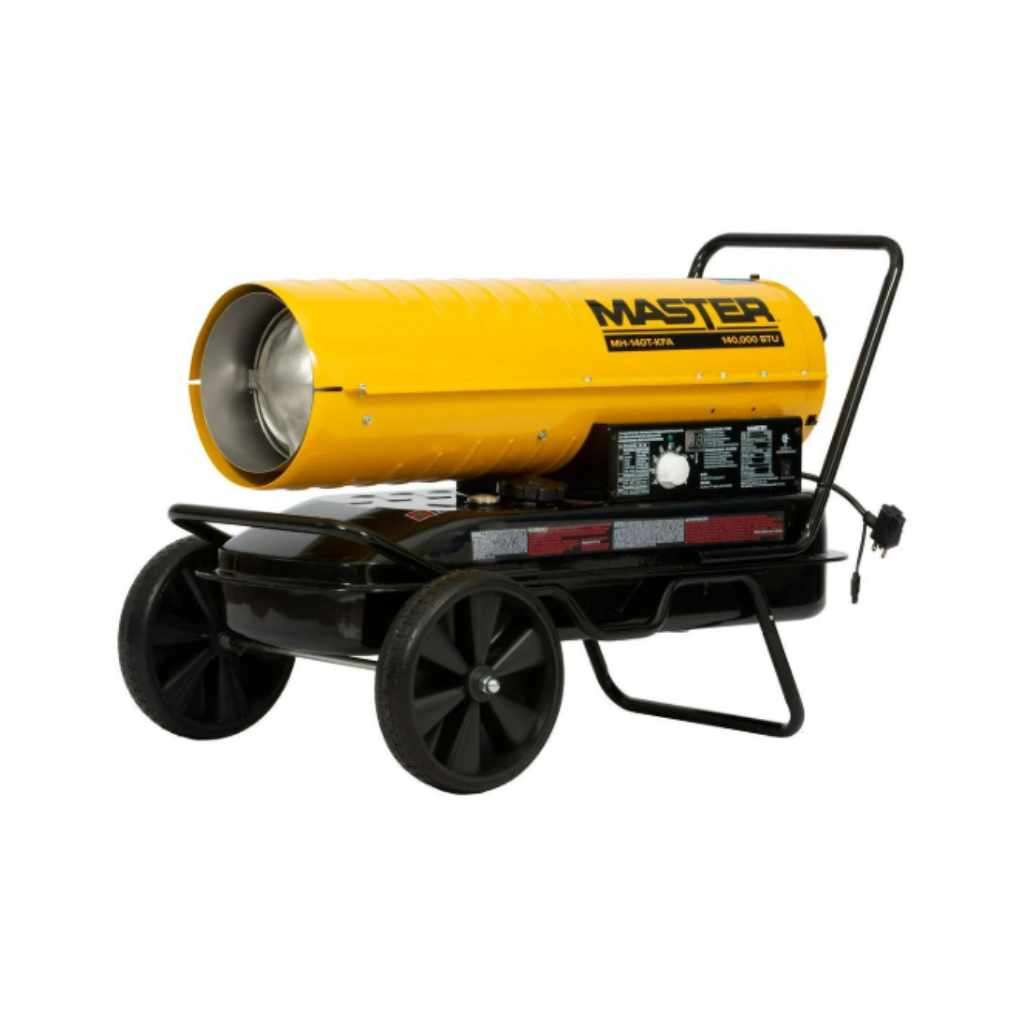
Frequently Asked Questions About Forced Air Kerosene Heaters
Q1: Can I use naturally occurring ventilation, like a leaky house, instead of opening a window?
A: Relying on minor leaks is risky. Forced air units need a large, assured air exchange volume. If your house is modern and well-sealed, opening a window manually is the only way to guarantee enough fresh air replaces what the heater burns.
Q2: How long can I safely run a forced air kerosene heater indoors in a ventilated garage?
A: If you maintain continuous, adequate ventilation and closely monitor CO levels, operational time is mostly limited by your fuel supply and noise tolerance. However, most manufacturers suggest breaks for inspection and cooling cycles.
Q3: Is the heater safe to use if I smell a little odor when I first turn it on?
A: A brief, faint odor as the heater starts up (while the combustion cycle is stabilizing) is sometimes normal. If the strong odor persists once the unit is running strong (after 10-15 minutes), shut it down. Persistent odor means incomplete burning and CO production.
Q4: What is the best type of kerosene to use?
A: Always use K-1 grade kerosene. This is the high-purity fuel meant for residential heaters. Never use K-2 grade, which is for industrial lamps, or any substitute fuel like gasoline, which is extremely dangerous.
Q5: If my heater has an automatic shut-off, does that mean it’s totally safe to leave running all night?
A: No. While an automatic shut-off (like a tip-over sensor) helps prevent fire, it does not prevent carbon monoxide buildup from poor ventilation. Always turn off fuel-burning heaters before going to sleep.
Q6: Can I use a forced air kerosene heater to warm up a basement?
A: Basements are challenging because they often have poor airflow. Unless you can guarantee a very large, direct fresh air opening and monitor CO constantly, it is safer to seek heating solutions designed for enclosed, low-ventilation areas.