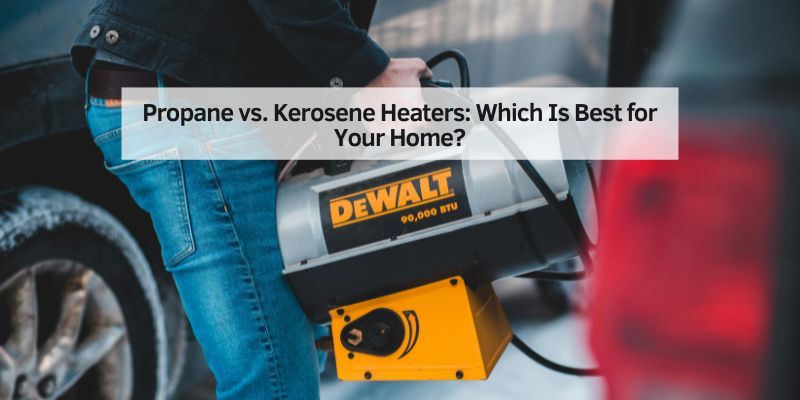
Propane vs. Kerosene Heaters: Which Is Best for Your Home?
Hey there! If you’re like me, you’ve probably found yourself shivering in a chilly garage or wondering how to keep your home cozy during a winter power outage. Choosing the right heater can feel overwhelming, especially when you’re torn between propane and kerosene heaters. I’ve spent plenty of time researching and using both types, and I’m excited to share what I’ve learned. Whether you’re heating a workshop, a patio, or your living room, this guide will help you decide which heater suits your needs. Let’s dive into the world of propane and kerosene heaters, comparing their features, benefits, and drawbacks to help you make an informed choice for your home.
What Are Propane and Kerosene Heaters?
Let’s start with the basics. Propane and kerosene heaters are portable heating solutions that rely on different fuels to generate warmth. They’re popular for spaces where central heating isn’t available or during emergencies like power outages. I’ve used both in my garage and even on my patio for outdoor gatherings, and each has its own vibe.
Propane heaters run on liquid propane, a gas stored in tanks that you’ve probably seen at gas stations or hardware stores. Think of those barbecue grill tanks—same idea! Propane burns clean and is super versatile, powering everything from heaters to stoves. Kerosene heaters, on the other hand, use kerosene, a liquid fuel derived from petroleum. It’s been around forever, historically used for lamps and now for heaters. Kerosene has a distinct smell, but it packs a punch when it comes to heat output. Both are great for supplemental or emergency heating, but they shine in different situations.
How Do Propane and Kerosene Heaters Work?
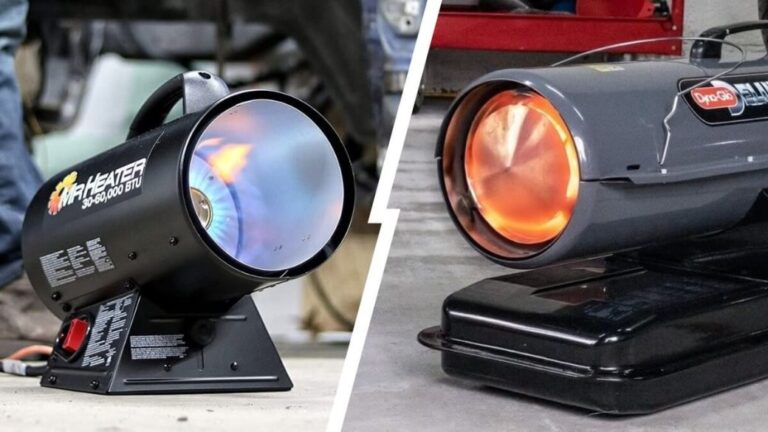
Understanding how these heaters work helps explain why they’re suited for certain spaces. Propane heaters burn propane gas to produce heat, often using a burner or radiant element. Some models, like forced-air propane heaters, blow hot air into a room, while others radiate heat to warm nearby objects. I’ve got a Mr. Heater propane model in my garage, and it’s a beast at warming up the space quickly.
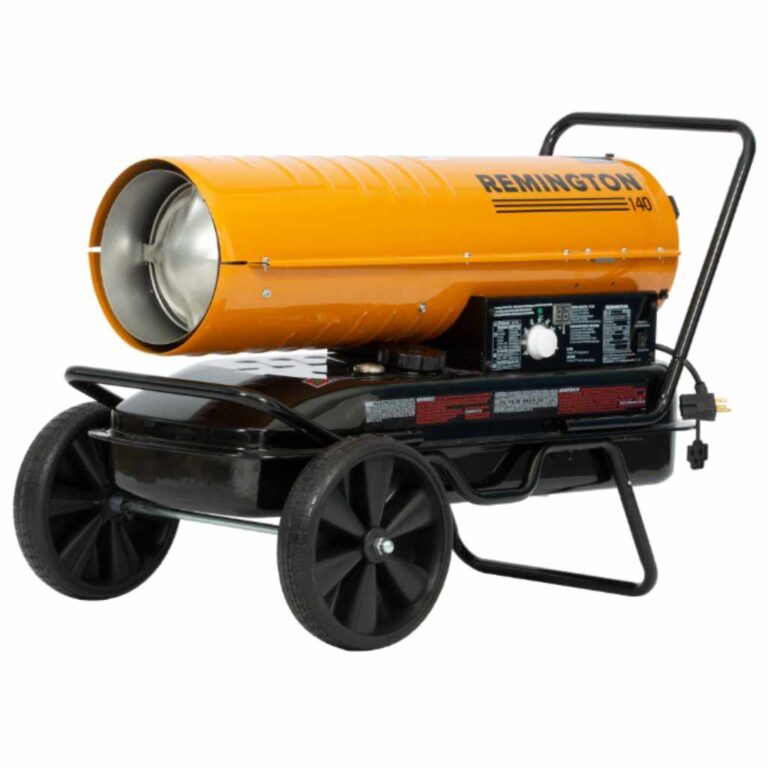
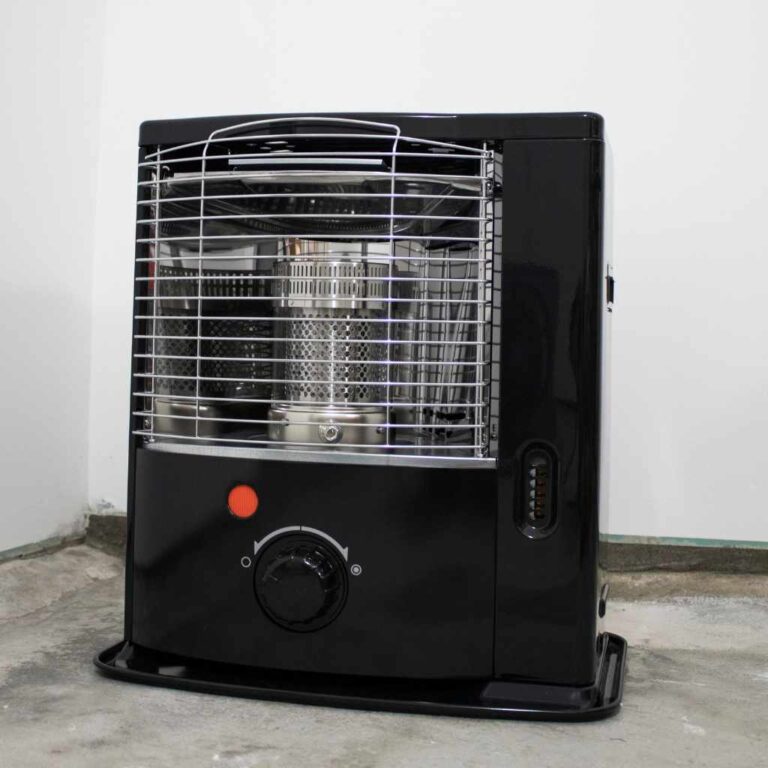
Kerosene heaters typically use a wick or burner to combust kerosene, creating heat. There are two main types: radiant kerosene heaters, which warm objects directly, and convection heaters, which heat the air around them. I’ve used a kerosene convection heater in my basement, and it’s amazing how it spreads warmth evenly. Both types of heaters need proper ventilation to avoid carbon monoxide buildup, so I always crack a window when using them indoors.
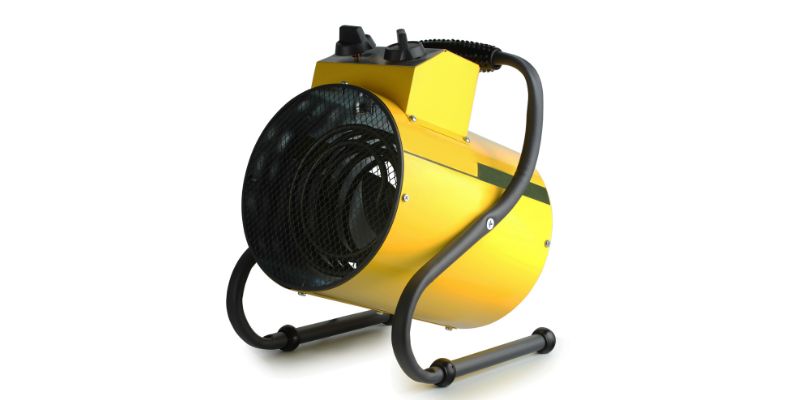
Comparing Heat Output: Propane vs. Kerosene
When it comes to heat, it’s all about BTUs—British Thermal Units. This measures how much heat a heater can produce. Kerosene heaters generally have a higher BTU output per gallon than propane. A gallon of kerosene can produce around 135,000 BTUs, while propane delivers about 91,600 BTUs per gallon. In my experience, this makes kerosene heaters feel hotter, faster, especially in large, open spaces like a workshop.
However, propane heaters are no slouches. Models like the Mr. Heater 125,000 BTU Forced Air Propane Heater can warm up a 3,000-square-foot space in no time. I’ve used one for a construction project in my backyard, and it kept everyone comfortable even on a frosty day. Kerosene heaters, like the Dyna-Glo 23,000 BTU Indoor Kerosene Convection Heater, are better for smaller spaces, heating up to 1,000 square feet for 8-12 hours on a single tank. If you’re heating a big area, kerosene might edge out slightly, but propane’s efficiency keeps it competitive.
Fuel Availability and Storage
Let’s talk about getting the fuel. Propane is everywhere—gas stations, hardware stores, even grocery stores carry those 20-pound tanks. I love how easy it is to swap out an empty propane tank at my local Home Depot. Propane also has an indefinite shelf life, so you can store it for years without worrying about it going bad. I keep a couple of tanks in my garage, and they’re ready to go whenever I need them.
Kerosene is a bit trickier. You can find small cans at hardware stores, but they’re pricey—sometimes $10 a gallon! For a better deal, you need to track down a gas station with a kerosene pump, which isn’t always easy. I had to Google “kerosene near me” to find a station 20 minutes away. Kerosene also has a shelf life of about 2-5 years, and it needs to be stored in a cool, dry place away from sunlight. I learned the hard way that old kerosene can burn poorly and clog up your heater, so I add a fuel stabilizer if I’m storing it long-term.
Here’s a quick comparison of fuel availability and storage:
| Feature | Propane | Kerosene |
|---|---|---|
| Availability | Widely available at stores and stations | Limited, often at specific gas stations |
| Shelf Life | Indefinite | 2-5 years, needs stabilizer for longer |
| Storage Requirements | Can be stored outdoors, even in weather | Must be stored in cool, dry place |
| Cost per Gallon | $3-$5 (varies by region) | $4-$10 (cheaper at pumps) |
Safety Considerations
Safety is a big deal with both heaters. I can’t stress this enough: always use these heaters in well-ventilated areas and have a carbon monoxide detector nearby. Both propane and kerosene heaters produce carbon monoxide, a colorless, odorless gas that can be deadly if it builds up.
Propane heaters burn cleaner than kerosene, producing fewer fumes and less carbon monoxide. I’ve used a Mr. Buddy propane heater in my living room during a power outage, and with a window cracked, I felt safe. Propane is a gas, though, so leaks can be dangerous. I always check the tank and hoses for cracks before firing it up. Kerosene heaters, while less likely to explode (kerosene needs a wick to ignite), produce more fumes and soot. I noticed a slight smell when I used my kerosene heater indoors, but adjusting the wick helped.
Both heaters should have safety features like tip-over switches, which shut the unit off if it falls. My kerosene heater has one, and it’s saved me from worrying when my dog gets too curious. Never leave either heater running unattended, especially overnight, and keep them away from flammable materials like curtains or paper.
Cost and Efficiency
Let’s talk money. Propane heaters are generally cheaper to buy—think $50-$150 for a good portable model. Kerosene heaters often cost more, ranging from $100-$200, but they can be more cost-effective to run in some cases. Kerosene’s higher BTU output means you use less fuel to get the same heat, but only if you’re buying it at a pump for $4-$5 a gallon. At $10 a gallon from a store, it’s a different story.
Propane is pricier per gallon but burns more efficiently, so you might not need as much. I ran my propane heater for about 24 hours on a 20-pound tank set to high, which cost me around $20 in fuel. A kerosene heater might last 8-12 hours on a 1.9-gallon tank, costing about $8-$19 depending on where you buy the fuel. For occasional use, propane’s lower upfront cost and easy availability make it a winner. But if you’re heating regularly and have access to cheap kerosene, it could save you money over time.
Maintenance also affects cost. Propane heaters are low-maintenance—just keep them clean and check for leaks. Kerosene heaters need more TLC, like wick cleaning or replacement every season. I spent $15 on a new wick for my kerosene heater last year, and it took me an hour to swap it out. Not a dealbreaker, but it’s extra work.
Portability and Ease of Use
If you’re moving your heater around, portability matters. Propane heaters are usually lighter and easier to carry, especially models that attach directly to a 20-pound tank. My Mr. Heater Buddy is so compact I can toss it in my car for camping trips. Kerosene heaters, especially convection models, are bulkier and heavier. Refilling them can be a hassle, too, since you’re pouring liquid fuel from a can. I’ve spilled kerosene on my garage floor before, and let me tell you, that smell lingers.
Propane heaters are also easier to set up. You connect the tank, turn on the gas, and light it (some models even have electric ignition). Kerosene heaters often require manual lighting with a match, which can feel old-school but takes some getting used to. If you’re like me and value convenience, propane wins here.
Environmental Impact
If you care about the environment, propane is the greener choice. It’s recognized as a clean fuel under the 1990 Clean Air Act, producing fewer greenhouse gases and pollutants than kerosene. When I used my propane heater, I barely noticed any smell, and there was no soot. Kerosene, on the other hand, emits more carbon monoxide, nitrogen dioxide, and soot, which can affect indoor air quality. I’ve had to wipe down surfaces after using my kerosene heater for a few hours because of the residue.
That said, both fuels are fossil fuels, so neither is perfect for the planet. If you’re using a kerosene heater indoors, you’ll need more ventilation to keep the air clean, which can mean letting some heat escape. Propane’s cleaner burn makes it better for indoor use, especially in smaller spaces.
Ideal Use Cases
So, which heater is right for you? It depends on where and how you’ll use it. Propane heaters are fantastic for indoor spaces with good ventilation, like garages, workshops, or even living rooms during power outages. They’re also great for outdoor use, like patios or camping trips. I’ve taken my propane heater to tailgates, and it’s a crowd-pleaser when the temperature drops.
Kerosene heaters shine in larger, open spaces or outdoor settings where their high heat output can make a difference. They’re also ideal for emergencies where electricity isn’t available, since most don’t need power to operate. I used my kerosene heater during a winter storm when our power was out for two days, and it kept my family warm in our basement.
Here’s a quick guide to help you choose:
| Use Case | Best Choice | Why? |
|---|---|---|
| Indoor Heating (Ventilated) | Propane | Cleaner burn, less fumes, easier to maintain |
| Outdoor Heating | Kerosene | Higher heat output, better for large spaces |
| Emergency Heating | Kerosene | No electricity needed, reliable for power outages |
| Camping/Portability | Propane | Lightweight, easy to transport, widely available fuel |
| Regular Use | Kerosene | Cheaper to run with bulk fuel, high heat output |
Maintenance and Longevity
I’ve already mentioned that propane heaters are low-maintenance, which is a big plus. You just wipe them down, check for gas leaks, and you’re good to go. My propane heater has been running strong for three years with zero issues. Kerosene heaters, however, need regular care. You’ll need to clean or replace the wick, empty the fuel tank before storing it, and sometimes clean out residue from old fuel. I’ve found that neglecting this can make the heater smoke or burn unevenly, which is a pain.
In terms of longevity, both can last for years if cared for properly. Kerosene heaters are built like tanks, with some models from the 1970s still in use! Propane heaters are durable too, but the tanks need recertification every 10 years, which can be a hassle. I’ve never had to replace a propane heater, but I’ve swapped out a kerosene wick twice in five years.
My Personal Experience
I’ve used both propane and kerosene heaters in different settings, and they’ve both saved me in a pinch. My propane heater is my go-to for quick jobs in the garage or when I’m hosting friends on the patio. It’s so easy to set up and use, and I don’t have to worry about fuel going bad. But when a winter storm knocked out our power last year, my kerosene heater was the real MVP. It didn’t need electricity, and it kept our basement toasty for hours with just a gallon of fuel.
The biggest downside to kerosene for me is the smell and the hassle of finding fuel. Propane’s convenience and cleaner burn make it my default choice, but I keep a kerosene heater on hand for emergencies. It’s like having a backup plan for your backup plan!
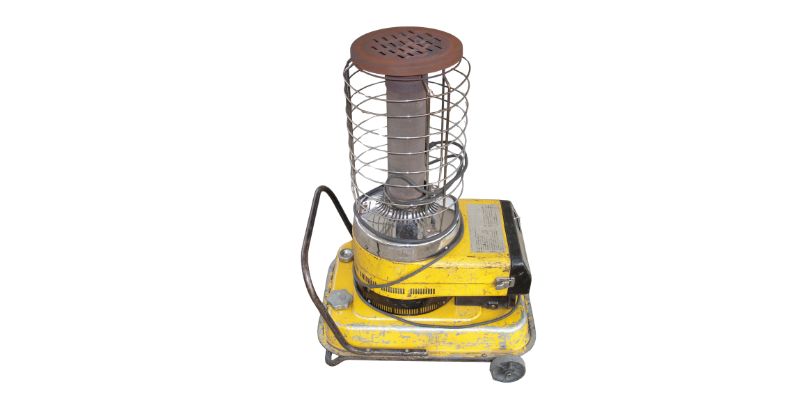
Conclusion
Choosing between a propane and kerosene heater comes down to your needs, budget, and how you plan to use it. Propane heaters are convenient, clean-burning, and perfect for indoor or portable use. They’re my pick for quick, hassle-free heating in garages, patios, or during short power outages. Kerosene heaters, with their high heat output and reliability without electricity, are ideal for larger spaces or emergencies where fuel efficiency matters. Both are powerful tools in your home heating arsenal, but safety—ventilation, carbon monoxide detectors, and proper storage—is non-negotiable.
I hope this guide has made your decision easier. Whether you’re warming up a chilly workshop or preparing for the next winter storm, the right heater can make all the difference. Stay warm, stay safe, and enjoy the cozy vibes!
FAQs
Are propane heaters safe to use indoors?
Yes, propane heaters are safe indoors if you follow safety guidelines. Always use them in a well-ventilated area, keep a carbon monoxide detector nearby, and never leave them unattended. I’ve used mine in my garage with a cracked window, and it’s been fine.
Can kerosene heaters be used without electricity?
Absolutely! Most kerosene heaters don’t need electricity, making them perfect for power outages. You light them with a match or lighter, and they’re good to go. That’s why I keep one for emergencies.
Which heater is cheaper to run?
It depends on fuel prices in your area. Kerosene heaters can be cheaper if you buy kerosene at a pump for $4-$5 a gallon, thanks to their higher BTU output. Propane is often more expensive per gallon but burns more efficiently. Check local prices to compare.
How do I store propane and kerosene safely?
Propane tanks can be stored outdoors or in a garage, even in rain or snow. Kerosene needs a cool, dry place away from sunlight, like a shed. I use metal containers with tight lids for kerosene to keep it safe.
Which heater is better for the environment?
Propane is the greener choice. It burns cleaner, producing fewer emissions and less soot than kerosene. If air quality matters to you, go with propane.
How often do I need to maintain my heater?
Propane heaters need minimal maintenance—just clean them and check for leaks. Kerosene heaters require more work, like wick cleaning or replacement every season. I spend about an hour a year maintaining my kerosene heater.
Can I use a propane or kerosene heater for camping?
Propane heaters are better for camping because they’re lightweight and portable, and propane tanks are easy to find. Kerosene heaters are bulkier and harder to refuel on the go, so I stick with propane for outdoor adventures.