
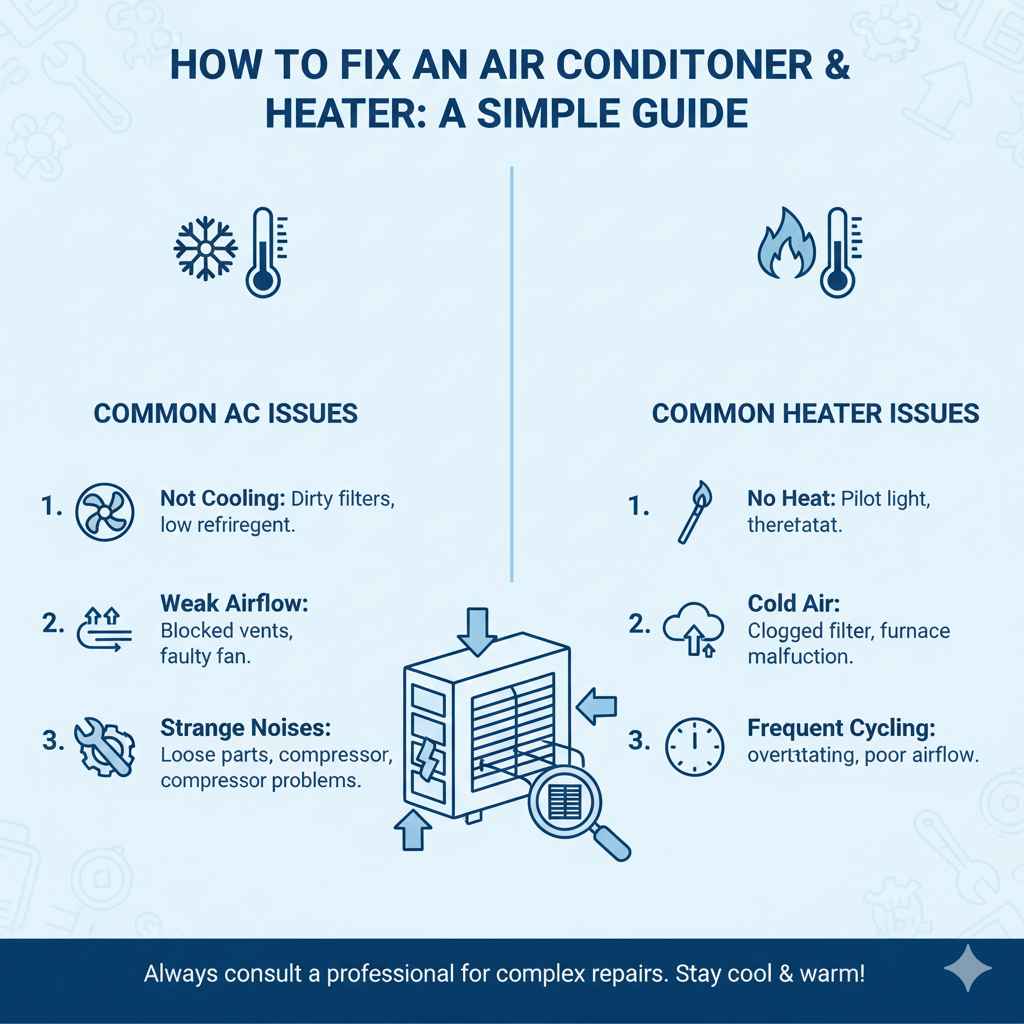
Figuring out How to Fix an Air Conditioner Heater can seem tricky, especially if you’re not a pro. The good news is, many common issues have simple solutions you can try yourself. This guide will help you explore the most likely problems and walk you through the steps to get your system working again. We’ll break down everything in easy-to-follow terms, so you can solve those heating and cooling issues quickly. Keep reading for a detailed solution.
Common Problems When Your AC Isn’t Working Right
When your air conditioner’s heater isn’t functioning properly, it can be frustrating. Many things can go wrong, from simple electrical issues to problems with the internal components. Recognizing the usual suspects is the first step toward getting comfortable again. Often, these issues stem from wear and tear, lack of maintenance, or electrical hiccups. Addressing these frequent problems will often get your system running smoothly.
Electrical Issues and Breakers
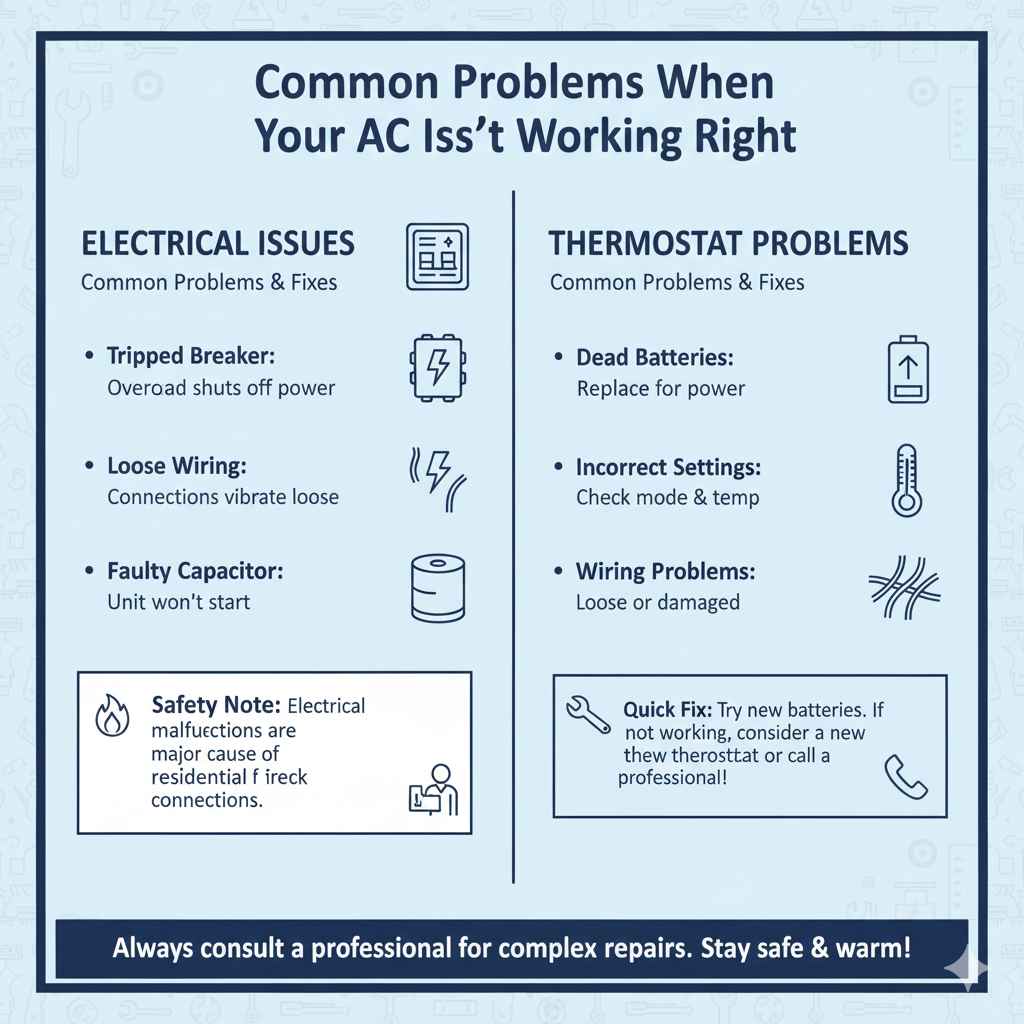
Electrical issues are a frequent cause when your air conditioner heater isn’t working. Check your circuit breaker panel first. A tripped breaker will cut off power to your unit. Sometimes, a simple flip back will do the trick. Also, inspect the wiring and connections inside the unit and in the electrical box. Loose or corroded wires can prevent the heater from receiving power.
- Tripped Breaker: The most common problem. Overloads or short circuits trigger the breaker, shutting off power. A simple reset may solve it.
- Blown Fuse: Fuses protect your unit from electrical surges. If a fuse blows, it means too much current has passed through.
- Loose Wiring: Connections can come loose over time due to vibration and use. Ensure all wires are firmly attached.
- Faulty Capacitor: Capacitors store electrical energy, which is important for the starting and running of the air conditioner’s heater. A failed capacitor can stop the unit from starting.
The National Fire Protection Association (NFPA) reported that electrical malfunctions are a major cause of residential fires, underscoring the importance of regularly checking your electrical components for safety. Proper inspection of your breaker panel and electrical connections can help. If you’re not comfortable dealing with electrical components, call a professional. Working with electricity can be dangerous if you’re not careful.
Thermostat Problems
A faulty thermostat can prevent your air conditioner heater from working, even if the rest of the system is okay. The thermostat is the control center for your air conditioning. It communicates with the unit to tell it when to turn on and off and at what temperature to maintain. A malfunction here can result in no heating or cooling. If the thermostat is not working, it will not send the correct signals.
- Dead Batteries: If your thermostat has batteries, replace them first. Low batteries are a frequent cause of thermostat failure.
- Incorrect Settings: Ensure the thermostat is set to “Heat” mode and the desired temperature is above the current room temperature.
- Calibration Issues: Thermostats can become inaccurate over time. Consult your thermostat’s manual for calibration instructions.
- Wiring Problems: Check the wiring behind the thermostat for loose connections or damage.
A functional thermostat is critical for your air conditioner. To confirm the unit is working, try adjusting the temperature. If the heater still doesn’t turn on, you might have a problem with the thermostat itself. Replacing a thermostat is usually not a difficult task, and many models are available at local hardware stores. Consider checking online retailers for a wide selection. If you are unsure, getting a professional to do it may be best.
Troubleshooting Your Air Conditioner Heater
Now, let’s explore some hands-on steps you can take to diagnose and solve problems with your air conditioner’s heater. Begin by gathering the right tools, and then follow each step systematically. Always prioritize safety: turn off the power at the circuit breaker before doing any electrical work. Take your time, and don’t hesitate to seek expert help if you’re not comfortable with any step.
Basic Tools You’ll Need
Before you begin, have the right tools ready. This will make the process easier and safer. You should get a basic understanding of these tools before you start. Consider getting a tool kit or gathering these tools separately. Make sure you work in a well-lit area so you can see what you are doing. The right tools and safety will help you troubleshoot.
- Screwdrivers: You’ll need both flathead and Phillips head screwdrivers to remove panels and access components.
- Multimeter: This tool helps measure voltage, current, and resistance. It’s essential for checking electrical components.
- Wire Strippers/Crimpers: These are helpful for working with electrical wiring, ensuring safe connections.
- Pliers: Pliers can be used for gripping, bending, and cutting wires.
- Flashlight: A flashlight helps illuminate components that are in hard-to-see areas.
Having the correct equipment will make fixing your air conditioner a lot less difficult. Keep these tools in a toolbox, and store them someplace that is easy to access. Before beginning, make sure you know how to safely use all the tools. If you’re unsure about any step, consult a qualified HVAC technician. Knowing the right equipment is important before you start to explore How to Fix an Air Conditioner Heater.
Step-by-Step Troubleshooting Guide
Here’s a practical, step-by-step guide to help you identify and possibly solve issues with your air conditioner heater. Following these steps can help you pinpoint the issue without relying on costly professional services. Note that safety should always be your top priority. If you’re not comfortable or if the problem seems too complex, it’s best to call a professional.
- Check the Power Supply: Start by verifying the power supply. Make sure the unit is plugged in correctly, and then head over to your electrical panel to check for tripped breakers or blown fuses. Reset the breaker or replace the fuse if needed.
- Inspect the Thermostat: Ensure your thermostat is set correctly to “Heat” and the temperature is where you want it. Change the thermostat batteries if needed and make sure the wiring is not loose.
- Examine the Air Vents: Examine the air vents to ensure nothing is blocking the airflow. Blocked vents can restrict airflow and impact the unit’s performance.
- Check the Air Filter: A clogged air filter will stop the airflow. Remove the filter and check the condition. If it is dirty, replace it.
- Inspect the Outdoor Unit (if applicable): If you have an outdoor unit, check it for debris or obstructions that might impact its performance. Make sure to clear away anything that is obstructing the flow of air.
- Test the Heating Elements: If you are comfortable, use a multimeter to test the heating elements for continuity. If an element has no continuity, it is broken and must be replaced.
Take your time and follow these steps methodically. If you get stuck at any step, the process can be more challenging. With the right approach and the right attitude, it can be easier to explore How to Fix an Air Conditioner Heater and find the problem.
Advanced Repairs and Replacement Parts
If basic troubleshooting doesn’t fix the problem, you may need to look into more complex repairs. These often involve replacing parts or dealing with internal components. This section offers guidance, but remember that some of these tasks are best handled by a professional, especially if they involve working with electrical components or refrigerants.
Identifying Faulty Components
When you’ve exhausted the basic troubleshooting steps, you’ll need to look at specific components. Pinpointing the faulty part helps streamline the repair process. This requires some advanced skills and tools like a multimeter or clamp meter. Be prepared to identify the exact cause of the problem. This can save you money and time. If you do not have electrical experience, you may want to hire a professional.
- Compressor: This is the heart of the air conditioning system. A failing compressor might not be able to cool or heat. The sound it makes should be something you listen to.
- Capacitors: Capacitors store electricity to help start the motor. Use a multimeter to test for continuity. Replace them if necessary.
- Reversing Valve: This valve changes the flow of refrigerant. You can check it with a multimeter. Replacement may be required.
- Heating Elements: These are responsible for generating heat. Check them with a multimeter for proper function.
Identifying the precise faulty component needs some technical expertise. For complex components, consult an HVAC professional to ensure accurate diagnosis and appropriate actions. If you’re not experienced, you can run the risk of causing more damage or putting yourself in danger. If you have any doubt, do not hesitate to reach out for professional help. Learning How to Fix an Air Conditioner Heater can include learning when you need assistance.
Replacing Parts and DIY Considerations
Replacing parts can sometimes be a practical way to fix your air conditioner heater. Parts are often available online or at local hardware stores. Before you start, determine if you have the necessary skills. Many repairs involve electrical work, and some systems have refrigerants that require specialized handling. Understanding these things is important for safety and effectiveness.
- Order the Right Parts: Make sure you have the exact part. Check the model number of your unit. Incorrect parts will not work.
- Follow Instructions Carefully: Carefully follow all of the included instructions. Read the manual for your unit.
- Safety First: Make sure the power is turned off. Wear the appropriate protective equipment, such as gloves.
- Consider a Professional: Consider getting a professional for complex replacements. Incorrect installation could damage your system.
While some people love DIY projects, be honest about your skill level. Some repairs are best left to professionals. Attempting complex repairs without experience can cause more damage. For some problems, hiring a professional guarantees that the job is done right. Weigh the risks and rewards. Getting it right is key when learning How to Fix an Air Conditioner Heater.
Maintaining Your Air Conditioner Heater
Regular maintenance is a key part of keeping your air conditioner heater running smoothly. Taking the correct steps to keep your unit in good shape will help avoid issues and extend the system’s lifespan. Proper care involves routine tasks that prevent problems and make sure your system functions efficiently. Making this part of your regular home maintenance routine can save you a lot of time and money later.
Regular Maintenance Tasks
Certain routine tasks can help prevent problems. You can make them part of your schedule to make sure your air conditioner heater works when you need it. By doing these tasks, you can boost the efficiency and lifespan of your system. You’ll ensure your air conditioner operates when you need it the most by including these tasks in your routine.
- Change Air Filters Regularly: Changing the filter monthly is essential for optimal performance and efficiency.
- Clean the Coils: Keep the coils of both the indoor and outdoor units clean. Dust and debris can reduce efficiency.
- Check and Tighten Electrical Connections: Loose connections can cause issues. Regularly check for loose wiring.
- Inspect for Leaks: Look for any signs of refrigerant leaks, which can damage the system.
You can complete these tasks with minimal expertise and a bit of time. If you’re unsure about any maintenance step, get help from a professional. Consistent maintenance protects your system and helps your air conditioner function at its best. If you follow these maintenance tasks, you’ll be able to enjoy the comfort provided by your unit for years to come. That is a great benefit of knowing How to Fix an Air Conditioner Heater.
Seasonal Preparation and Tips
Seasonal preparation is important to ensure your unit works well, particularly when temperatures vary greatly. Proper preparation will help your system withstand summer’s heat and winter’s chill. By performing routine tasks before each season, you can protect your investment and improve your comfort.
- Spring: Before the cooling season, clean the outdoor unit, check the refrigerant, and make sure the air filters are clean.
- Summer: Run your unit regularly, and monitor performance. If you notice a drop in performance, conduct a quick inspection.
- Autumn: Prepare for winter by cleaning the unit and inspecting it for wear. Think about getting a professional inspection.
- Winter: If you use the heater function, maintain the unit with filters and vent cleaning. Ensure the system is ready for the cold weather.
These preparations will ensure your system is ready for the change of seasons. By preparing the unit, you’ll ensure that it runs efficiently when you need it. You can prevent potential problems with a little seasonal preparation. Following this plan can make you prepared to utilize and maintain your unit and that will teach you How to Fix an Air Conditioner Heater.
Frequently Asked Questions
Question: Why is my air conditioner heater not blowing warm air?
Answer: Several issues can cause this. First, make sure your thermostat is set to “Heat.” Then, check the power supply by examining the breaker. Also, check the air filter for clogs. If these steps do not help, you may need to call a professional to check the electrical components or heating elements.
Question: How often should I replace the air filter?
Answer: You should change your air filter every 1-3 months. More frequent changes will be needed with pets, allergens, or heavy dust in your home. Regular changes will ensure your unit operates efficiently.
Question: What’s the most common problem with air conditioner heaters?
Answer: A clogged air filter is one of the most common problems. A clogged filter restricts airflow and decreases efficiency, and can also lead to other issues. Replacing the filter is a simple solution. Make sure you check the filter regularly.
Question: Can I fix my air conditioner heater myself?
Answer: You can solve some problems yourself, such as a tripped breaker or a clogged air filter. However, for more difficult repairs, like electrical work or refrigerant leaks, it’s best to get professional help. Knowing your limits is key.
Question: How do I know if I have a refrigerant leak?
Answer: Common signs of a refrigerant leak include hissing sounds near the unit, reduced cooling performance, and ice forming on the refrigerant lines. Contact an HVAC professional for inspection and repair. Do not attempt to fix refrigerant leaks yourself.
Final Thoughts
Mastering How to Fix an Air Conditioner Heater doesn’t have to be a major challenge. Many common problems, like tripped breakers or clogged air filters, have simple fixes you can do. By exploring the system, from the thermostat to the electrical connections, you can pinpoint the source of the issue. Routine maintenance, such as changing your air filter, will ensure that your unit functions at its best. If you run into complex electrical or mechanical difficulties, don’t hesitate to call a professional. These straightforward steps can keep your home comfortable year-round.
Last Updated on January 6, 2026 by Tanim