Are Infrared Heaters Good for Emergency Backup Heat?
Infrared heaters can work as emergency backup heat only in a narrow setup: you must power one safely and use it to warm a single survivable room fast. They are a poor whole-house backup. If you ask them to cover more space than they can reach, you can drain battery or generator capacity and still stay cold. This guide explains when infrared heat works in an outage, when it fails, and what to check before you depend on it.
When infrared backup heat works best


Yes, but only in a narrow outage use case. Infrared works best as fast zone heat for one occupied room, not as a whole-house answer. It works best when you already have a safe power source, a tight room, and a simple plan to keep heat on the people who are sitting or sleeping.
When infrared is a strong backup option
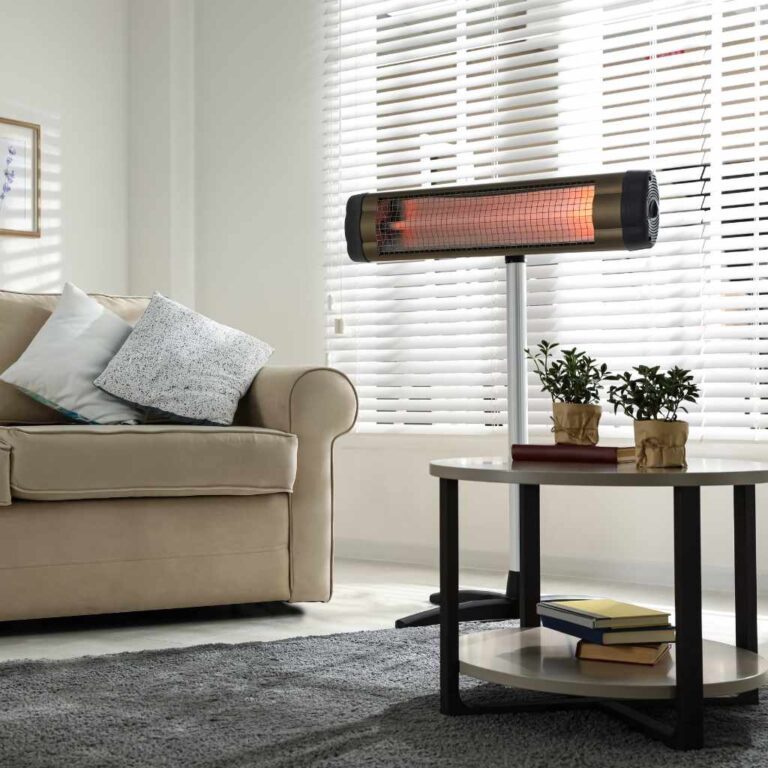
Infrared heaters send heat straight to people and nearby surfaces instead of heating all the air first. That gives quick warmth in an emergency. They are useful when you only need one room to stay usable for a few hours, or when the room is small enough that you can keep a clear path and control drafts.
Electric infrared panel heaters also turn almost 100% of electricity into heat. In a powered outage setup, that helps only if your generator or battery system can carry the load long enough. High electrical efficiency does not matter if the room loses heat faster than the heater can replace it.
When another heater makes more sense
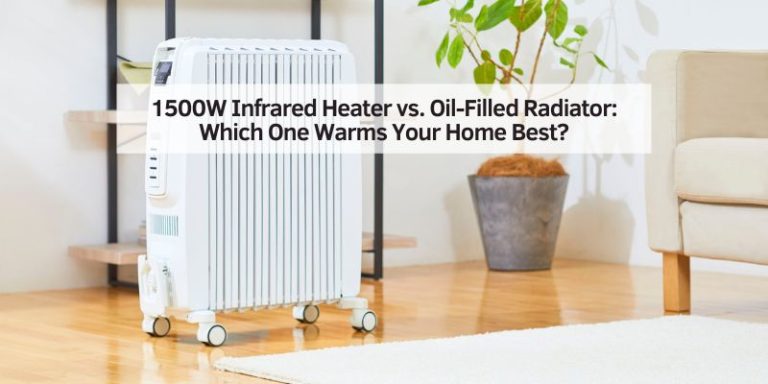
If you need heat that keeps going after the power stops, infrared is a weak fit. Oil-filled heaters hold and release heat longer after shutoff, while wood and propane can run without the grid at all. For most emergency plans, fuel independence matters more than instant heat.
Propane is often the better default for outage planning because it does not depend on household electricity. The tradeoff is safety: fuel-burning heaters produce carbon monoxide and need proper ventilation plus a working carbon monoxide detector. That makes them more involved than electric infrared, but also more independent.
How infrared heat works in an outage
Infrared heat feels immediate because it moves energy to surfaces and people in its path. It does not need to warm every cubic foot of air first, which is why it can feel useful almost at once. In an outage, that speed helps only if the heater can face the occupied area and the room can hold the heat.
Direct heat to people and objects
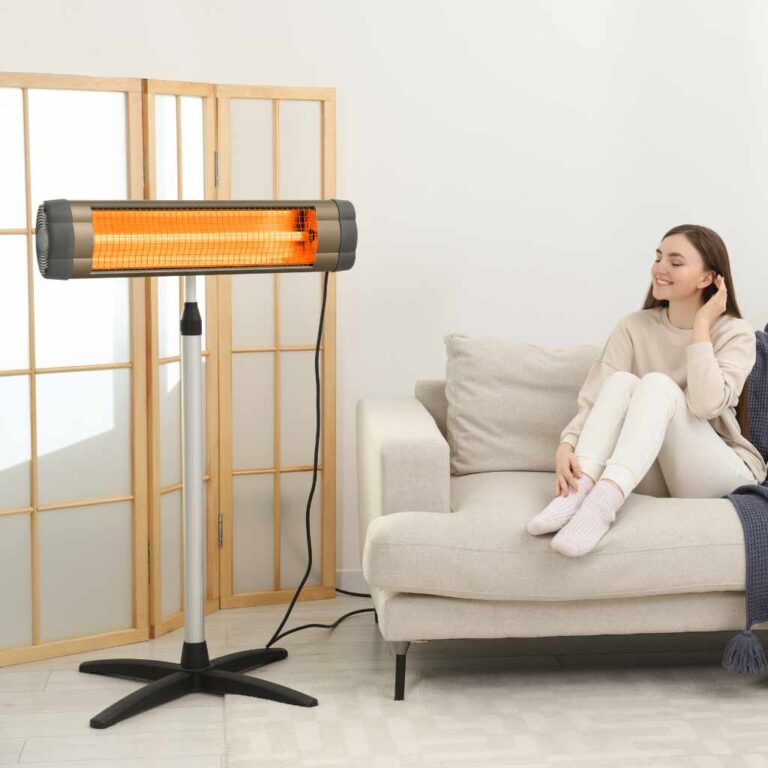
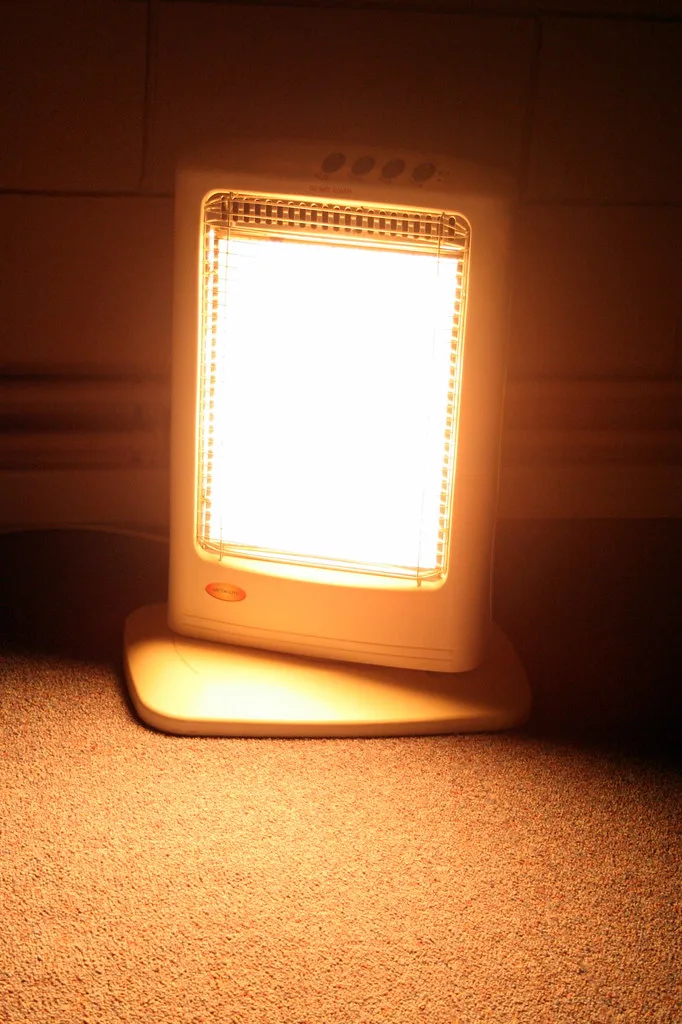
Infrared radiation is invisible to human eyes but can be felt as heat. It sits on the electromagnetic spectrum between microwaves and visible red light. In practical terms, the heater sends energy outward, and nearby skin, furniture, and walls absorb it. That is why infrared feels different from a fan or convection heater.
Why line of sight matters
Line of sight is not a minor detail. If a blanket, furniture piece, cabinet, or open doorway blocks the beam, the heater loses value fast. Well-positioned infrared panels work well for targeted spot heating in garages, patios, and drafty rooms, but the room layout has to let the heat reach the occupied zone.
Why it feels fast but does not store heat
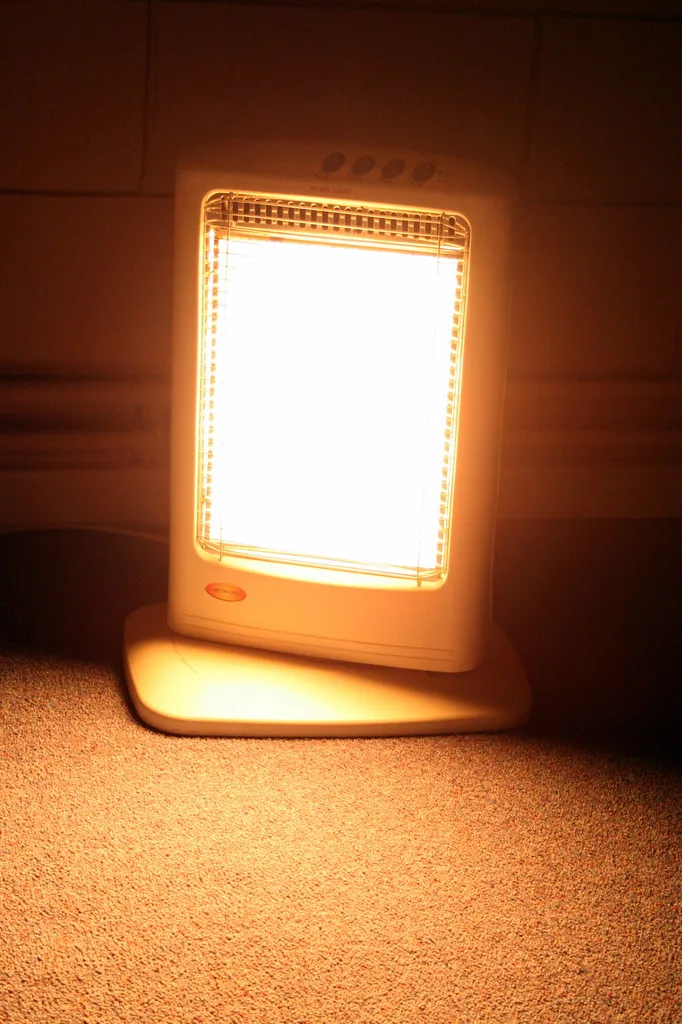
Infrared heat can feel almost instant, and some sources describe panels warming a spot in 3–5 minutes. But the effect drops quickly when the unit shuts off. A 1,500-watt infrared panel feels cold again quickly after shutoff because the heater itself does not store much usable heat the way an oil-filled unit can.
Infrared backup heat matrix
This matrix scores the common emergency backup choices on outage readiness, not comfort claims alone. Use it to decide what fits your situation, fuel access, and room layout. A higher score means better fit for that criterion; it does not mean safer in every case or better for every home.
| Heater type | Outage fuel independence | Warm-up speed | Indoor safety | Generator friendliness | Whole-room coverage |
|---|---|---|---|---|---|
| Infrared | Low for electric models; medium for propane or natural gas models | High | Medium for electric; lower for fuel-burning models because of ventilation and CO risk | Medium to low, depending on wattage and waveform | Low to medium |
| Propane | High if fuel is stored on site | High | Medium to low unless ventilation and CO precautions are followed | High because it does not need generator power for heat output | Medium |
| Oil-filled | Low to medium; requires electricity | Medium | High for electric use, with lower surface intensity than exposed-coil heaters | Medium if wattage fits the generator | Medium |
| Wood | High if dry wood and a safe stove or fireplace are available | Medium | Medium to low because of fire and smoke risks if installation or venting is poor | High; it does not depend on generator power | High in many spaces |
Infrared ranks highest when you need quick local heat and already have power. It ranks lower when your priority is keeping a room warm for a long outage with no electricity. In that case, propane or wood usually makes more sense, provided you can manage the safety requirements.
Can an infrared heater keep one room warm?
Yes, if the room is small, reasonably tight, and set up around the heater’s line of sight. Infrared is a zone-heating tool. It can keep one occupied room usable during a power outage, but it is much less useful in open layouts, leaky rooms, or spaces with blocked sightlines.
Best room shapes and placement
The best fit is a closed bedroom, office, or den where people can stay in one area. Place the heater so it faces the occupied zone directly, not a wall or a hallway. Since infrared heats surfaces and people rather than the air, the right placement matters as much as the wattage.
Say your outage plan depends on a bedroom roughly 12-by-12 feet with the door shut. A panel heater aimed at the bed and seating area can work there. Move the same unit into a long, open family room with a vaulted ceiling, and the heat spreads too thin to matter.
What draft control changes
Draft control can change the outcome more than heater size. Plastic sheeting over unused openings, blankets over leaky windows, and draft stoppers at the door all reduce heat loss. A warm room strategy works because it traps the heat you already paid for in electricity or fuel.
Infrared is described as useful in drafty or poorly insulated spaces, but that does not mean drafts stop mattering. It means the heater can still give local warmth to a person or object nearby. If the room leaks badly, the surrounding air and surfaces will still cool fast.
Why open layouts reduce value
Open layouts reduce the value of zone heating because the heater has more space to lose energy into. A living room that opens into a kitchen and hall behaves more like several connected spaces than one contained zone. In that setup, infrared often warms one pocket while the rest of the area stays cold.
Will an infrared heater run on a generator?
Sometimes. The deciding factors are wattage, surge headroom, waveform quality, and how the heater is connected. A generator can power an electric infrared heater if the continuous load fits within its safe output and the connection follows the manufacturer’s and generator’s electrical instructions. A casual plug-in is not the right approach.
Wattage and surge budget
Start with the heater’s running wattage, then compare it with the generator’s continuous capacity. Leave headroom for startup spikes and any other load on the circuit. A common rule of thumb is to avoid running a generator at its limit for long periods, since performance can drop and the heater may underperform.
Suppose a heater draws 1,500 watts and the generator’s continuous rating is 2,000 watts. That sounds close enough on paper, but the safer plan is to reserve capacity for losses and other devices. If you also need lights, a phone charger, or a sump pump, the margin disappears quickly.
Pure sine wave and modified sine wave
Many resistive heaters are less picky than electronics, but waveform can still matter for some controls, timers, and fans. Pure sine wave output is the safer target. Modified sine wave output can cause noise, poor performance, or regulation problems on some equipment, so check the heater manual before assuming compatibility.
Safe connection through a transfer switch
Do not backfeed a home through a random cord setup. Safe generator use usually means a dedicated circuit, inlet, or transfer switch arranged for the load. That keeps the connection controlled and reduces shock risk. A portable heater should be treated like any other significant electrical load, not a casual extension-cord fix.
Is infrared safe to use indoors during an outage?
Electric infrared heaters can be used indoors if they are placed correctly and kept clear of combustibles. Fuel-burning infrared models add a separate ventilation and carbon monoxide problem. The safest answer depends on fuel type, room size, and whether you have a carbon monoxide detector working during the outage.
Electric infrared safety basics
Electric infrared panel heaters are generally intended for indoor use, provide quick heat, and produce no direct emissions at the point of use. The surface still gets warm, though, so clearances matter. Keep bedding, curtains, paper, and furniture away from the heater face and sides, and do not use a damaged cord or overloaded outlet.
Fuel-burning infrared and carbon monoxide risk
Propane and natural gas infrared heaters are a different category. They can be useful in outages because they do not need household electricity for heat output, but they bring combustion risks. All fuel-burning heaters produce carbon monoxide, so ventilation and a working detector are not optional extras.
Why detectors still matter
A carbon monoxide detector is important for any fuel-burning backup heater. Power outages remove the normal background cues people rely on, such as HVAC fans and familiar appliance sounds. A detector gives you an active warning if combustion is unsafe. That matters even more when the heater is running in a closed room.
How to make infrared work in one room
Use infrared as a room-level emergency plan, not a house-wide fix. The goal is to trap heat in one zone, keep people in the heater’s line of sight, and protect the electrical or combustion setup. The following steps turn a good heater into a workable outage plan.
- Choose one survivable room with a door that closes.
- Seal leaks with plastic sheeting, blankets, towels, or draft stoppers.
- Place the heater so it faces the occupied area directly.
- Keep the beam path clear of furniture, hanging fabric, and storage items.
- Confirm the heater’s wattage against generator or battery capacity.
- Use a transfer switch, inlet, or dedicated circuit for generator power.
- Keep a carbon monoxide detector active if the heater burns fuel.
- Check clearances around the heater and keep combustibles away.
A common first-timer mistake is expecting infrared to warm the entire first floor through an open doorway. The heater may make one chair or bed comfortable, but the hallway and kitchen stay cold. Close the room off first, then use the heater on the occupied side of the space.
Checklist for wattage and layout
| Check | What to verify before the outage |
|---|---|
| Heater load | List the heater’s running watts and confirm it fits the available power source. |
| Headroom | Reserve extra generator capacity for startup demands and other essential loads. |
| Line of sight | Make sure the heater can face the occupied spot without blocked sightlines. |
| Room tightness | Close gaps with plastic sheeting, blankets, and draft stoppers. |
| Safety gear | Keep a carbon monoxide detector available for fuel-burning models. |
How efficient are infrared heaters as backup heat?
Infrared heaters are electrically efficient in the narrow sense that nearly all incoming electricity becomes heat. That is useful, but it is not the same as being the best backup heater. Real-world backup usefulness depends on whether the heat reaches people, stays in the room, and matches the power you actually have.
Some HVAC material claims infrared can save up to 30% energy versus conventional heating. Treat that as a targeted-heating claim, not a guarantee for outage use. A heater can be efficient and still be the wrong choice if the room is too drafty, the sightlines are blocked, or the power supply is too small.
Electrical conversion is not the same as outage usefulness
Electric infrared panel heaters can convert almost 100% of electricity into heat, but the room still determines the result. If half the energy escapes through drafts or an open floor plan, the heater does not solve the outage problem. Conversion efficiency does not cancel heat loss.
How the fuel type changes the answer
Electric infrared depends on power. Propane and natural-gas infrared models can keep working without the grid, which may make them more useful during a prolonged outage. The practical tradeoff is that fuel-burning versions need ventilation and CO precautions, while electric versions need a safe electrical source.
Frequently asked questions
Are infrared heaters good for emergency backup heat?
Yes, if you only need one room and you can power the heater safely. Infrared is best as fast zone heat, not as a whole-house plan. It works well when the room is tight, the sightline is clear, and the power source can handle the load for as long as you need it.
Can an infrared heater keep a room warm during a power outage?
It can keep one room warm if the heater has power and the room is set up to hold heat. A closed bedroom or den is a better fit than an open floor plan. Draft control matters because infrared warms the occupied zone directly, but it does not stop heat loss through leaks.
Do infrared heaters work without heating the whole house?
Yes. That is one of their main advantages. Infrared is a zone-heating tool, so it can warm people and nearby surfaces in a small occupied area while the rest of the house stays cooler. That also means you need to choose the room carefully and block off unused space.
Are infrared heaters safe to use indoors in an emergency?
Electric infrared heaters are generally suitable for indoor use when used correctly, but the surface still gets warm and clearances matter. Fuel-burning infrared heaters bring carbon monoxide and ventilation concerns, so they need a working carbon monoxide detector and proper air exchange. Safety depends on the heater type and setup.
How long does infrared heat last after it turns off?
Not long. Infrared heat stops quickly because the heater does not store much usable heat after shutoff. That is different from an oil-filled unit, which can keep radiating warmth for a while. For outage planning, assume infrared provides active heat only while it is powered on.