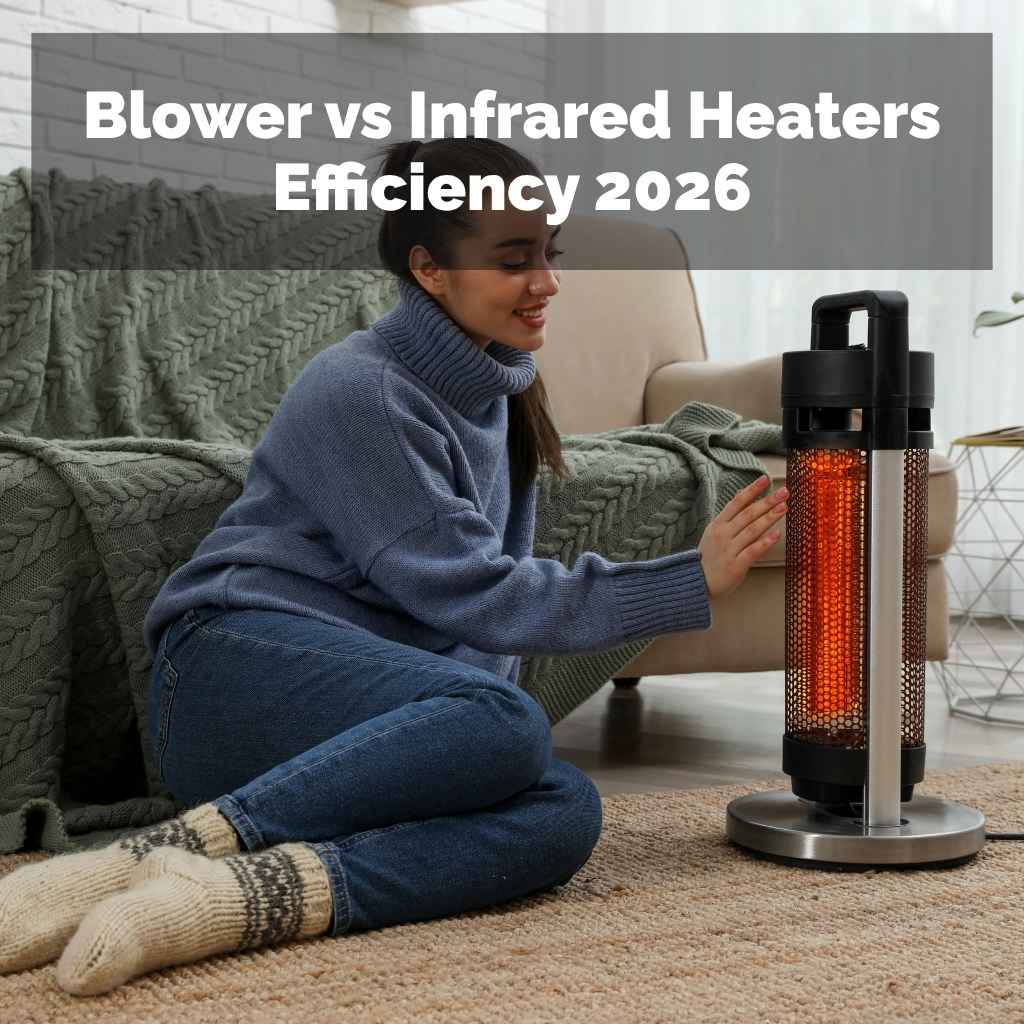
Blower vs Infrared Heaters Efficiency 2026
Choosing the right heater can feel tricky, especially when you’re just starting out. You see options like blower heaters and infrared heaters and wonder which one saves you more energy and money. It’s a common question for many people trying to heat their homes or workshops.
Don’t worry! This guide breaks it all down easily, step by step. We’ll help you figure out the best choice for your needs and show you exactly how to compare them.
Get ready to make an informed decision.
Blower Heaters Explained
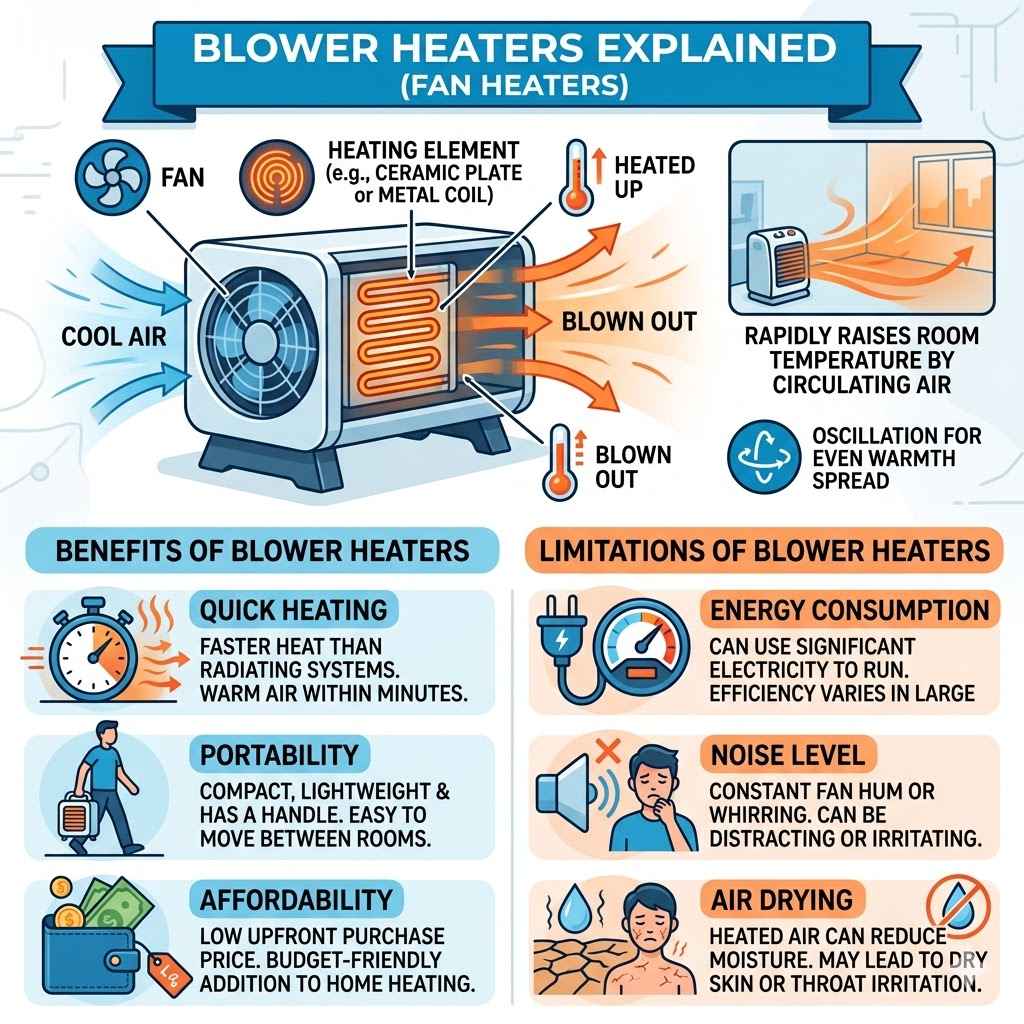
Blower heaters, also known as fan heaters, work by drawing in cool air, heating it up, and then blowing it out into a room. They typically use a heating element, like a ceramic plate or a metal coil, to warm the air. A fan then pushes this warm air throughout the space.
This method is great for quickly raising the temperature of a room because the fan helps circulate the heat efficiently. Think of it like a powerful hairdryer for your house.
The main advantage of a blower heater is its speed. They can heat a room quite rapidly, making them ideal for spaces that need quick warming or for supplementing existing heating systems. They are often portable and relatively inexpensive to purchase, making them a popular choice for many households.
However, their efficiency can vary based on the size of the room and how well-insulated it is. They work by heating the air, so as soon as the fan stops, the room can start to cool down again as the warm air rises.
How Blower Heaters Work
At the heart of a blower heater is its heating element. This could be a wire coil that glows red hot or a ceramic plate that gets warm. When electricity passes through, this element gets hot.
Then, a small fan spins very fast, pulling cooler air from the room into the heater and pushing it over the hot element. As the air passes over the element, it picks up heat. This now-warm air is then blown back out into the room.
This process of heating and then circulating air is what makes blower heaters so effective at quickly raising the temperature of an enclosed space. The fan’s speed can often be adjusted, allowing you to control how quickly the air is heated and distributed. Some models also offer oscillation, meaning they can swivel back and forth to spread the warm air more evenly across a wider area.
Benefits of Blower Heaters
- Quick Heating: Blower heaters are excellent for delivering fast heat. When you turn one on, you’ll feel warm air blowing out within minutes. This is because the fan actively pushes the heated air into the room, rather than waiting for heat to naturally radiate. This makes them perfect for spaces you only need to heat for short periods, like a bathroom before a shower or a small office for a few hours.
- Portability: Most blower heaters are designed to be compact and lightweight. They often have a handle, making them easy to move from room to room. This means you can take your personal heater with you wherever you need it most, whether it’s your living room, bedroom, or home office. Many models also have a long power cord, giving you flexibility in where you place them.
- Affordability: When compared to other heating options, blower heaters are generally one of the most budget-friendly choices. You can find a good quality blower heater for a relatively low price. This makes them an accessible option for people looking to supplement their main heating system without a large upfront investment. They are a great way to add extra warmth where needed.
Limitations of Blower Heaters
- Energy Consumption: While they heat quickly, blower heaters can use a significant amount of electricity to do so. The fan motor and the heating element both draw power. If used for extended periods or in large spaces, they can lead to higher energy bills. Their efficiency in large or poorly insulated rooms is also a factor.
- Noise Level: The fan inside a blower heater can be quite noisy. This might be a distraction for some people, especially if they are trying to concentrate, watch TV, or sleep. The sound can be a constant hum or whirring that some find irritating. The noise level can vary between models, but it’s something to consider if you’re sensitive to sound.
- Air Drying: Because they blow air and heat it up, blower heaters can sometimes dry out the air in a room. This can lead to dry skin, irritated eyes, or a scratchy throat. This effect is more pronounced in very dry climates or when the heater is used for long durations.
Infrared Heaters Explained
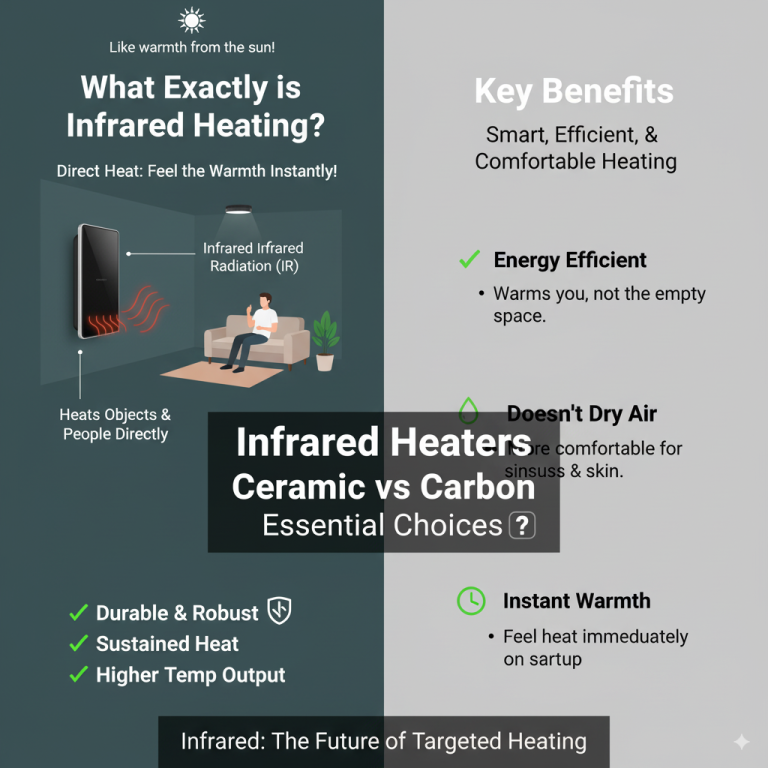
Infrared heaters work differently. Instead of heating the air, they emit infrared radiation, which is a form of light that heats objects directly. Think of the way the sun warms your skin on a cold day.
An infrared heater warms you and the furniture in the room, rather than spending a lot of energy heating the air itself. This makes them very efficient for heating specific areas or people.
These heaters are often praised for their silent operation and the type of heat they provide, which many describe as more natural and less drying than fan-forced heat. They are excellent for spot heating, meaning you can direct the warmth exactly where you want it. Because they don’t rely on air circulation, they don’t stir up dust or allergens, making them a good choice for people with respiratory issues.
The efficiency comes from heating what matters most, not just the empty space.
How Infrared Heaters Work
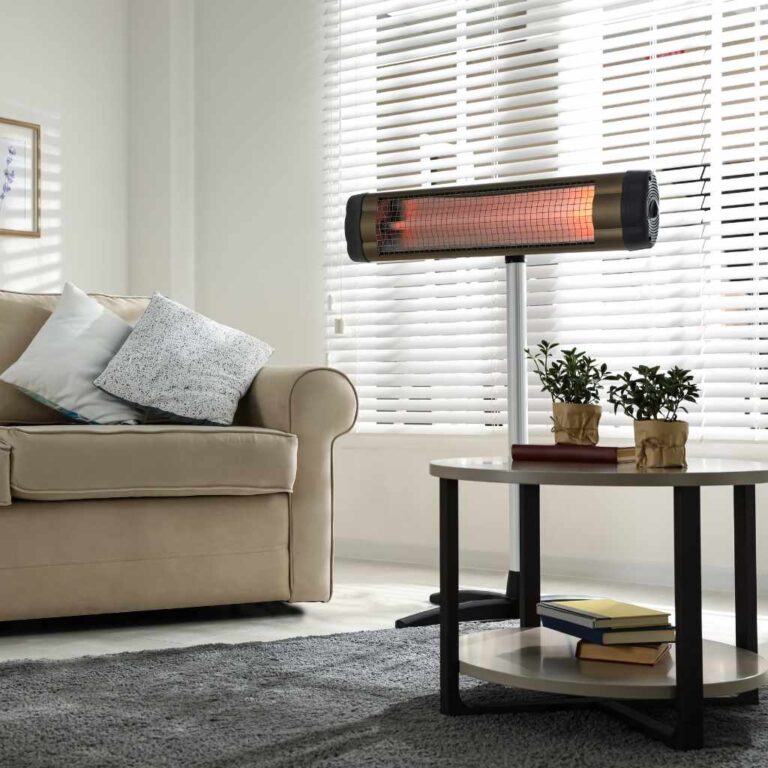
Infrared heaters contain heating elements, often quartz tubes or ceramic panels, that get very hot. When electricity flows through these elements, they produce infrared radiation. This radiation travels in straight lines and heats surfaces it strikes.
When this radiation hits your skin, furniture, walls, or floor, it converts into heat. It’s similar to how a campfire warms you from a distance without heating all the air in between.
The key difference is that infrared heat is radiant heat. It doesn’t need air to transfer warmth. This means the heat is felt almost instantly upon exposure to the radiation, and it doesn’t dissipate quickly.
This focused heating makes them very effective for targeted warmth, especially in larger spaces where heating the entire volume of air would be inefficient.
Benefits of Infrared Heaters
- Energy Efficiency: Infrared heaters are often considered more energy-efficient for targeted heating. Because they heat objects and people directly, rather than the air, they lose less heat through drafts or air leaks. This means less energy is wasted trying to warm up empty space. They are particularly good at spot heating a specific zone within a larger room.
- Silent Operation: Unlike blower heaters, infrared heaters have no fan. This means they operate in complete silence. This is a major advantage for bedrooms, living areas, or any space where noise can be disruptive. You can enjoy comfortable warmth without the constant hum or whirring of a fan.
- Consistent Comfort: The radiant heat from infrared heaters can provide a more consistent and comfortable warmth. It warms objects and people, creating a cozy feeling. This type of heat doesn’t rise as quickly as heated air, leading to a more even temperature distribution across the room at your level. It feels like a gentle, pervasive warmth.
- No Air Stirring: Since they don’t use fans to circulate air, infrared heaters do not stir up dust, pollen, or other allergens. This makes them an excellent choice for people with allergies, asthma, or other respiratory sensitivities. The air quality in the room remains more stable and cleaner.
Limitations of Infrared Heaters
- Slower for Whole Room Heating: While great for direct heat, infrared heaters might take longer to warm up an entire room compared to a blower heater. They rely on the radiated heat to warm objects and surfaces, which then slowly radiate heat back into the air. For large, open spaces or if you need to heat the entire volume of air quickly, a blower might be faster initially.
- Spot Heating Focus: The effectiveness of an infrared heater is most pronounced when you are within its direct line of radiation. If you move out of this zone, you might feel a noticeable drop in warmth. This makes them ideal for personal heating or specific seating areas, but less so for ensuring uniform warmth throughout a large, unoccupied room.
- Initial Cost: Some higher-quality infrared heaters can have a higher upfront purchase price compared to basic blower heaters. While they can save money on energy bills over time due to their efficiency, the initial investment might be a consideration for some buyers. However, the long-term savings can often offset this.
Blower vs Infrared Heaters Which is More Efficient 2026
The question of Blower vs Infrared Heaters: Which is More Efficient 2026? often comes down to how you plan to use the heater. Efficiency isn’t just about how much electricity a heater uses; it’s also about how effectively it provides the warmth you need where and when you need it. If you want to quickly heat a small, enclosed room and don’t mind a bit of fan noise, a blower heater might seem efficient because it heats the air fast.
But if you’re looking to heat a specific person or area in a larger space, or if you value silent operation and better air quality, an infrared heater is usually the more efficient choice. Let’s look at the real-world differences.
When we talk about efficiency in the context of Blower vs Infrared Heaters: Which is More Efficient 2026?, we need to consider different scenarios. For instance, if you’re in a drafty garage and just want to feel warm while you work for a couple of hours, an infrared heater pointing directly at you would be highly efficient. It heats you, not the vast amount of cold air in the garage.
A blower heater, in contrast, would waste a lot of energy trying to heat all that air, much of which would escape through gaps. So, the ‘more efficient’ choice really depends on the situation.
Direct Comparison of Efficiency
To truly understand Blower vs Infrared Heaters: Which is More Efficient 2026?, we must compare their core functions and energy usage patterns. Blower heaters heat the air, which then circulates. This process consumes energy to heat the air volume.
Infrared heaters emit radiant energy that directly warms objects. This method bypasses the need to heat all the air, making it more efficient for direct, targeted warmth.
Consider a scenario: a person sitting at a desk in a large, open-plan office. A blower heater would attempt to warm the entire office, likely requiring high power and long run times to achieve noticeable warmth at the desk, with much heat lost to the surrounding areas. An infrared heater, positioned near the desk, would provide immediate warmth to the person and the desk area, using significantly less energy because it’s not trying to heat the entire office volume.
Real-World Energy Savings Examples
Many users report noticeable savings when switching to infrared heating for specific tasks. For example, a homeowner using a portable infrared heater to warm their living room for a few hours in the evening reported a 15% reduction in their electricity bill compared to when they solely relied on their central forced-air system or an old blower heater for supplemental heat. The infrared heater only needed to run at a moderate setting to keep them comfortable while watching TV.
Another case study involved a small workshop. The owner previously used a powerful blower heater to keep the space warm, but found it noisy and inefficient, as the heat would dissipate quickly. By installing a mounted infrared heater, they were able to direct warmth to their workbench area.
This resulted in a more comfortable working environment and an estimated 20% decrease in heating costs, as the blower heater was no longer needed constantly. The ability to zone heat proved highly effective.
Factors Influencing Overall Efficiency
- Room Size and Insulation: For small, well-insulated rooms, both types of heaters can be reasonably efficient. However, in larger or poorly insulated spaces, infrared heaters often have an edge for spot heating. Blower heaters struggle to maintain warmth in drafty areas because the heated air escapes quickly.
- Usage Patterns: If you need quick, temporary bursts of heat in a small space, a blower heater’s rapid heating might be seen as efficient for its purpose. But for consistent, sustained comfort in a specific zone, especially in larger areas, infrared is usually more efficient over time. Using a heater only when and where needed is key.
- Target Heating vs. Air Heating: The fundamental difference is how they transfer heat. Infrared directly warms surfaces and people, similar to sunlight. Blower heaters heat the air, which then circulates. Heating air that then rises and escapes is inherently less efficient than warming the direct occupants or objects.
- Thermostat Control: Both types of heaters can have thermostats to regulate temperature. However, the effectiveness of the thermostat depends on where it’s placed and what it’s measuring. An infrared heater might maintain a more stable personal temperature zone, while a blower heater’s thermostat will react to the air temperature, which can fluctuate more.
Choosing the Right Heater for Your Needs
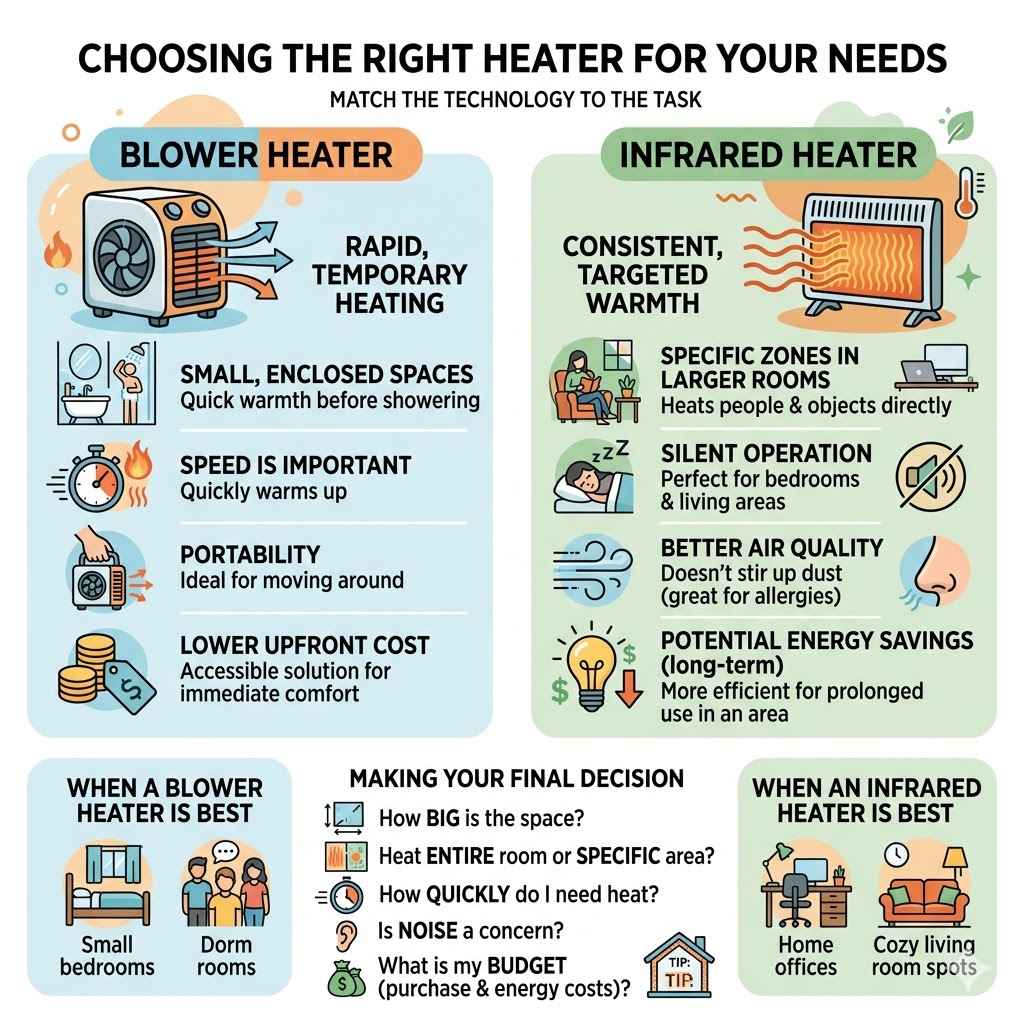
Deciding between a blower heater and an infrared heater involves looking at your specific heating needs and priorities. If speed and portability in small spaces are most important, a blower heater is a good option. However, if you prioritize silent operation, targeted warmth, better air quality, and potential energy savings for longer use or in larger areas, an infrared heater often proves to be the superior choice.
It’s about matching the technology to the task.
Think about where you’ll use the heater most. Is it a small, enclosed bathroom that needs quick warmth before showering? A blower heater excels here.
Or is it a home office where you spend many hours at a desk, or a living room where you want to create a cozy spot without heating the whole house? In these cases, an infrared heater can offer a more comfortable and cost-effective solution. Your personal comfort and budget are key factors.
When a Blower Heater is Best
Blower heaters shine in situations where rapid, temporary heating is needed. They are excellent for quickly warming up small, enclosed spaces like bathrooms, small bedrooms, or a home office for a short period. Their portability makes them ideal for moving around the house as needed.
If you often find yourself needing a quick blast of warmth before settling down, a blower heater is a practical choice.
They are also a good option if budget is a primary concern, as they are typically less expensive to purchase upfront than many infrared models. For students in dorm rooms or people who only need supplemental heat occasionally, a blower heater offers an accessible solution for immediate comfort. The fan action ensures that the heated air is distributed widely within the confined space.
When an Infrared Heater is Best
Infrared heaters are superb for providing consistent, targeted warmth. They are ideal for heating specific zones in larger rooms, such as a reading nook, a workspace, or a seating area. Their silent operation makes them perfect for bedrooms or living areas where noise would be disruptive.
If you suffer from allergies or respiratory issues, the fact that they don’t stir up dust is a significant advantage.
They are also a more energy-efficient choice for prolonged use in a particular area because they heat objects and people directly. This means the warmth is felt immediately and lasts longer, even if the surrounding air cools slightly. For anyone looking for a comfortable, quiet, and potentially cost-saving heating solution for a dedicated space, an infrared heater is often the better investment.
Making Your Final Decision
When you’re deciding between a blower and an infrared heater, ask yourself these questions: How big is the space I need to heat? Do I need to heat the entire room or just a specific area? How quickly do I need the heat?
Is noise a concern? What is my budget for both purchase and ongoing energy costs? Answering these will point you toward the most efficient and suitable option for your unique situation.
Don’t forget to consider how well-insulated the area is, as this impacts any heater’s performance.
For example, if you need to warm a small bathroom for 15 minutes before a shower, a blower heater’s quick heat is very efficient for that short duration. If you want to feel comfortably warm while working at your desk for 8 hours, an infrared heater is likely more efficient and comfortable. Consider the long-term comfort and cost benefits.
A slightly higher upfront cost for an infrared heater might pay for itself through lower energy bills and a more pleasant heating experience.
Frequently Asked Questions
Question: Do infrared heaters use less electricity than blower heaters?
Answer: Generally, yes, for targeted heating. Infrared heaters can be more energy-efficient because they heat objects and people directly, rather than heating the air. This means less energy is wasted, especially in larger or drafty spaces.
Blower heaters heat the air, which can escape quickly, requiring more energy to maintain temperature.
Question: Which type of heater is better for allergies?
Answer: Infrared heaters are typically better for people with allergies. They do not use fans to circulate air, so they don’t stir up dust, pollen, or other allergens in the room. Blower heaters, with their fans, can move these particles around, potentially aggravating allergies.
Question: Can infrared heaters heat a whole room?
Answer: Infrared heaters can heat a whole room, but it takes longer than with a blower heater. They work by warming objects and surfaces, which then radiate heat. For quick whole-room heating, a blower heater is faster.
For consistent warmth spread by objects, infrared can work over time.
Question: Are blower heaters noisy?
Answer: Yes, blower heaters can be noisy. They have a fan that circulates the air, and the sound of the fan is usually noticeable. Infrared heaters, on the other hand, operate silently because they do not have any moving parts like fans.
Question: Which heater is more efficient for a drafty garage?
Answer: For a drafty garage, an infrared heater is generally more efficient. It can direct warmth to where you are working without trying to heat the large volume of cold, leaky air in the entire garage. A blower heater would struggle to overcome the drafts and would waste a lot of energy.
Conclusion
When comparing Blower vs Infrared Heaters: Which is More Efficient 2026?, the answer depends on your needs. Infrared heaters excel at direct, silent warmth and can be more energy-efficient for targeted heating. Blower heaters offer quick heat for small spaces and portability.
Choose infrared for comfort and efficiency in occupied zones. Select a blower for rapid, temporary warming in confined areas. Both have their place.