Infrared Heaters Vs Natural Gas: Ultimate Heating Showdown 2025
Choosing the right heating option for your home or workspace can feel overwhelming. You want something efficient, cost-effective, and safe.
For space-specific heating decisions, Natural Gas Vs Electric Patio Heaters gives readers another practical setup to compare.
For space-specific heating decisions, Patio Heaters Propane Vs Infrared: Heating Showdown gives readers another practical setup to compare.
For portable or electric heater comparisons, Gas vs Infrared Heaters: Buyer’s gives readers another helpful angle before buying or using one.
But should you go for infrared heaters or stick with natural gas? This decision can impact your comfort, your bills, and even the environment around you. You’ll discover the key differences between these two heating methods, helping you make a choice that fits your needs perfectly.
Keep reading—you might be surprised by what you learn.
Infrared Heaters Basics
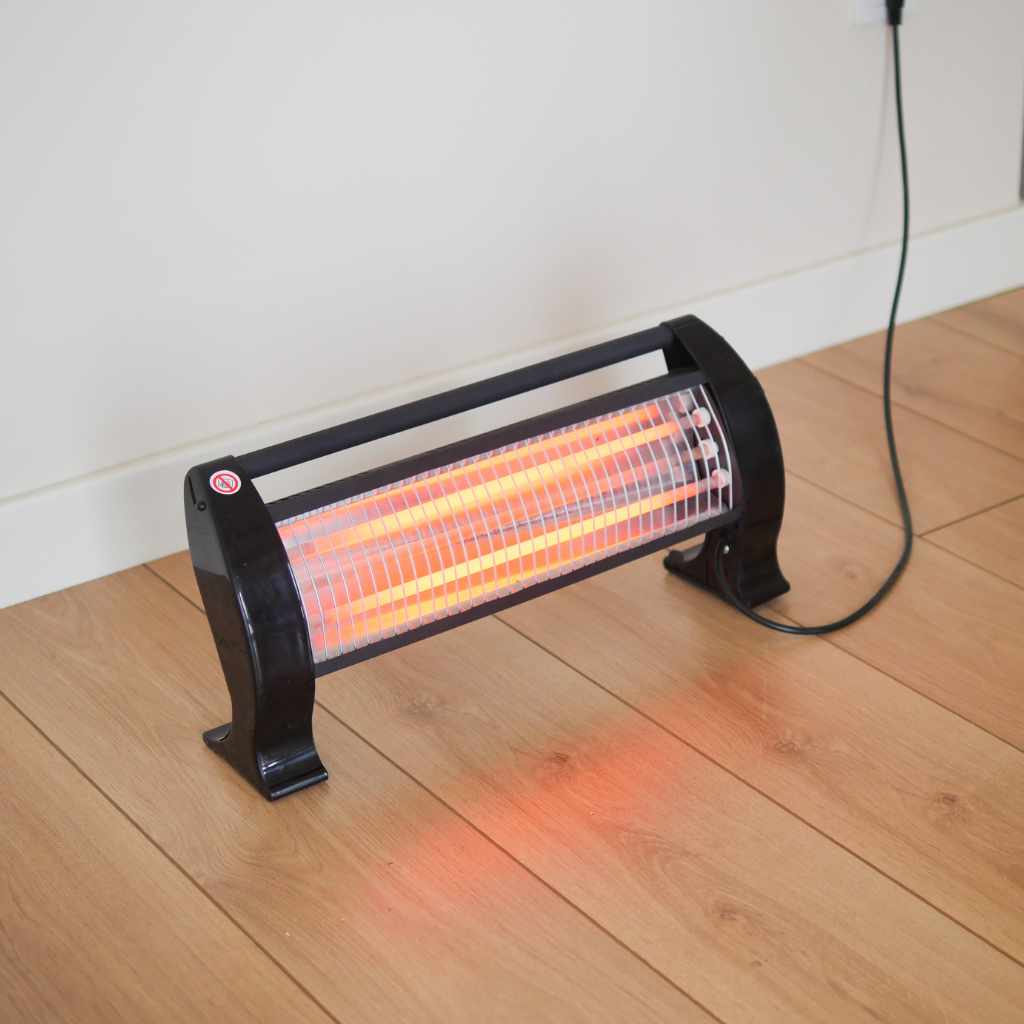
Infrared heaters offer a unique way to warm spaces by using radiant heat. Unlike traditional heaters, they heat objects and people directly. This method feels natural and efficient. Understanding how these heaters work helps to compare them with natural gas systems.
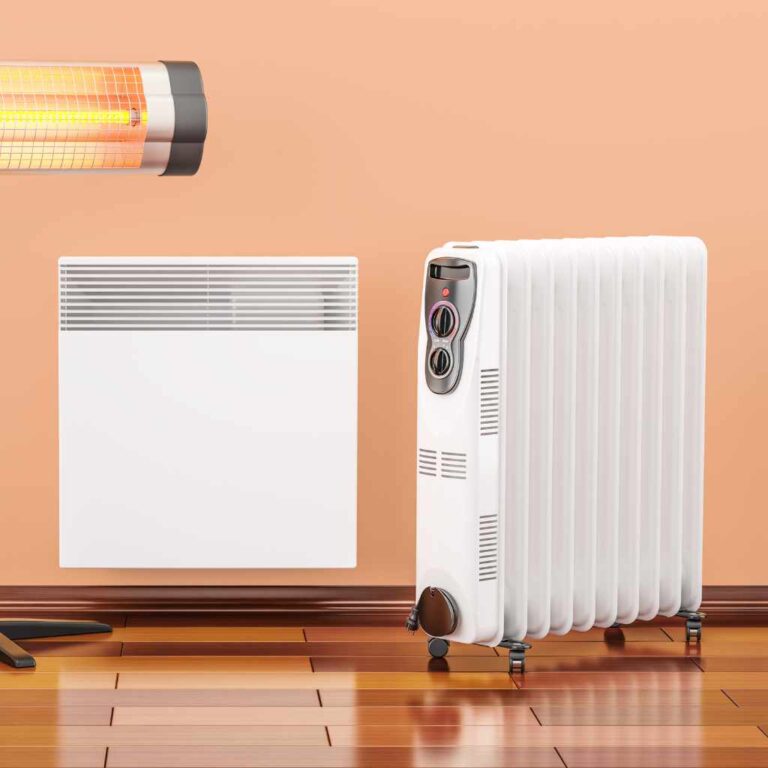
Infrared heaters come in different types and serve many purposes. They are popular for indoor and outdoor heating. Their design and use vary based on the heating needs.
How Infrared Heating Works
Infrared heaters produce heat through infrared radiation. This radiation travels in waves and warms objects it touches. The air around stays cooler than with other heaters. This process saves energy and heats faster.
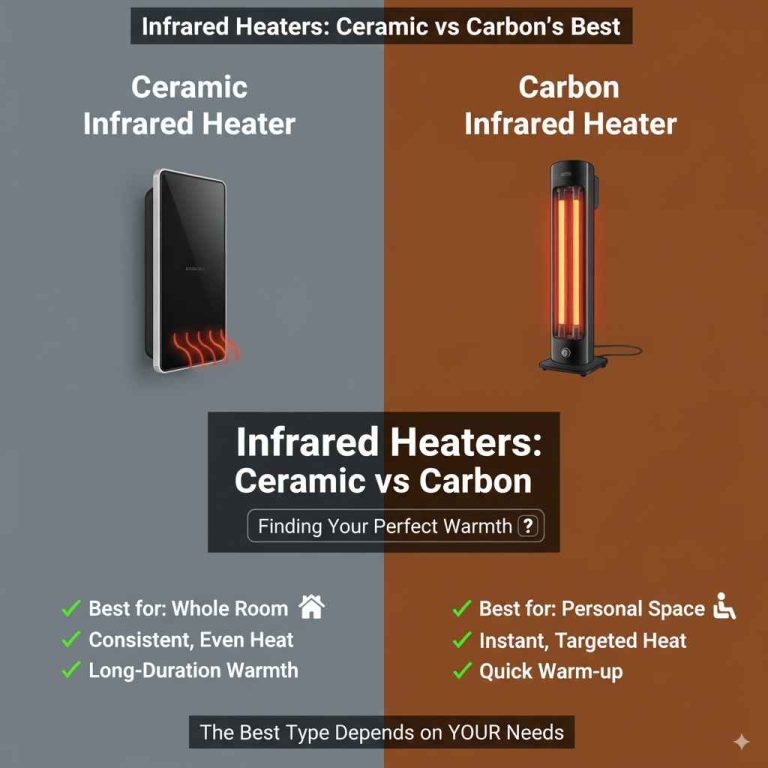
Types Of Infrared Heaters
There are mainly three types of infrared heaters: near, mid, and far infrared. Near infrared heaters heat quickly and are good for spot warming. Mid infrared heaters are common for general room heating. Far infrared heaters penetrate deeper and offer gentle warmth.
Common Uses And Applications
Infrared heaters work well in homes, patios, and workshops. They are also used in warehouses and outdoor dining areas. Their ability to heat specific spots makes them ideal for many settings. These heaters provide comfort without wasting energy on unused air.
Natural Gas Heating Essentials
Natural gas heating remains a common choice for many homes and businesses. It offers steady warmth and can heat large spaces efficiently. Understanding how natural gas heating works helps in making the best choice for your needs.
This section explains the basics of natural gas heating. It covers how the system works, popular types, and common places where it is used.
Natural Gas Heating Mechanism
Natural gas heating uses gas combustion to produce heat. The gas burns in a controlled space inside a furnace or boiler. This process heats air or water, which then warms your space.
The system includes pipes, a burner, and a heat exchanger. The heat exchanger transfers heat without mixing air and gas. This method keeps the air clean and safe.
Popular Natural Gas Systems
Forced-air furnaces are the most popular natural gas systems. They blow warm air through ducts to heat rooms evenly. Boilers heat water and send it through radiators or underfloor pipes.
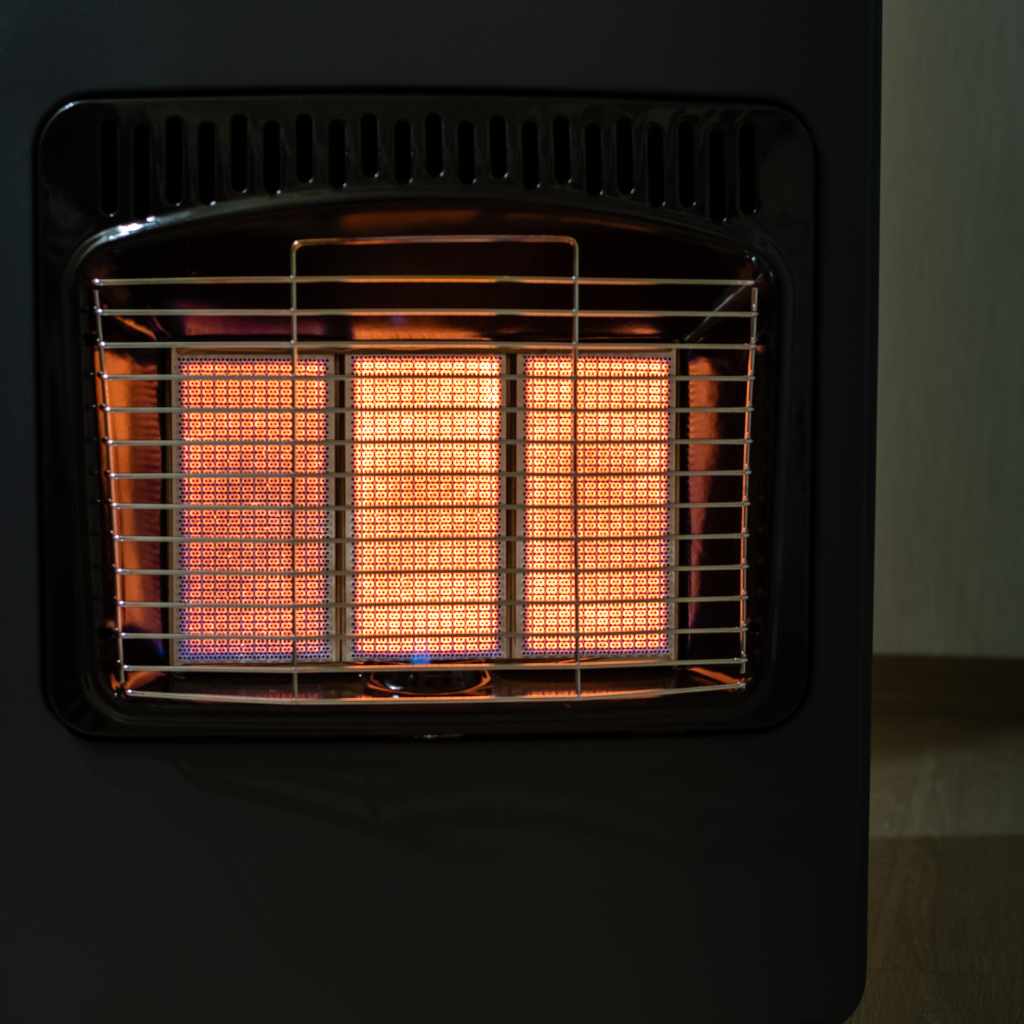
Other systems include gas fireplaces and space heaters. These provide heat to smaller areas and add comfort. Each system fits different home layouts and heating needs.
Typical Usage Scenarios
Natural gas heating suits homes in cold climates. It works well for large spaces needing constant heat. Many commercial buildings use gas heating for cost and efficiency.
It also fits homes with existing gas lines. People choose it for its low fuel cost and reliability. Emergency backup heating systems sometimes run on natural gas too.
Energy Efficiency Comparison
Energy efficiency plays a key role in choosing between infrared heaters and natural gas systems. Understanding how each uses energy helps save money and reduce waste. This section compares their efficiency ratings, heat distribution, and energy costs. It breaks down important facts for easy decision-making.
Efficiency Ratings
Infrared heaters convert almost all electricity into heat. They have an efficiency close to 100%. Natural gas heaters lose some heat through vents. Their efficiency usually ranges from 70% to 90%. Infrared heaters often offer better energy use in small spaces.
Heat Distribution Patterns
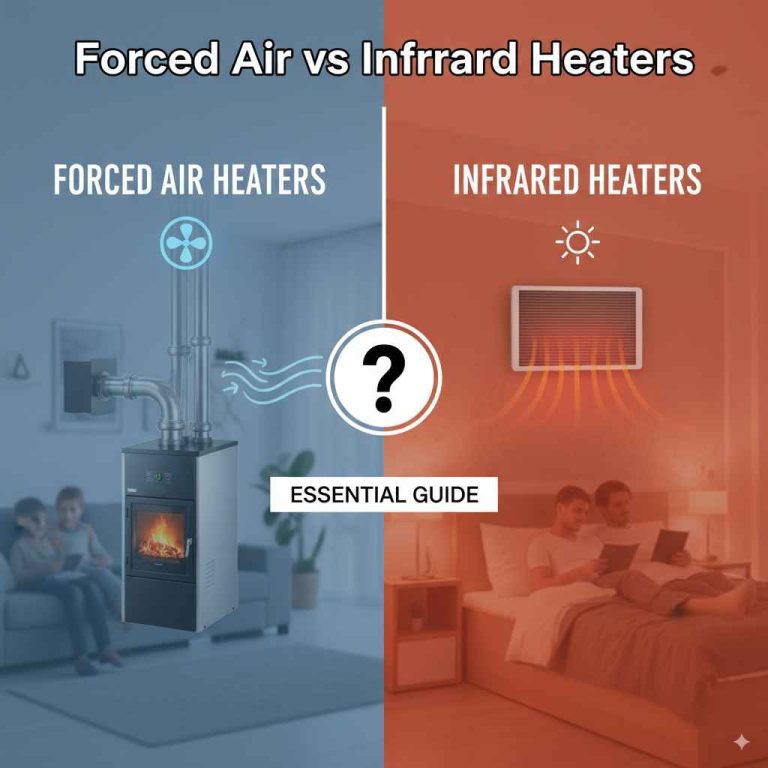
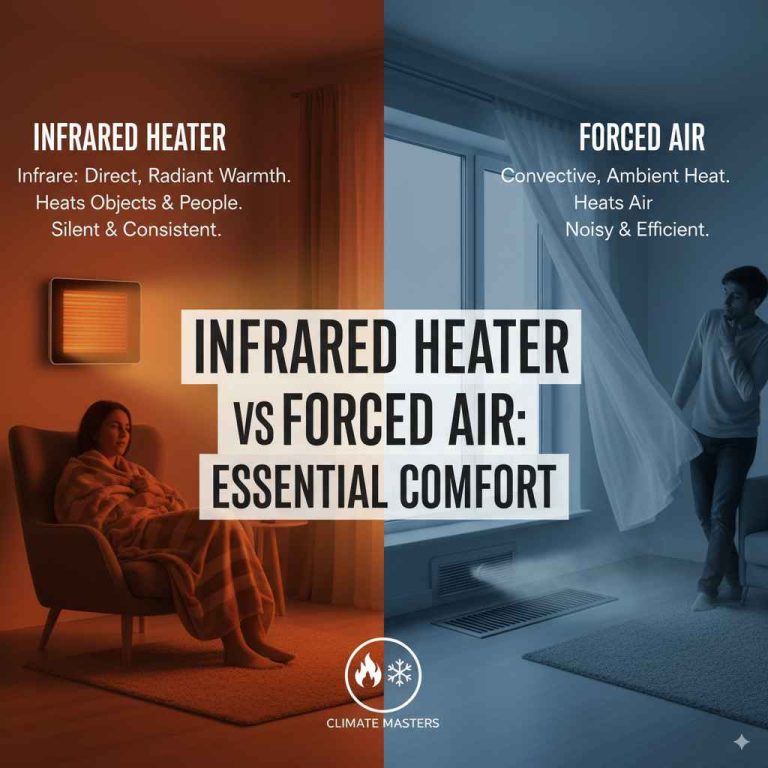
Infrared heaters warm objects and people directly. This method reduces heat loss in open areas. Natural gas heats the air first, then the room. Warm air can escape through doors or windows. Infrared heat feels warmer faster, improving comfort with less energy.
Energy Consumption Costs
Electricity for infrared heaters can cost more per unit than gas. But infrared heaters use less energy over time. Natural gas prices vary by region and season. Infrared heaters may lower overall bills by heating only needed spaces. Careful use of both saves energy and money effectively.
Installation And Maintenance
Choosing between infrared heaters and natural gas heaters involves understanding installation and maintenance needs. These factors affect costs and long-term use. Knowing the differences helps make a better choice for your home or business.
Installation Complexity
Infrared heaters are usually easy to install. Most models just need a power source. Some can be mounted on walls or ceilings. No special pipes or vents are needed. Natural gas heaters require professional installation. They need gas lines and proper ventilation. This makes installation longer and more costly. Safety checks are also mandatory for gas heaters.
Maintenance Requirements
Infrared heaters need little maintenance. Cleaning the heating elements and checking the power cords is enough. Natural gas heaters require regular inspections. Gas lines must be checked for leaks. Filters and vents need cleaning or replacement. Proper maintenance keeps gas heaters safe and efficient.
Lifespan And Durability
Infrared heaters typically last about 10 to 15 years. They have fewer moving parts, so less wear occurs. Natural gas heaters can last 15 to 20 years. They require more care to stay durable. Proper maintenance can extend the life of both heater types.
Environmental Impact
Understanding the environmental impact of heating options is important. Infrared heaters and natural gas systems affect the planet differently. These effects shape how we choose our heating methods. This section explains the key environmental factors of both.
Carbon Emissions
Natural gas heating releases carbon dioxide into the air. This gas contributes to global warming. Infrared heaters use electricity, which can come from clean or dirty sources. If the electricity is from renewable energy, carbon emissions are low. If from coal or gas, emissions rise. Infrared heaters may produce less direct carbon pollution at home.
Sustainability Factors
Natural gas is a fossil fuel. It takes millions of years to form and is limited. Using it speeds depletion of these resources. Infrared heaters rely on electricity, which can be made from sustainable sources. Solar, wind, and hydroelectric power support long-term energy needs. Choosing infrared heaters with green energy improves sustainability.
Regulatory Considerations
Governments set rules to limit pollution from heating systems. Natural gas systems face stricter limits on emissions in many places. Infrared heaters must meet electrical safety and efficiency standards. Regulations push for cleaner energy and lower emissions. These rules encourage shifts to greener heating technologies.
Cost Analysis
Cost is a key factor when choosing between infrared heaters and natural gas systems. Understanding the financial impact helps make a smart decision. This section breaks down the costs into three parts: initial investment, operating expenses, and long-term savings.
Initial Investment
Infrared heaters often have a lower upfront cost. They are simpler to install and require less equipment. Natural gas systems usually need professional installation and extra hardware. This raises the initial price. Budget limits can affect which option fits best.
Operating Expenses
Infrared heaters use electricity, which can be more expensive than natural gas. However, they heat spaces faster and more directly. This reduces energy use over time. Natural gas costs vary by location and market changes. Both options have variable monthly bills.
Long-term Savings
Infrared heaters save money by targeting heat efficiently. They reduce wasted energy in unused areas. Natural gas systems have lower fuel prices in many places. But they can lose heat through ducts and pipes. Choosing the right heater depends on your home and budget.
Safety Aspects
Safety is a key factor when choosing between infrared heaters and natural gas heating. Both types have risks and protections that affect users. Understanding these safety aspects helps in making a smart choice for your home or workplace.
Risk Factors
Infrared heaters produce heat using electricity and emit infrared light. The main risks include burns from direct contact and fire hazards if placed near flammable items. There is no risk of gas leaks or carbon monoxide poisoning.
Natural gas heaters burn fuel to create heat. They pose risks such as gas leaks, which can cause explosions or fires. Carbon monoxide buildup is also a danger if the heater is not ventilated properly. These risks require careful installation and maintenance.
Safety Features
Infrared heaters often include automatic shut-off switches. These activate if the heater tips over or overheats. Many models have cool-to-touch surfaces to prevent burns. There is no open flame involved.
Natural gas heaters have built-in safety valves to stop gas flow if a leak occurs. Carbon monoxide detectors can be installed alongside to monitor air quality. Proper venting systems reduce the risk of harmful gases inside the room.
User Precautions
Keep infrared heaters away from curtains and furniture. Avoid touching the heater while it is on. Regularly check power cords for damage. Always follow manufacturer instructions for placement and use.
For natural gas heaters, ensure regular inspections by professionals. Install carbon monoxide detectors near living areas. Never block ventilation openings. Turn off the gas supply if you smell gas or suspect a leak.
User Experience And Comfort
User experience and comfort are key when choosing between infrared heaters and natural gas. How fast the space warms up, how easy it is to control temperature, and noise levels all impact daily comfort. These factors affect how you enjoy your room and feel relaxed.
Each heating type offers different benefits. Understanding these can help you pick the best fit for your home or workspace.
Heating Speed
Infrared heaters warm objects and people directly. This means you feel heat almost immediately. Natural gas heaters warm the air first, which takes more time. Infrared is better for quick comfort in cold spots. Natural gas works well for steady warmth over longer periods.
Temperature Control
Infrared heaters often have easy-to-use controls with precise settings. This lets you adjust heat quickly and keep the room comfortable. Natural gas systems usually need a thermostat. They maintain a steady temperature but react slower to changes. Infrared offers more immediate control for comfort.
Noise Levels
Infrared heaters work silently. No fans or motors create noise. This makes them great for quiet spaces like bedrooms or offices. Natural gas heaters can produce a soft hum or sound from the burner. Some models have fans that add noise. Infrared wins for peaceful warmth.
Choosing The Right Heater
Choosing the right heater can make a big difference in comfort and cost. Understanding your needs helps pick the best option. Infrared heaters and natural gas heaters work differently. Each has strengths and fits different situations.
Assessing Heating Needs
Think about how much heat you need. Small rooms may not need strong heaters. Large spaces might need more powerful heating. Also, consider how fast you want the space warm. Infrared heaters warm people and objects directly. Natural gas heaters warm the air in the room.
Space And Environment Considerations
Look at the room size and ventilation. Infrared heaters work well in open or drafty areas. They do not lose heat through air movement. Natural gas heaters need good ventilation to avoid gas buildup. Outdoor spaces or well-ventilated rooms suit natural gas heaters better.
Budget And Preferences
Check the upfront cost and running cost. Infrared heaters usually cost less to buy. Natural gas heaters might have higher installation costs. Running costs depend on fuel prices in your area. Choose what fits your budget and heating habits best.
Frequently Asked Questions
What Are The Main Differences Between Infrared Heaters And Natural Gas?
Infrared heaters use radiant heat, warming objects directly. Natural gas heaters burn fuel to heat air. Infrared is more energy-efficient indoors, while natural gas is often cheaper for larger spaces. Each suits different needs based on installation, cost, and heating style.
Which Is More Cost-effective: Infrared Heaters Or Natural Gas?
Infrared heaters save energy by heating objects, not air, reducing bills. Natural gas often has lower fuel costs but can be less efficient. Cost-effectiveness depends on usage, local fuel prices, and space size. Infrared suits small, targeted heating; natural gas suits whole-home heating.
Are Infrared Heaters Safer Than Natural Gas Heaters?
Infrared heaters have no open flames, reducing fire risk. Natural gas heaters require ventilation to prevent carbon monoxide buildup. Both can be safe if properly installed and maintained. Infrared heaters are generally safer for indoor use without gas lines.
Can Infrared Heaters Replace Natural Gas Heating Systems?
Infrared heaters can supplement but may not fully replace natural gas in large spaces. They work best for spot heating or small rooms. Natural gas systems excel in heating entire homes or buildings efficiently. Choice depends on heating needs and infrastructure.
Conclusion
Choosing between infrared heaters and natural gas depends on your needs. Infrared heaters warm people and objects directly. Natural gas heats the air in a room. Infrared heaters use less energy and work fast. Natural gas is often cheaper for large spaces.
Safety and installation costs also matter. Think about your space size and budget. Both options have clear benefits and limits. Decide what fits your home and lifestyle best. Simple, smart heating choices keep you warm and save money.