Pool Heaters Are Safe with Proper Installation
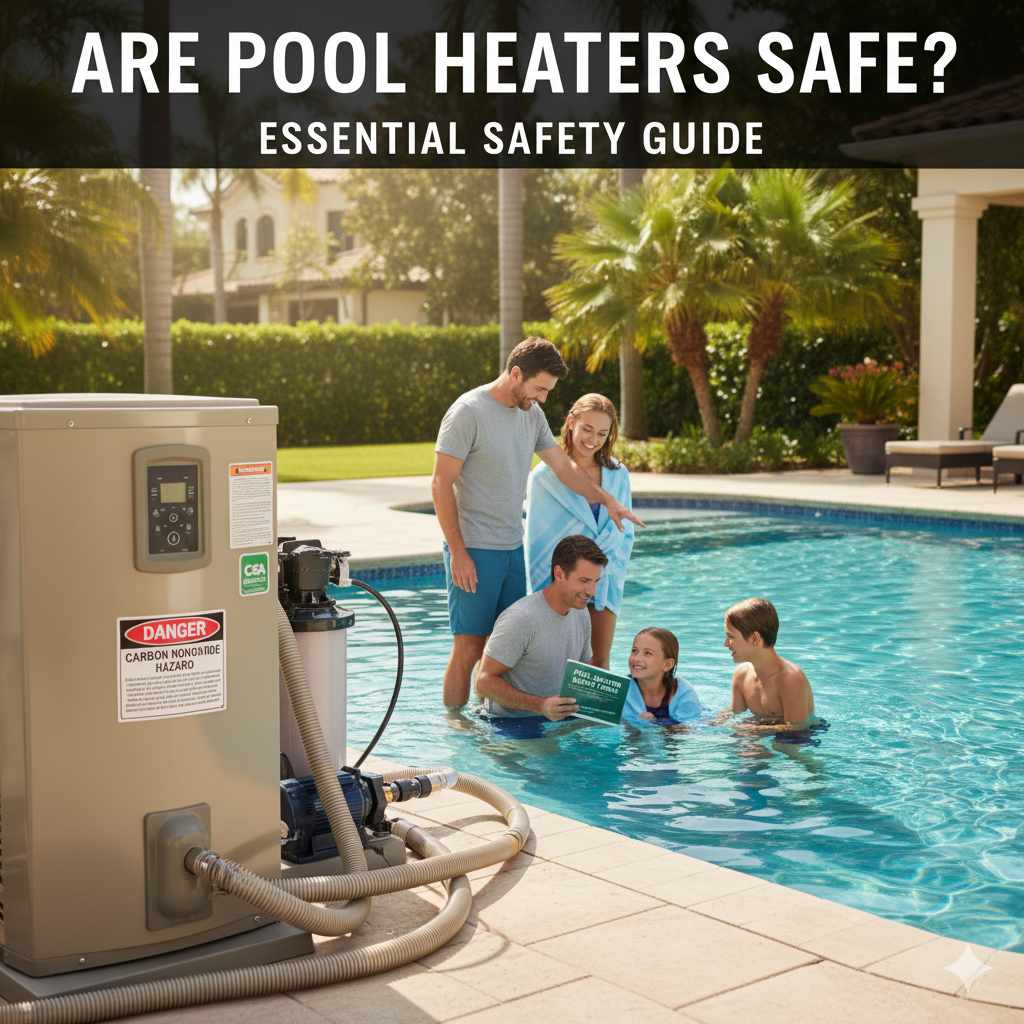
Yes, pool heaters are generally safe when installed and maintained correctly by qualified professionals. Following essential safety guidelines, understanding your specific heater type, and performing regular checks are key to enjoying a warm pool without worry. This guide provides all you need to know.
Imagine diving into your pool on a crisp evening, the water perfectly warm and inviting. It’s a dream for many homeowners, but the thought of a pool heater might bring up questions about safety. Are they really safe to have in your backyard? It’s a common concern, and knowing the facts can help you relax and enjoy your heated oasis. This guide is here to break down everything you need to know, step-by-step, so you can feel confident about your pool heater.
We’ll explore the different types of pool heaters, what makes them safe, and the simple steps you can take to ensure yours is operating perfectly. By the end, you’ll have a clear understanding of pool heater safety and be ready to make informed decisions.
Understanding Pool Heater Safety: What You Need to Know
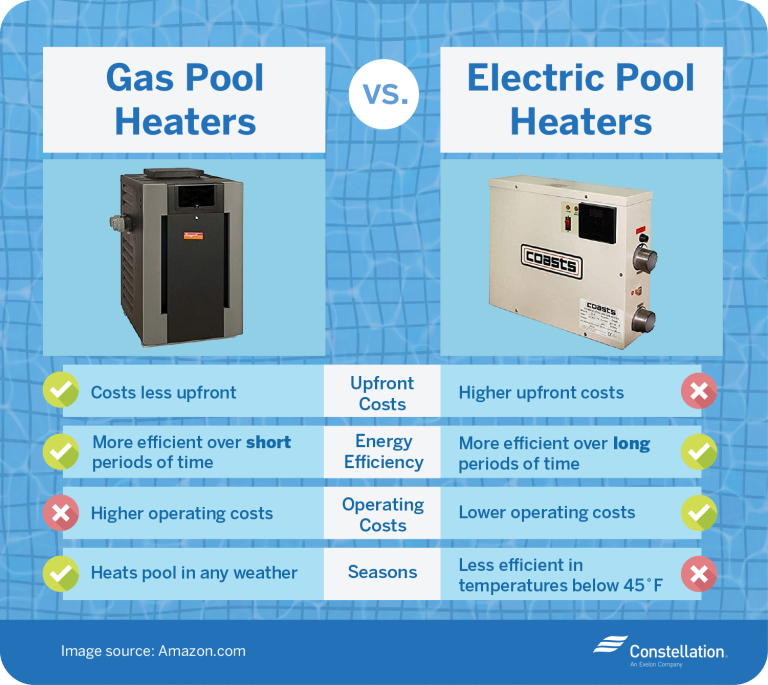
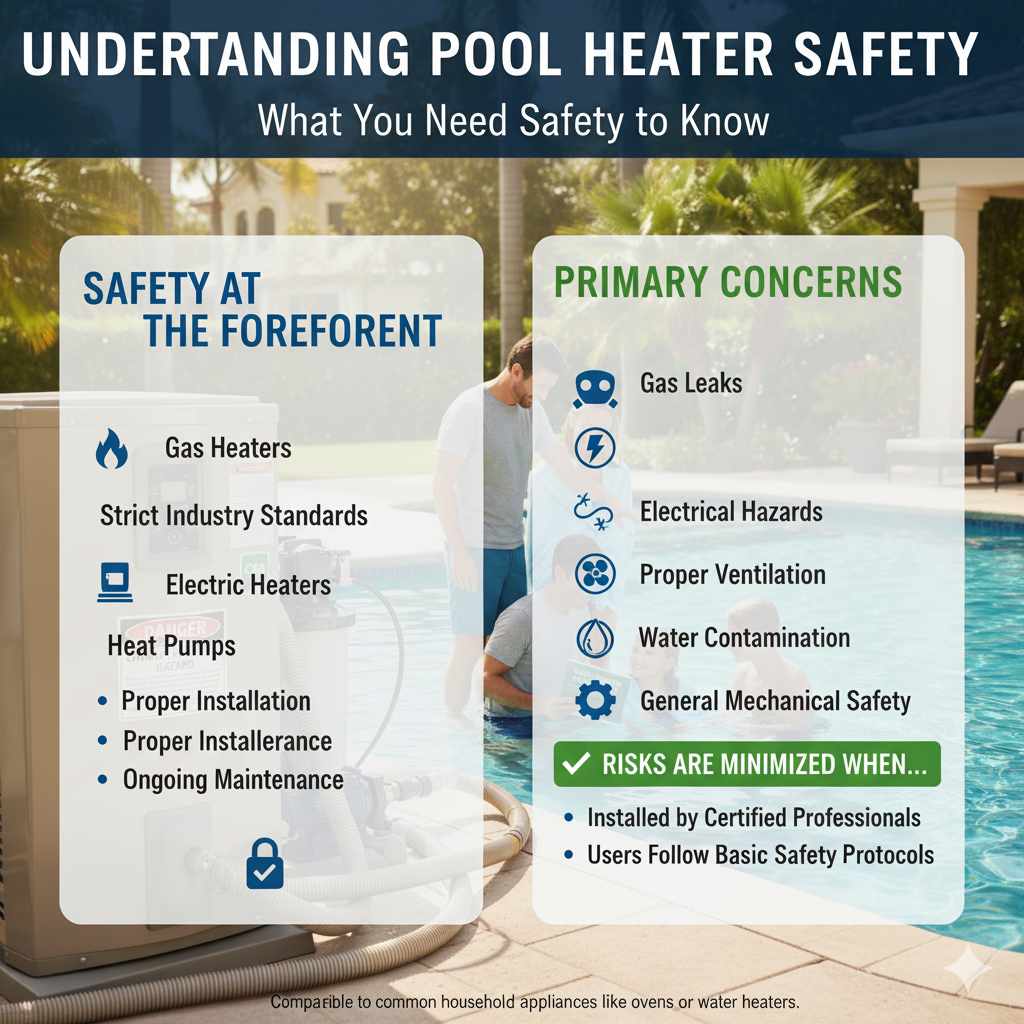
Pool heaters, whether they’re gas, electric, or heat pumps, are designed with safety at the forefront. Manufacturers adhere to strict industry standards and regulations to ensure that these appliances operate without posing undue risk. However, like any home appliance that uses energy and interacts with water, proper installation, ongoing maintenance, and mindful usage are crucial for maintaining a safe environment.
The primary concerns people have often revolve around:
- Gas leaks (for gas heaters)
- Electrical hazards (for electric heaters and heat pumps)
- Proper ventilation
- Water contamination
- General mechanical safety
The good news is that when these systems are installed by certified professionals and users follow basic safety protocols, the risks are minimized to a level comparable to other common household appliances like ovens or water heaters.
Types of Pool Heaters and Their Safety Features
Different types of pool heaters have unique safety mechanisms. Understanding these can help you appreciate the engineering behind them and what to look out for.
1. Gas Pool Heaters
Often the quickest to heat a pool, gas heaters burn natural gas or propane. Their safety relies heavily on proper ventilation and the integrity of the gas lines.
- Safety Features:
- Thermostat and High-Limit Switches: These automatically shut off the unit if the water gets too hot or if there’s a malfunction.
- Pressure Switches: Ensure proper water flow before ignition, preventing overheating.
- Gas Shut-off Valves: Allow for manual or automatic cutoff of gas supply in emergencies.
- Ventilation Systems: Crucial for safely expelling combustion byproducts like carbon monoxide. Proper venting directs these gases away from the pool area and living spaces. The U.S. Consumer Product Safety Commission (CPSC) provides valuable information on the safe use of gas appliances, including the importance of ventilation and carbon monoxide detectors.
Key Safety Considerations for Gas Heaters:
- Must be installed outdoors or in a well-ventilated area.
- Regular inspections of gas lines and connections are vital.
- Carbon monoxide detectors should be installed in nearby living areas.
2. Electric Pool Heaters (Resistive)
These heaters use electricity to heat a resistant element that, in turn, heats the pool water. They are generally simpler in design but can consume more energy.
- Safety Features:
- Circuit Breakers: Essential for preventing electrical overloads and short circuits.
- High-Temperature Cut-offs: Automatically shut down the heater if internally it reaches an unsafe temperature.
- Ground Fault Circuit Interrupters (GFCIs): These are vital electrical safety devices intended to protect people from electric shock. GFCIs quickly shut off electricity if they detect an imbalance in the current, indicating a potential hazard.
Key Safety Considerations for Electric Heaters:
- Must be installed by a qualified electrician.
- Wiring must be properly protected and meet all electrical codes.
- Keep electrical components away from water splash zones.
3. Pool Heat Pumps
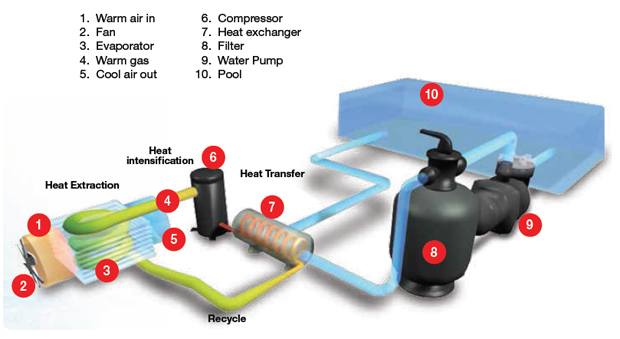
Heat pumps work like air conditioners in reverse, extracting heat from the ambient air and transferring it to the pool water. They are highly energy-efficient.
- Safety Features:
- Thermostats and High-Limit Sensors: Similar to gas heaters, these prevent overheating.
- Refrigerant Safety: Modern heat pumps are designed to contain refrigerants safely. Leaks are rare but, if they occur, are typically in small quantities and require professional servicing.
- Electrical Safety: Like electric heaters, they rely on proper wiring, circuit breakers, and GFCIs.
Key Safety Considerations for Heat Pumps:
- Require proper electrical connections.
- Installation should ensure adequate airflow around the unit.
- Regular checks for unusual noises or vibrations are recommended.
Essential Steps for Safe Pool Heater Operation
Ensuring your pool heater operates safely isn’t just about the unit itself; it’s also about how it’s installed, maintained, and used. Here’s a breakdown of key steps:
Step 1: Professional Installation is Non-Negotiable
This is the most critical step. Your pool heater must be installed by a licensed and experienced professional. They will ensure:
- The heater is correctly sized for your pool.
- All plumbing and electrical or gas connections are secure and up to code.
- Proper ventilation is achieved (especially for gas heaters).
- Safety devices are correctly integrated and functioning.
Choosing a certified technician means you’re entrusting the job to someone who understands the specific requirements and safety standards for your particular model and local regulations. You can often find certified installers through the heater manufacturer’s website or local pool service companies.
Step 2: Regular Maintenance and Inspections
Like any appliance, regular maintenance is key to preventing problems and ensuring continued safe operation. Schedule professional check-ups at least once a year, ideally before the pool season begins.
An annual service typically includes:
- Cleaning of internal components (like heat exchangers and filters).
- Checking for leaks (gas, water, or refrigerant).
- Testing all safety controls and sensors.
- Inspecting electrical connections for corrosion or damage.
- Verifying proper ventilation and exhaust.
You can also perform some simple, regular checks yourself:
- Visual Inspection: Look for any obvious signs of damage, leaks, or corrosion around the unit.
- Listen for Unusual Noises: Strange sounds like banging, grinding, or excessive whistling can indicate a problem.
- Check for Proper Operation: Ensure the heater ignites (if gas) and heats the water as expected, without cutting off unexpectedly.
Step 3: Understanding and Using Controls Safely
Familiarize yourself with your heater’s controls and thermostat settings. Only set the temperature to a comfortable level, generally between 78-80°F (26-27°C). Setting it excessively high not only wastes energy but can also put unnecessary strain on the unit and potentially create comfort issues.
Important operational safety tips:
- Never operate the heater if you suspect a problem.
- Ensure the pump is running before turning on the heater. Operating a heater without water flow can cause severe damage and is a safety hazard.
- Keep the area around the heater clear of debris, flammable materials (especially for gas heaters), and obstructions.
Step 4: Electrical Safety Precautions
For electric and heat pump models, adhering to electrical safety is paramount.
- GFCIs are Essential: Ensure your pool heater circuit is protected by a Ground Fault Circuit Interrupter (GFCI). This is a standard safety requirement for any equipment operating near water. Your electrician can confirm this is in place.
- Proper Grounding: All electrical equipment must be properly grounded to prevent electrical shock.
- Dry Hands and Environment: Never touch electrical controls or wiring with wet hands or while standing in water.
- Weather Protection: Ensure the unit is adequately protected from heavy rain or moisture intrusion if it’s not designed for direct exposure.
Step 5: Gas Safety for Gas Heaters
Gas heaters require specific attention to gas safety measures.
- Professional Gas Line Checks: The gas supply line should be installed and regularly inspected by a qualified gas technician.
- Ventilation is Key: Ensure there are no blockages in the vents or flues. Proper airflow is critical for expelling exhaust gases.
- Smell Gas? Act Immediately: If you ever smell natural gas or propane around your heater, turn off the gas supply immediately, evacuate the area, and call your gas company or a qualified technician from a safe distance. Do not operate any electrical switches or appliances.
- Carbon Monoxide Detectors: Install and maintain working carbon monoxide detectors in your home, especially in areas near the pool heater’s location.
Comparing Pool Heater Safety Aspects: A Quick Look
To help visualize the safety considerations, here’s a table comparing the primary safety concerns and features for each heater type:
| Heater Type | Primary Safety Concerns | Key Safety Features/Measures | Professional Installation Needs |
|---|---|---|---|
| Gas Heater | Gas leaks, carbon monoxide, ventilation | Thermostat/high-limit switches, pressure switches, gas shut-off valves, proper venting | Certified gas technician specializing in pool equipment |
| Electric Heater (Resistive) | Electrical shock, overload | Circuit breakers, high-temperature cut-offs, GFCIs, proper grounding | Licensed electrician experienced with pool equipment |
| Pool Heat Pump | Electrical shock, refrigerant (rare leakage) | Thermostats/high-limit sensors, GFCIs, proper grounding, sealed refrigerant system | Licensed electrician experienced with pool equipment |
Common Misconceptions About Pool Heater Safety
It’s easy to get caught up in what you hear, but let’s clarify some common myths:
- Myth: Pool heaters are inherently dangerous due to their proximity to water. Reality: With proper installation, adherence to electrical codes (like GFCI protection), and regular maintenance, pool heaters are designed to be safe around water. Manufacturers build in multiple safety mechanisms.
- Myth: Gas heaters are too risky for residential use. Reality: Gas heaters have been used for decades. The risks are significantly mitigated by professional installation that ensures proper ventilation and gas line integrity, along with the use of carbon monoxide detectors.
- Myth: If the heater is working, it’s safe. Reality: A heater might appear to be working but could have a malfunctioning safety sensor or a developing leak. Regular professional inspections are crucial to catch these issues before they become a safety problem.
- Myth: DIY installation saves money and is just as safe if done carefully. Reality: Pool heaters involve high-voltage electricity and/or natural gas, and complex plumbing. Incorrect installation can lead to fire hazards, electrical shocks, gas leaks, or damage to the unit, voids warranties, and can be a significant safety risk. Always use a qualified professional.
The Importance of Manufacturer Guidelines and Local Codes
Every pool heater comes with a detailed owner’s manual from the manufacturer. This manual is your primary resource for specific safety instructions, operating procedures, and maintenance recommendations for your unit. Always:
- Read the manual thoroughly before operating your heater.
- Keep the manual in a safe and accessible place for future reference.
- Follow all manufacturer recommendations regarding installation, operation, and maintenance.
In addition to manufacturer guidelines, local building codes and regulations govern the installation of pool heaters. These codes are designed to ensure public safety. Your professional installer will be familiar with these codes, but it’s good for you to be aware that installations must meet these standards. For example, there are often specific requirements for clearance around gas heaters and the type of electrical protection needed.
You can often find information on local building codes through your city or county’s building department website. For instance, many municipalities have online resources detailing requirements for outdoor appliances.
When to Call a Professional for Pool Heater Issues
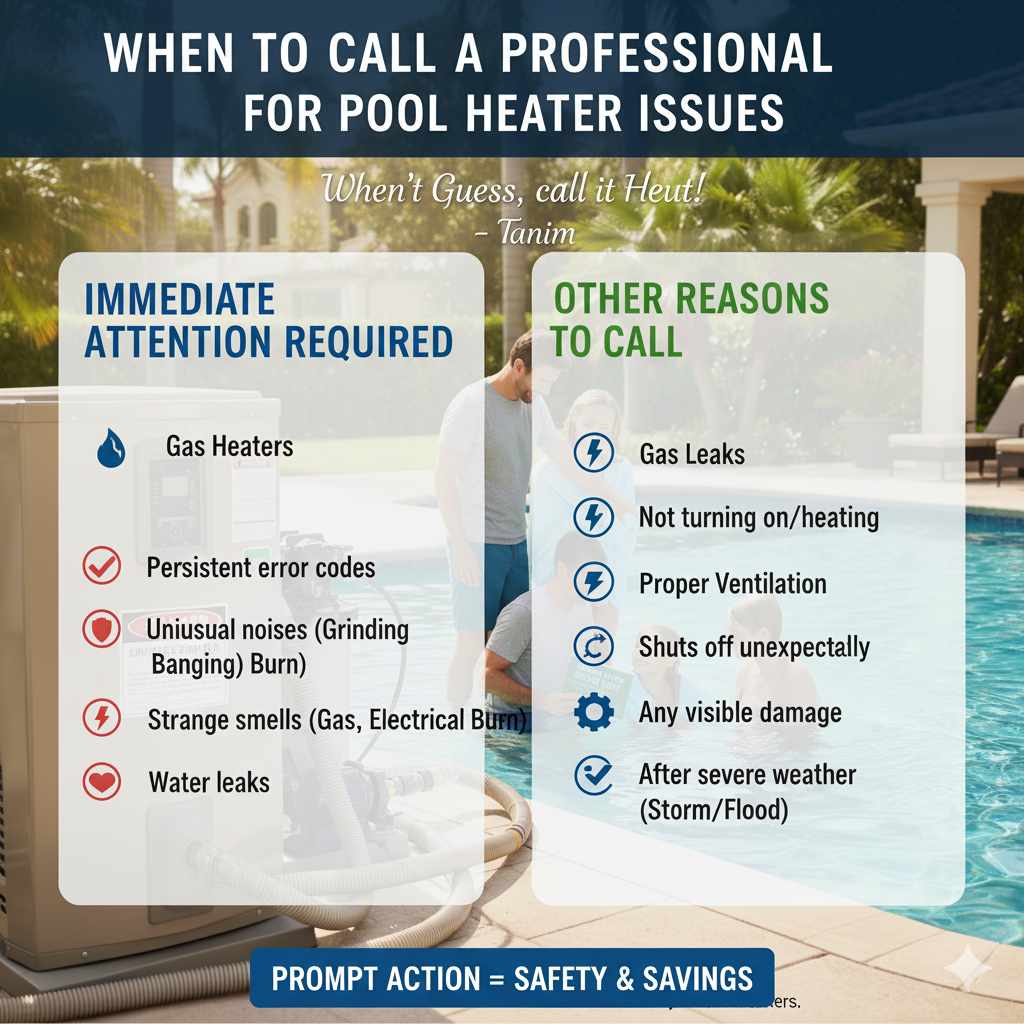
As Tanim, I always say, “When in doubt, call it out!” While you can handle simple visual checks, certain signs should prompt an immediate call to a qualified service technician:
- Persistent error codes on the heater’s display. These codes often indicate a specific malfunction that needs expert diagnosis.
- Unusual noises: Grinding, loud banging, or persistent rattling.
- Strange smells: Especially the distinct smell of gas, or a strong electrical burning odor.
- Water leaks: Any significant water leaks around the unit or its connections.
- The heater not turning on, not heating, or shutting off unexpectedly without apparent cause.
- Any damage to the unit or its surrounding structure.
- After a severe weather event: If a storm or flood has occurred, have your heater inspected before attempting to use it.
Addressing issues promptly by calling a professional not only ensures safety but also prevents minor problems from escalating into costly repairs.
Frequently Asked Questions About Pool Heater Safety
Q1: How often should a pool heater be serviced?
A1: It’s recommended to have your pool heater professionally serviced at least once a year, typically before the start of the swimming season. Regular cleaning and safety checks by a qualified technician are essential.
Q2: Can a pool heater explode?
A2: Modern pool heaters have numerous safety features designed to prevent such catastrophic failures. While extremely rare, potential risks could arise from gross neglect, severe damage, or improper installation that bypasses safety systems. Adhering to maintenance schedules and installing with professionals drastically reduces this risk.
Q3: Is it safe to have a gas pool heater near my home?
A3: Yes, when installed according to manufacturer guidelines and local codes by a certified professional, gas pool heaters are safe. Proper ventilation to allow for the safe expulsion of exhaust gases, a secure gas line, and the use of carbon monoxide detectors in the home are key safety measures.
Q4: What should I do if I smell gas near my pool heater?
A4: If you smell gas, immediately turn off the gas supply to the heater if you can do so safely, do not operate any electrical switches or create sparks, evacuate the area, and call your gas utility company or a qualified service technician from a safe distance. Do not try to find the leak yourself.
Q5: Are electric pool heaters safe if they get wet?
A5: Electric pool heaters are designed to be used outdoors and are built to withstand splashes. However, the electrical components must be properly protected and connected to GFCIs for maximum safety. Never attempt to service or operate electrical controls with wet hands or while standing in water. If the unit appears to have been submerged or severely saturated, have it inspected by a professional before use.
Q6: Can I bypass a safety feature on my pool heater to make it work?
A6: Absolutely not. Safety features like high-limit switches, pressure sensors, and GFCIs are critical for preventing dangerous situations. Bypassing them is extremely risky and can lead to equipment damage, fire hazards, or serious injury. Always consult a professional if a safety feature is preventing your heater from operating.
Conclusion
Enjoying a comfortably warm pool is a wonderful extension of your home’s enjoyment, and your pool heater plays a key role in that. By understanding how different pool heaters work, prioritizing professional installation, and committing to regular maintenance and safe operating practices, you can ensure your pool heater is a safe and reliable addition to your backyard. The straightforward safety measures we’ve discussed, from proper ventilation for gas heaters to GFCI protection for electric models, are your best allies in preventing issues.
Remember, your pool heater’s manual and a qualified service technician are invaluable resources. With a little diligence and attention to these essential safety guidelines, you can confidently warm up your pool and extend your swimming season, creating countless happy memories for you and your family. Here’s to a safe and toasty swim!