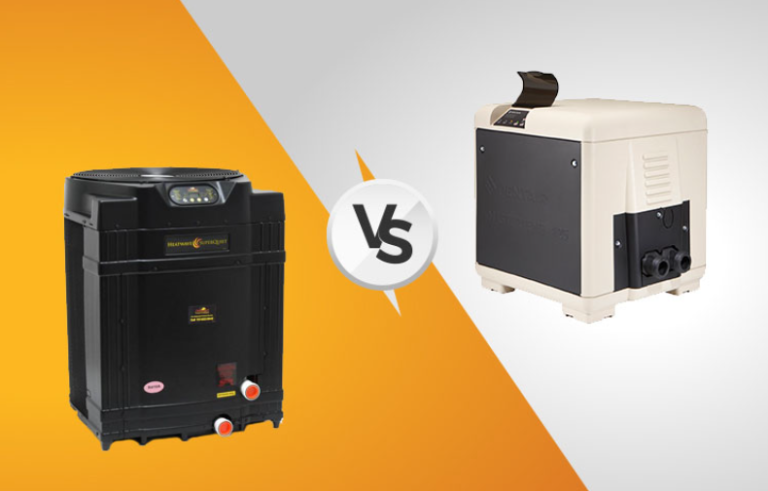
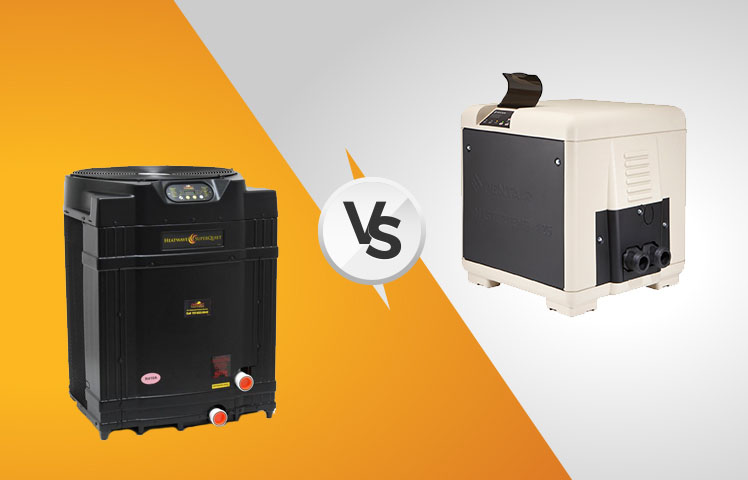
Pool Heaters Electric or Gas for Lower Running Costs
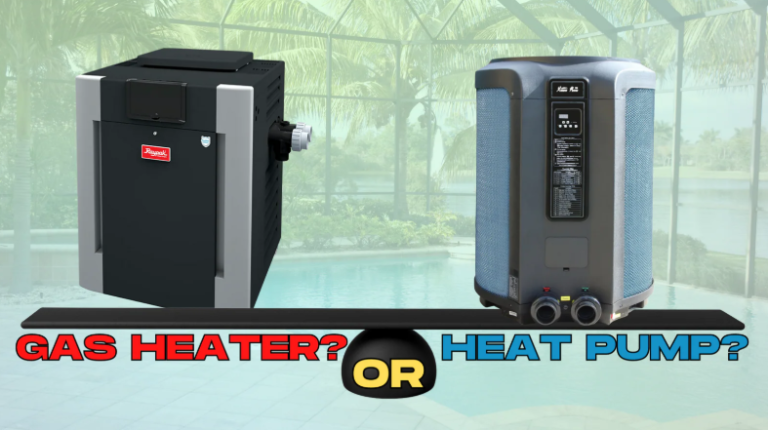
To heat your pool, both electric heat pumps and gas heaters are reliable choices. Electric heat pumps are energy-efficient and cost-effective for year-round use, while gas heaters offer rapid heating and are ideal for occasional use or colder climates. Your “proven choice” depends on your budget, climate, and how often you’ll use your pool.
Is the thought of a chilly pool keeping you out of the water? You’re not alone! Choosing the right pool heater can feel a bit overwhelming with all the options available. Many homeowners wonder, “Are pool heaters electric or gas?” It’s a common question because both types can keep your pool delightfully warm. Don’t worry, figuring this out is simpler than it sounds! We’ll break down each option so you can make the best decision for your backyard oasis. Get ready to dive into clear, easy steps that will help you choose the perfect heater and get back to enjoying your pool in perfect comfort.
Electric vs. Gas Pool Heaters: Understanding Your Options
When you’re ready to take the plunge and heat your pool, you’ll primarily be looking at two main types of heaters: electric and gas. Each has its own strengths, and knowing them will help you pick the one that’s just right for your needs. Think of it like choosing between two great flavors of ice cream – both are delicious, but one might hit the spot a little better depending on your craving!
Electric Pool Heaters: The Energy-Efficient Choice
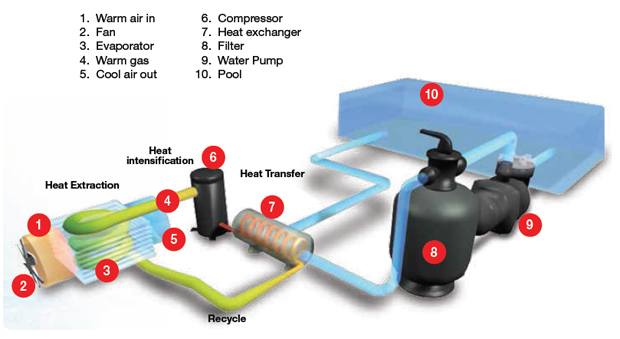
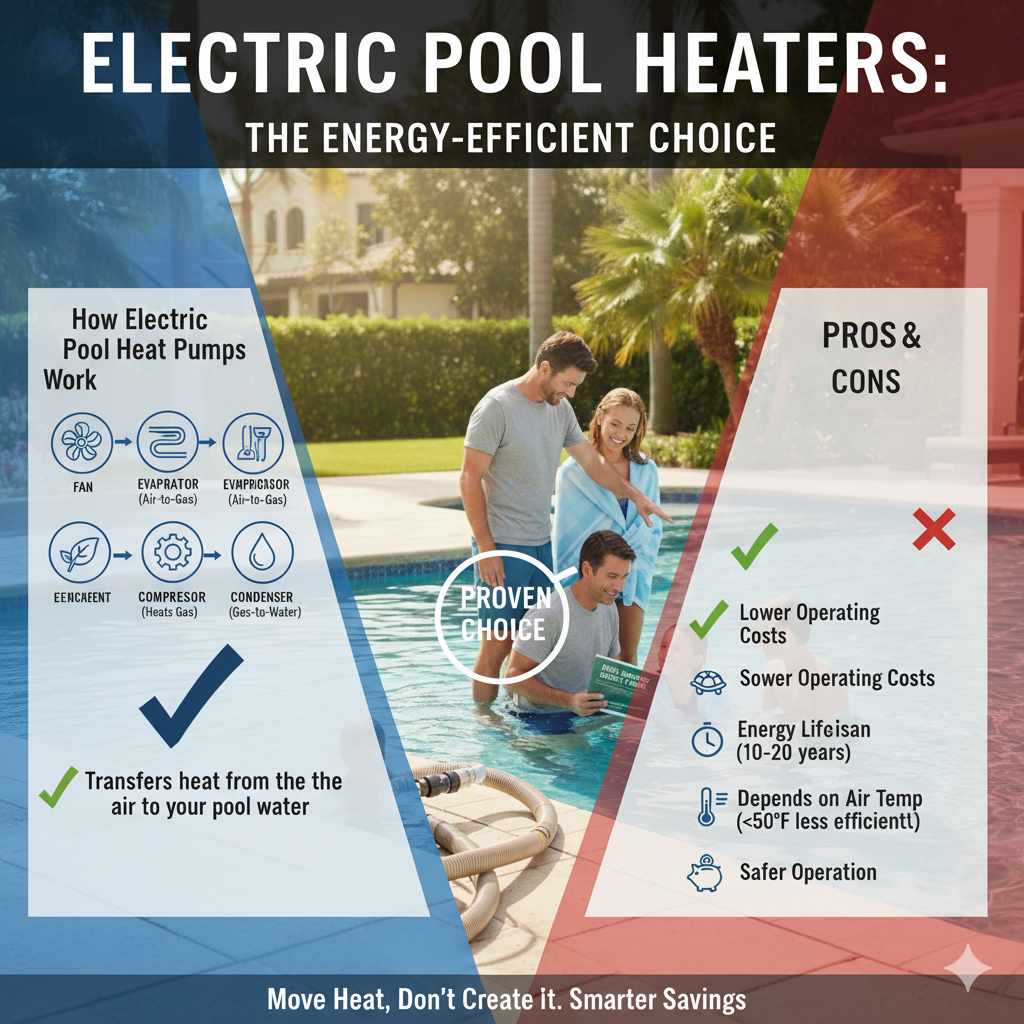
Electric pool heaters, most commonly in the form of heat pumps, work a bit like your home’s air conditioner, but in reverse. Instead of cooling your house, they pull warmth from the surrounding air and transfer it to your pool water. They don’t actually create heat like a gas heater does; they move it. This makes them incredibly efficient!
How Electric Pool Heat Pumps Work
It’s a fascinating process that uses a refrigerant cycle:
- Fan: A fan draws in warm air from outside.
- Evaporator: This air passes over a coil containing a liquid refrigerant. Even if the air feels cool to us, it contains enough heat energy to turn the refrigerant into a gas.
- Compressor: The refrigerant gas then goes through a compressor, which significantly increases its temperature and pressure.
- Condenser: This super-hot gas flows through a heat exchanger (the condenser). Here, it transfers its heat to the pool water that’s being pumped through the exchanger.
- Expansion Valve: The refrigerant cools down, turns back into a liquid, and the cycle starts all over again.
This continuous process efficiently transfers heat from the air to your pool water.
Pros of Electric Pool Heat Pumps
Electric heat pumps are a popular choice for many good reasons:
- Energy Efficiency: They are significantly more energy-efficient than gas heaters, often producing 4-6 units of heat for every unit of electricity consumed. This means lower running costs, especially in milder climates.
- Lower Operating Costs: Due to their high efficiency, electricity bills for heating the pool are generally lower compared to using natural gas or propane.
- Environmentally Friendly: They produce fewer greenhouse gas emissions than gas heaters, making them a greener option.
- Long Lifespan: With proper maintenance, electric heat pumps can last 10-20 years.
- Safer Operation: They don’t burn fossil fuels directly, meaning no combustion byproducts to worry about.
Cons of Electric Pool Heat Pumps
While great, they do have a couple of considerations:
- Slower Heating: They heat water more slowly than gas heaters. It might take 24-48 hours to initially heat a pool.
- Dependence on Air Temperature: Their efficiency and heating power decrease significantly in colder air temperatures. They work best when the air is above 50°F (10°C). In very cold climates, they might not be sufficient on their own.
- Higher Upfront Cost: The initial purchase price of an electric heat pump can be higher than some gas heaters.
Gas Pool Heaters: The Powerful and Fast Choice
Gas pool heaters use natural gas or propane to directly heat your pool water. They are like a powerful furnace for your swimming pool, igniting a flame to rapidly heat the water that passes through them. If you need quick heat or live in a cooler region, gas might be your go-to.
How Gas Pool Heaters Work
The process is straightforward:
- Gas Ignition: When you turn on the heater, it ignites a natural gas or propane burner.
- Water Flow: Pool water is pumped through a heat exchanger, which is heated by the burning gas.
- Heat Transfer: The heat from the combustion process is transferred directly to the pool water.
- Exhaust: Combustion gases are vented safely outdoors.
This direct heating method makes them very effective at quickly raising the water temperature.
Pros of Gas Pool Heaters
Gas heaters have some compelling advantages:
- Fast Heating: They are the fastest way to heat a pool. They can raise the temperature significantly in just a few hours, making them perfect for unexpected cool spells or for heating a pool only when needed.
- Effective in Cold Weather: Unlike electric heat pumps, gas heaters are not dependent on air temperature. They can effectively heat your pool even on the coldest days.
- Lower Upfront Cost: Generally, the initial purchase price of a gas heater is lower than that of a comparable electric heat pump.
- Consistent Heating: They provide a consistent and powerful heating output regardless of external conditions.
Cons of Gas Pool Heaters
Here are some things to consider with gas heaters:
- Higher Operating Costs: Natural gas and propane are typically more expensive than electricity per unit of heat. This can lead to higher monthly utility bills, especially with frequent use.
- Lower Energy Efficiency: They are less energy-efficient than electric heat pumps, converting less of the fuel’s energy into usable heat.
- Environmental Impact: Burning fossil fuels releases greenhouse gases, making them less environmentally friendly than electric heat pumps.
- Installation Complexity: They require a gas line (natural gas or a propane tank) and proper ventilation, which can add to installation costs and complexity.
- Maintenance: Regular maintenance is crucial to ensure safe and efficient operation.
Comparing Electric vs. Gas Pool Heaters: At a Glance
To help you visualize the differences, here’s a handy comparison table:
| FeatureElectric Pool Heat PumpGas Pool Heater | ||
|---|---|---|
| Heating Speed | Slow (24-48 hours for initial heat) | Fast (hours for initial heat) |
| Operating Cost | Lower (especially in mild climates) | Higher (fuel costs can add up) |
| Upfront Cost | Higher | Lower on average |
| Energy Efficiency | Very High (400-600% efficient) | Moderate (80-90% efficient) |
| Cold Weather Performance | Reduced efficiency below 50°F (10°C) | Excellent, not affected by air temp |
| Environmental Impact | Lower | Higher |
| Lifespan | 10-20 years | 8-15 years |
| Installation | Requires electrical hookup | Requires gas line/propane tank & venting |
Which Heater is the Proven Choice for YOU?
The “proven choice” is really about finding the heater that best fits your lifestyle, budget, and location. Let’s break down the scenarios where each type shines.
When Electric Heat Pumps are the Proven Choice:
- Mild to Moderate Climates: If you live in an area where temperatures rarely drop below 50°F (10°C), an electric heat pump is usually the most cost-effective and energy-efficient option. Think California, Florida, or milder parts of Europe.
- Year-Round Pool Use: For those who want to extend their swimming season as much as possible, the consistent, lower operating costs of an electric heat pump make it a smart long-term investment.
- Energy Cost Savings are a Priority: If keeping your utility bills down over the long run is your main goal, the superior efficiency of heat pumps will pay off.
- Environmental Concerns: If you’re looking for a greener way to heat your pool, electric heat pumps have a significantly smaller carbon footprint.
For example, families in coastal regions with mild winters often find electric heat pumps provide comfortable pool temperatures for many months without breaking the bank on energy bills. Many homeowners are also looking at the long-term savings and environmental benefits, making heat pumps increasingly popular.
When Gas Heaters are the Proven Choice:
- Colder Climates: If you live in an area with cold winters or where temperatures frequently dip below 50°F (10°C), a gas heater is essential. It will reliably heat your pool regardless of the weather outside. States like Colorado, New York, or Canada are prime examples.
- Occasional Pool Use: If you only use your pool sporadically (e.g., for weekend parties) or want to heat it up quickly for a specific event, the rapid heating capability of a gas heater is invaluable. You won’t have to wait days for the water to become warm enough.
- Budget for Upfront Costs: If your initial budget is tighter, the lower purchase price of a gas heater can make it a more accessible option.
- Fast Heat-Up Needs: For those who want to jump into a warm pool on a whim, the speed of gas heating is unbeatable. As highlighted by pool service professionals, gas heaters are excellent for “on-demand” heating.
Imagine a family in a region with cold winters who only uses their pool for a few months during the summer. A gas heater allows them to heat the pool quickly when they want it, without the ongoing energy costs associated with maintaining a specific temperature for extended periods. You can find more information on estimating heating needs from resources like the U.S. Department of Energy’s Energy Saver website, which discusses various factors influencing pool heating costs and efficiency.
Installation Considerations: What to Prepare
No matter which type of heater you choose, proper installation is key to its performance, safety, and longevity. It’s not a DIY job for most homeowners, so budget for professional installation.
For Electric Heat Pumps:
- Electrical Service: You’ll need a dedicated electrical circuit with the correct amperage. A qualified electrician will ensure this is properly installed.
- Space: Heat pumps are somewhat bulky and require adequate airflow around them. They should be installed on a level pad, away from direct exhaust vents from your house.
- Plumbing: The heater needs to be plumbed into your pool’s existing filtration system, usually after the filter and before any chlorinator. A bypass valve system is often recommended to control water flow.
For Gas Pool Heaters:
- Gas Line: A natural gas line needs to be run from your home’s meter, or a propane tank needs to be installed and connected. This requires a licensed plumber or gas technician.
- Venting: Gas heaters produce exhaust fumes and require proper venting to the outside, adhering to local building codes for safety.
- Space & Pad: Like heat pumps, they need a stable, level pad and clearance for airflow and venting. They are generally more compact than heat pumps.
- Plumbing: Similar to heat pumps, gas heaters are integrated into your pool’s plumbing system.
Both types of heaters will benefit from professional installation by a qualified pool technician or contractor. They will ensure everything is connected correctly, meets safety standards, and operates efficiently.
Maintaining Your Pool Heater for Longevity
Once your heater is installed, a little regular maintenance goes a long way in keeping it running smoothly and extending its life. Think of it as giving your heater a regular check-up!
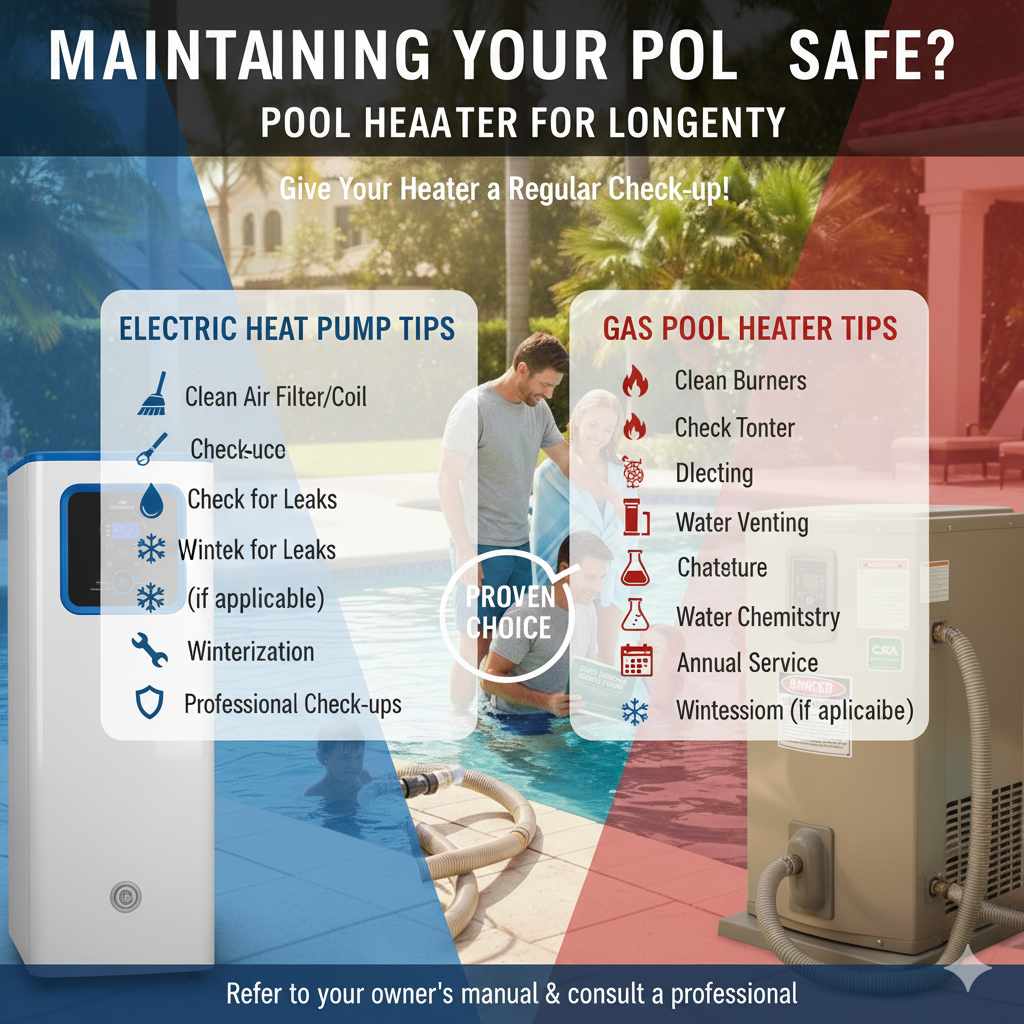
Tips for Electric Heat Pumps:
- Clean Air Filter/Coil: Periodically clean the air intake screen and the evaporator fins to ensure good airflow. Dust and debris can significantly reduce efficiency.
- Check for Leaks: Look for any signs of water leaks around the unit.
- Winterization: If you live in a climate that freezes, you’ll typically need to winterize the unit by draining it completely to prevent damage from ice.
- Professional Check-ups: Have a technician inspect the refrigerant levels and electrical components annually.
Tips for Gas Pool Heaters:
- Clean Burners: Ensure the burners are clean and free of debris for efficient combustion.
- Check Venting: Periodically inspect the vent pipe for any blockages or damage.
- Water Chemistry: Maintain proper pool water chemistry to prevent corrosion of internal components.
- Annual Service: Schedule an annual service with a qualified technician to inspect the heat exchanger, gas valve, igniter, and perform necessary cleaning.
- Winterization: Like heat pumps, gas heaters usually need to be drained and winterized in freezing climates.
For comprehensive guidance on maintenance, always refer to your specific heater’s owner’s manual and consult with a professional. Organizations like the Pool & Hot Tub Alliance (PHTA) offer resources and standards for pool maintenance, though direct links to specific maintenance guides are best found in manufacturer documentation or through certified service providers.
Frequently Asked Questions About Pool Heaters
Q1: Which type of pool heater is cheaper to run?
Generally, electric heat pumps are cheaper to run due to their high energy efficiency, especially in mild climates. Gas heaters tend to have higher operating costs because fuel is typically more expensive per unit of heat produced.
Q2: Which type of pool heater heats the fastest?
Gas pool heaters are significantly faster at heating pool water compared to electric heat pumps. A gas heater can warm up your pool in a matter of hours, while an electric heat pump might take 24-48 hours to reach your desired temperature from cold.
Q3: Can I use an electric pool heater in a very cold climate?
While some modern heat pumps are designed to operate at lower air temperatures, their efficiency and heating capacity drop significantly when the air temperature is below 50°F (10°C). For consistent heating in cold climates, a gas heater is usually a more reliable choice, or sometimes a hybrid system is used.
Q4: What size pool heater do I need?
The size of the heater depends on several factors: the volume of your pool, your desired temperature rise, the average air and water temperatures in your area, and how often you’ll be heating the pool. It’s best to consult with a pool heating professional who can perform a heat loss calculation for your specific pool.
Q5: Are there hybrid pool heating systems?
Yes, some people opt for a hybrid approach, often using an electric heat pump as their primary heater for efficiency and then a small gas heater for quick boosts when needed on cooler days or for faster heating. This offers a balance of cost savings and rapid heating capabilities.
Q6: How long does a pool heater typically last?
With regular maintenance, an electric pool heat pump typically lasts 10-20 years, while a gas pool heater generally lasts 8-15 years. Factors like water chemistry, climate, and usage frequency can affect lifespan.
Q7: What are the electrical requirements for an electric pool heater?
Electric pool heaters, especially heat pumps, require a dedicated, high-amperage electrical circuit from your main breaker panel. The exact voltage (e.g., 240V) and amperage will depend on the heater’s size and output. Always consult the manufacturer’s specifications and a qualified electrician.
Conclusion: Making Your Confident Pool Heating Choice
You’ve learned about electric heat pumps and gas heaters, their unique ways of working, and their pros and cons. When asking yourself, “Are pool heaters electric or gas: Proven Choice?” remember that the best choice is the one that aligns with your specific needs.